
Hexagonal
Browse hexagonal machines.
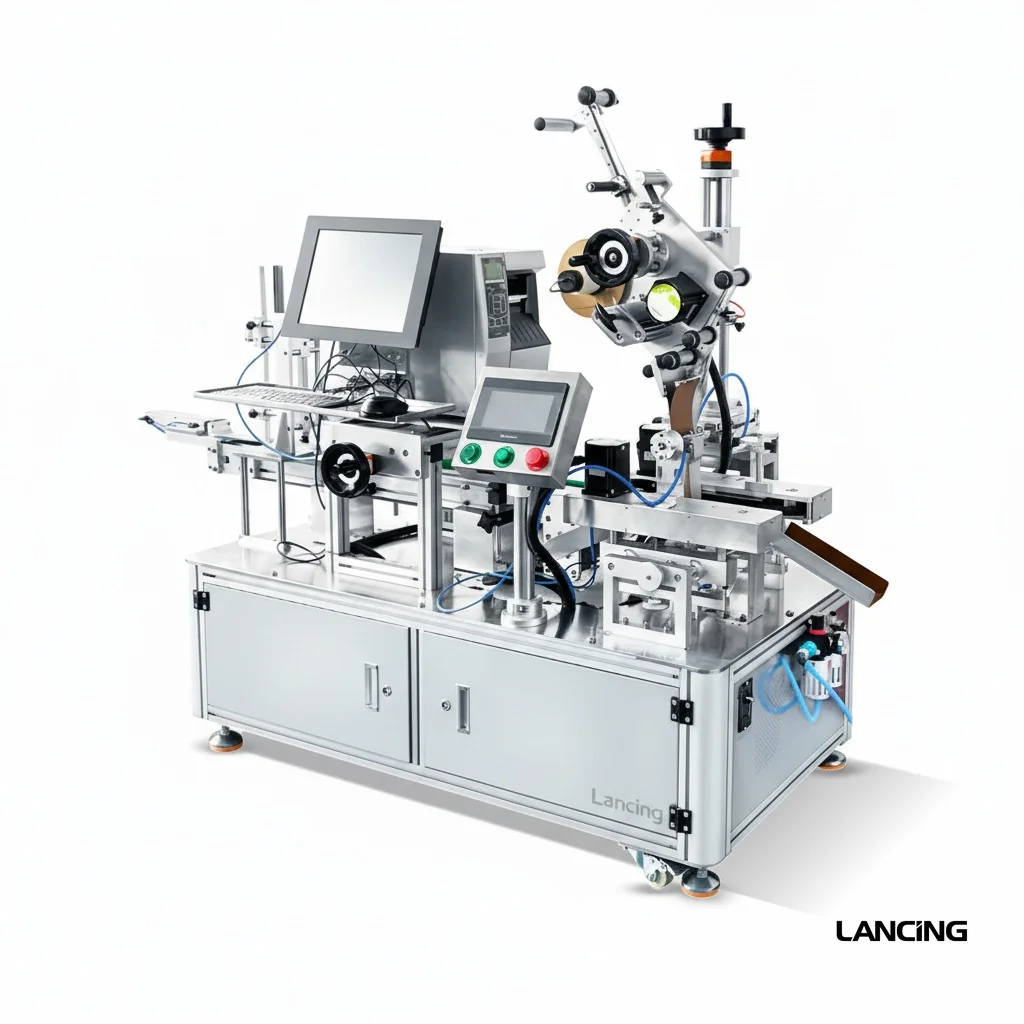
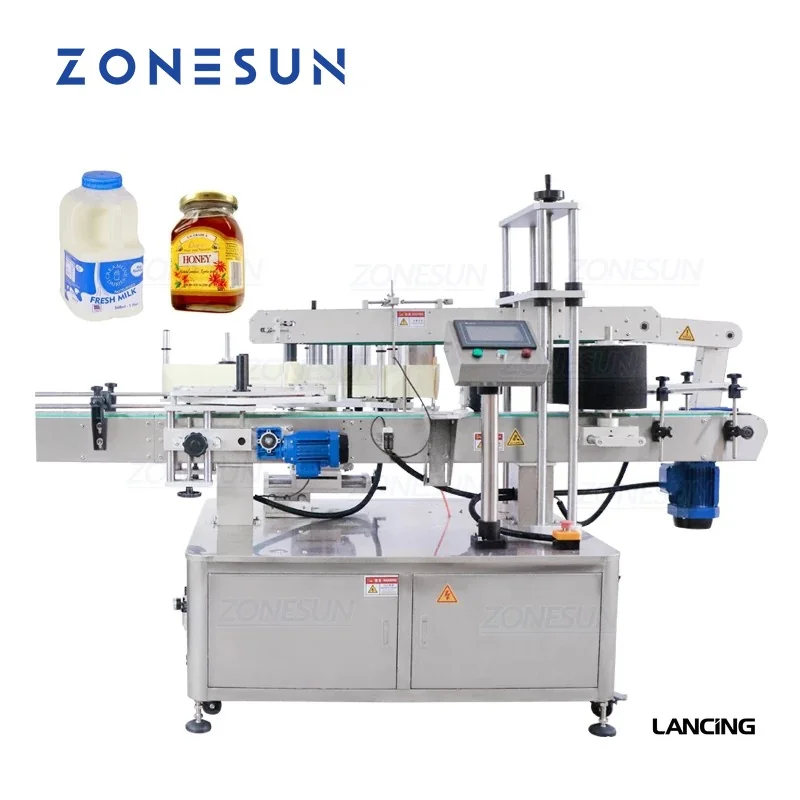
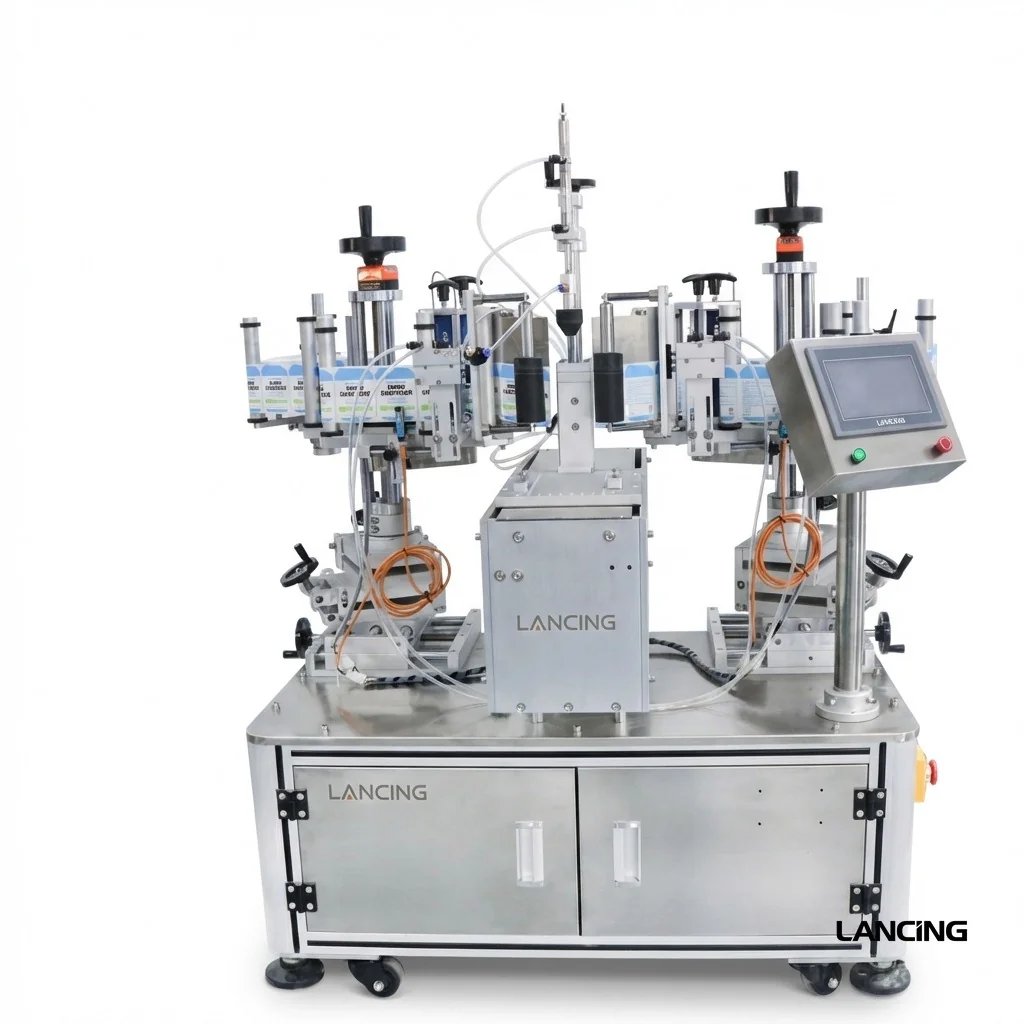
Labelling hexagonal and multi-panel containers
Shaped packs require controlled orientation, stable handling and a label path matched to the selected panels.
Define which faces and corners the label must cover
Hexagonal, square and other multi-panel containers cannot be specified only by nominal width and height. The machinery supplier needs the complete cross-section, panel widths, corner radii, taper, base stability and the relationship between the closure, handle, seam or decoration and the required label position. A label applied to one flat face needs a different handling sequence from a label that wraps across two or three panels.
Container orientation is often the first engineering decision. A shaped pack may be presented by side guides, belts, a locating feature, a camera or sensor reference, or a dedicated fixture. The suitable method depends on whether the container has a repeatable feature and whether it can be controlled without marking, squeezing or rotating unpredictably.
Choose the application method around the finished pack
| Label requirement | Machinery consideration | Trial check |
|---|---|---|
| One flat panel | Stable presentation and a repeatable distance from the applicator are the main controls. | Position, skew, wipe-down and variation between moulded containers. |
| Front and back labels | Both sides must remain referenced as the pack travels through the machine. | Relative alignment, panel centring and effect of container taper. |
| Corner-wrap label | The label must be supported and wiped across the corner without lifting or creasing. | Corner radius, label stiffness, adhesive response and overlap. |
| Three-side label | Orientation, sequential wipe-down and pack restraint must work together. | All panel positions, transitions, bubbles, edge lift and restart behaviour. |
Use production variation in the acceptance method
Trials should include the lightest, tallest and least dimensionally stable containers, plus label reels from the intended converter. Check labels after application and again after the normal time, temperature and handling sequence. If the label panel is recessed, curved or textured, record that condition rather than treating the pack as a simple flat surface.
Related routes include flat-surface labelling, front-and-back labelling and double-sided labelling.