
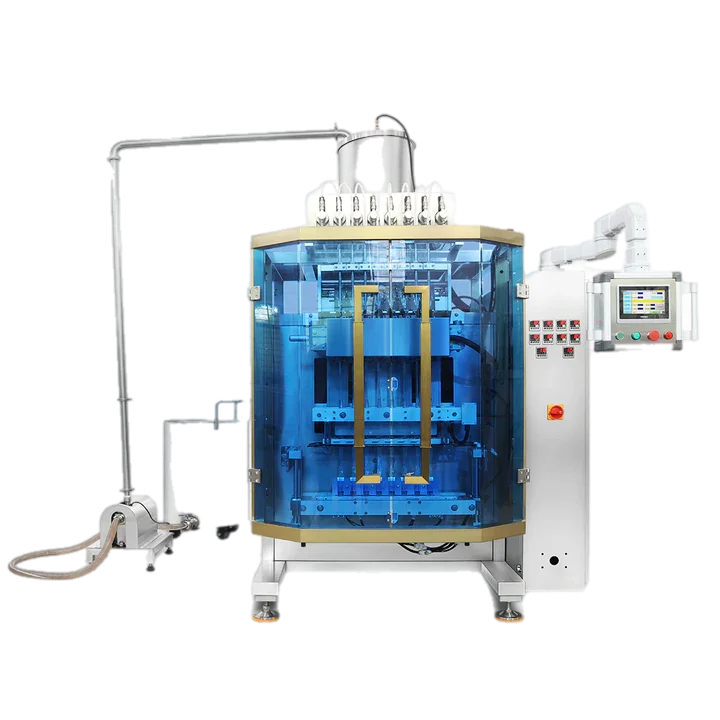
Rinsing & Feeding Machinery

Rinsing and feeding machinery including bottle rinsing, infeed systems, feeders, unscrambling and cap feeding.

Rinsing and feeding selection

Prepare containers, caps and products before the main process

Why feeding and presentation matter

Rinsing, feeding and unscrambling equipment often determines whether the rest of a packaging line can run consistently. Bottles, caps, lids, labels, pouches and cartons need to be presented in the correct orientation and at a pace that suits the next operation. Poor presentation can create stoppages even when the filling or capping machine is correctly specified.

Useful information includes container dimensions, weight, material, stability, neck finish, cap shape, orientation requirement and whether the item is scuffed, tapered, flexible or easily damaged. For rinsing projects, the cleaning method and the risk of retained liquid or air need to be considered before the rest of the line is fixed.

Review bottle rinsing, bottle unscrambling, cap feeders and conveyors and accumulation when planning a complete automated line.

Presentation comes first

Reliable feeding reduces downtime at filling, capping, labelling and packing stages because the next machine receives a consistent item.

Common questions about rinsing and feeding machinery

Stable presentation is the foundation for reliable downstream filling, capping and labelling.

What makes a container difficult to feed automatically?

A container can be difficult to feed because it tangles, nests, deforms, has a high centre of gravity, lacks a stable orientation feature, varies between suppliers or marks easily. The feeding method should be tested with normal and difficult production samples.

Review container presentation questions

When is a bottle unscrambler suitable?

A bottle unscrambler is suitable when empty containers can be stored in bulk, separated, oriented and discharged without unacceptable damage or instability. Bottle shape, material, neck position, stiffness and required output determine the design.

What is the difference between rinsing and washing?

Rinsing normally removes loose contamination or applies a defined internal treatment, while washing may require more intensive contact, chemistry, temperature, drainage and validation. The required cleanliness outcome and the container history must be specified before choosing equipment.

How much accumulation should be placed after a feeder?

Accumulation should be based on normal replenishment, short downstream stops and the restart behaviour of the line. Too little causes frequent starvation; too much can create back pressure, scuffing or unstable queues. The suitable amount depends on the pack and conveyor control strategy.