
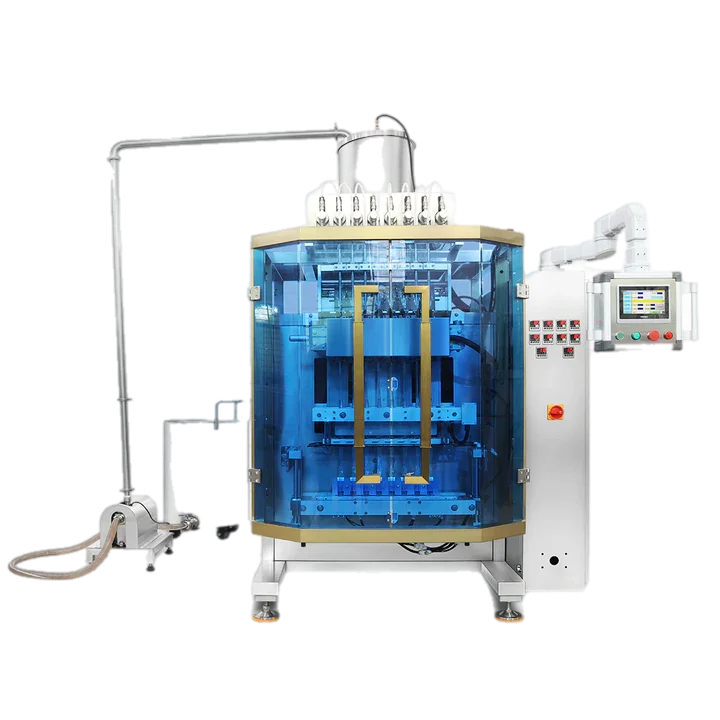
Conveyor & Accumulation

Conveyors and accumulation systems including belt, slatted, curved, infeed, incline and rotary outfeed conveyors plus coding integration.

Conveyors and line integration

Connect machines without creating bottlenecks

Designing the product path between machines

Conveyors, accumulation tables, infeed systems and outfeed handling should be specified with the whole line in mind. Speed matching, container stability, transfer height, guide-rail adjustment, operator access and emergency-stop zoning all affect how well separate machines operate together.

Before adding more automation, it is useful to map the current manual process, identify where operators currently buffer products, and confirm whether the line needs straight conveyors, curved conveyors, side guides, rotary accumulation, infeed tables or bespoke handling. Controls integration and safe access should be considered before equipment is placed into a crowded production area.

For joined-up systems, review filling, capping, labelling and integration services as part of one process rather than separate purchases.

Plan transfers early

A line is only as reliable as the handover points between machines. Transfers, guides, buffers and controls should be specified at the same time.

Common questions about conveyors and accumulation

A conveyor is part of the process control system, not simply a means of moving packs.

What information is needed to specify a packaging conveyor?

Provide pack dimensions, weight, base condition, stability, required direction, working heights, available route, transfer points, speed range, washdown or environmental needs, accumulation duty and control interfaces. Include the least stable and heaviest formats.

Prepare the layout and drawing information

Why do containers fall at conveyor transfers?

Containers can fall where gaps, height differences, rail transitions, speed changes, base geometry or product slosh reduce stability. Observe the exact point and operating condition of the fall before changing guides, because excessive constraint can create a different fault.

What is accumulation used for in a packaging line?

Accumulation decouples short interruptions between machines so one stop does not immediately stop the whole line. It must be designed for the pack, required buffer time, back pressure, release behaviour and safe access; more accumulation is not automatically better.

How should conveyor speeds be coordinated?

Conveyor speeds should create controlled spacing and flow through each machine without unstable acceleration or excessive back pressure. Sensors, variable-speed drives and line logic should respond to starved and blocked conditions consistently across the line.

Review line controls and sensors