Begin with the operation that changes the product or pack
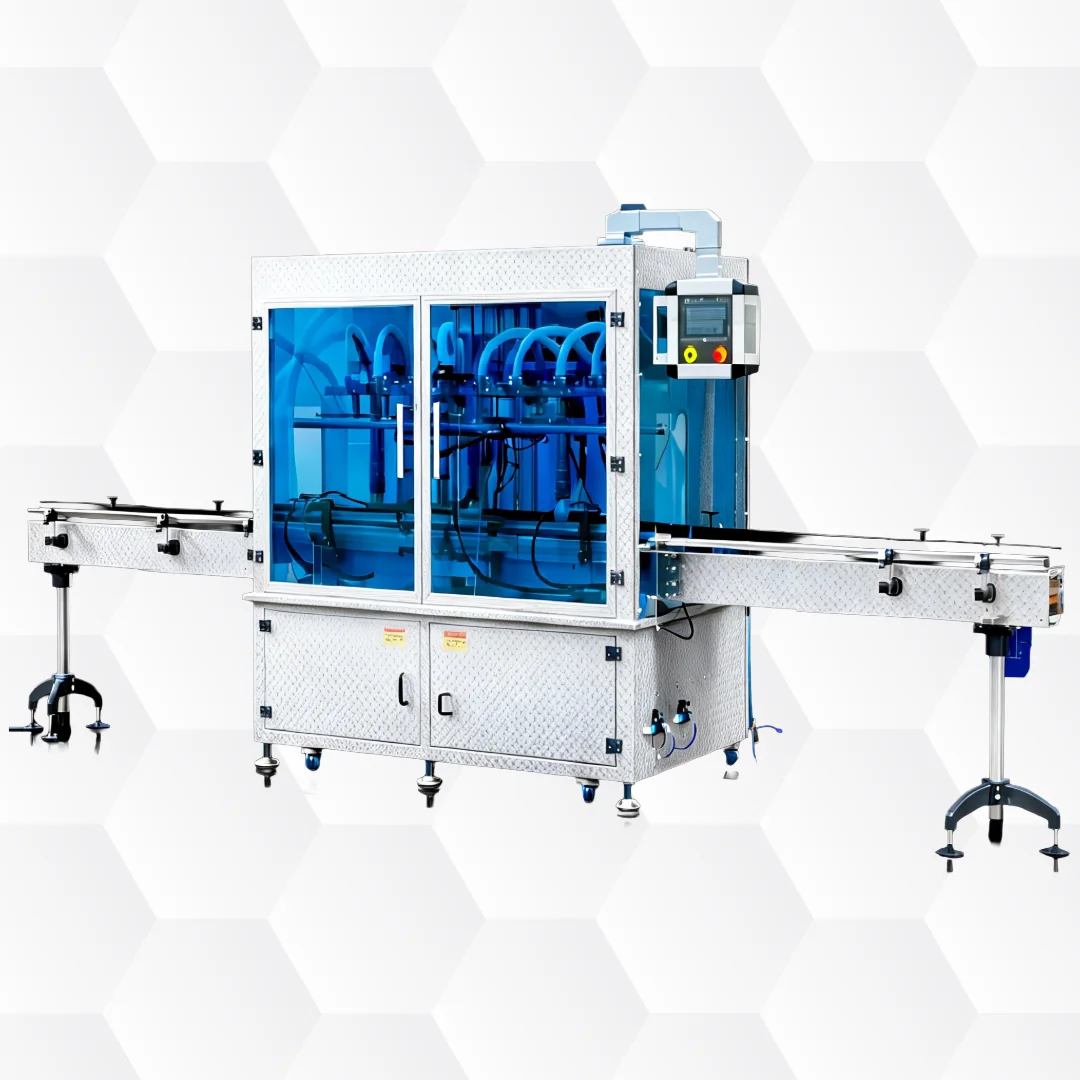
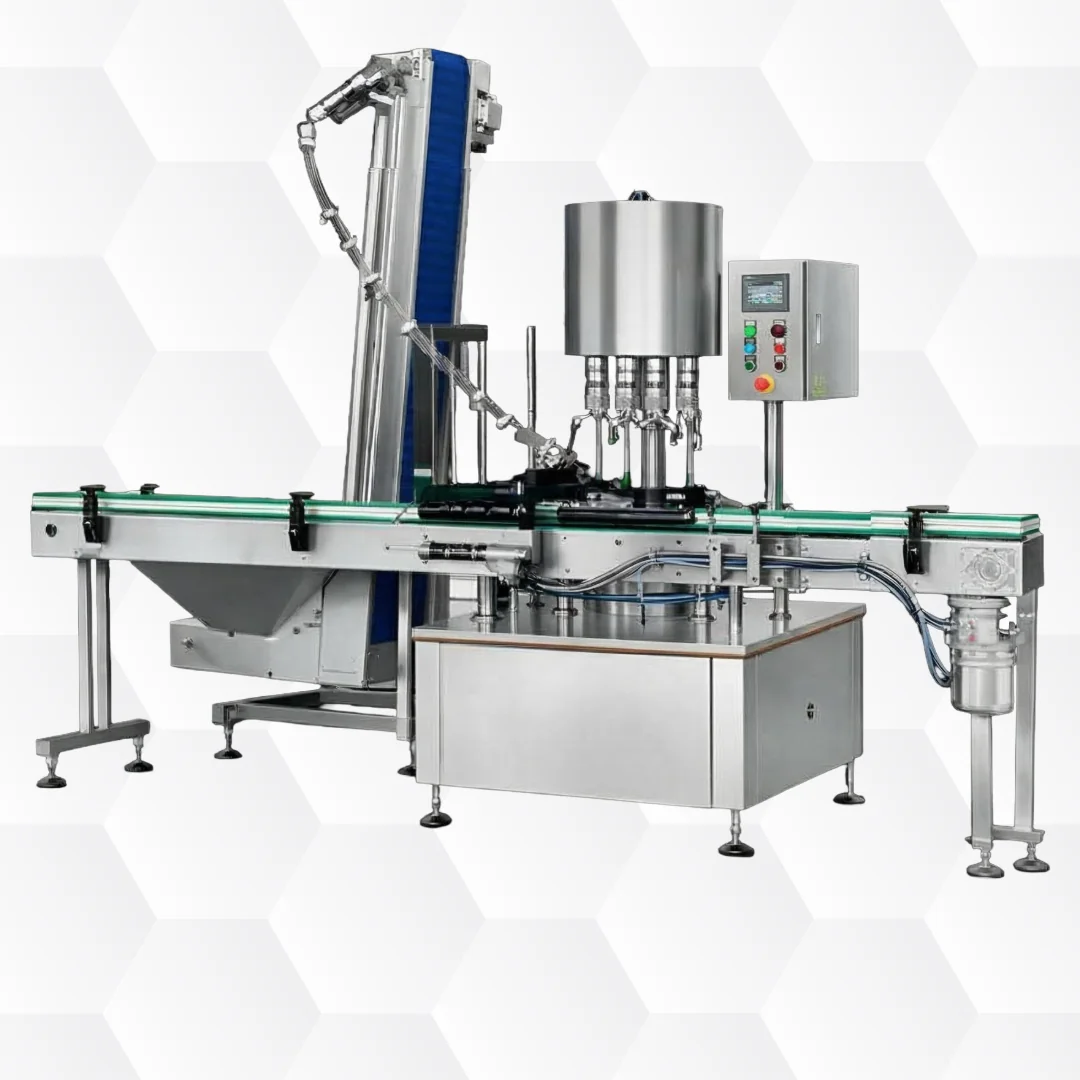
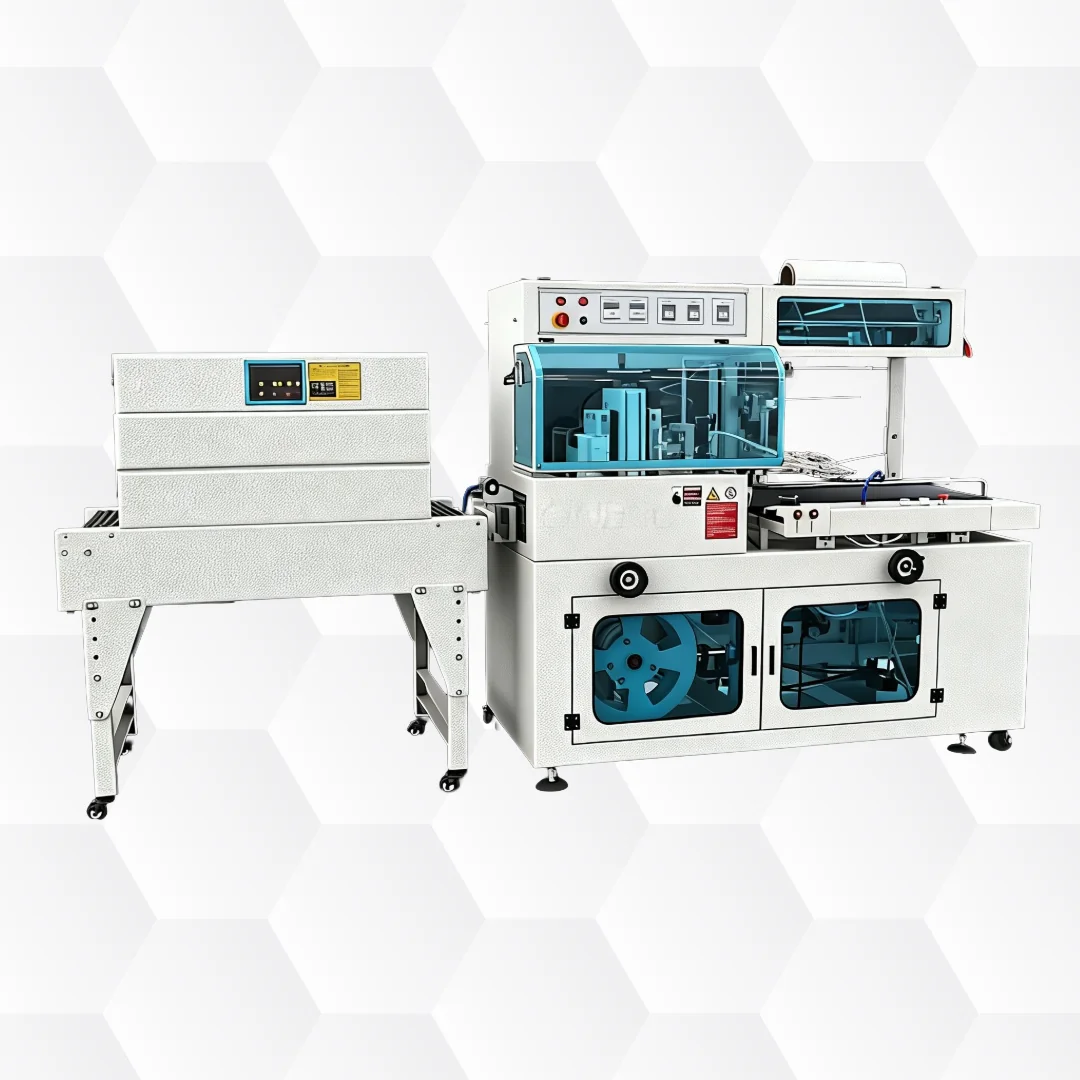
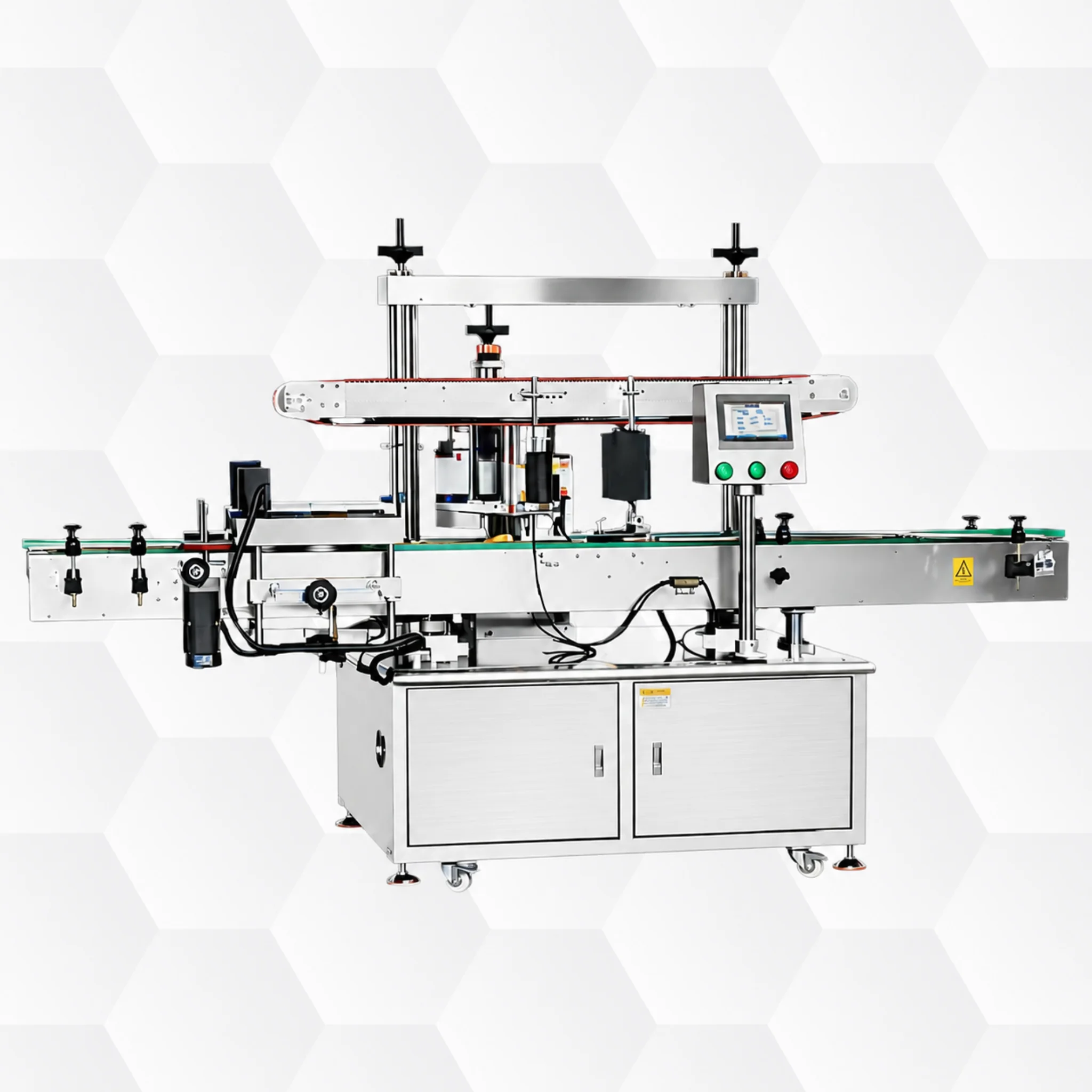
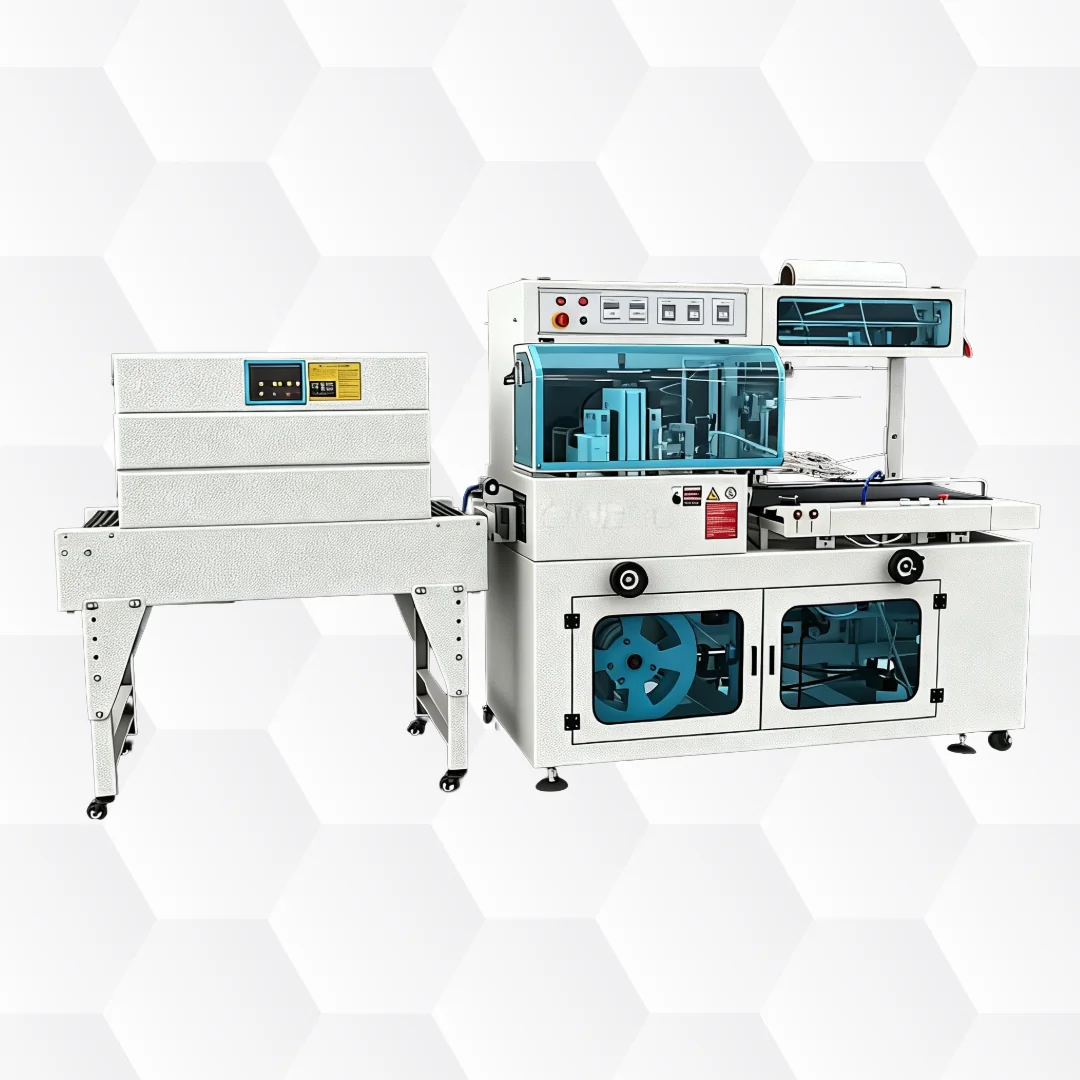
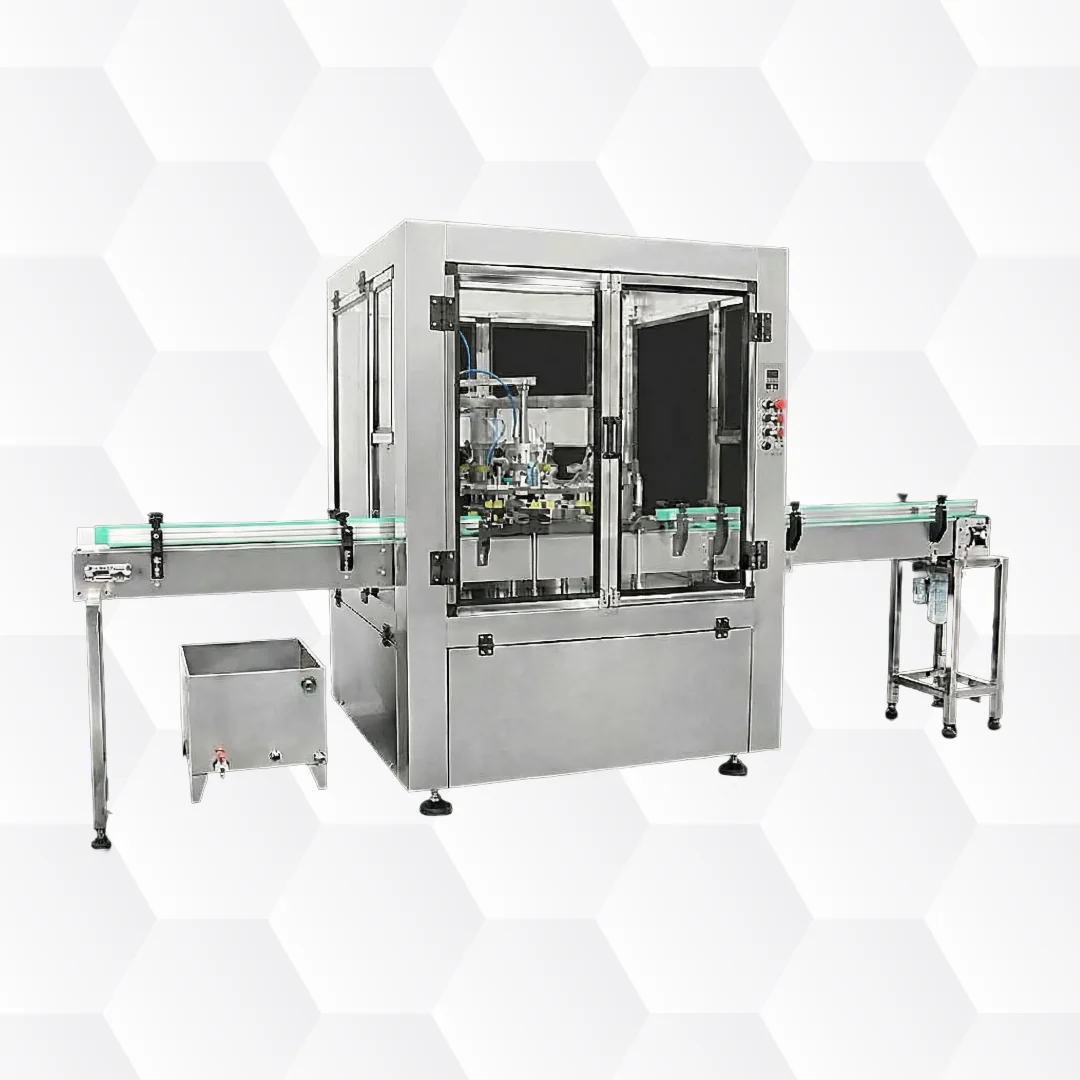
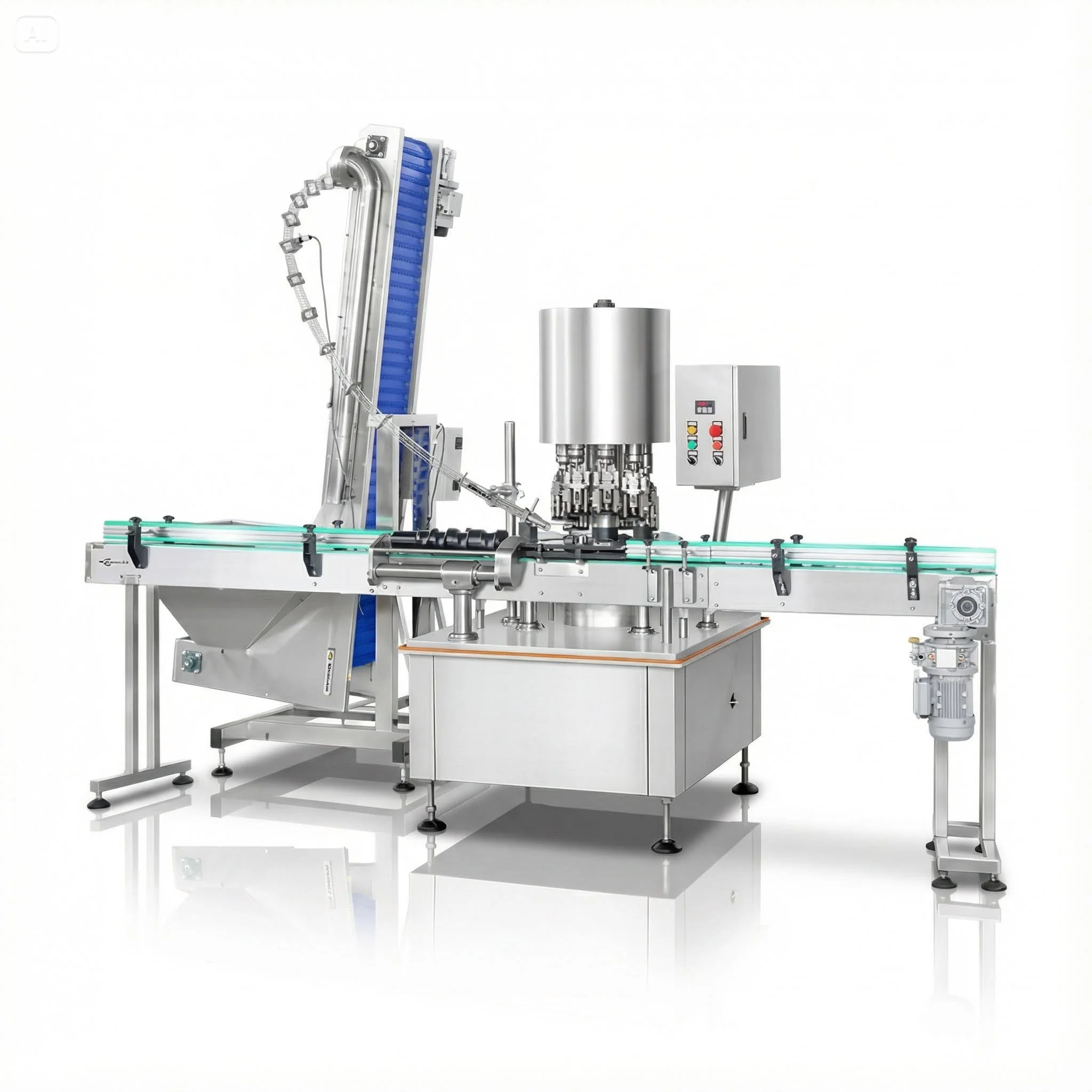
The most useful starting category is normally the operation with the greatest effect on product quality or pack integrity. For liquids, pastes, powders and granules, that is usually filling machinery. For bottles and jars that are already filled, the key decision may be the closure method within capping machinery. Packs that are closed but not presentation-ready may require labelling, sealing and packing or shrinkwrapping.
Feeding and movement should be reviewed at the same time rather than added after the principal machine has been selected. Container unscrambling, cap feeding, infeed control, conveyor speed, accumulation and outfeed handling determine whether each operation receives the pack consistently. The rinsing and feeding and conveyor and accumulation categories therefore form part of the specification even when they are not the main purchase.
Compare automation levels against the production method
A compact or semi-automatic machine can be appropriate where batches are short, formats change frequently or an operator is already needed for inspection and material handling. A more automatic system becomes useful when repetitive presentation, filling, closing or labelling constrains output or consistency. The right choice depends on the whole operating method: product replenishment, container loading, change parts, cleaning, fault recovery, quality checks and finished-pack removal all affect the labour requirement.
Catalogue pages are a starting point, not a substitute for application review. Before a machine is selected, Lancing needs to understand the product, pack, expected formats, site conditions and interface with existing equipment. Use the machine-selector journey to assemble that information and then review the relevant category pages in more detail.