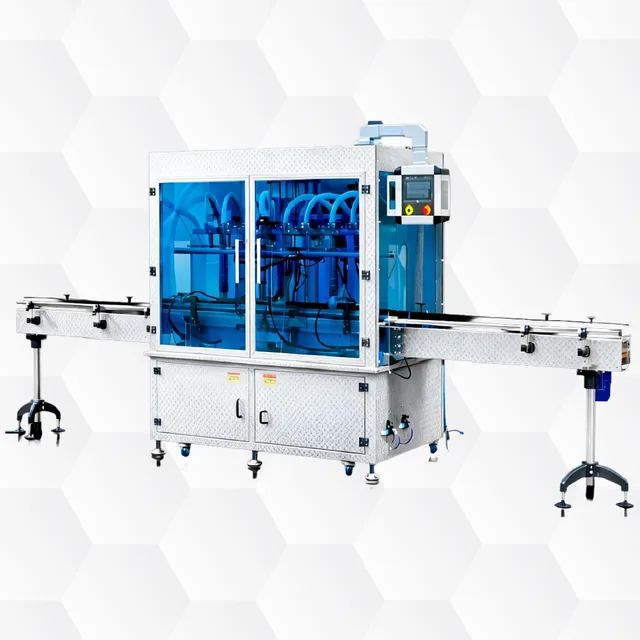
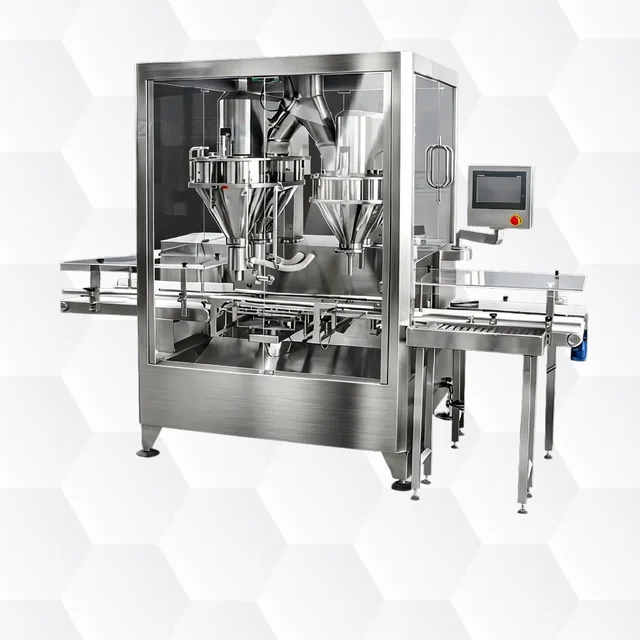
Automatic filling machinery

Packaging machinery specialists

Lancing UK supplies, specifies and supports packaging machinery for filling, capping, labelling, sealing, conveying and end-of-line automation.

  • Machinery matched to product, container, closure and throughput.
  • Support for installation, commissioning, spares and planned maintenance.
  • UK-based advice for production teams, engineers and growing manufacturers.

From early machine selection through installation, commissioning, training, spare parts and service support, the focus is practical equipment that fits your product and production process.

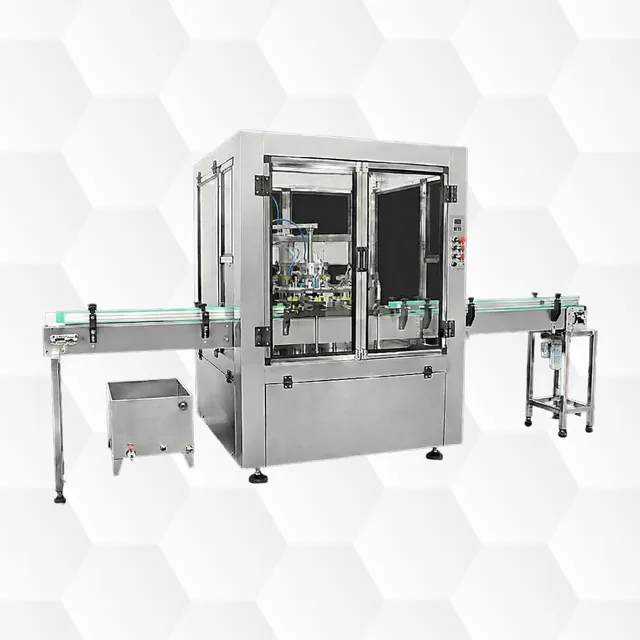
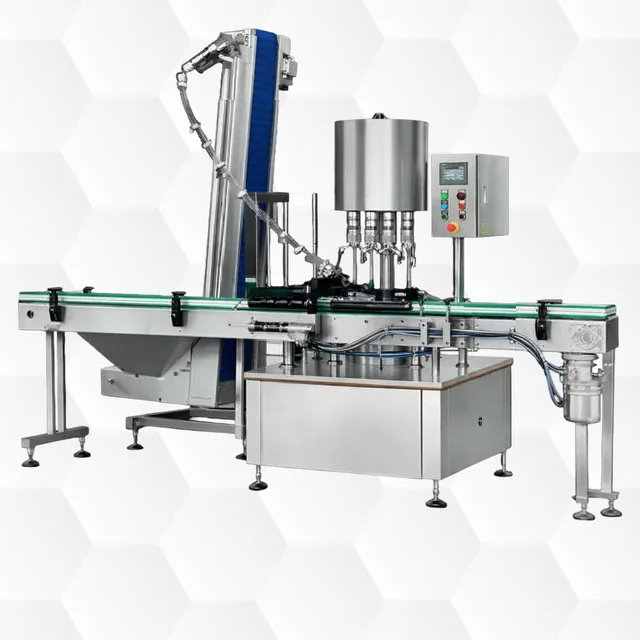
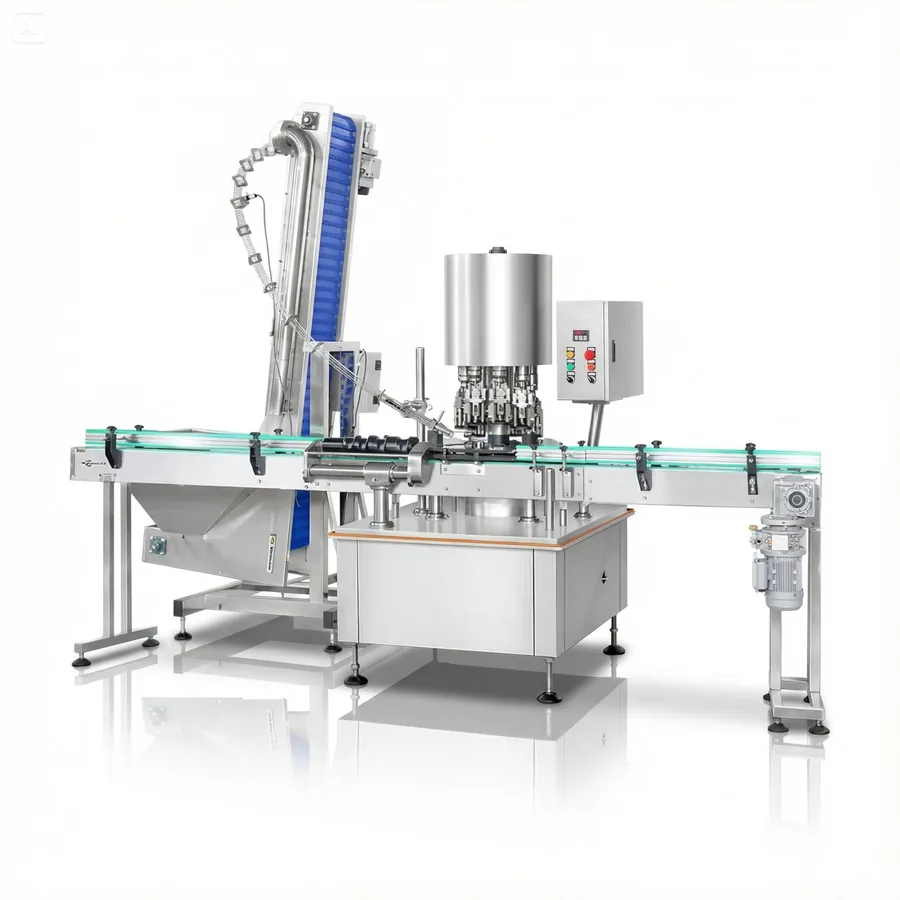
Automatic capping machinery for specification support

Specification support

Choose equipment around product viscosity, pack format, closure type, target speed and operator workflow.

Installation & commissioning

Integrate machinery into production lines with handover support and practical training.

Spares & aftercare

Source spare parts and maintenance support to keep production moving.

Automation upgrades

Improve filling, capping, labelling, coding, conveying and end-of-line handling as demand grows.

Packaging machinery specification background

Ready to specify a machine?

Send your product, pack format, target output and site details. Lancing UK will advise on suitable machinery and options.

Contact us

Products

Our Product Range

Filling Machinery

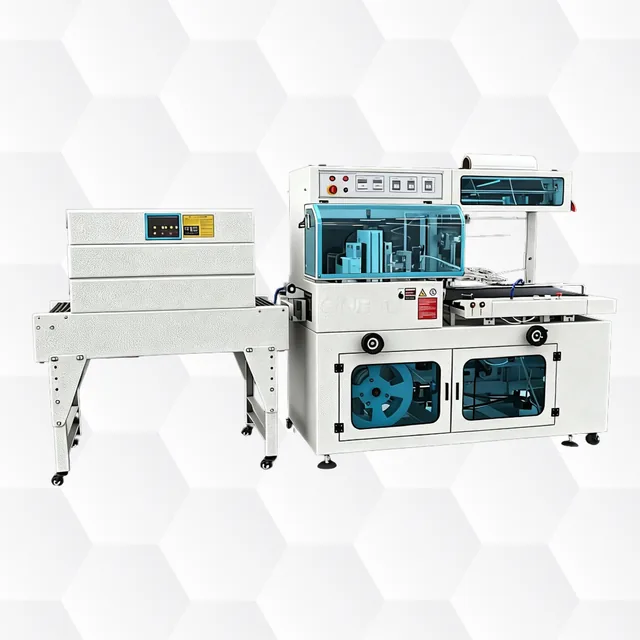
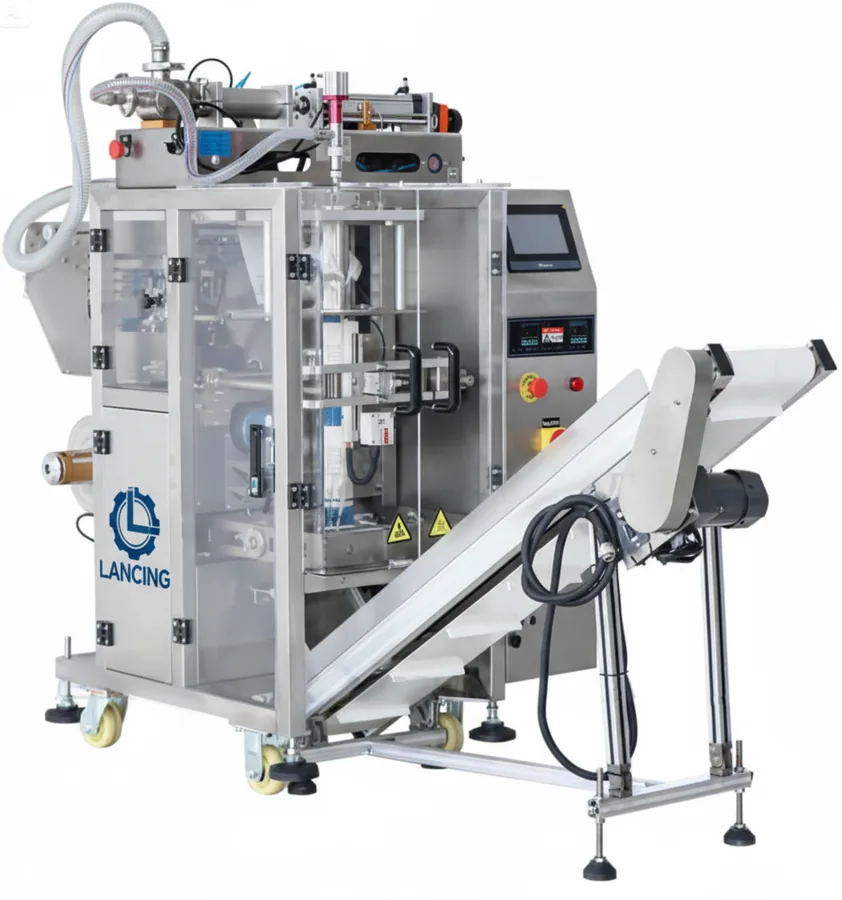
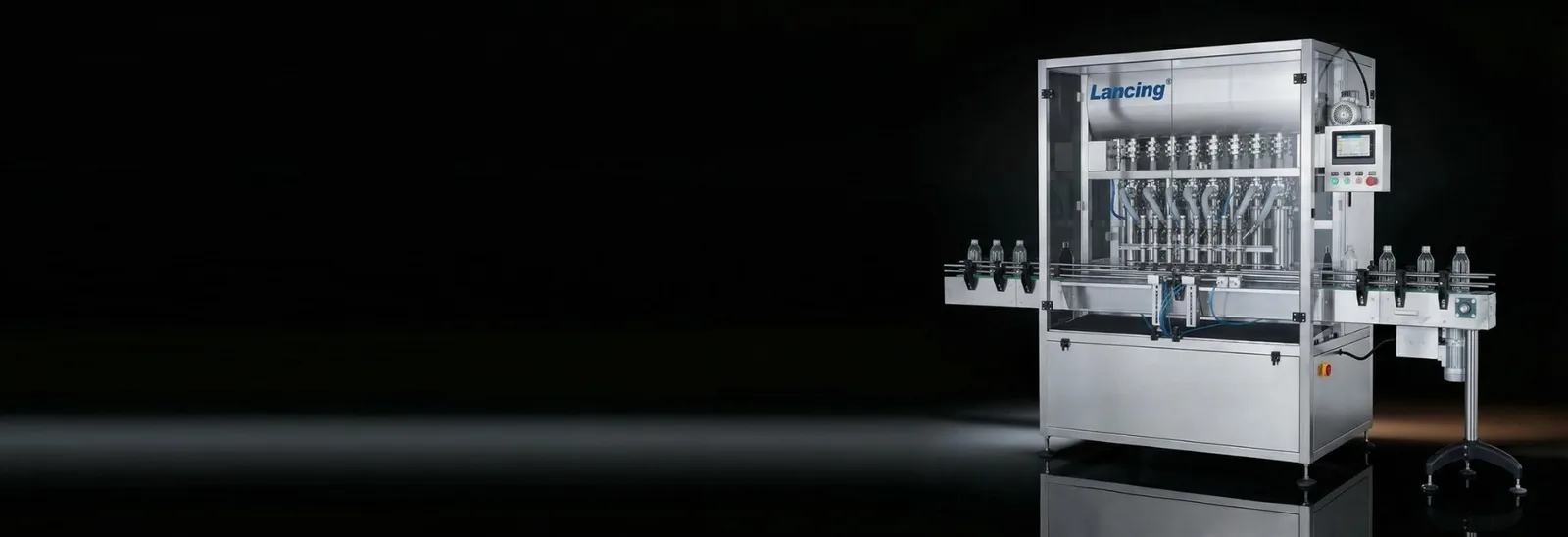
Liquids, pastes, powders, carbonated products, weight filling and sachet or VFFS applications.

Capping Machinery

Screw, pump, trigger, ROPP, crimp, crown, press-on, vacuum and T-cork capping solutions.

Labelling Machinery

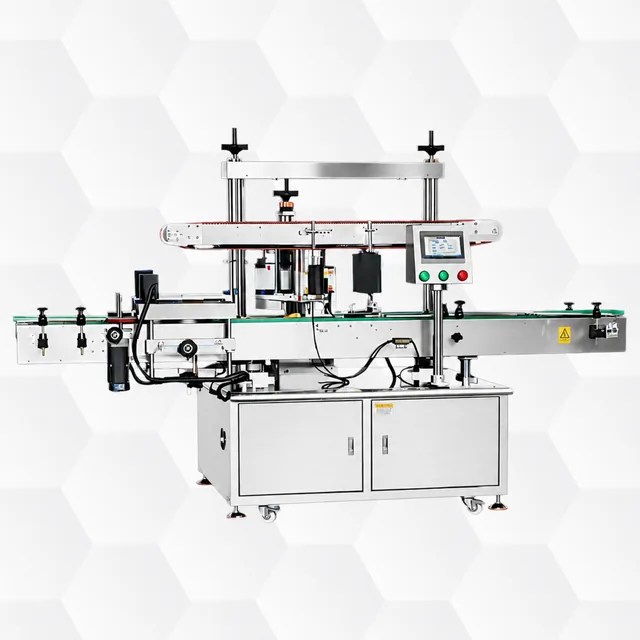
Round, flat, shaped container, top, side, wrap-around, sleeve and print/apply labelling.

Sealing & Packing

Induction sealing, foil sealing, band sealers, vacuum sealing, case tapers and packing equipment.

Rinsing & Feeding

Bottle rinsing, feeders, unscrambling, cap feeders, infeed and rotary outfeed equipment.

Conveyors & Lines

Conveyors, accumulation, compact lines, automatic lines and complete end-of-line automation.

Contact

Contact Us

Address

Unit 5A Jefferson Way
Thame, Oxfordshire OX9 3SZ

Packaging automation planning

Choosing machinery around the complete packing process

From single machines to joined-up packaging lines

Automation Machinery is structured around the way manufacturers normally specify packaging projects: product, container, closure, label, pack format, available space and operator workflow. A filling machine, capping machine or labelling machine can be supplied as a stand-alone unit, but the strongest projects usually consider feeding, conveying, guarding, coding, sealing, packing and service access at the same time.

For early enquiries, Lancing will usually need sample containers or packs, the product to be handled, target fill volume or pack size, closure or label details, available utilities, current manual process details and the planned output requirement. Where the application involves multiple operations, it is useful to separate the line into rinsing and feeding, filling, capping, labelling, sealing, conveying and end-of-line packing so that each stage can be specified without creating restrictions for the next.

Use the category pages below to compare the main equipment families, or use the packaging machinery selector to prepare a practical enquiry before sending samples or drawings.

Start with the process

Map the product path before choosing individual machines. This reduces changeover issues, conveyor mismatches, product handling problems and unsupported assumptions at quotation stage.

Define the packaging system before selecting individual machines

A practical engineering brief for packaging automation projects

Start with products, packs and interfaces

A useful packaging machinery specification begins with the items that must pass through the process. Product behaviour affects filling and cleaning; the container controls how it can be fed, supported and conveyed; the closure determines cap presentation and tightening; and the label, film or seal sets the handling required after the container has been closed. Defining those interfaces first makes it easier to choose the correct automation level without forcing one machine to compensate for an unsuitable upstream or downstream stage.

The project brief should record every format that is expected at launch, together with likely future formats. For each one, identify the product-contact materials, container dimensions and stability, closure or seal, label position, coding requirement and finished-pack route. It is also useful to document the current manual method, the reason for automating it and the checks that operators already make. This separates genuine production requirements from assumptions based only on a catalogue speed or a photograph.

Define the transfer points

Joined-up packaging automation depends on controlled transfer between operations. Bottle spacing, conveyor height, guide-rail position, accumulation, sensor locations, reject handling and emergency-stop interfaces should be considered alongside the filling, capping and labelling functions. Where containers are light, unstable, tapered or easily marked, the transfer method can be as important as the principal machine. The same applies to powders that dust, liquids that foam, closures that need orientation and labels that require a clean, dry surface.

Use the packaging machinery selector to structure the first enquiry, review the machinery catalogue by process stage and include installation, commissioning and support in the project scope. Projects centred on a complete multi-machine line can also be reviewed against the dedicated planning information at Packaging Lines UK, while this site remains the broad catalogue and machinery-selection resource.

Information for a useful first review

  • Representative product, container, closure, label or film samples.
  • Current batch method, operator tasks and changeover sequence.
  • Required checks for fill, closure, label, code and finished pack.
  • Available footprint, access, power, compressed air and extraction.
  • Equipment that must remain in the line and its interface details.
  • Acceptance criteria that can be observed during a sample trial.

Explore packaging automation by project, industry and pack format

New technical routes for buyers preparing a machinery enquiry

The machinery catalogue can now be approached in three additional ways. The packaging automation guides explain specification, automation level, integration, trials, site preparation, cost factors and lifecycle support. The industry pages focus on food and beverage, cosmetics, chemical and household products, and contract packing. The application pages connect bottles, jars, tubs, pouches, powders and granules to the relevant machinery stages.

These routes help production and engineering teams prepare evidence before selecting a model. They do not replace an application review: real product and packaging samples, site information and measurable acceptance criteria remain the basis for confirming suitability.

If the machine type is clear, use the product categories. If the production problem is broader, use the machine selector or technical guides to define the complete process before requesting a quotation.

Fastest route to a useful enquiry

  • Choose the product and pack format
  • List process stages and operator tasks
  • Identify difficult or variable formats
  • Define finished-pack checks
  • Provide site layout and utilities
  • Send representative samples

Questions buyers ask before automating a packaging process

Direct answers to the decisions that shape a practical filling, capping, labelling, sealing or conveying project.

Where should a packaging automation project start?

A packaging automation project should start with the product, every pack format and the required finished-pack checks—not with a machine model. Define the current method, expected campaign pattern, acceptable manual tasks, target output, available space and utilities before comparing equipment.

Plan the layout and information set

Can filling, capping and labelling machinery be specified as one line?

Filling, capping and labelling machinery can be specified as one line when the container, closure, label and control interfaces are considered together. The practical line output is governed by the slowest sustainable operation, transfer stability and the response to stops—not simply the headline speed of one machine.

Understand line output and bottlenecks

What samples are needed before machinery can be confirmed?

Representative production product, containers, closures, labels, films or pouches are normally needed because dimensions alone do not show flexibility, surface behaviour, foaming, flow, cap engagement or sealing response. Include difficult and supplier-tolerance variants rather than only ideal samples.

Prepare a sample trial and acceptance plan

How can a buyer compare packaging machinery proposals fairly?

Compare proposals against one written requirement set covering scope boundaries, formats, interfaces, utilities, guarding, documentation, testing, training and acceptance evidence. A lower machine price may exclude feeders, conveyors, coding, change parts or site work that another proposal includes.

Use the quotation comparison framework