
Granule & Powder
Browse granule & powder machines.
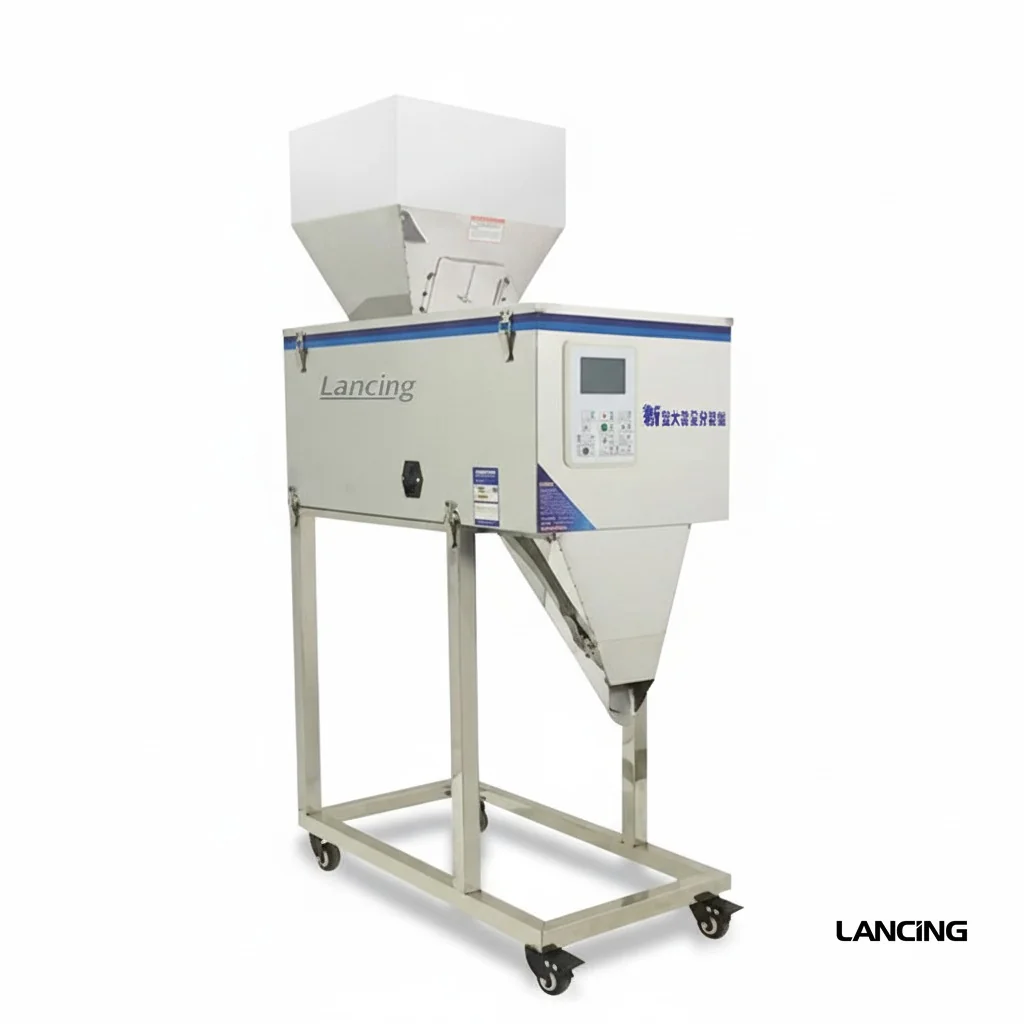
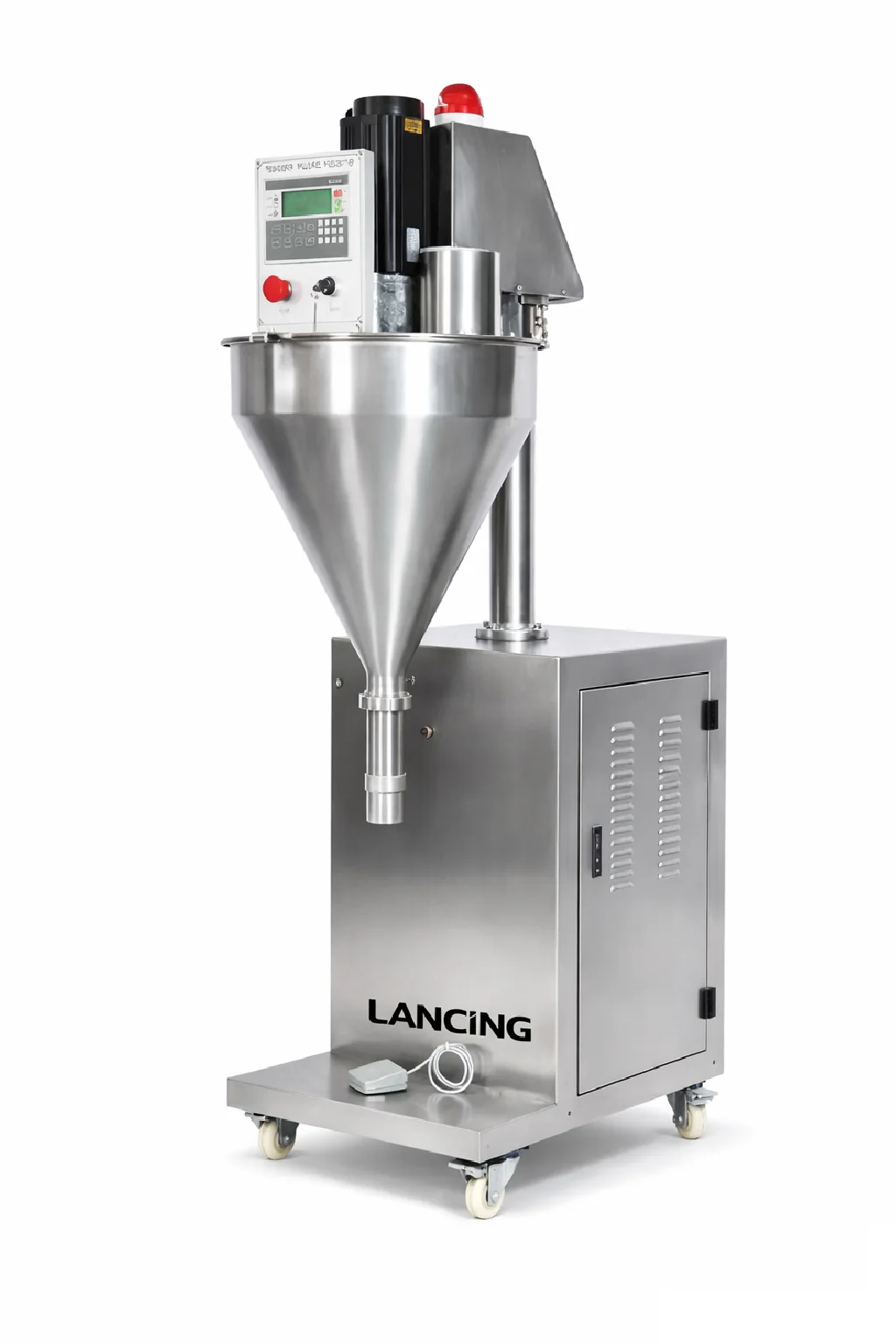
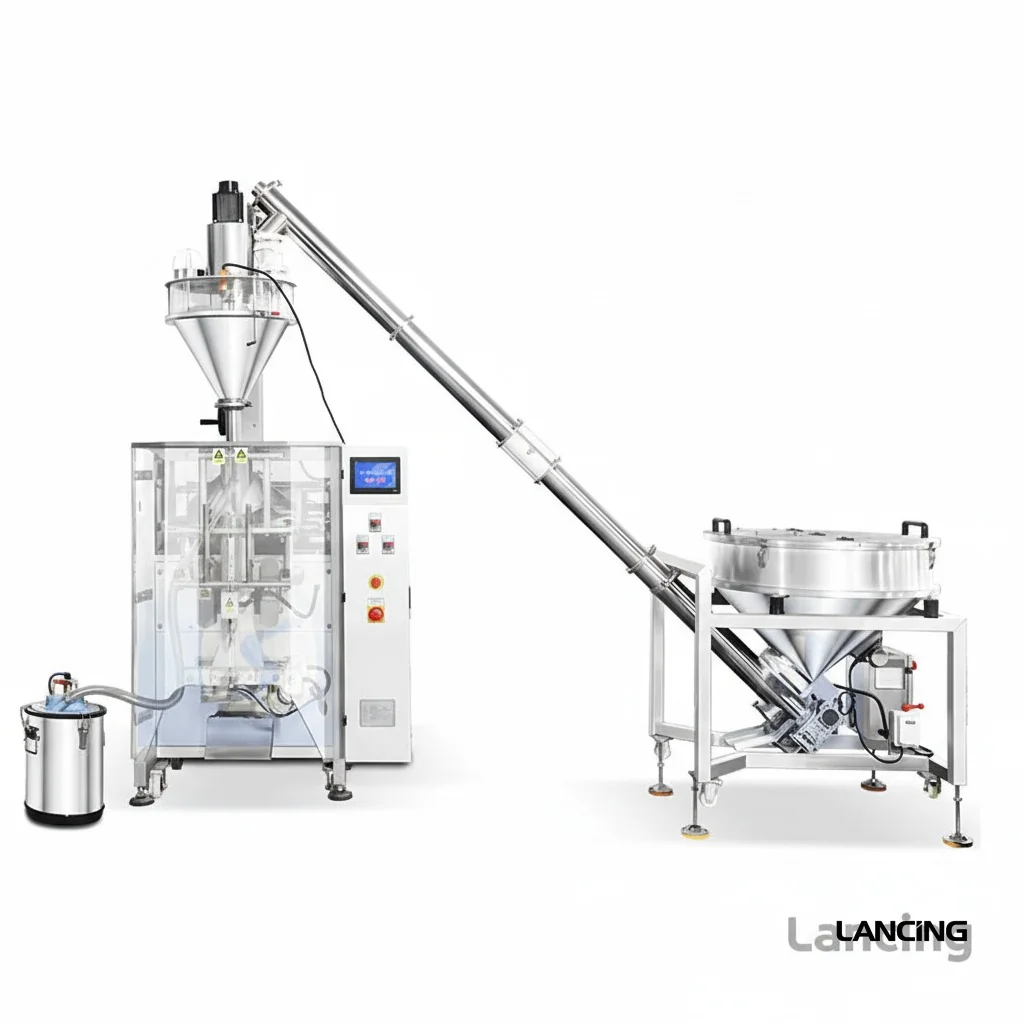
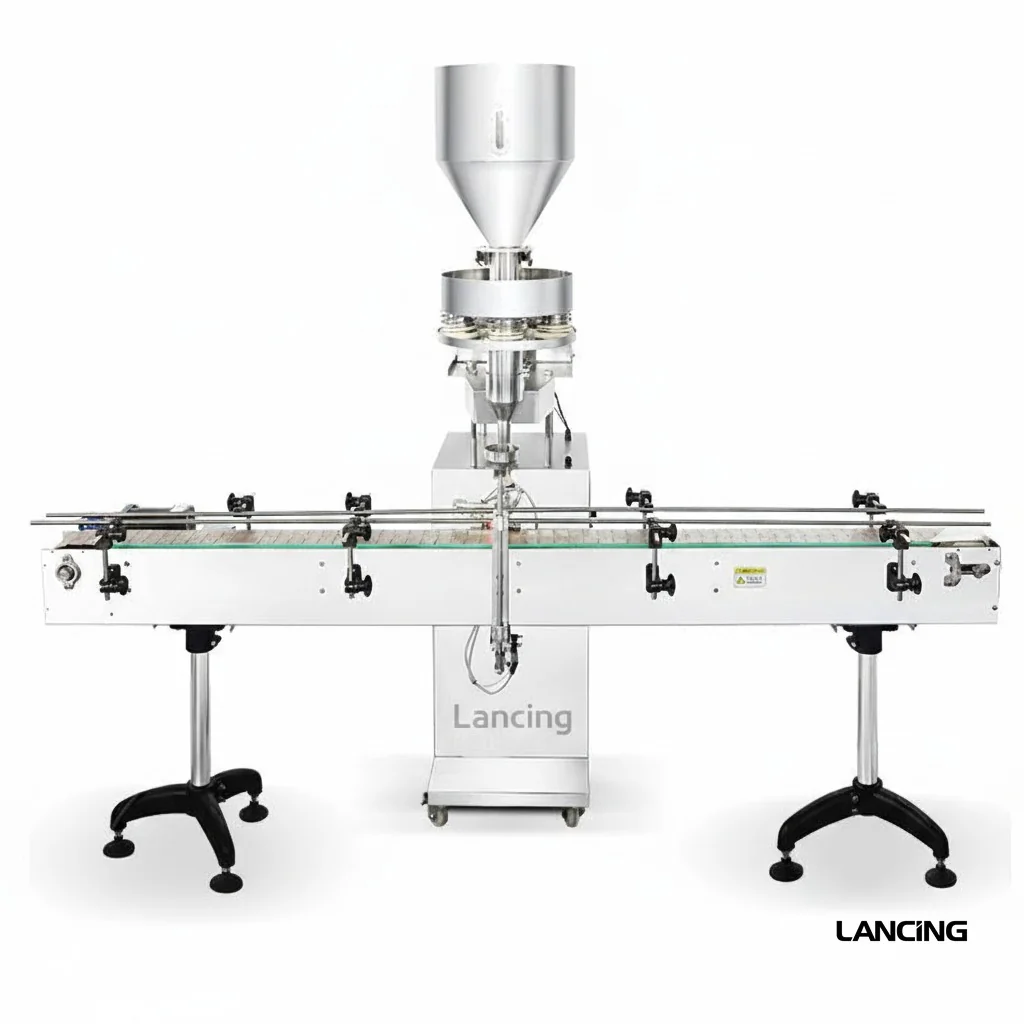
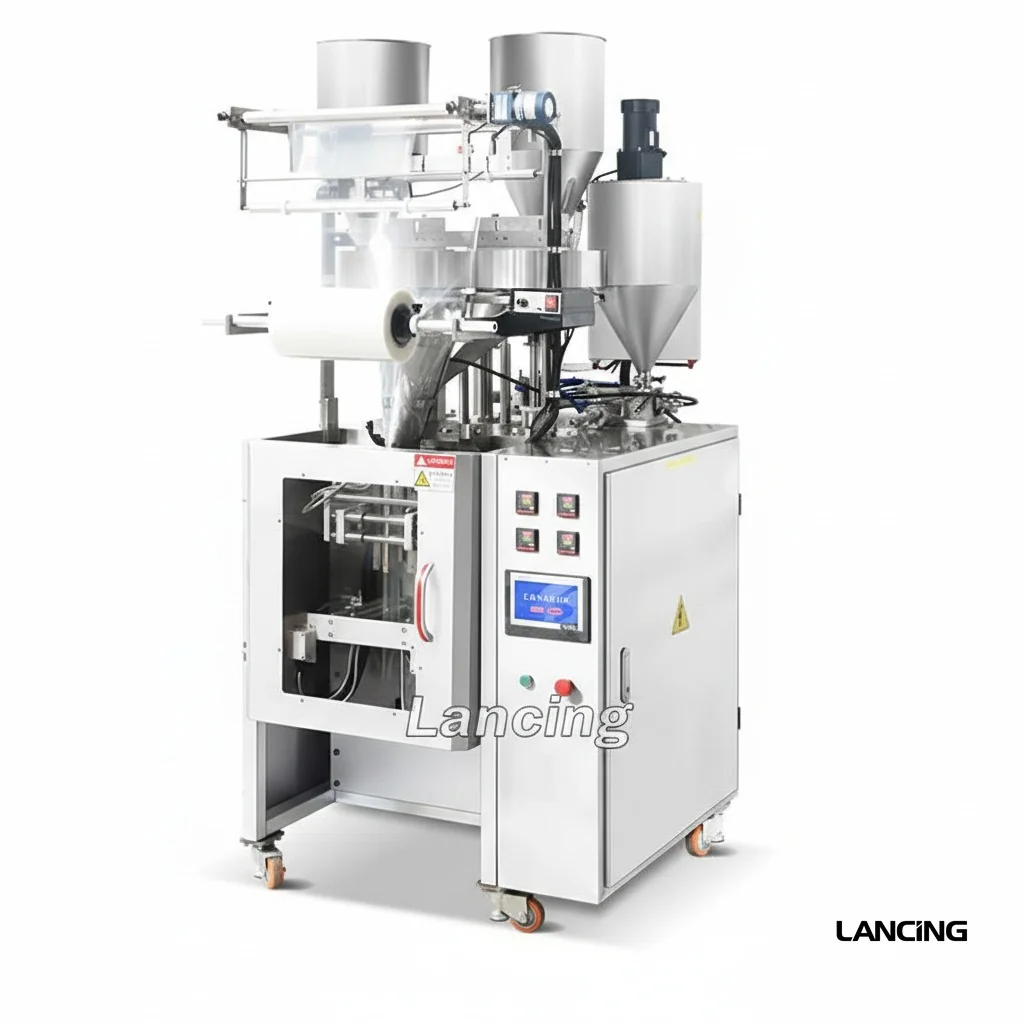
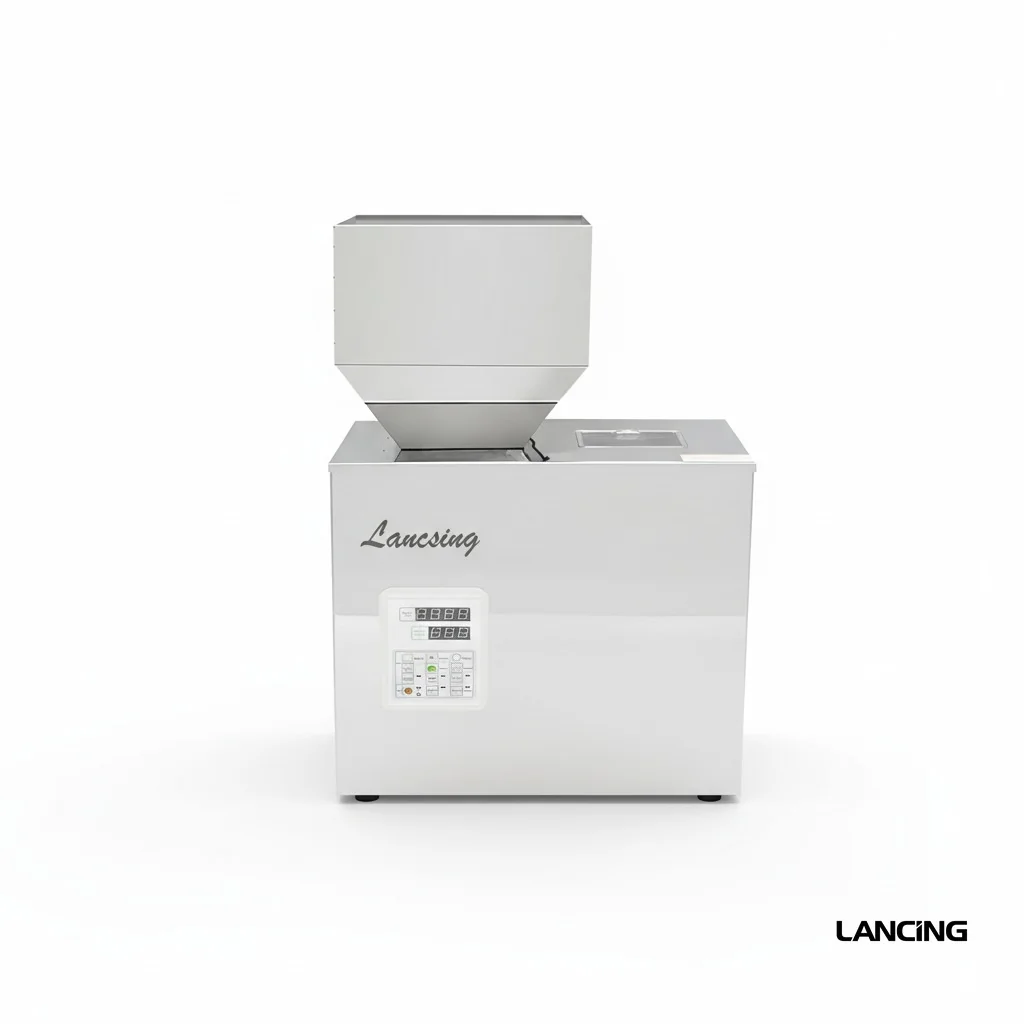
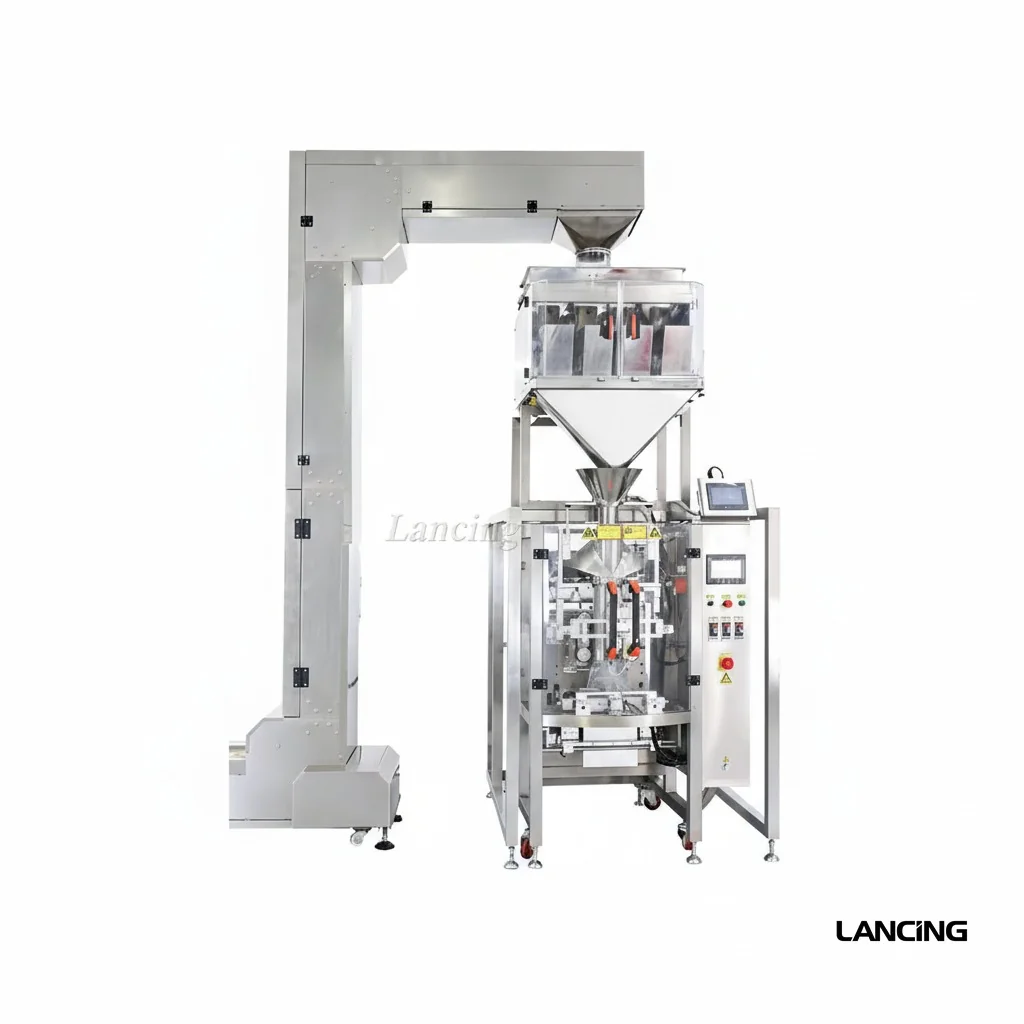
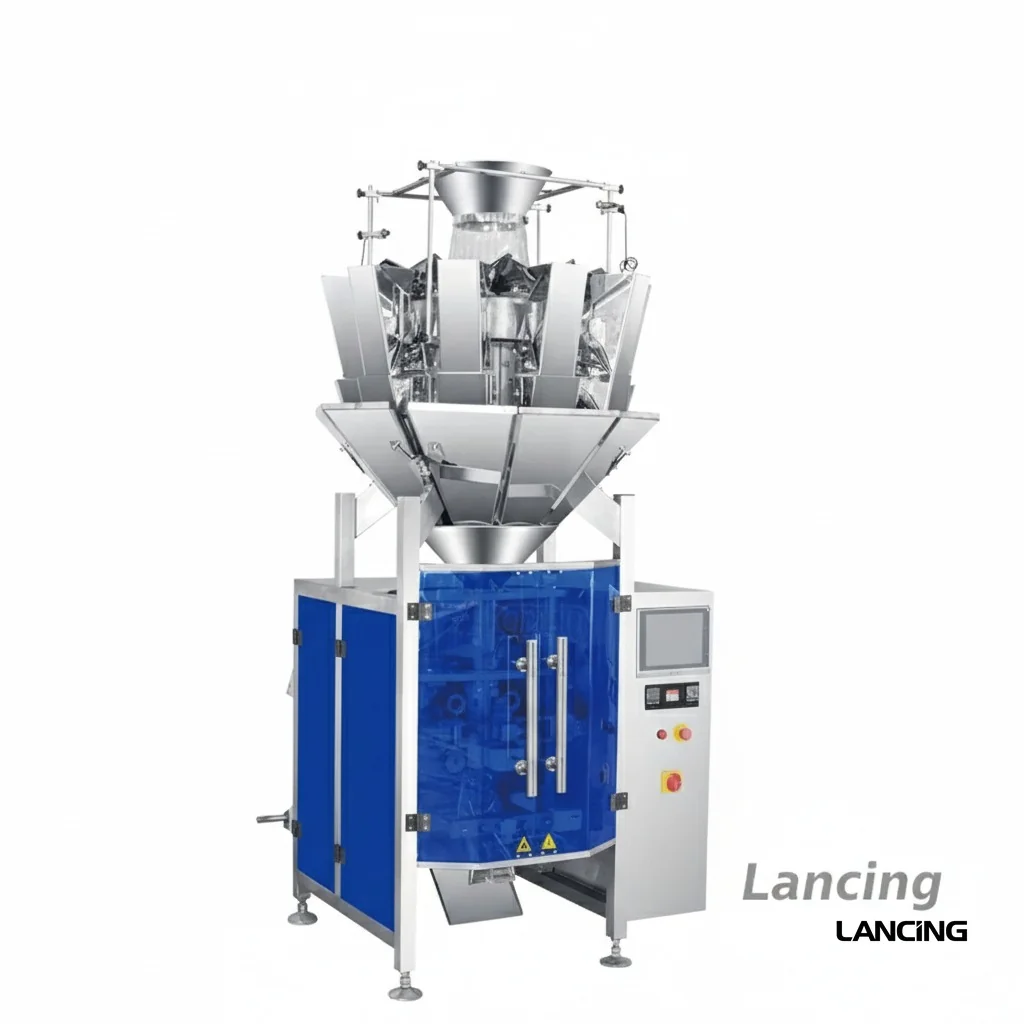
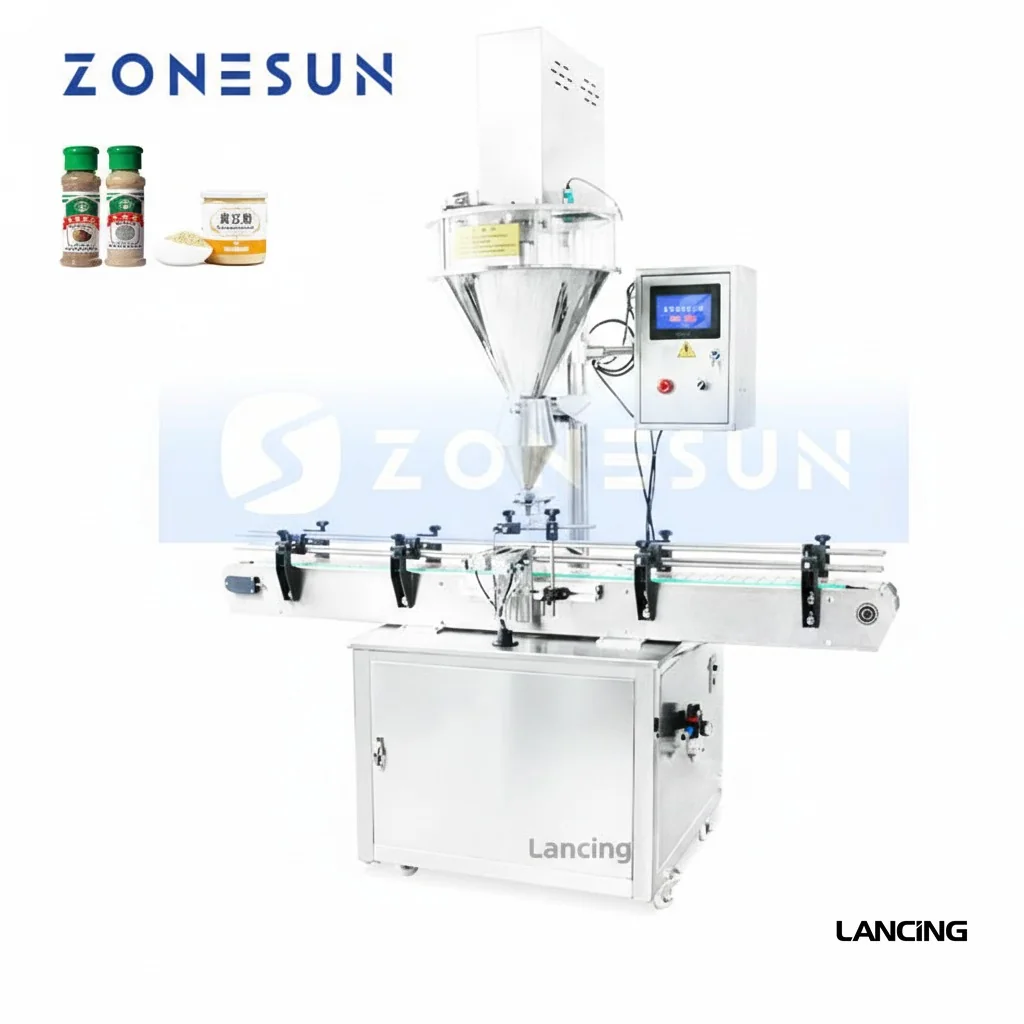
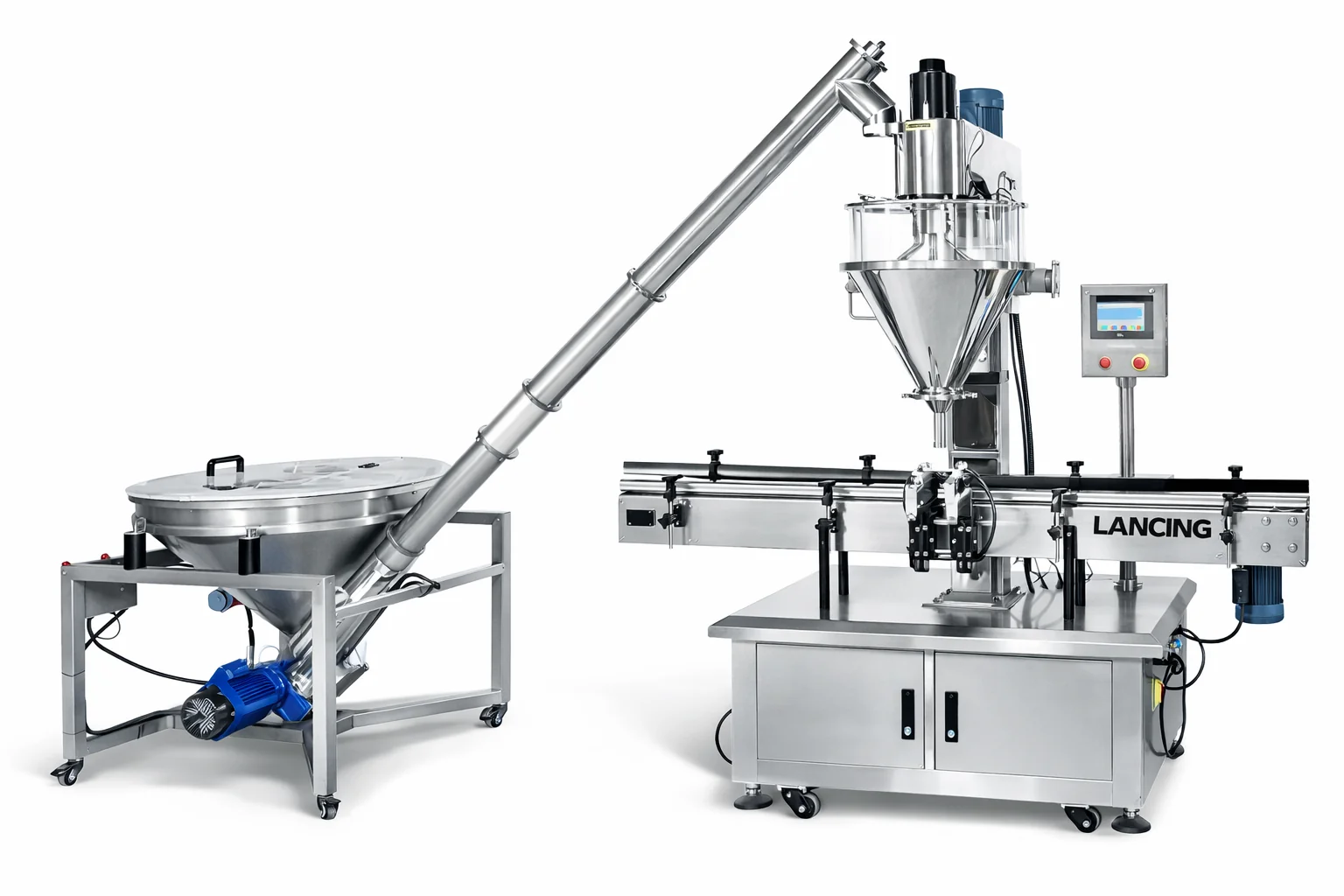
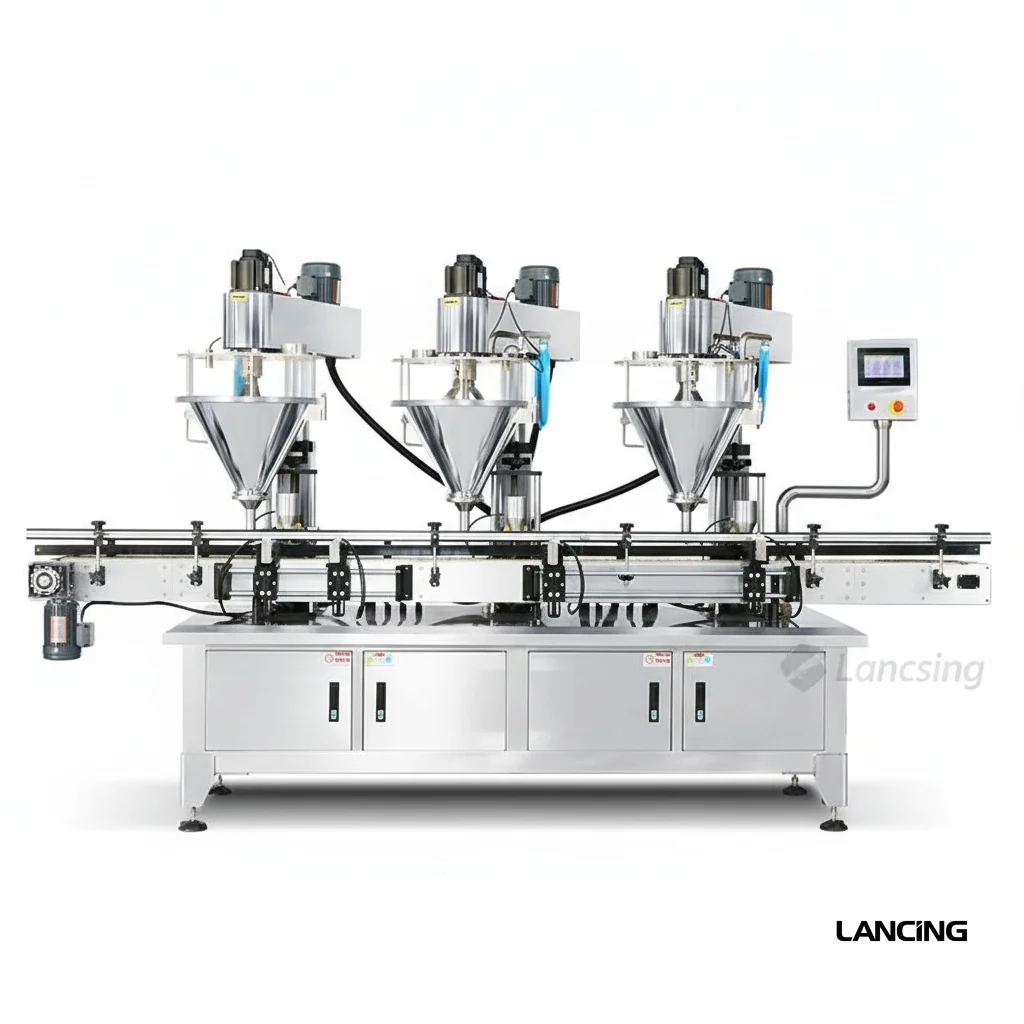
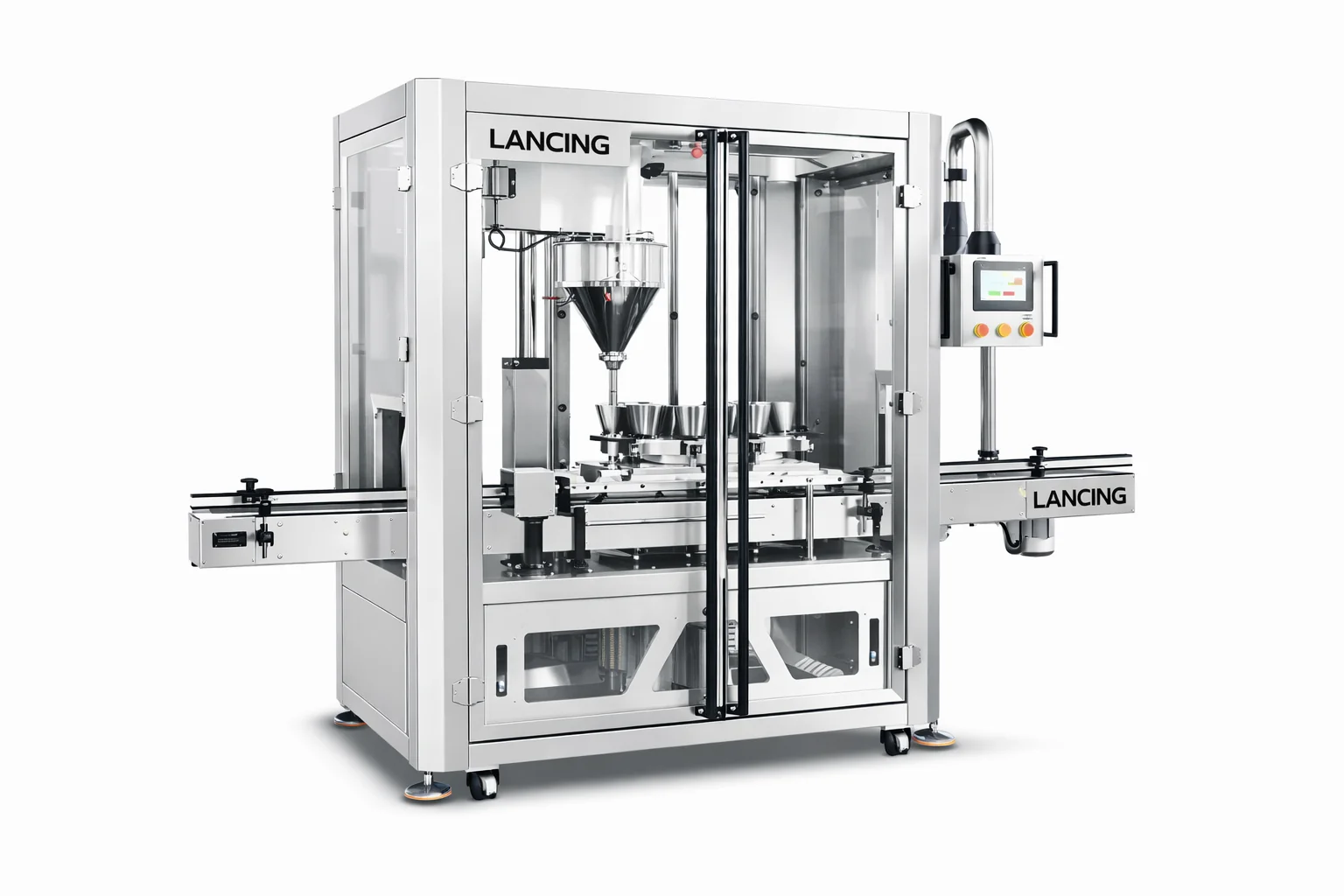
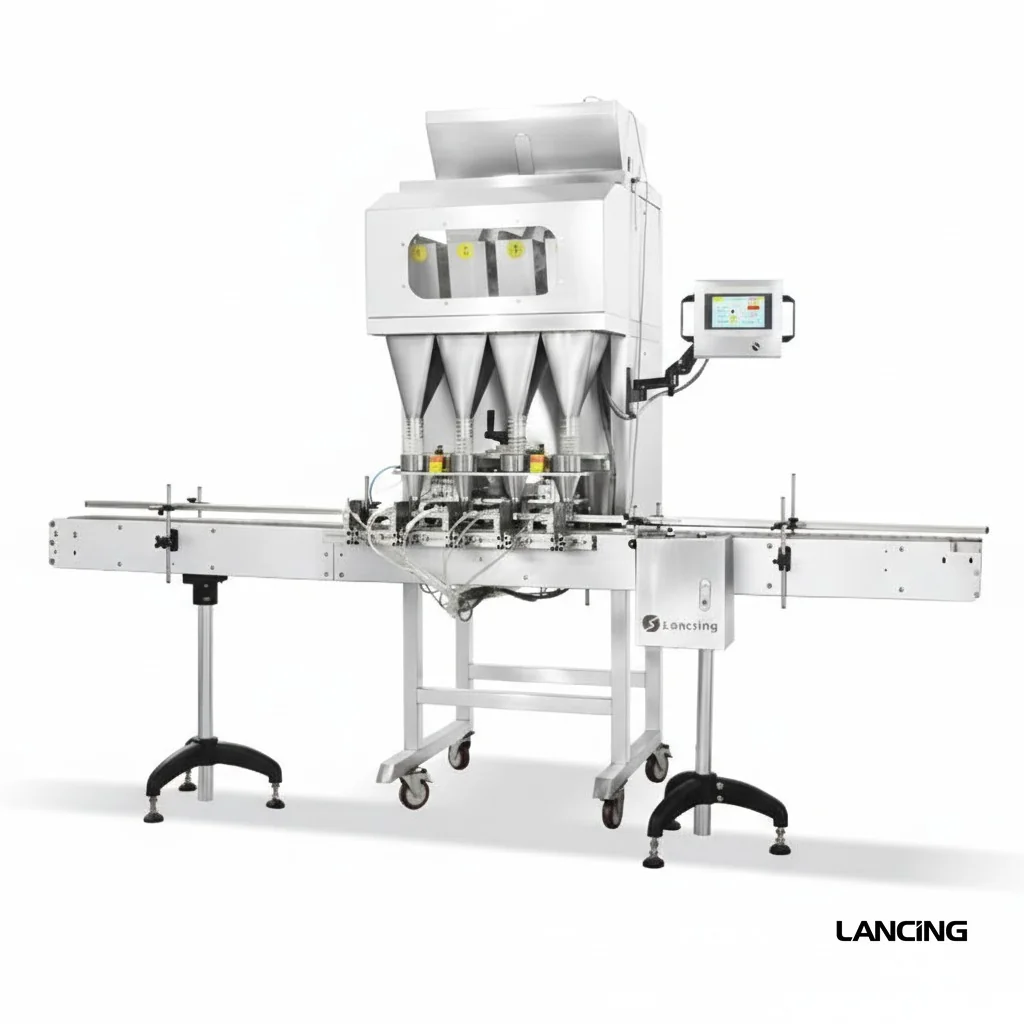
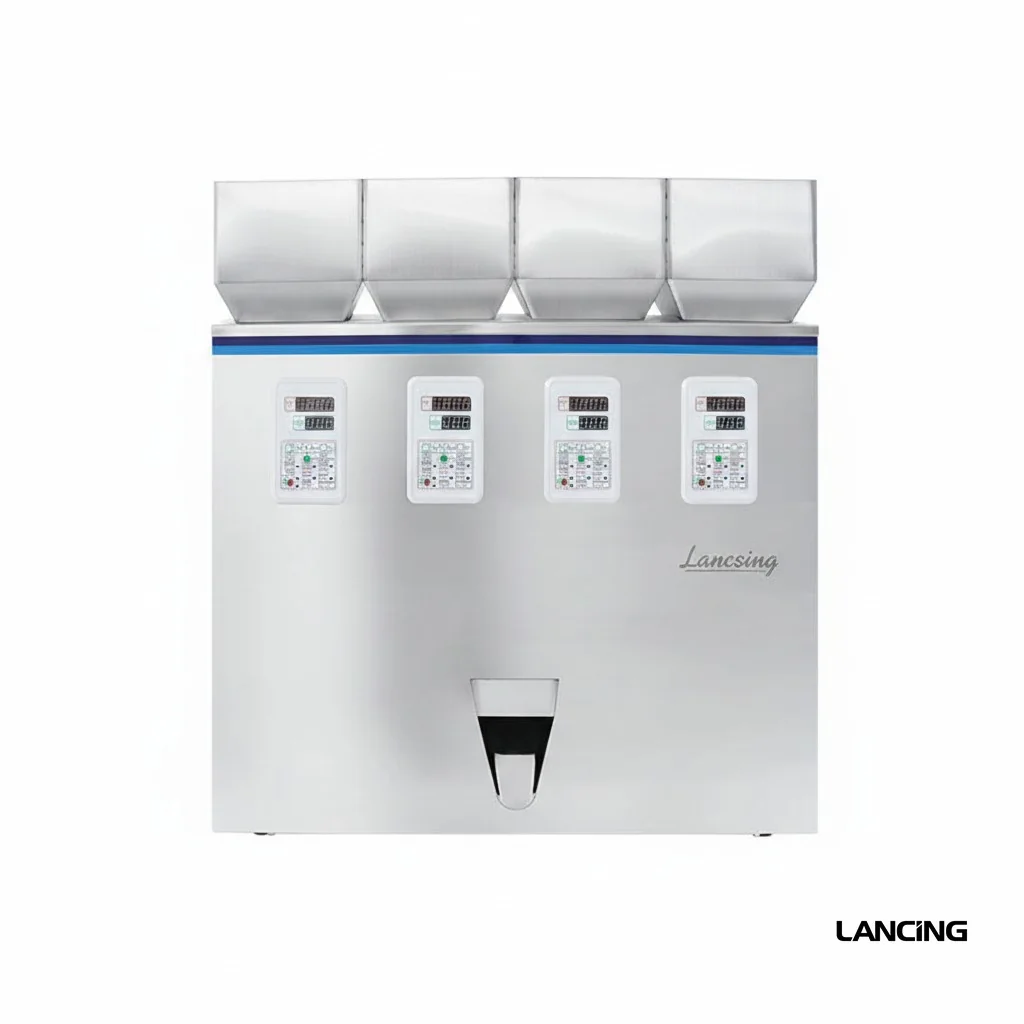
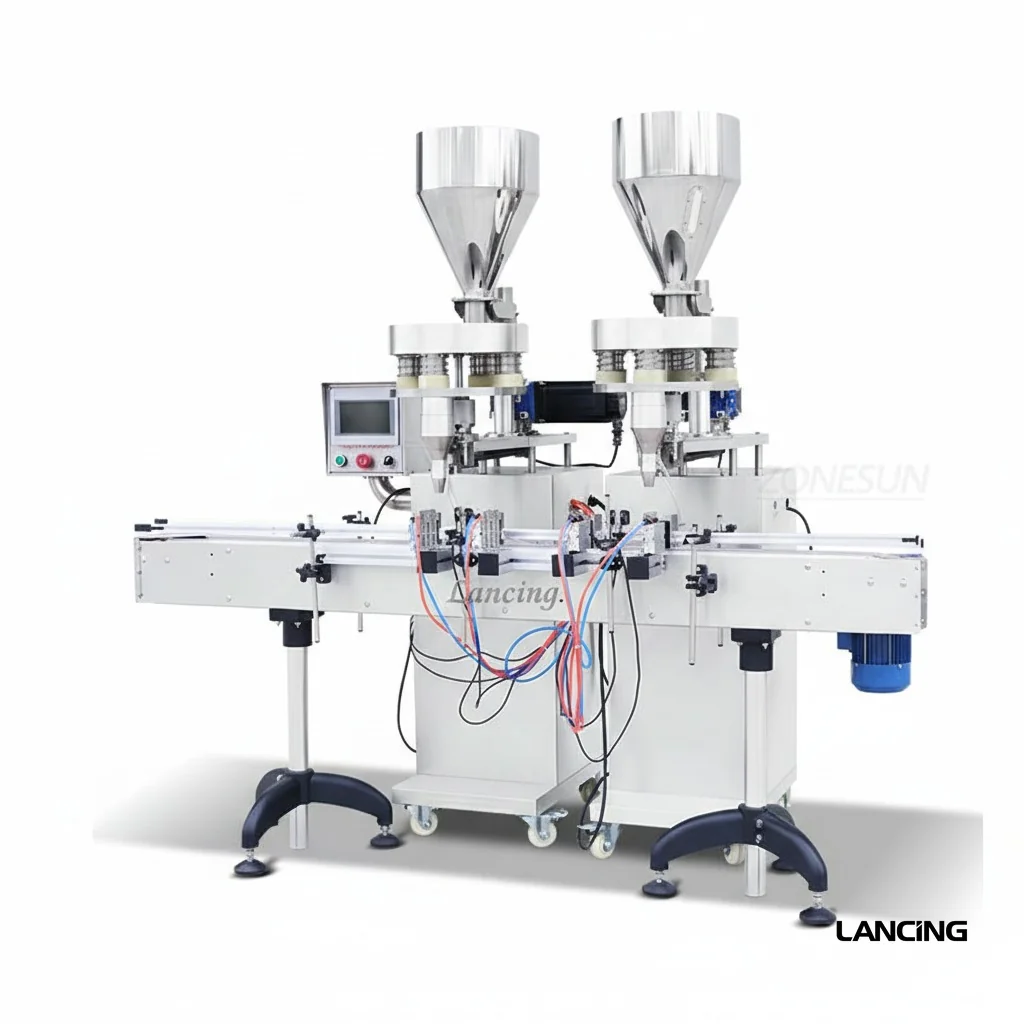
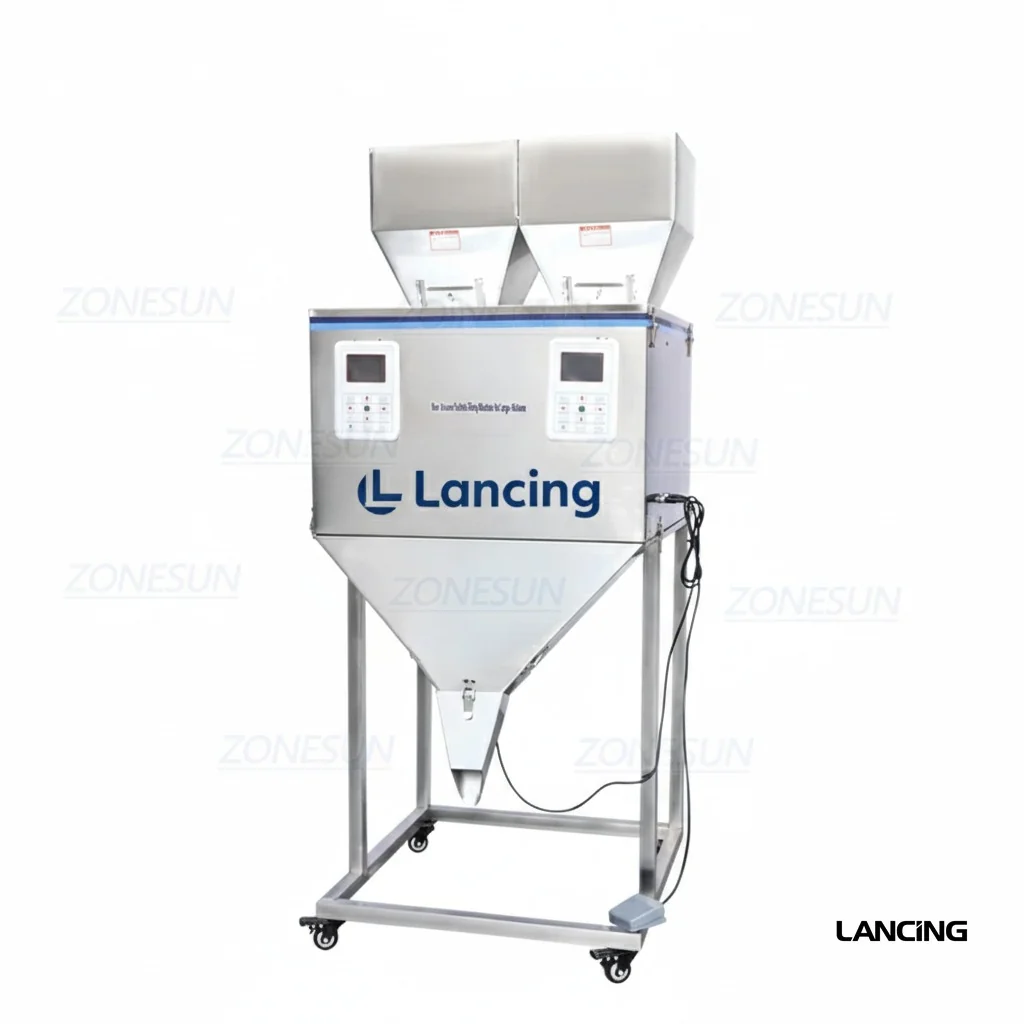
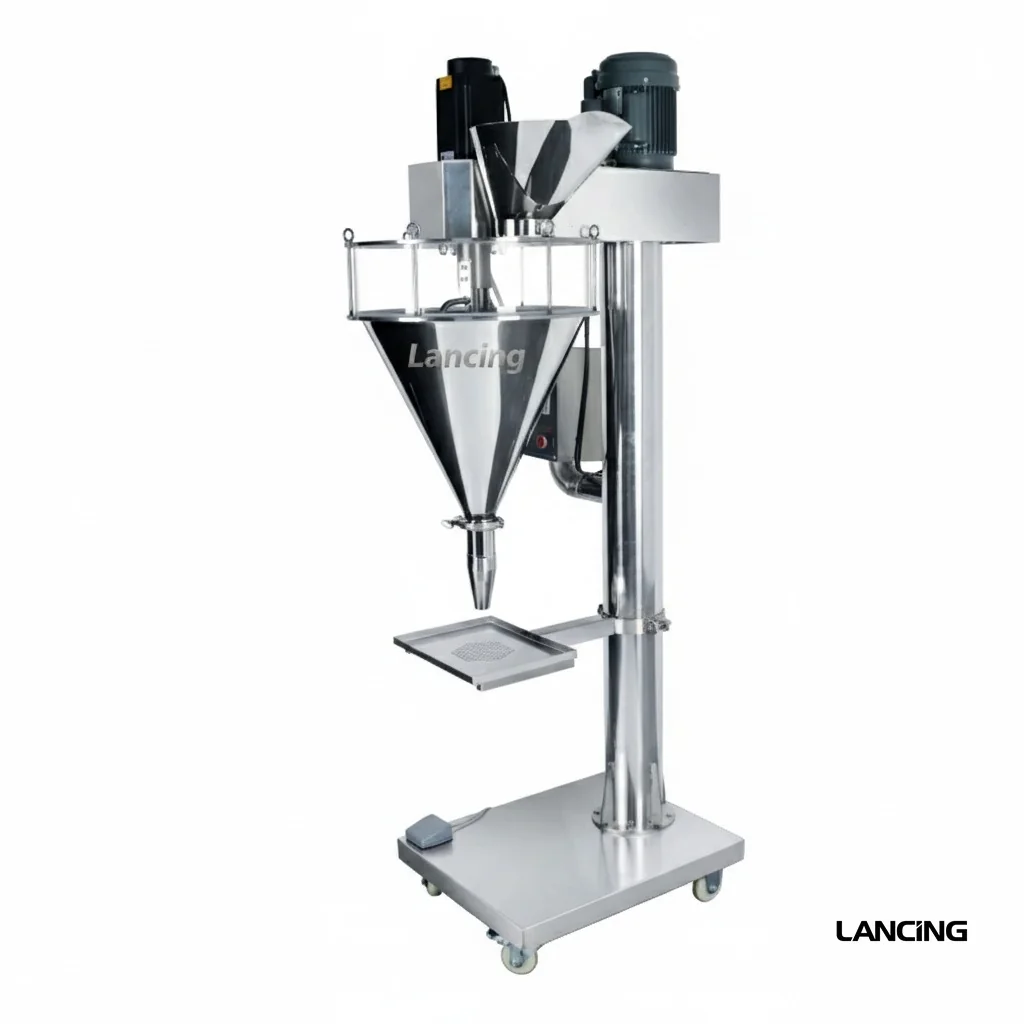
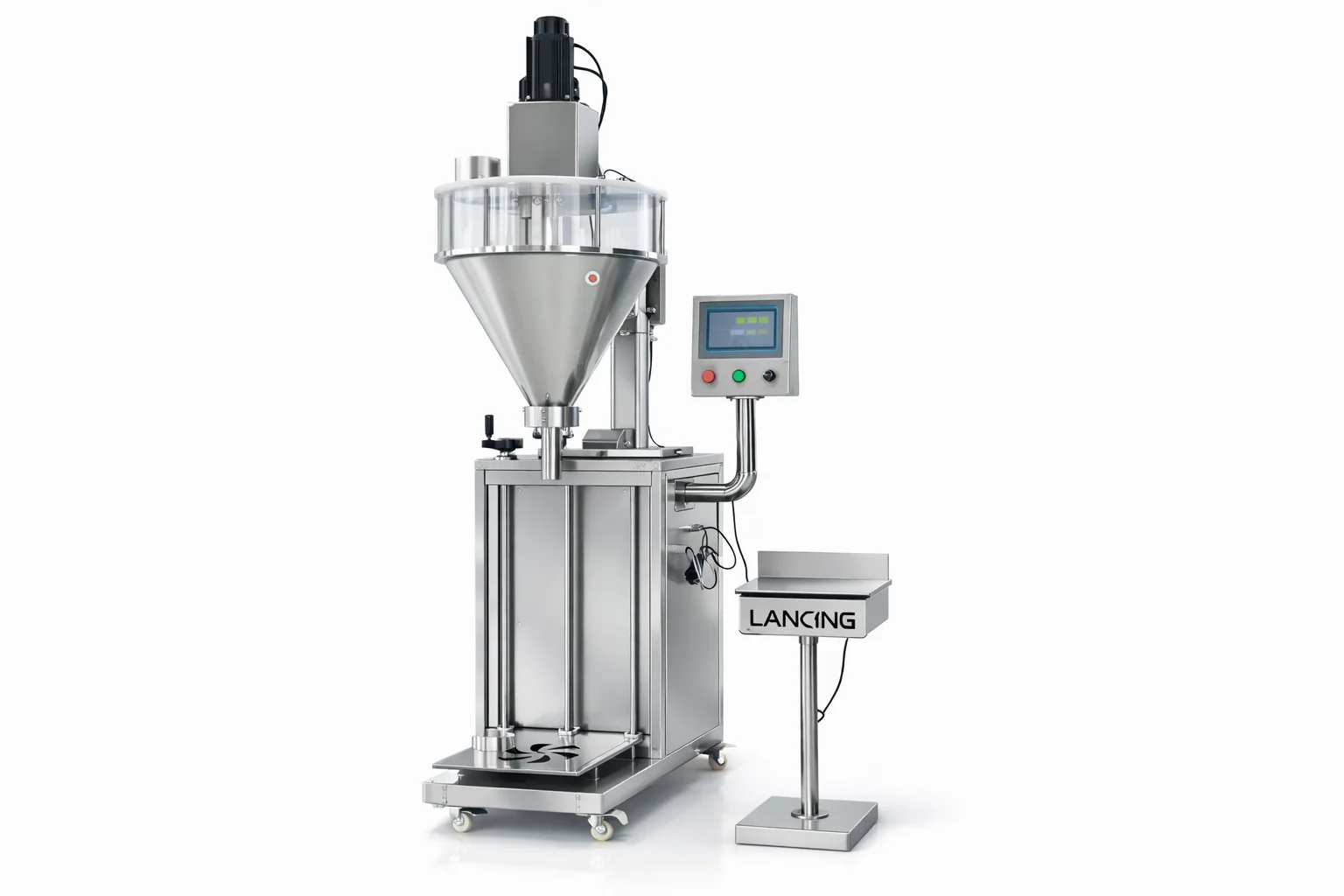
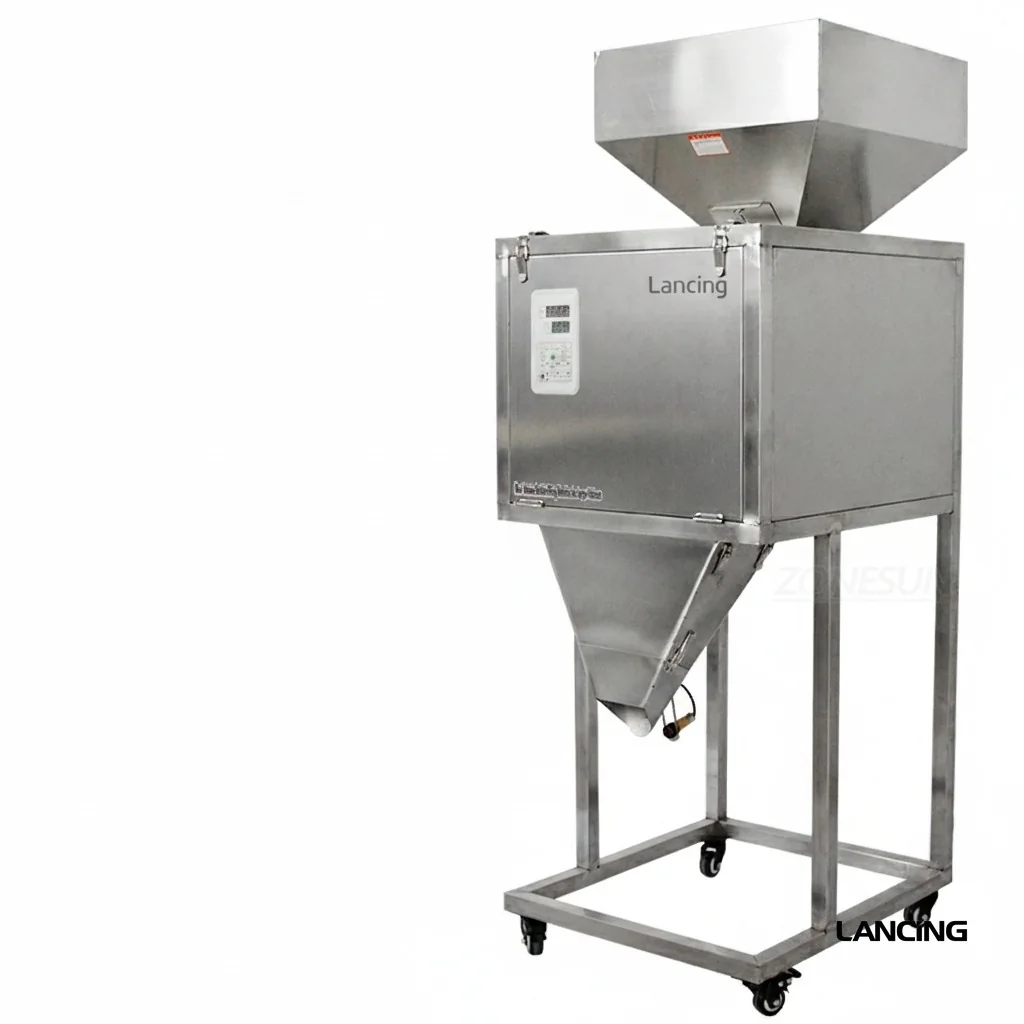
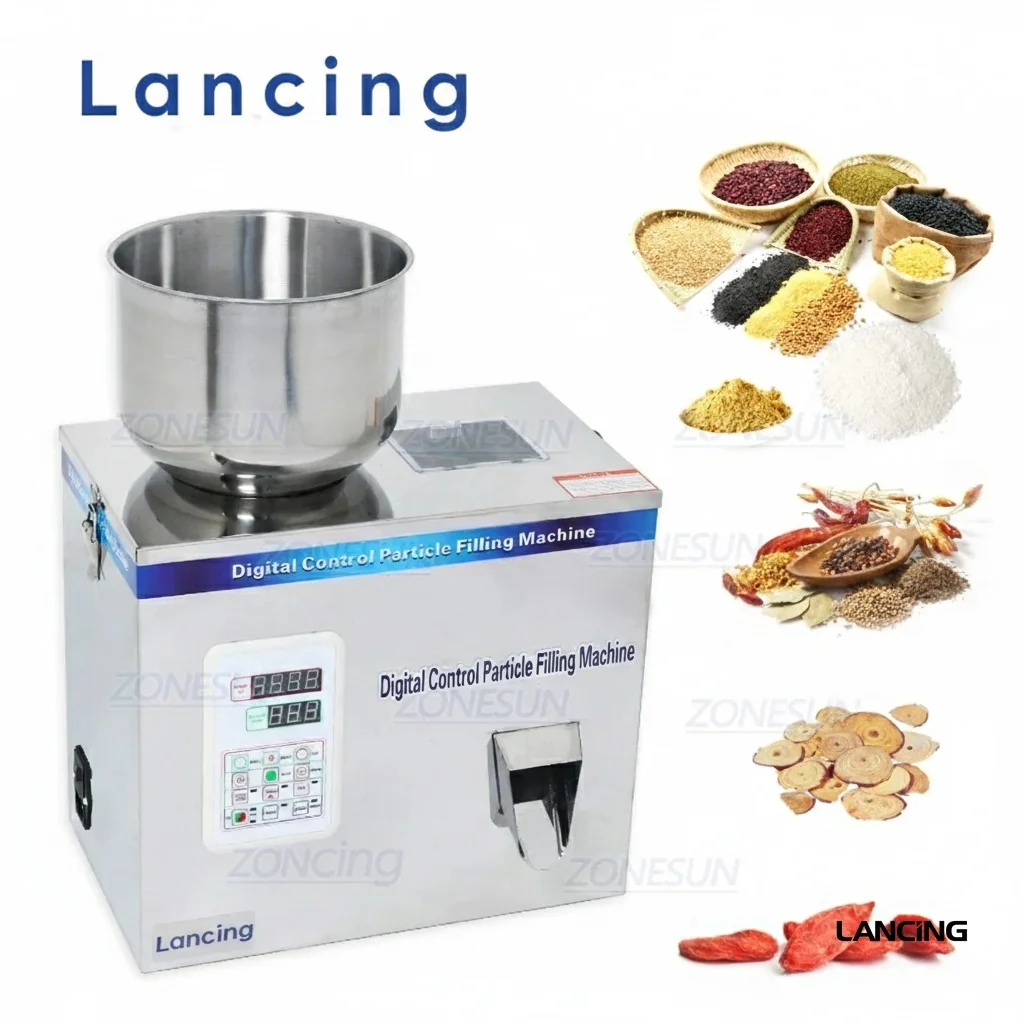
Powder and granule filling project notes
Flow behaviour, dosing method and dust control
Selection and compatibility guidance
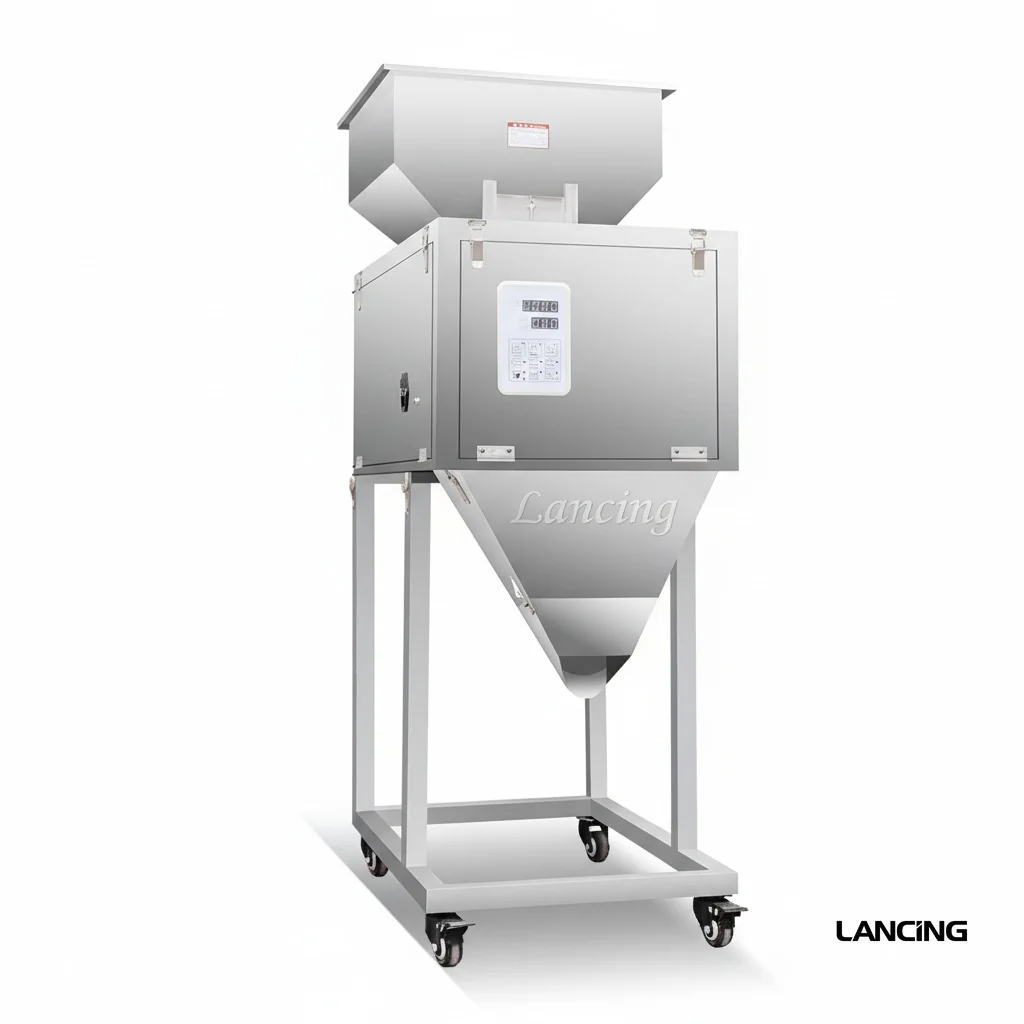
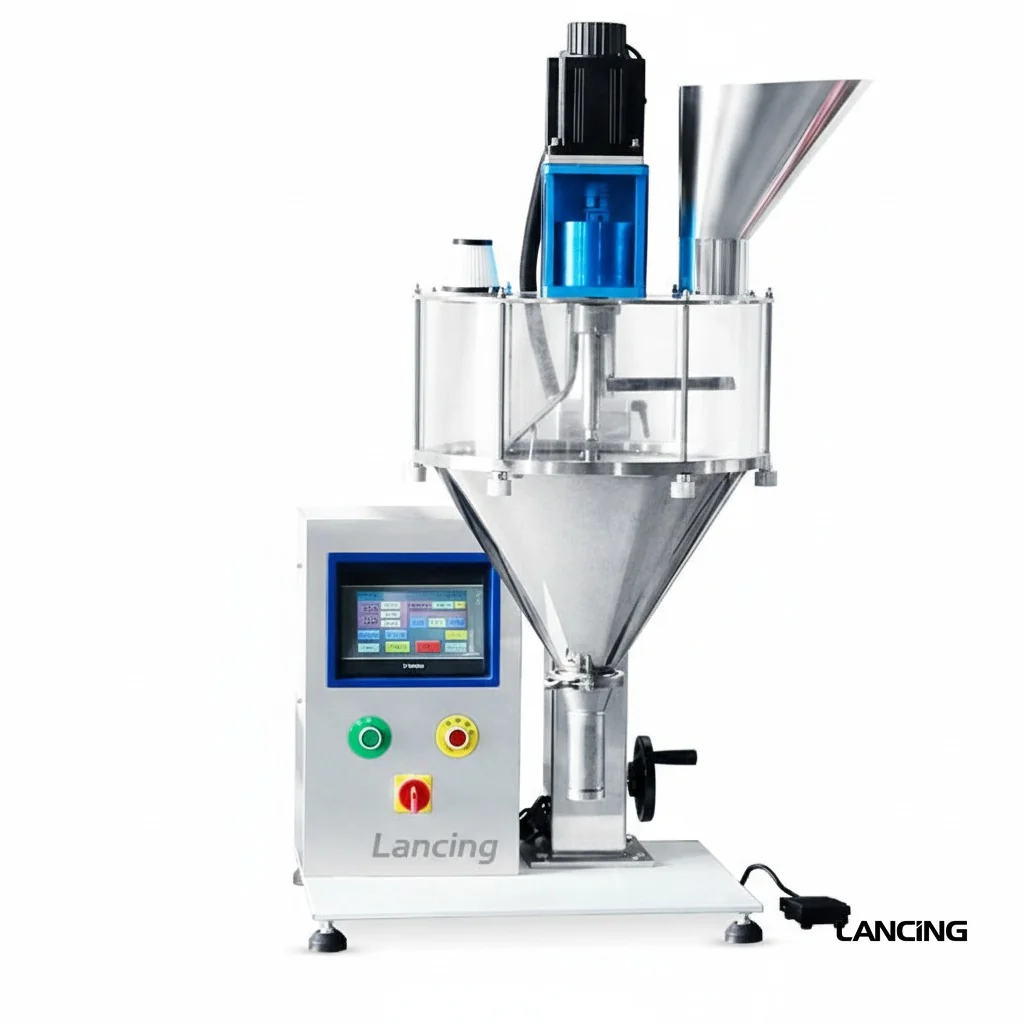
Powder and granule filling depends on the product flow characteristics. Bridging, dusting, compaction, segregation, fragile inclusions and bulk-density variation can all affect repeatability. Auger, weigh-filling, vibratory and volumetric approaches suit different materials, so real samples are important where the product behaviour is uncertain.
Provide the product, target weight range, pack or container, dust-control requirement, cleaning routine and any preference for semi-automatic or automatic operation. If several products use the same machine, list the lightest, heaviest, finest, most abrasive and least free-flowing materials because these usually define the practical limits.
Before requesting a quotation
Confirm the production environment, changeover frequency, cleaning method, operator access requirements and whether the machine will operate stand-alone or as part of a wider packaging line. Where the application is close to a machine limit, Lancing may need to review samples before confirming the best equipment route.
Useful samples
Send the product, container or pack, closure, label or film where relevant, plus photographs of the current process and details of available space and utilities.
Powder and granule application planning
Choose dosing from flow, density, dust, fragility and pack closure
The powder and granule application guide compares auger, weigh, volumetric and vibratory routes and explains the evidence needed for trials.
Pack format is part of the decision. Bottles and jars need controlled neck entry and clean closures, while pouches and bags need headspace and protection of the seal area. Dust, static and density variation should be assessed through a representative refill.
Provide enough product to observe hopper behaviour, cut-off, end-of-batch conditions and cleaning rather than only a few isolated doses.
Powder/granule evidence
- Flowability and bulk-density range
- Particle size, dust and static
- Fragility or segregation risk
- Target weight or volume range
- Container or pouch opening
- Closure or seal cleanliness
- Extraction and cleaning