
Pouch and bag filling and sealing machinery
Match the dosing and sealing route to the product, pouch construction and production method.
Plan the application before selecting equipment
Pouches and bags can be supplied premade or formed from film. Premade pouches need reliable feeding, opening, support and transfer. Form-fill-seal creates the pack as part of the cycle, so film tracking, forming, dosing timing and seal conditions are closely linked.
Powders and granules differ in flow, density, dust and fragility; liquids and pastes differ in viscosity, foaming, stringing and seal-contamination risk. The filler must work with the opening and leave controlled headspace.
The seal is a material process. Film structure, coating, thickness, contamination, temperature, pressure, dwell and cooling affect the result. Production materials and an accepted test are required.
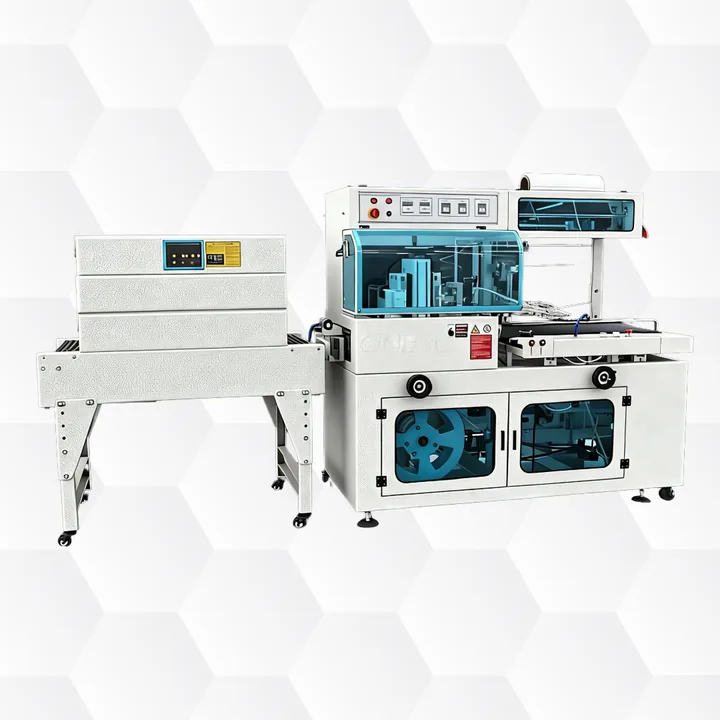
Information to prepare
- Product and handling information
- Premade pouch or film specification
- Minimum and maximum fill or pack size
- Seal area and headspace requirement
- Zipper, spout, gusset or valve features
- Coding and date-mark position
- Finished-pouch seal check
- Manual or automatic feeding
Application decision matrix
Use the real product, pack and site conditions when completing the review.
| Process stage | Selection variables | Acceptance evidence |
|---|---|---|
| Pack presentation | Feeding, opening, gripping, gusset control or film forming. | Repeated presentation without double feed or damage. |
| Dosing | Flow, dust, viscosity, particulates, product fall and cut-off. | Fill result using actual product. |
| Seal-area control | Headspace, splash, dust, static and support. | Clean seal area before sealing. |
| Sealing | Film compatibility, temperature, pressure, dwell and cooling. | Customer-approved integrity check. |
| Coding and inspection | Print surface, trigger, data, readability and reject. | Legible code and controlled response. |
| Outfeed | Hot-seal handling, shape, accumulation and case packing. | Finished pouches remain sealed downstream. |
Choose premade or form-fill-seal from total operation
Premade pouches support flexible pack features but require handling. Form-fill-seal integrates forming but ties the process to film web and forming set.
Control product before the seal
Fine powders can dust, granules can become trapped, and liquids can splash. Test drop path, timing, support and cut-off together.
Define an accepted seal test
Visual appearance may not confirm integrity. State the appropriate leak, peel, burst or other check for the product and pack.
Related planning routes
- VFFS machinery — Review form-fill-seal.
- Bag sealing — Review closure routes.
- Band sealing — Review conveyorised sealing.
- Powder fillers — Review dosing.
Buyer questions
Practical points to settle before machinery is selected
Can one pouch machine pack powders and liquids?
Some platforms can support more than one dosing route, but handling, cleaning and sealing may make separate configurations more practical.
Why are production pouches needed?
Stiffness, surface, sealant layer, zipper or spout, gusset and dimensional tolerance affect feeding and sealing.
What causes product in the seal area?
Drop height, cut-off, dust, splash, pouch movement, fill level and timing are common causes.
Should coding be tested too?
Yes when print position, film surface, movement or seal temperature could affect readability.
Prepare a machinery enquiry
Send the product, pack formats, current method, target result and site information so Lancing can review the most suitable next step.
Send project detailsReview the filled pack before fixing the machine sequence
A pouch brief should include the complete filled pack and the empty material. Record the intended shape, headspace and seal position, including any zipper, spout or gusset that affects handling. This helps the proposal connect the dosing step with reliable presentation at the closing step.
Describe how the pack is supported while filling and how it leaves the sealer. Include the interval before inspection or packing and any handling that contacts the fresh seal. The trial should retain examples from the complete sequence so seal appearance is not judged only at the machine exit.
- Material identity
- Keep film or premade-pouch supplier references associated with the tested product and fill quantity.
- Acceptance scope
- Agree the finished-pack checks and the downstream handling included in the trial.
Is a premade pouch and a form-fill-seal bag the same machinery requirement?
No. Identify how the pack is supplied and formed so the proposal includes the correct presentation, dosing and sealing operations.