
Hot Melt
Browse hot melt machines.
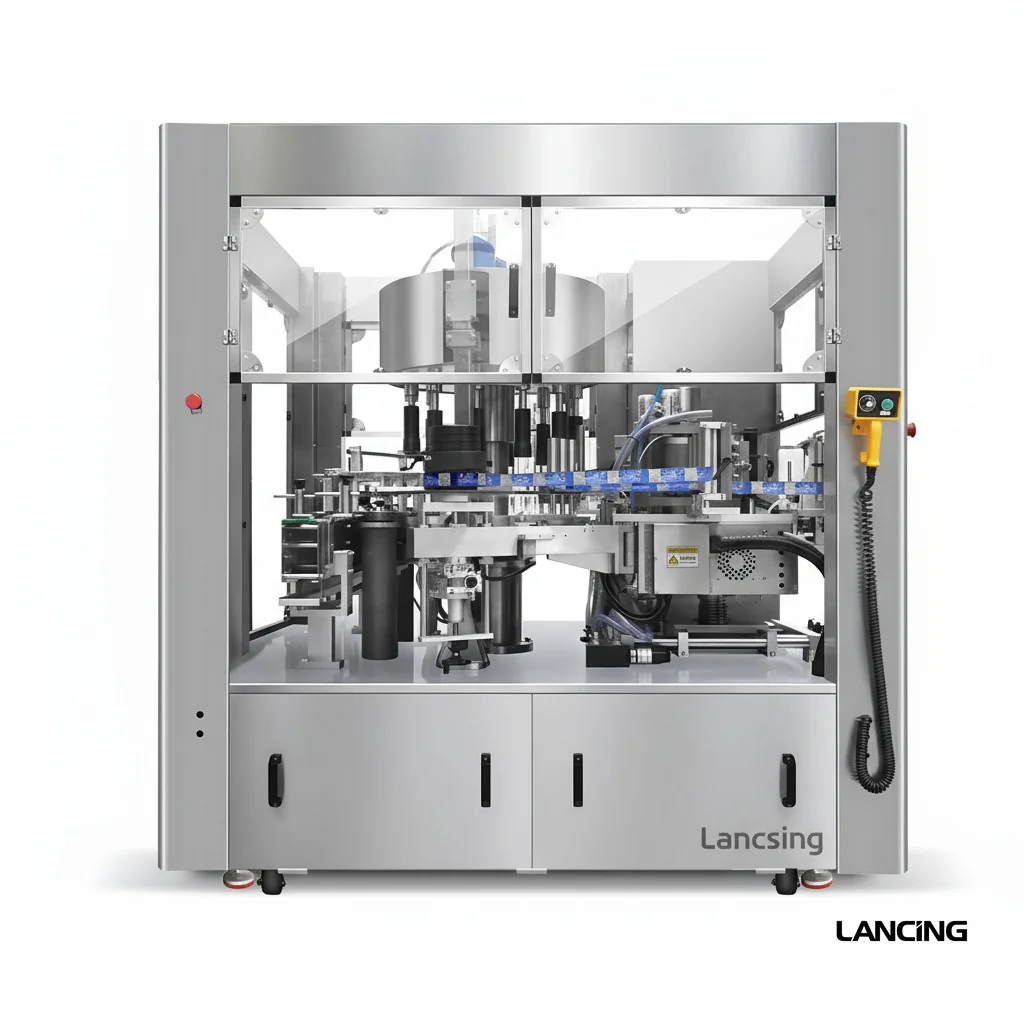
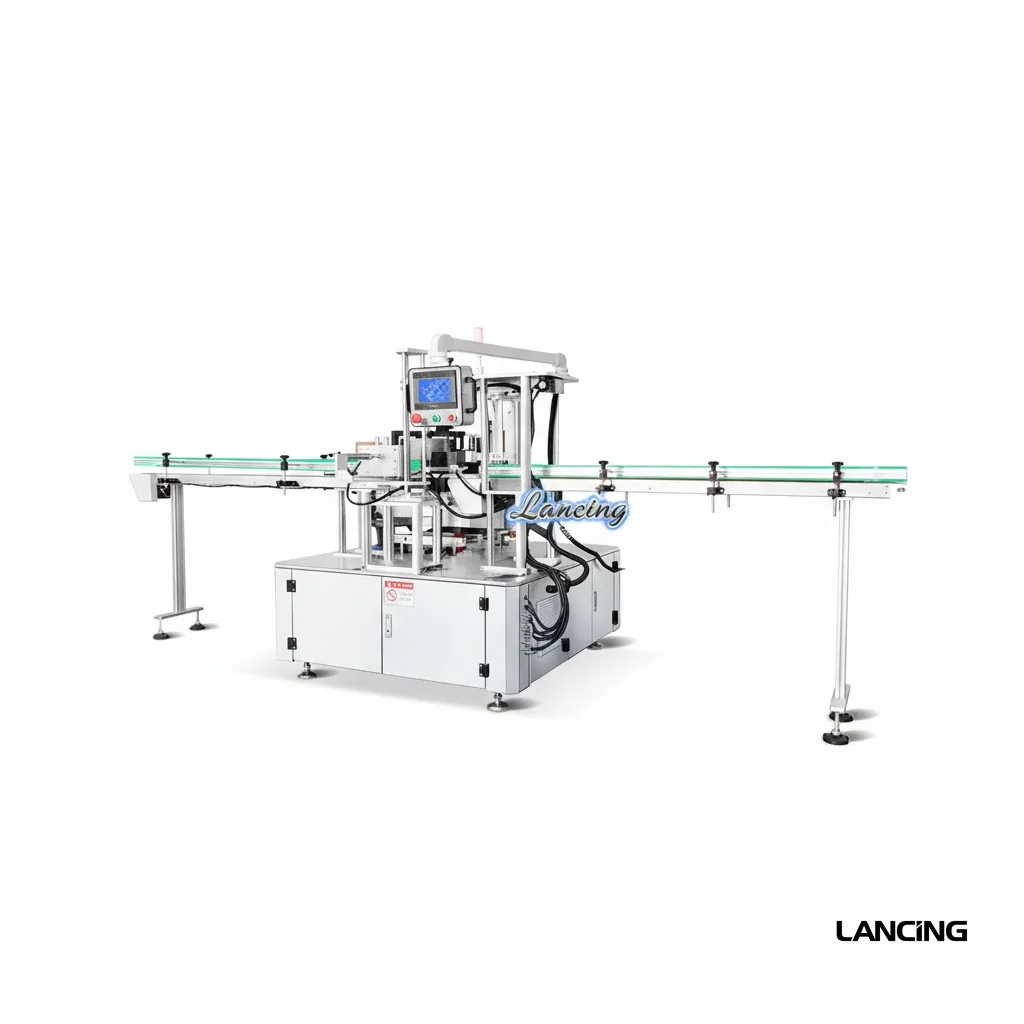
How to specify hot-melt labelling machinery
Match the label, adhesive system, container and line conditions before selecting the machine configuration.
Start with the label construction and container surface
Hot-melt labelling machinery applies a controlled adhesive pattern so a roll-fed label can be wrapped and secured around a container. The correct arrangement depends on the label material, label stiffness, overlap, container diameter and surface, the adhesive selected for the application and the condition of the pack as it reaches the labeller. A label that runs well on one bottle may behave differently on another because of moulding seams, panel variation, moisture, product temperature or static.
Provide finished artwork and production label reels rather than relying only on nominal dimensions. The trial should confirm web tracking, cutting, transfer, adhesive placement, overlap control and the appearance of the finished pack. The smallest, largest and least stable containers should be included, together with normal supplier-tolerance samples.
Compare hot-melt and self-adhesive routes on the real application
| Selection point | Hot-melt roll-fed labelling | Self-adhesive labelling |
|---|---|---|
| Label supply | Labels are normally supplied as a continuous printed web and cut or transferred by the machine. | Labels are supplied on a release liner and dispensed from a reel. |
| Container presentation | Stable, repeatable rotation and wrap contact are important. | Application can be configured for round, flat, front/back or top surfaces. |
| Changeover evidence | Check web width, cut position, overlap, adhesive pattern and container handling. | Check label sensor response, backing web, peel plate, product spacing and wipe-down. |
| Best comparison method | Use production labels, containers and the intended line condition; compare finished-pack acceptance rather than machine descriptions alone. | |
Plan cleaning, guarding and upstream control
Adhesive temperature, glue application and access for cleaning must be considered in the machinery risk assessment and maintenance plan. The infeed should maintain consistent gaps without scuffing or destabilising containers. Downstream conveying should allow the label to remain correctly supported while the adhesive sets. Stops, restarts, low-label conditions and container accumulation should be included in the control review.
For other label formats, compare wrap-around labelling, round-container labelling and front-and-back labelling.