
Round
Browse round machines.
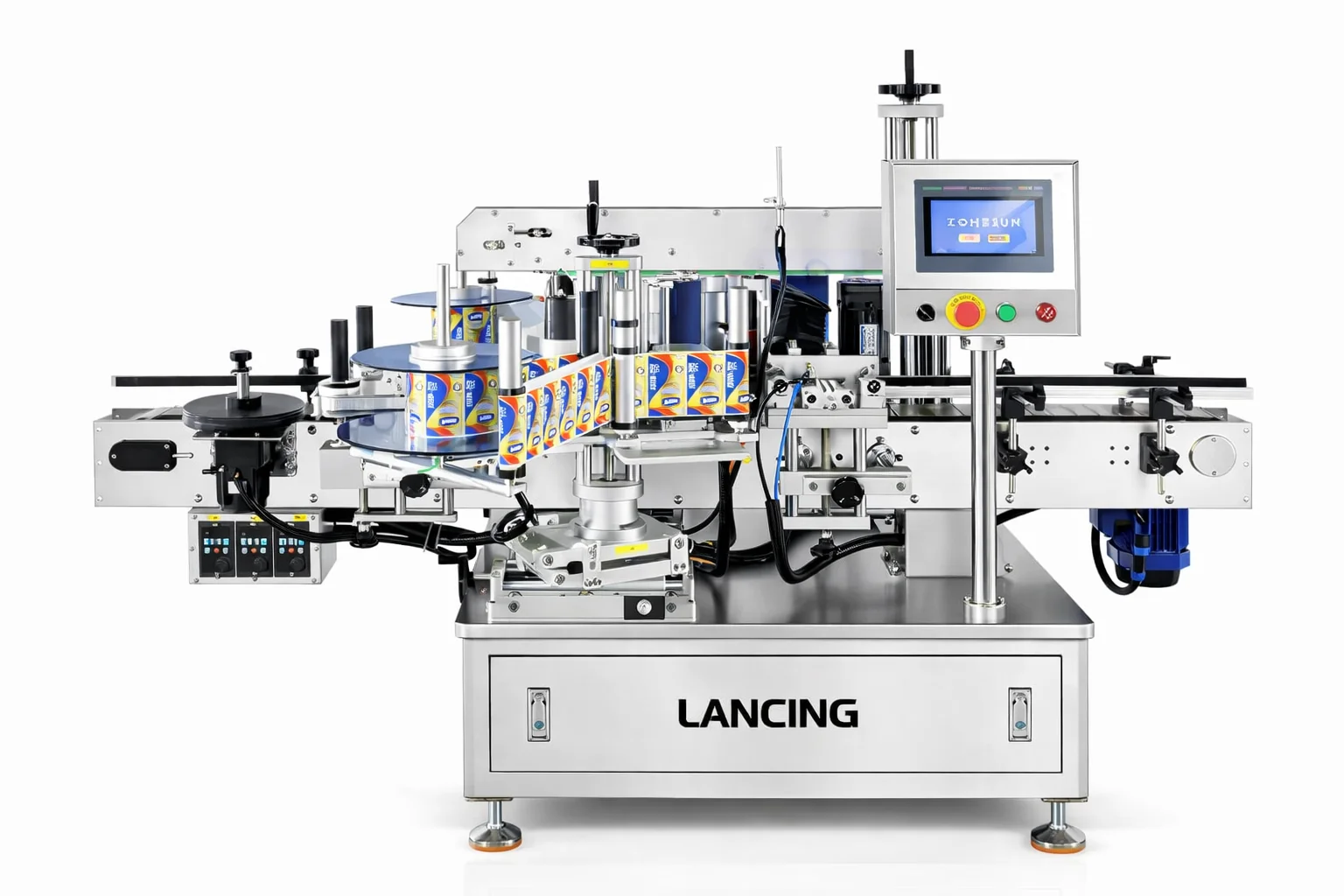
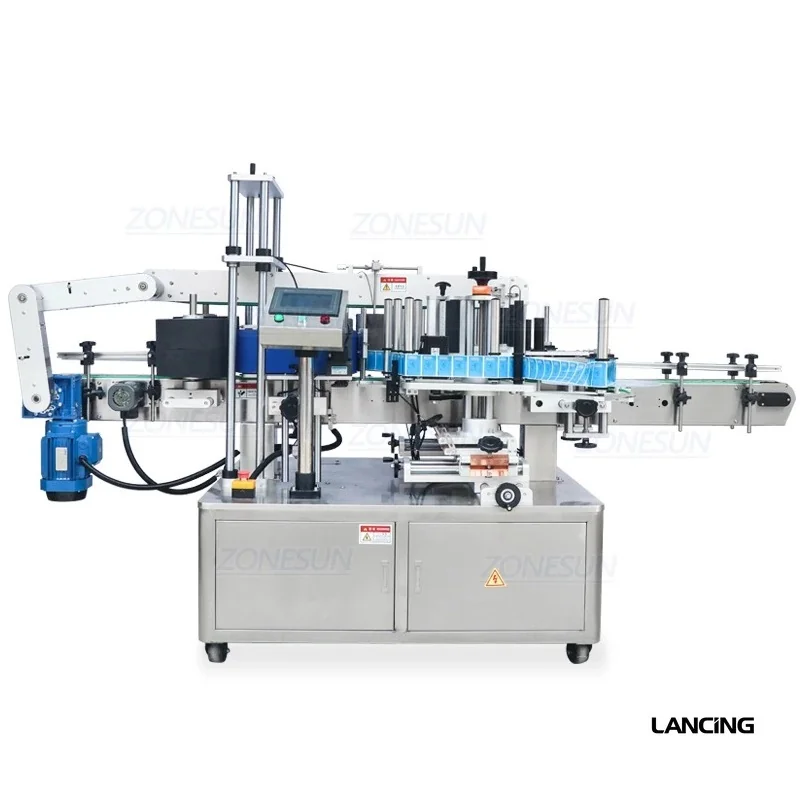
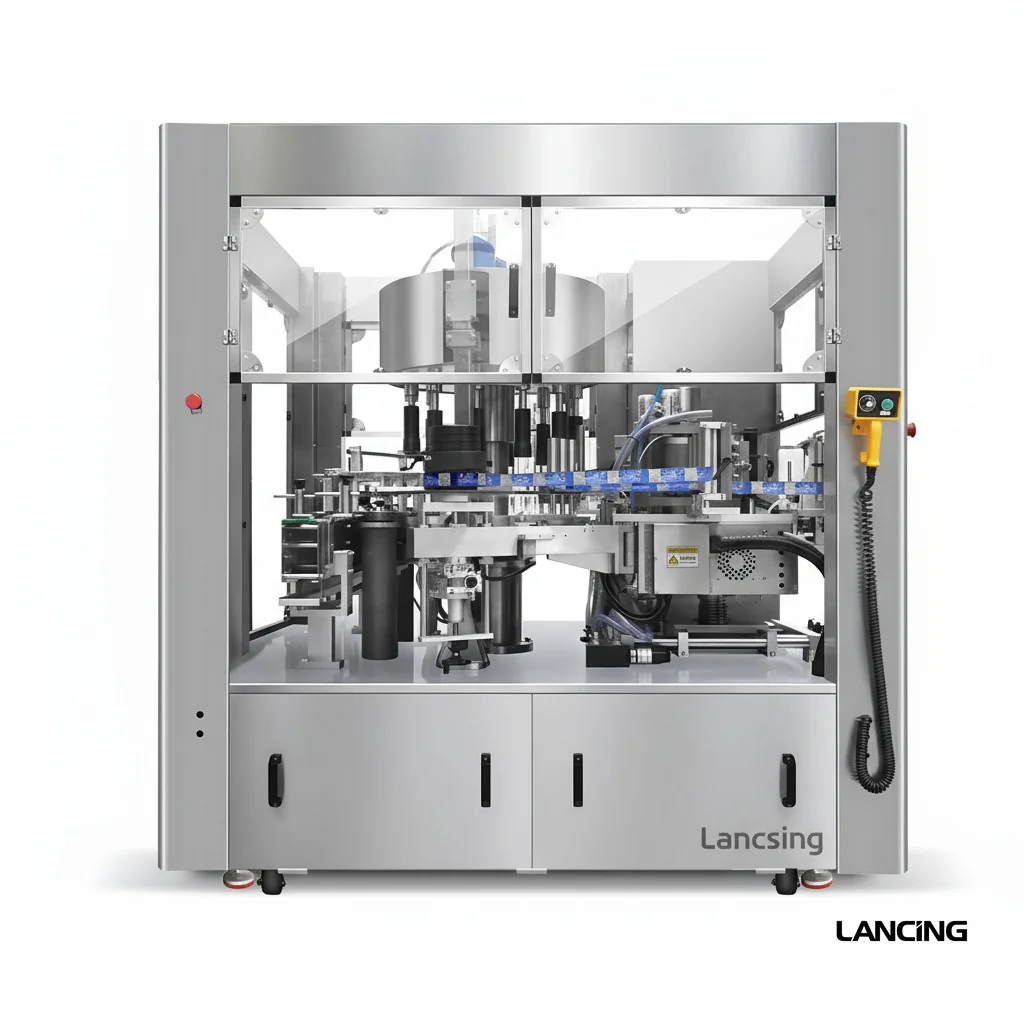
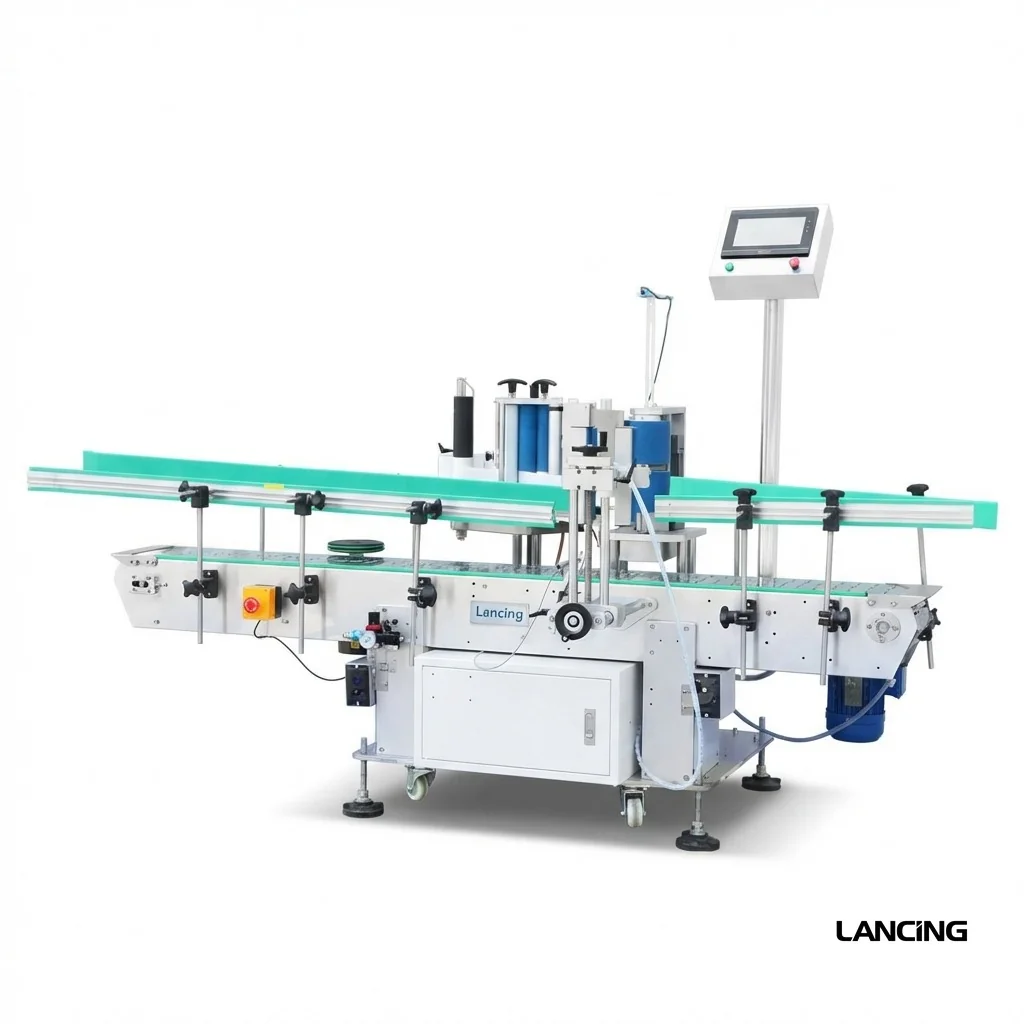
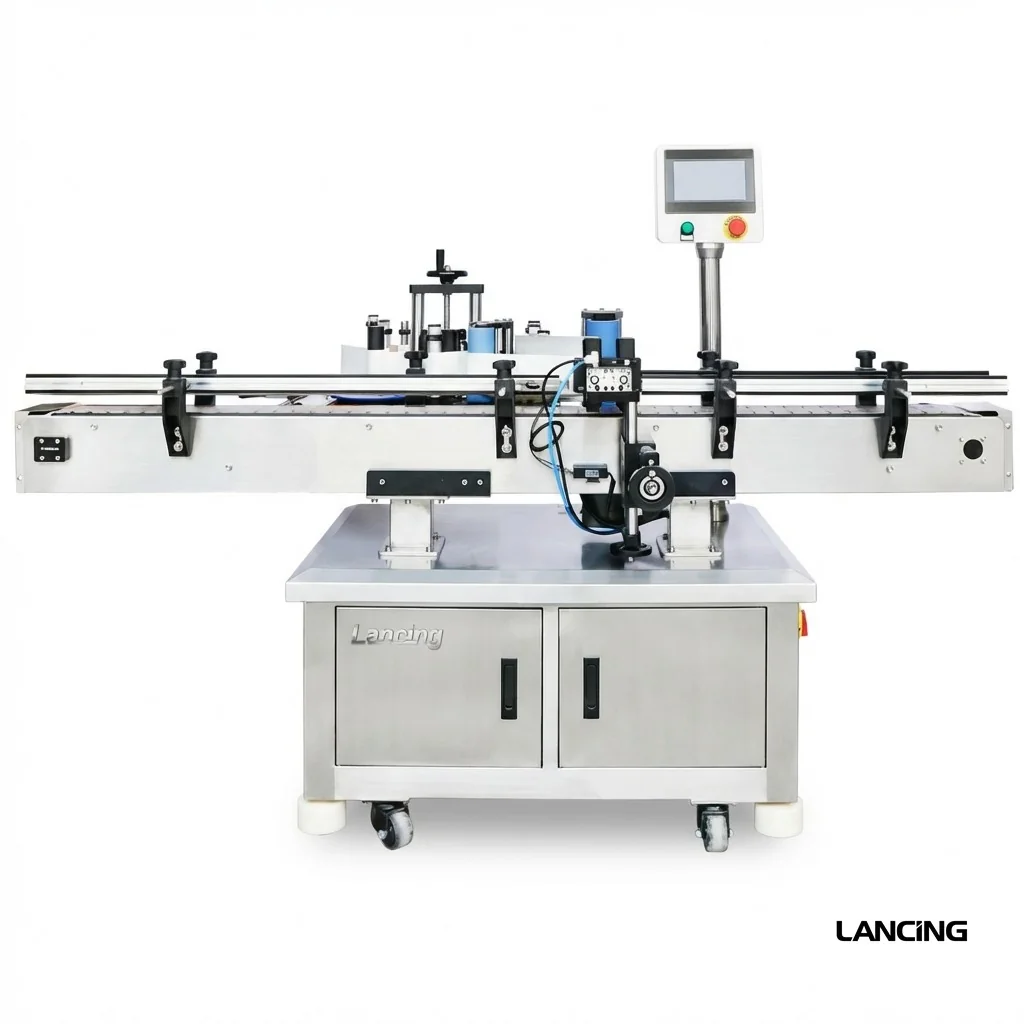
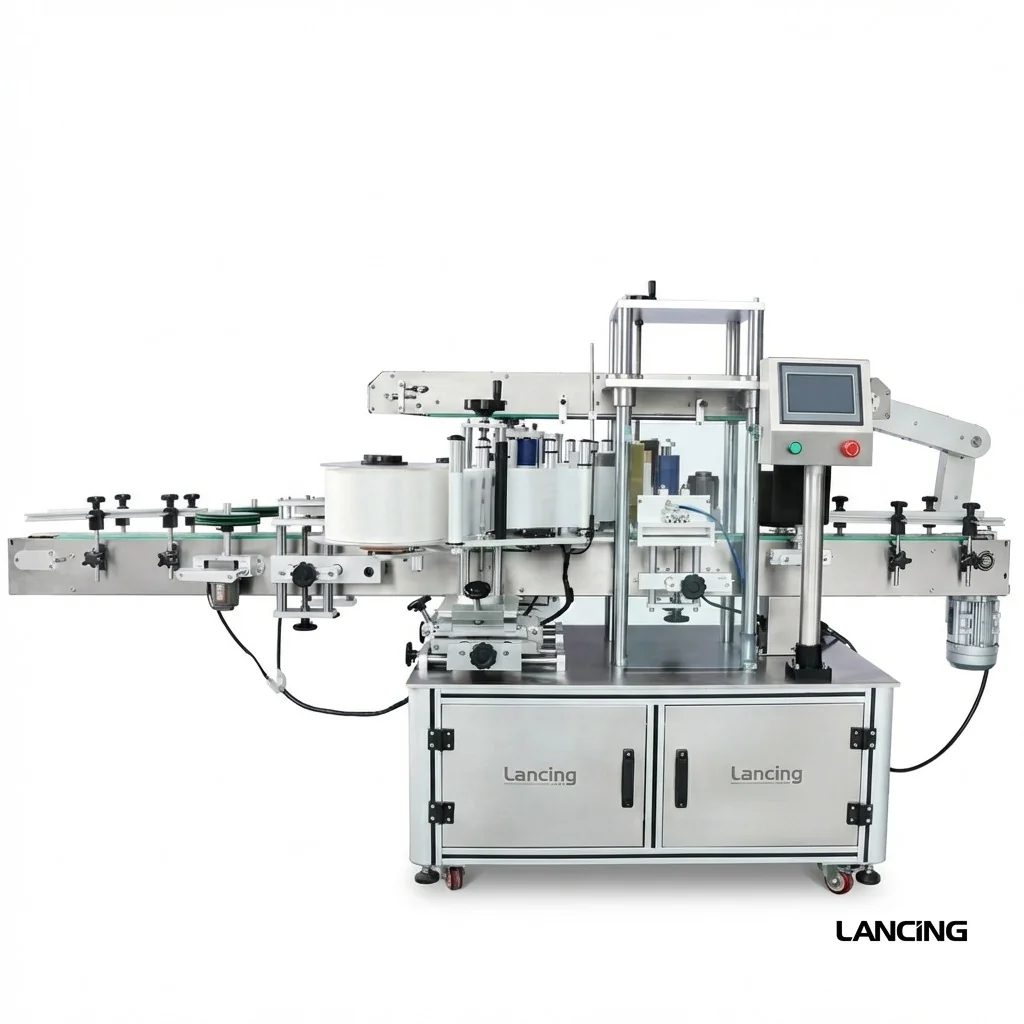
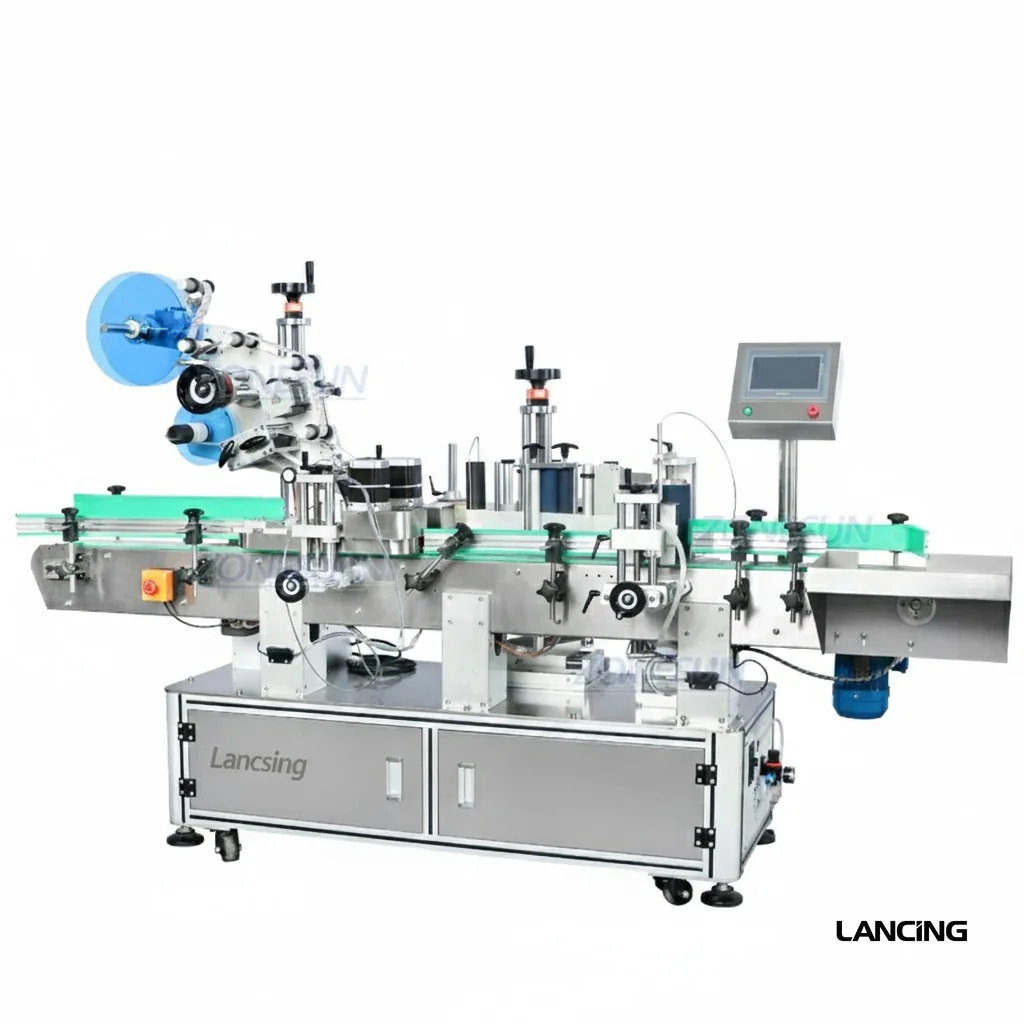
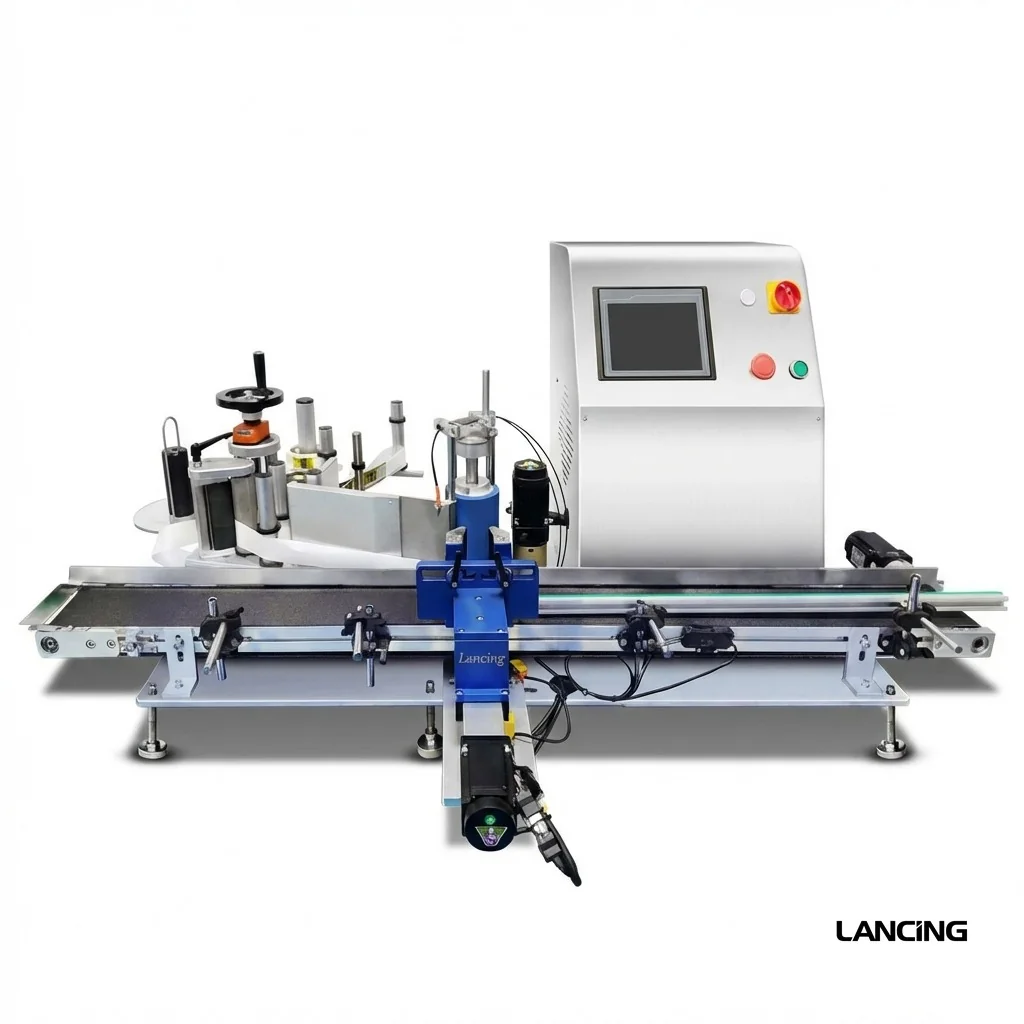
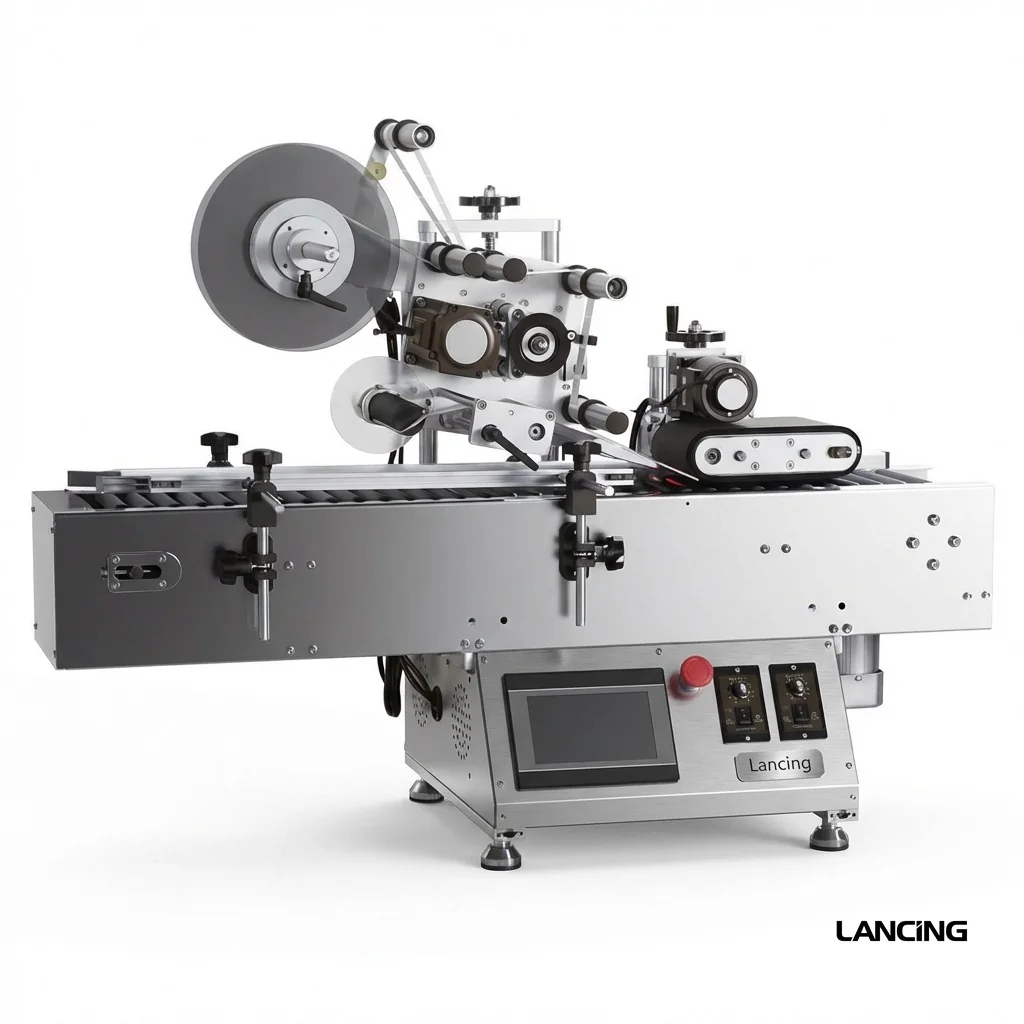
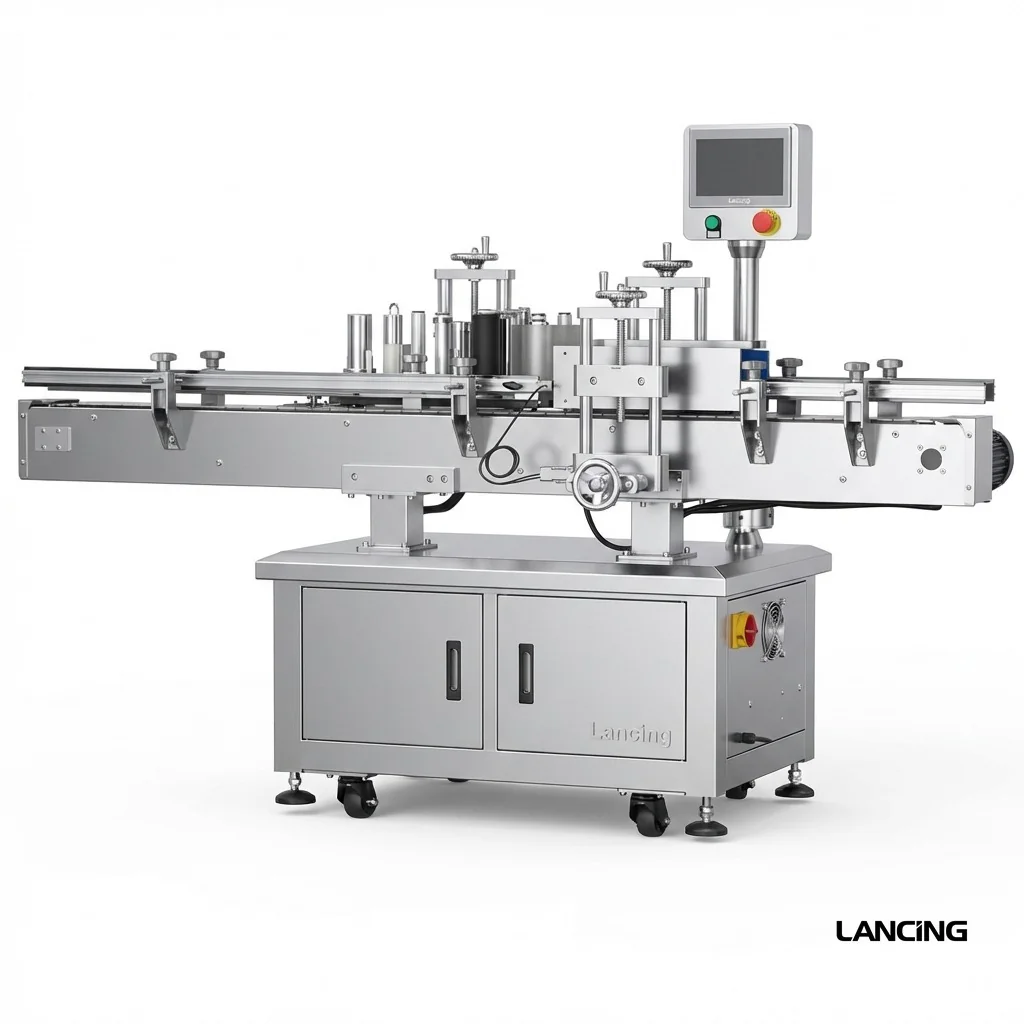
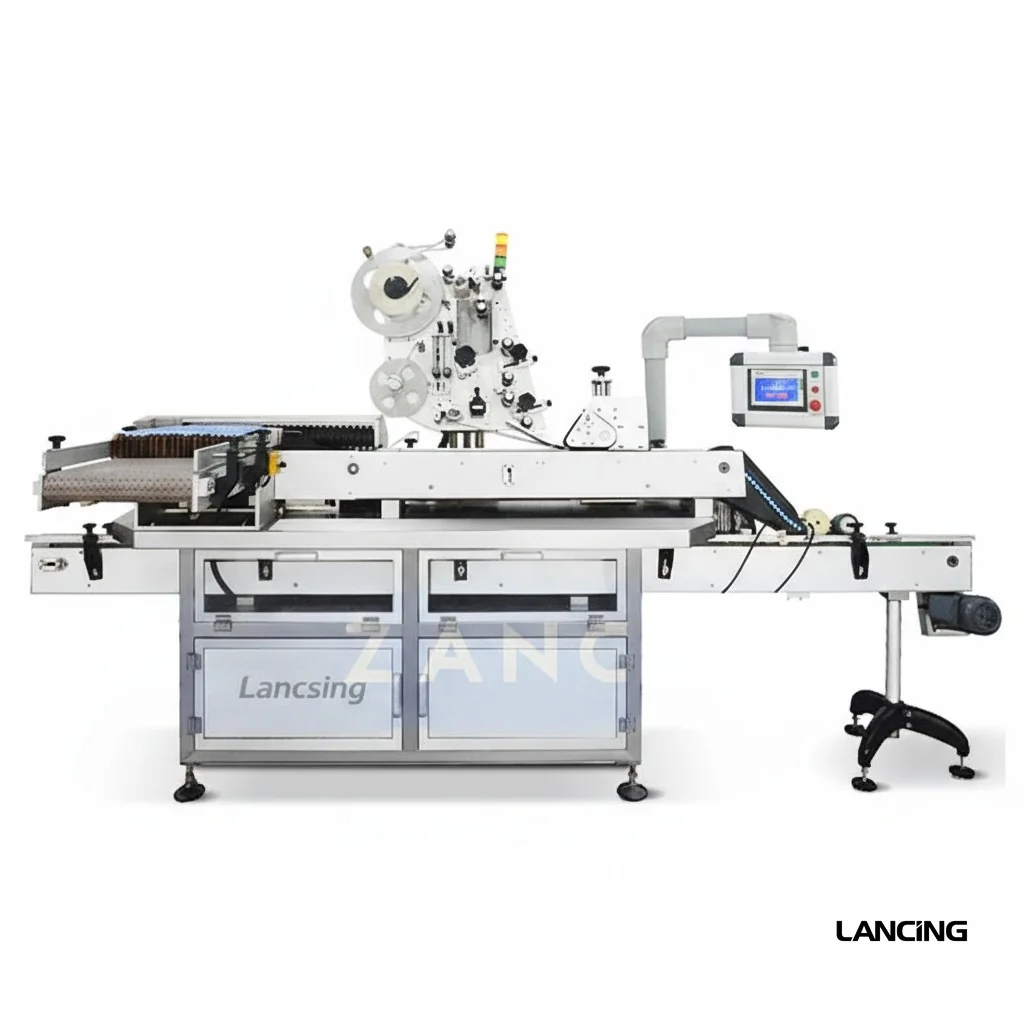
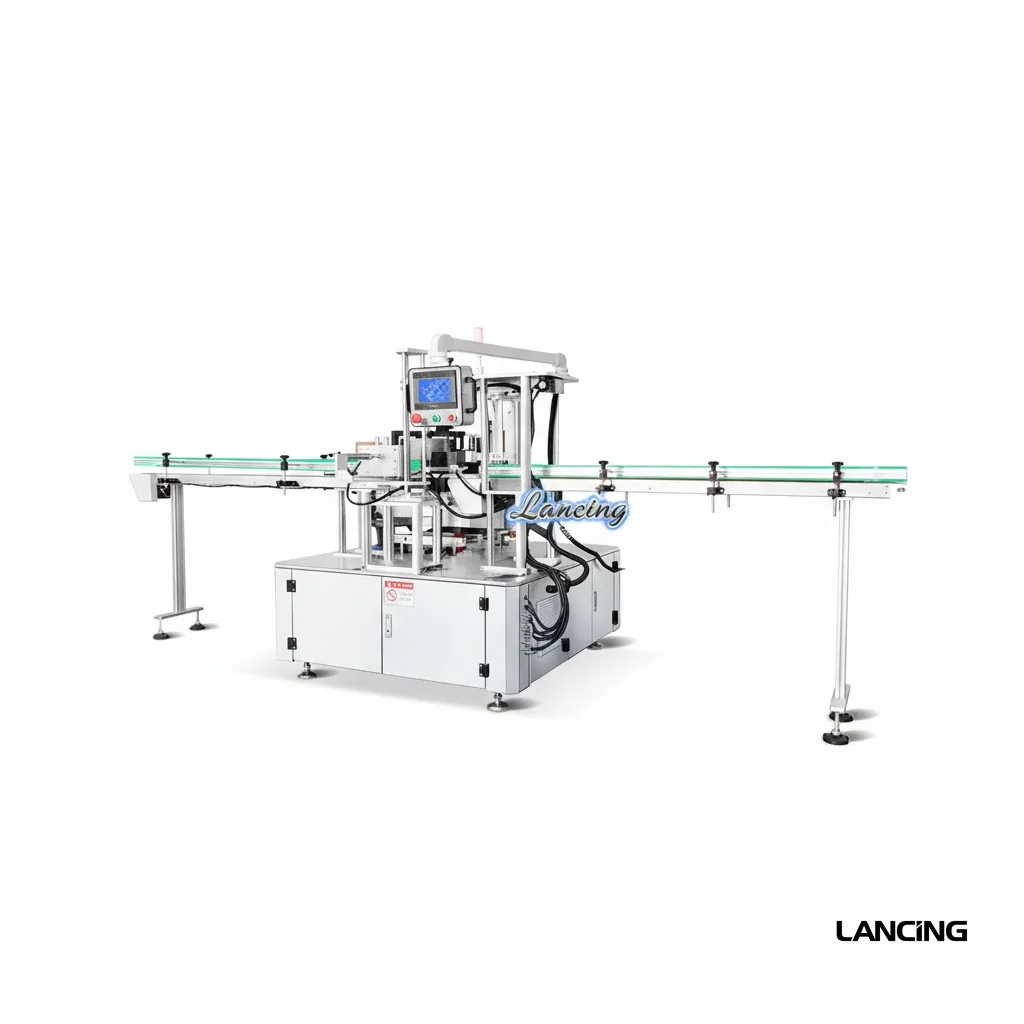
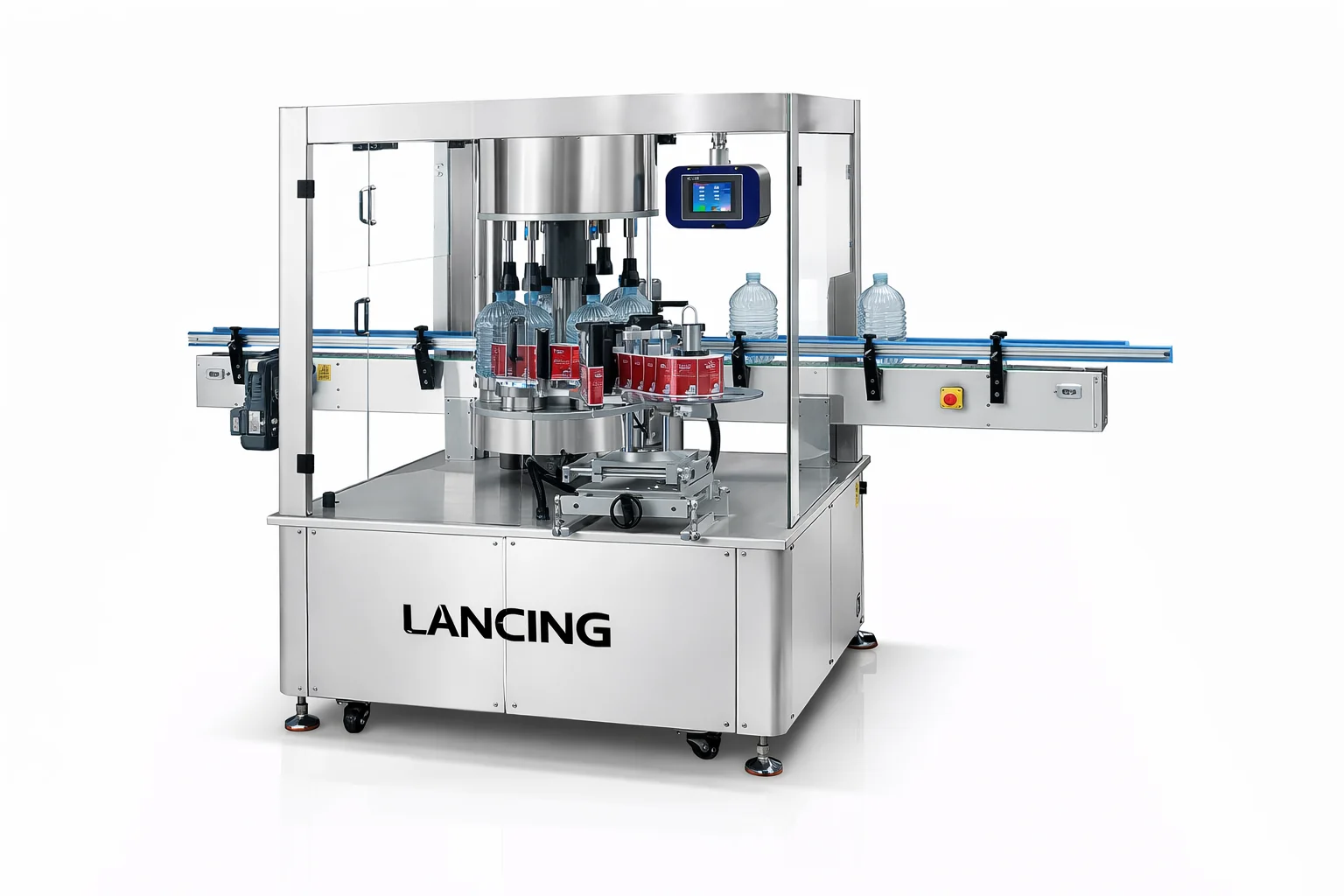
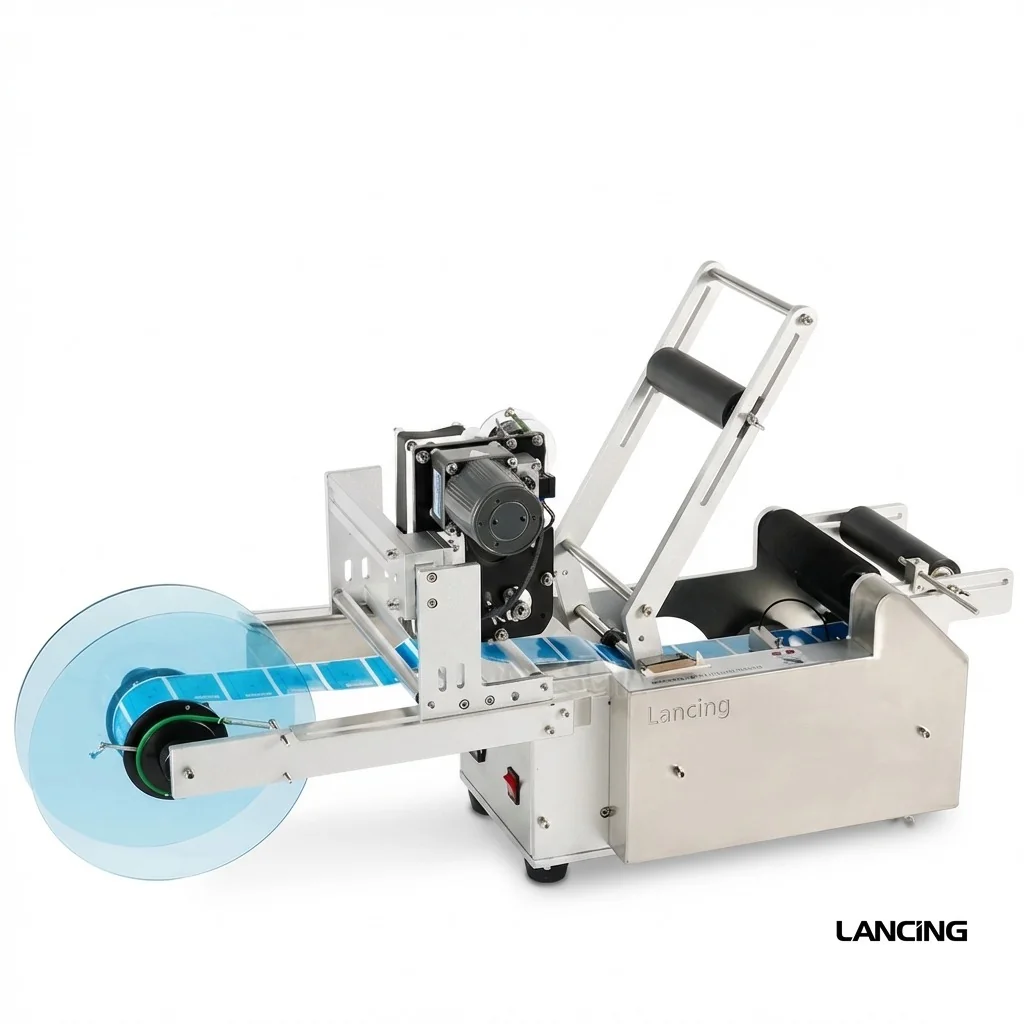
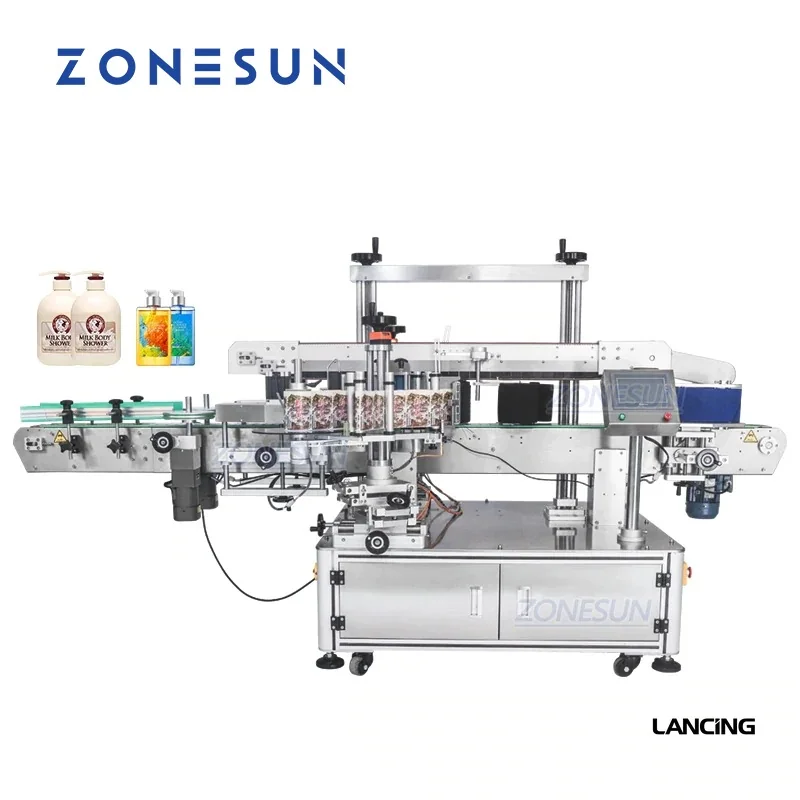
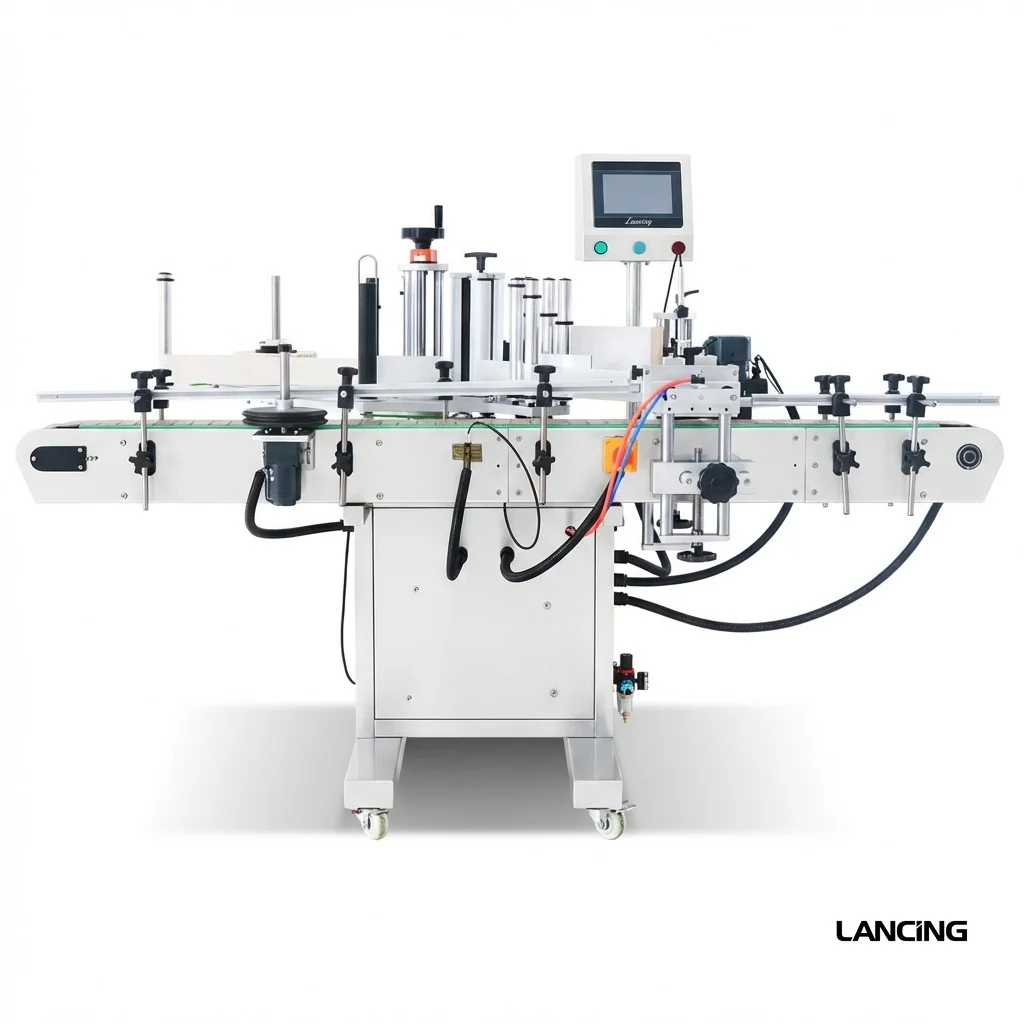
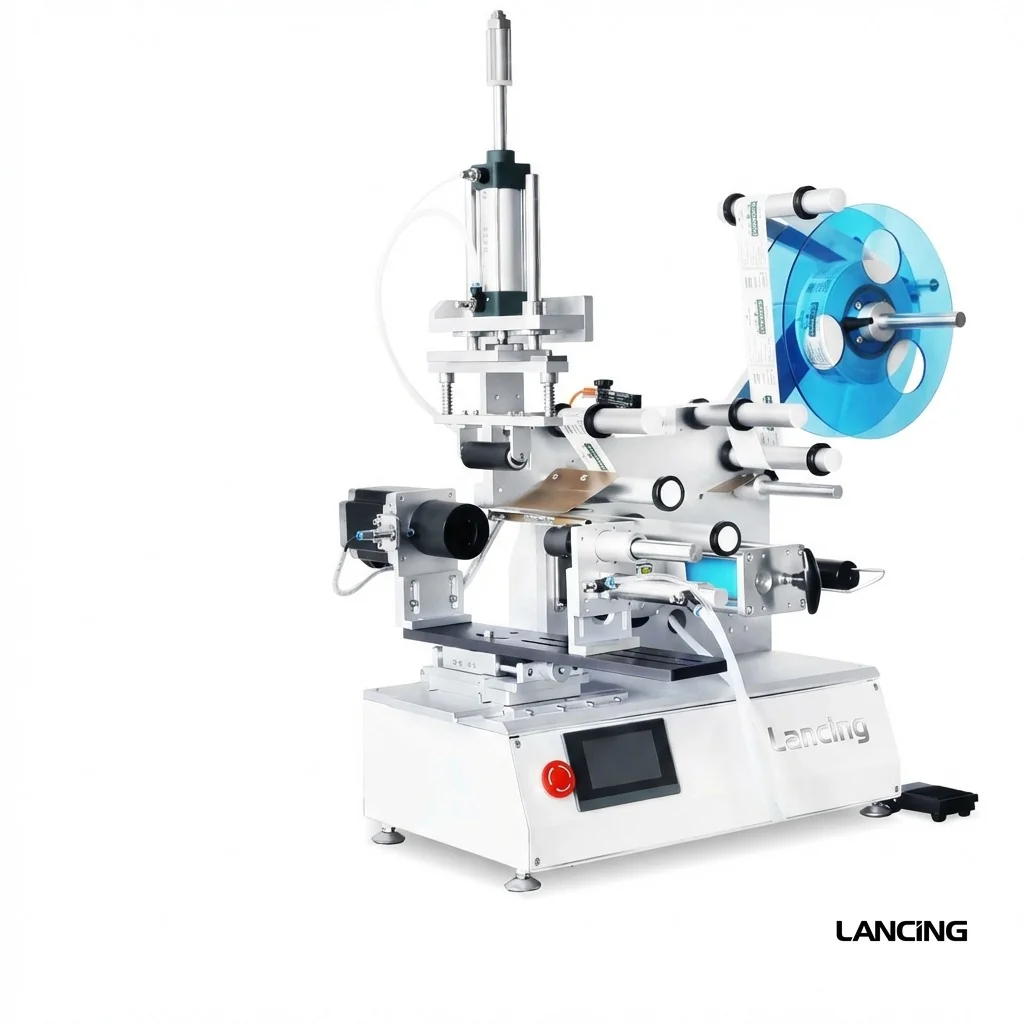
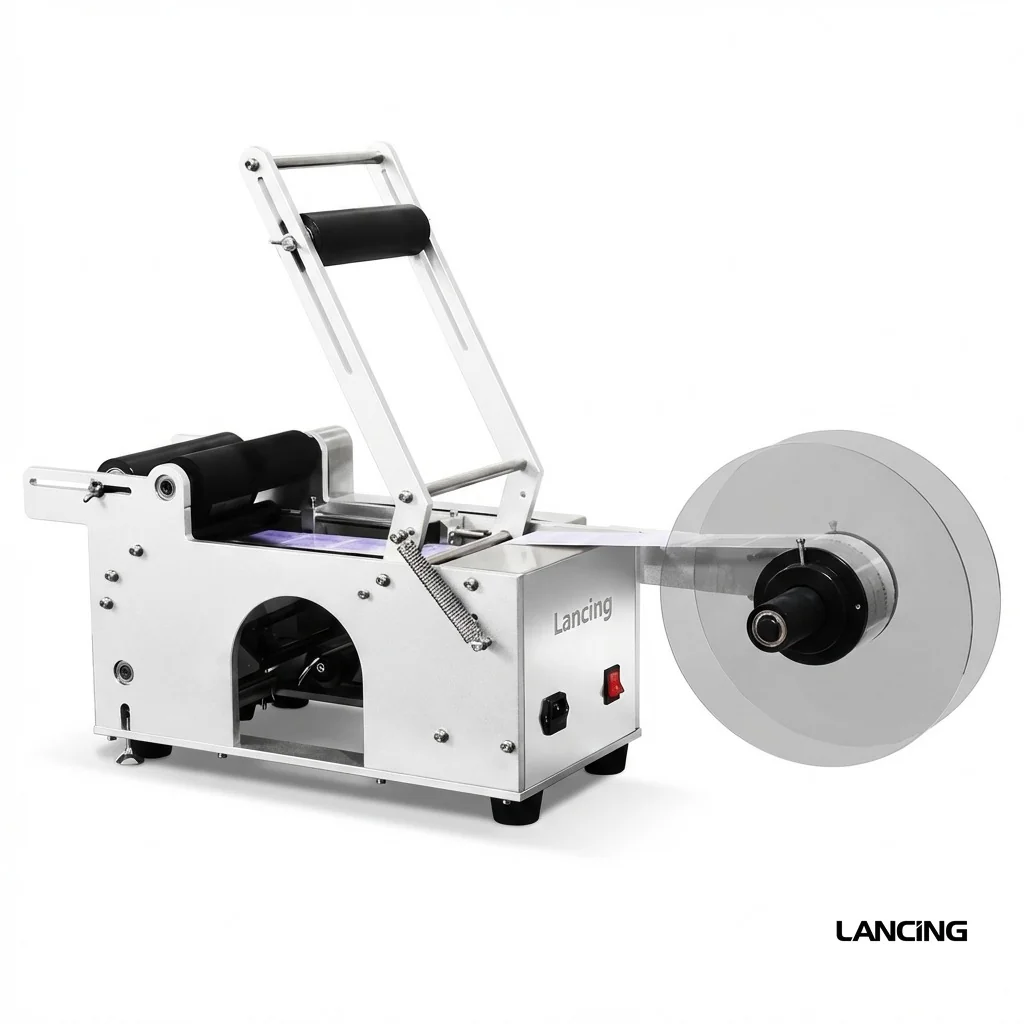
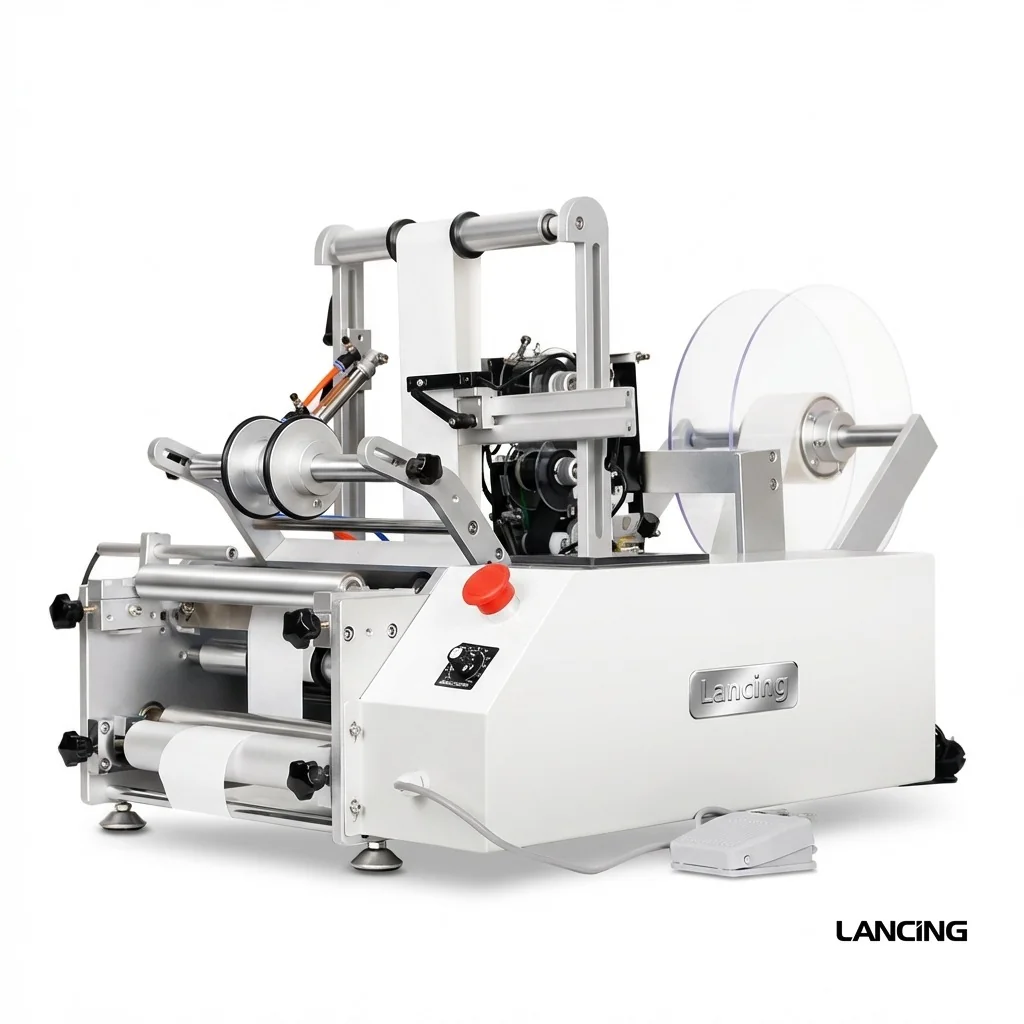
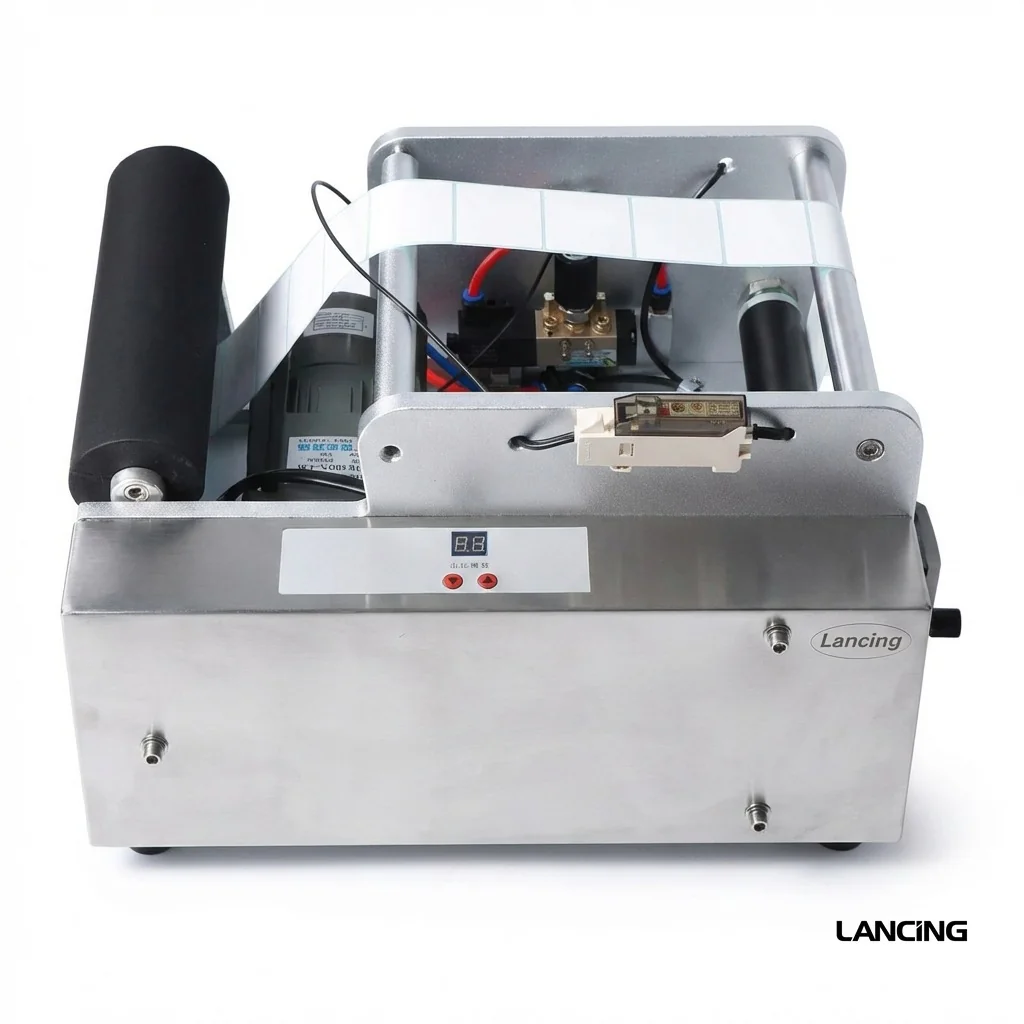
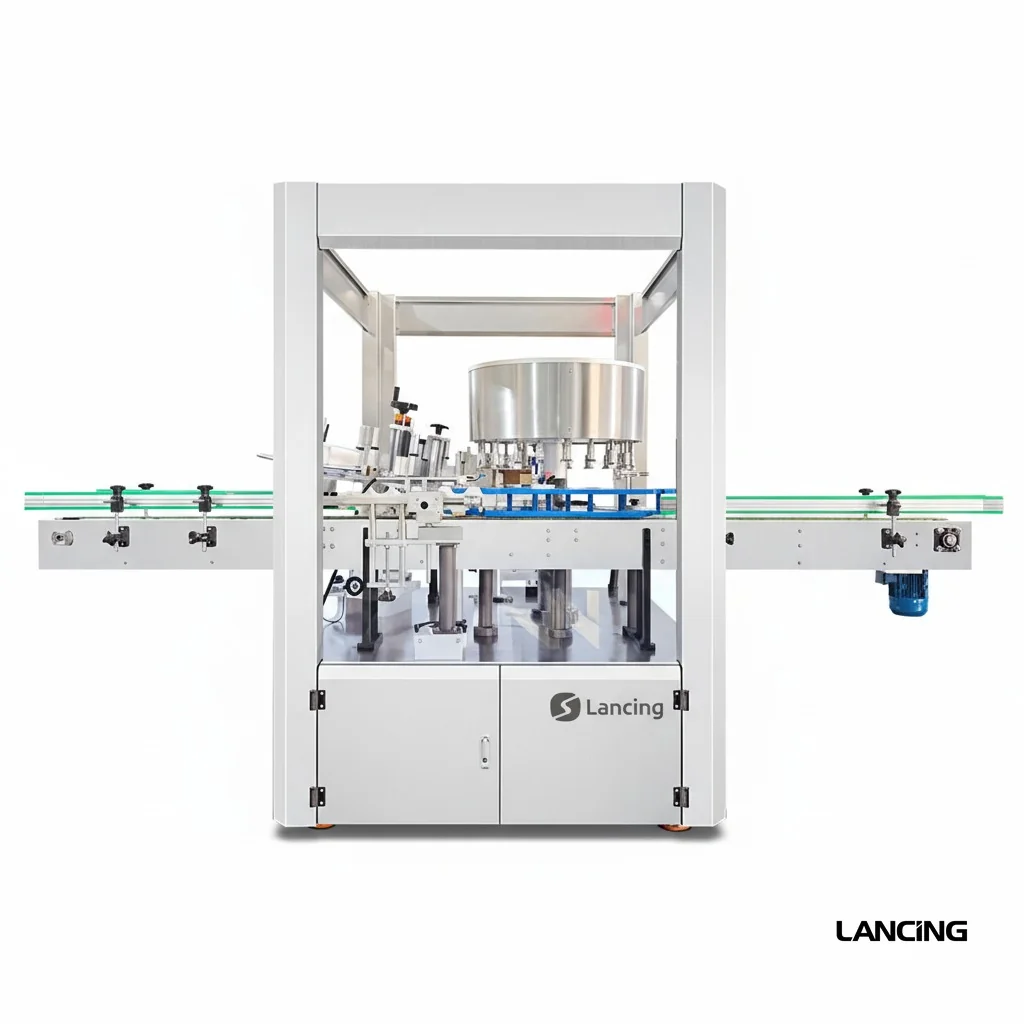
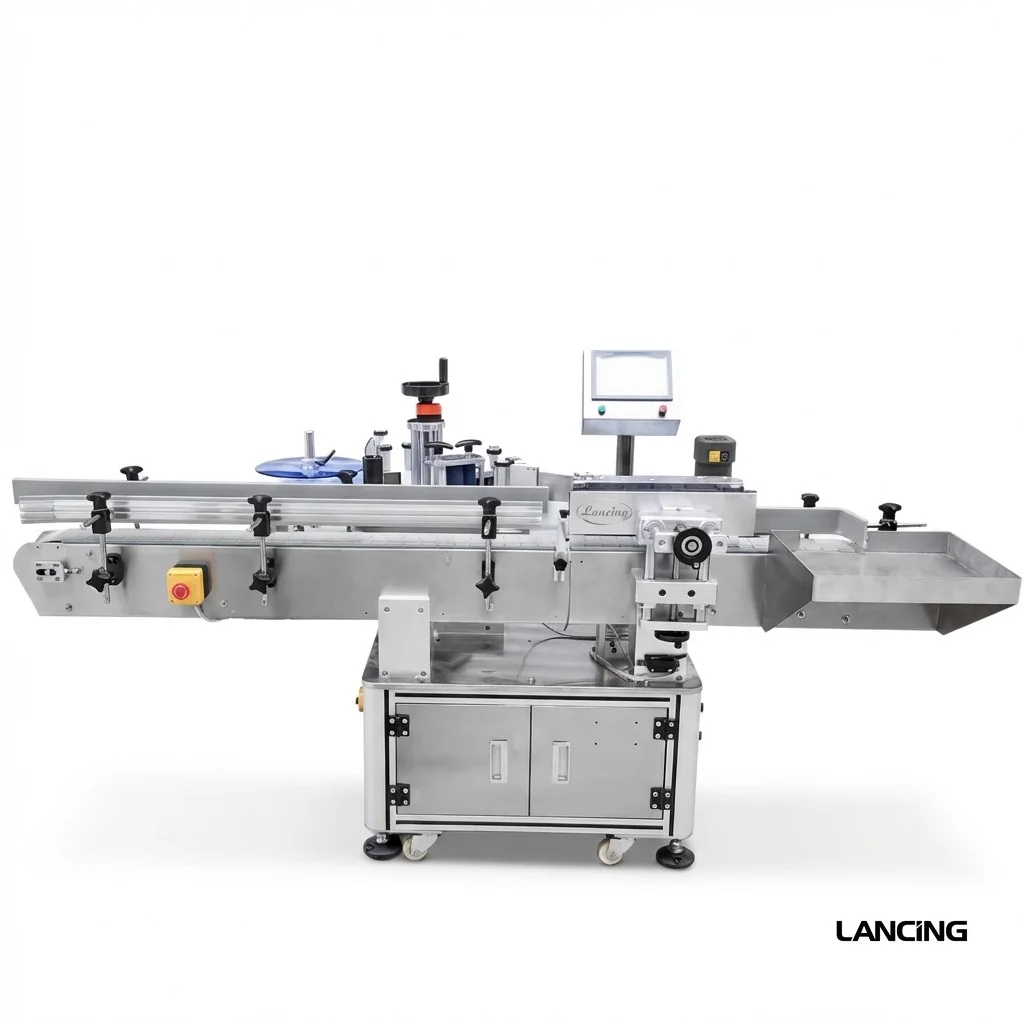
Round bottle labelling project notes
Wrap-around control and label presentation
Selection and compatibility guidance
Round bottle labelling is affected by bottle diameter, taper, surface finish, label length, label stiffness and the position tolerance required. A wrap-around label needs consistent rotation and wipe-down control, while front/back labels need reliable bottle orientation and spacing. Transparent labels or highly flexible label stock can need particular care during application.
Provide the bottle, label roll, label artwork dimensions, label gap, roll direction, core size and any positional requirements. If the label is applied after filling or capping, note whether the bottle surface may be wet, cold, dusty or contaminated because that can affect adhesive performance and label finish.
Before requesting a quotation
Confirm the production environment, changeover frequency, cleaning method, operator access requirements and whether the machine will operate stand-alone or as part of a wider packaging line. Where the application is close to a machine limit, Lancing may need to review samples before confirming the best equipment route.
Useful samples
Send the product, container or pack, closure, label or film where relevant, plus photographs of the current process and details of available space and utilities.
Round-container labelling application planning
Control rotation, label web, registration and surface condition
Round containers can use wrap-around, partial-wrap, front/back or positioned labels. The method depends on whether the container rotates consistently, whether a seam or feature must align, and whether the label is transparent or presentation-sensitive.
Use the bottle guide to include cap, fill and surface condition. Production labels and containers should be trialled together because adhesive, backing, web tension and surface finish affect the result.
Define accepted position and appearance, including how variation is measured and whether orientation to a feature is required.
Round-label evidence
- Container diameter and straight area
- Taper, seam or orientation feature
- Label size, direction and spacing
- Transparent-label sensing
- Surface cleanliness or condensation
- Accepted position and appearance
- Conveyor speed and stability