
Changeover, cleaning, maintenance and spares
Design routine production work into the machinery specification and handover.
Plan the application before selecting equipment
Packaging machinery is productive only when it can be prepared, cleaned, changed over, inspected and recovered within the operating method. A configuration that runs well on one format may still be unsuitable if product-contact parts are difficult to remove or adjustment points are not repeatable.
Describe changeover from the last accepted pack of one run to the first accepted pack of the next. Include product removal, cleaning, tooling, guides, recipes, labels or film, trial packs and quality approval.
Maintenance planning should separate operator care from technician work. Daily cleaning and inspection, planned lubrication, sensor checks, belts, seals and pneumatic maintenance need clear responsibility and safe access.
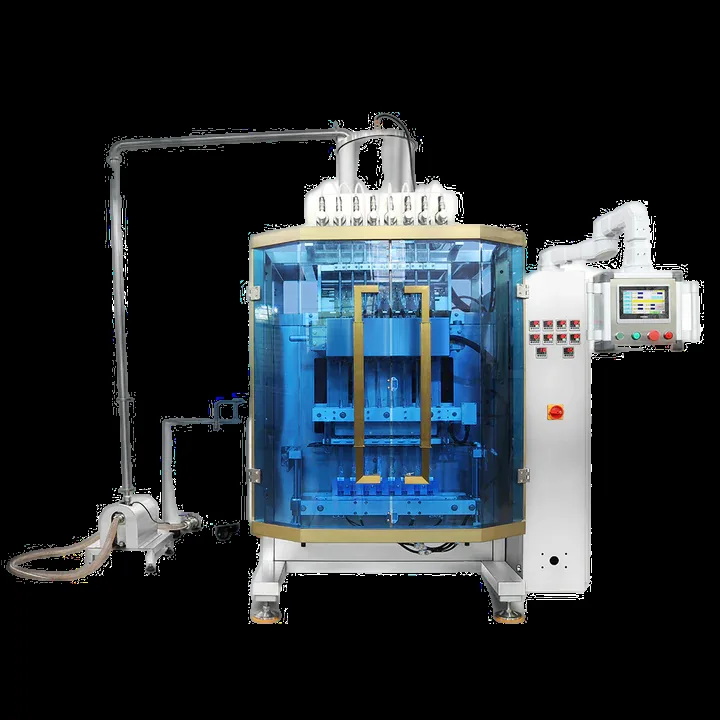
Information to prepare
- Changeover sequence for every launch format
- Product-contact parts and cleaning method
- Inspection and preventive-maintenance schedule
- Wear-part and critical-spare recommendations
- Tooling identification and storage
- Fault messages and safe recovery instructions
- Drawings and documentation supplied
- Operator and maintenance training
Plan the routine work
Use the real product, pack and site conditions when completing the review.
| Requirement area | What to confirm | Useful evidence |
|---|---|---|
| End-of-run clearing | How are product, packs, closures, labels or film removed safely? | Documented shutdown and clearing sequence. |
| Product-contact cleaning | Which parts are cleaned in place, removed or replaced? | Parts list, instructions and accepted inspection standard. |
| Format change | Which guides, nozzles, tools, sensors and recipes change? | Format sheet, labelled tooling and first-off check. |
| Operator checks | What condition can be observed before and during production? | Daily checklist covering guards, sensors, belts, air and leaks. |
| Planned maintenance | Which tasks depend on hours, cycles, calendar time or condition? | Schedule, access method and responsible role. |
| Spare parts | Which failure would stop or restrict production? | Critical-spares list with clear part identification. |
Protect product-contact and format parts
Removed parts need clean, labelled storage that prevents damage and mix-up. Seals, tubing, nozzles and tools may look similar but have different compatibility or dimensions.
Use repeatable setup references
Scales, stops, recipes and photographs can shorten changeover but do not replace a first-off quality check.
Review maintenance against real duty
Dust, washdown, corrosive vapour, sticky product, abrasive particles and frequent changeover can alter inspection and replacement needs.
Related planning routes
- Spare parts support — Plan production-critical parts.
- Service contracts — Review planned support.
- Training and aftercare — Include lifecycle support.
- Line integration — Coordinate maintenance access.
Buyer questions
Practical points to settle before machinery is selected
What is a critical spare?
A part whose failure would stop or materially restrict production and cannot be sourced within an acceptable recovery time.
Should operators carry out maintenance?
Only tasks covered by the site procedure, training and risk assessment. More intrusive work needs competent personnel.
Can changeover time be guaranteed?
It depends on formats, product condition, cleaning method, operator training and the test definition.
When should the maintenance plan be reviewed?
After commissioning, early production experience, significant changes and repeated faults.
Prepare a machinery enquiry
Send the product, pack formats, current method, target result and site information so Lancing can review the most suitable next step.
Send project details