
Blow Moulding
Browse blow moulding machines.
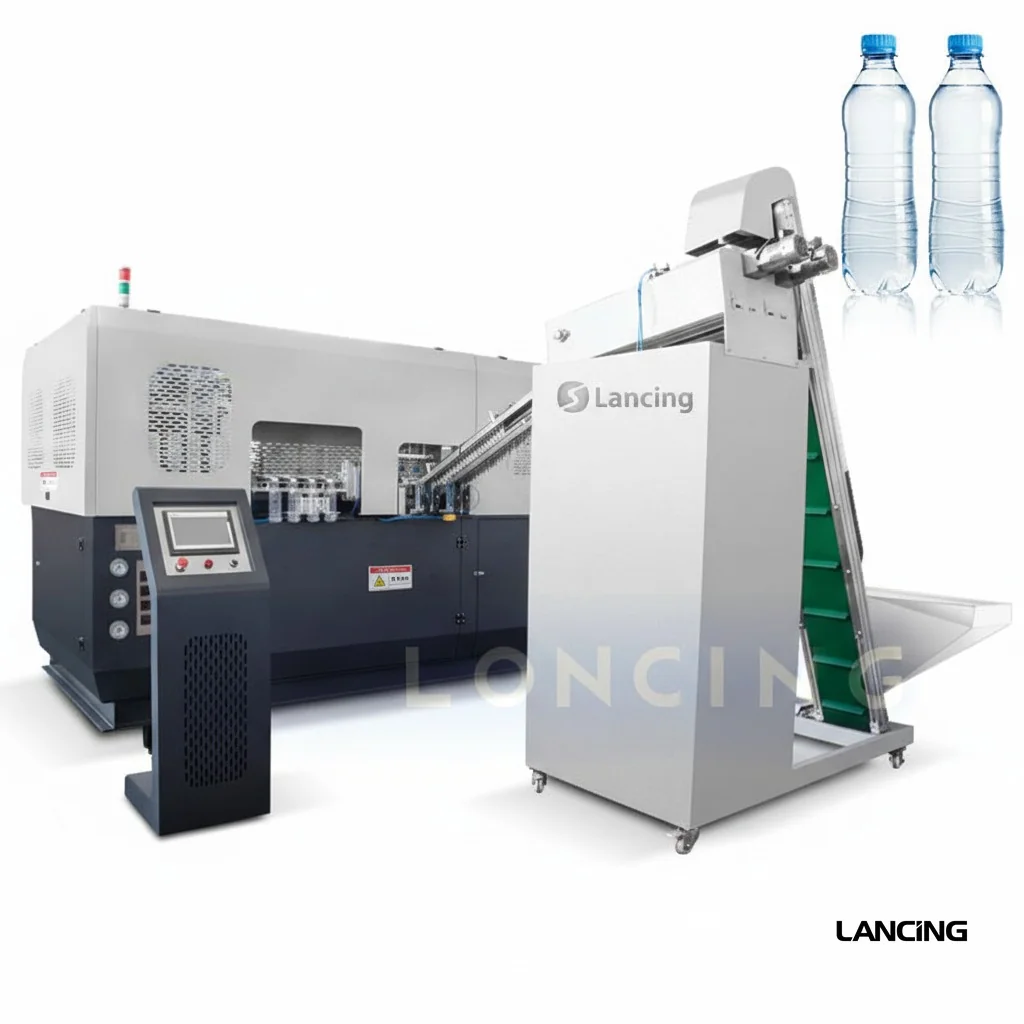
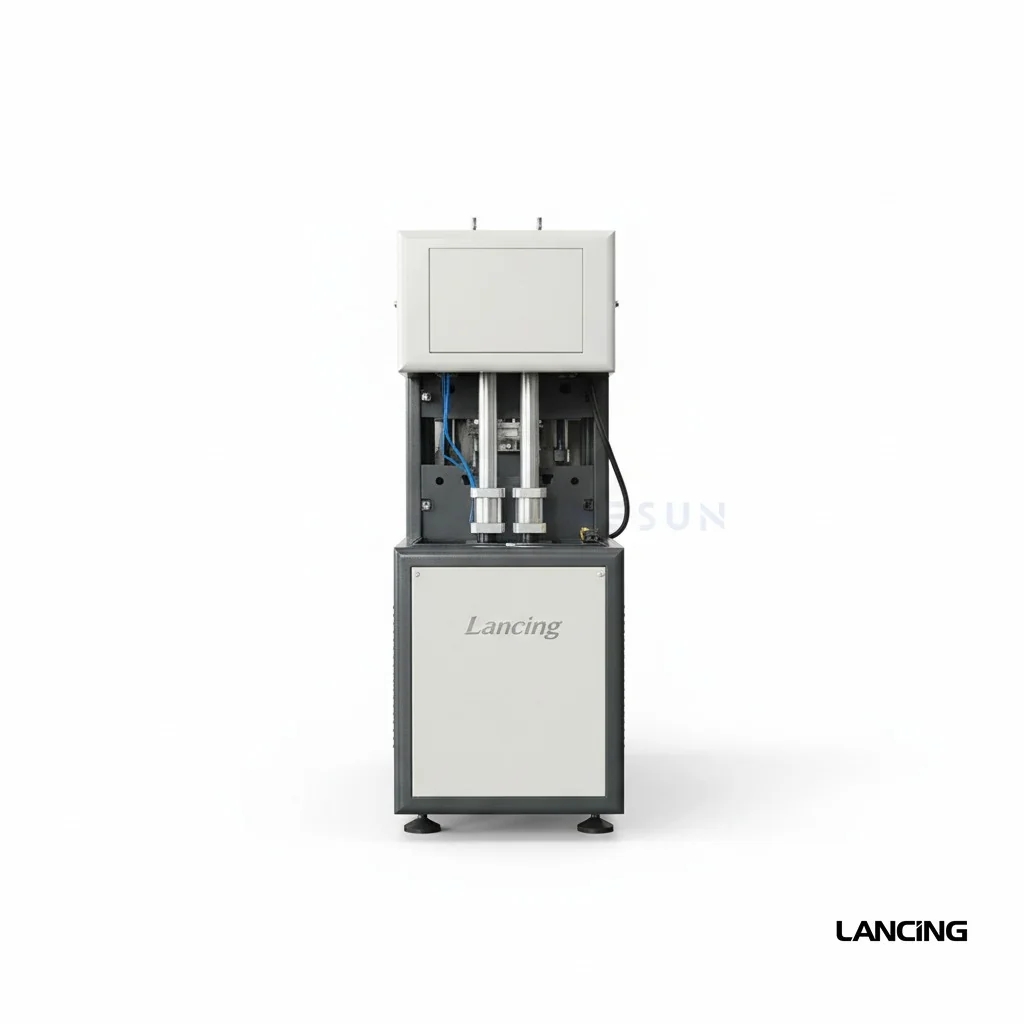
How to plan blow moulding and downstream packaging
The container-production process, mould, utilities and finished-bottle handling must be specified as one connected system.
Define the container and manufacturing route first
Blow moulding machinery forms hollow plastic containers, but the suitable process and machine configuration depend on the polymer, preform or parison route, container geometry, neck finish, wall distribution and production environment. A finished bottle sample is useful, but it does not replace a controlled drawing and the material information needed to design or confirm the mould and process.
State whether the project starts from preforms, pellets or another prepared component, and identify who supplies the mould, preform specification and container design. Where the container will be filled, capped and labelled on the same project, the neck, base, body panels and dimensional variation should be reviewed against downstream handling before the mould is finalised.
Utilities and cooling can govern the practical result
| Project area | Information to establish | Downstream effect |
|---|---|---|
| Compressed air | Required pressure, quality, storage and available flow under production conditions. | Container formation, repeatability and utility sizing. |
| Cooling | Water temperature, flow, quality and heat-rejection arrangement. | Cycle stability, mould condition and container release. |
| Mould and neck finish | Drawing ownership, cavity arrangement, material and changeover requirements. | Cap fit, transfer, leak testing and filler interface. |
| Container discharge | Bottle temperature, stability, orientation and accumulation method. | Conveying, inspection, filling and labelling readiness. |
Plan inspection and container handling before connecting the line
Newly moulded containers may need cooling, leak or visual inspection, trimming, orientation or controlled accumulation before they enter a packaging line. Light or empty bottles can be unstable on standard conveyors, particularly where their base is small or the body is easily deformed. Side guides, air conveying, neck handling or dedicated transfers may be appropriate depending on the pack.
A useful trial and acceptance plan should state the container drawing, material, mould, visual and dimensional checks, neck and closure acceptance, leak-test method and downstream handling condition. Consider the bottle-feeding, conveyor and accumulation and bottle-line application pages when planning the complete route.