
Foil Sealing
Browse foil sealing machines.
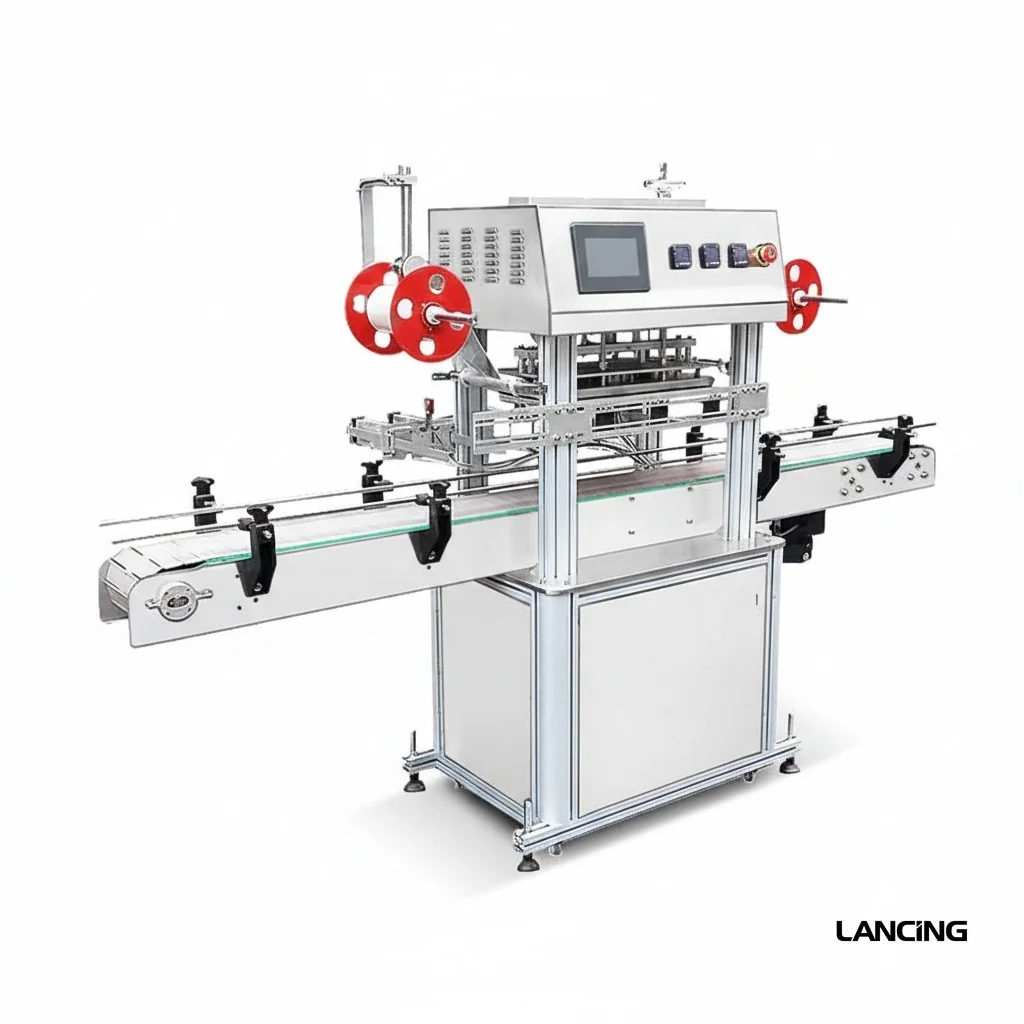
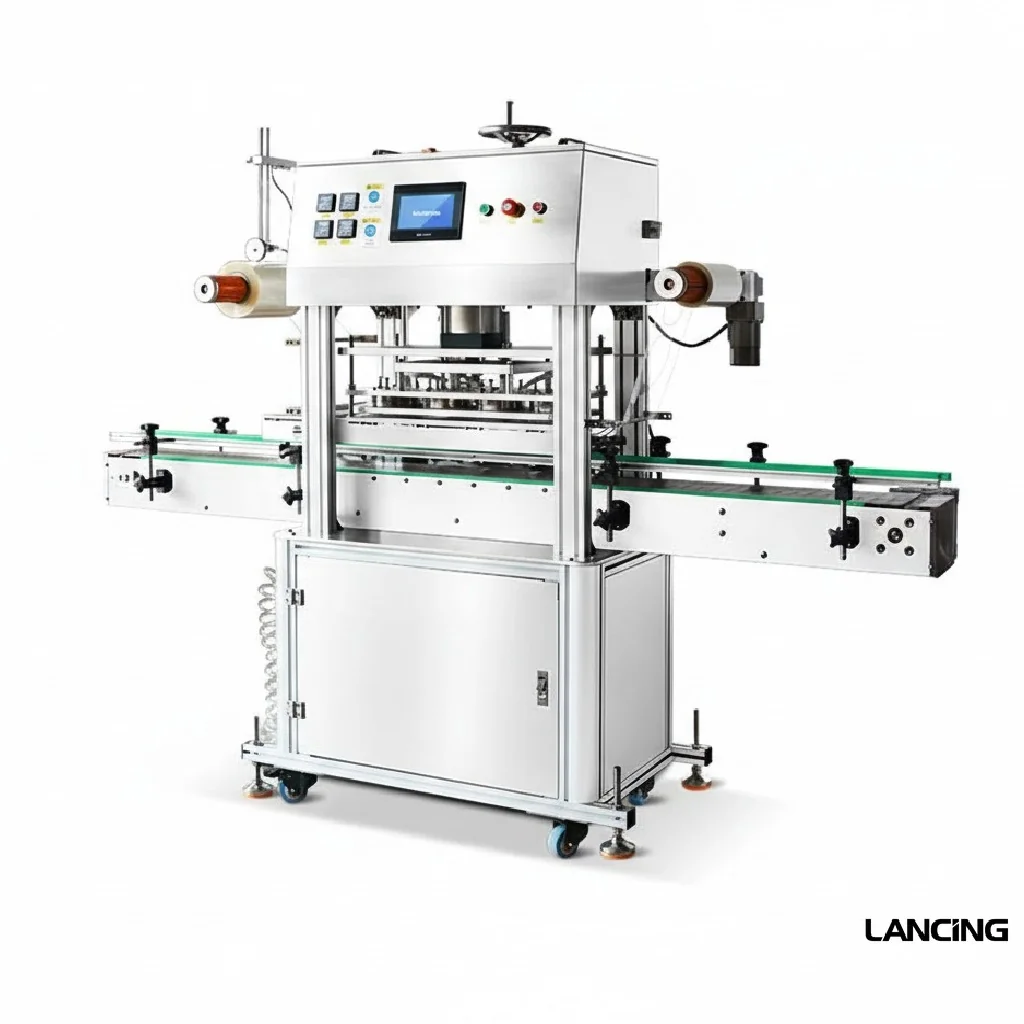
How to specify foil sealing for containers and cups
Seal performance depends on the lidding material, container rim, product condition and the controlled combination of heat, pressure and time.
Confirm the complete container and lidding system
Foil sealing machinery should be specified around the exact container, rim geometry, foil or pre-cut lid, coating or sealant layer and product. Nominal diameter alone is not enough: rim flatness, moulding variation, flange width, contamination and container stiffness can determine whether pressure is distributed consistently. Obtain compatibility confirmation from the container and lidding-material suppliers and verify it using production samples.
The seal head, nest or support arrangement must hold the pack without distortion while the required heat and pressure are applied. Where several sizes are involved, change parts and parameter control should be included in the quotation rather than assuming one setting will suit every format.
Distinguish contact heat sealing from induction sealing
| Method | Typical system boundary | Key evidence |
|---|---|---|
| Contact heat sealing | A heated tool applies controlled pressure to a pre-cut foil or lidding material on a supported container. | Tool fit, rim support, temperature, dwell, pressure and cooling/handling. |
| Induction sealing | An electromagnetic field heats a compatible foil layer inside a closure after the cap is applied. | Closure and liner compatibility, cap torque, container material, head gap and line speed. |
| Continuous film lidding | Film is fed, sealed and cut over trays or cups in a dedicated packaging process. | Film specification, registration, pack support, cut profile and atmosphere requirements if applicable. |
Agree how seal quality will be assessed
A visual check alone may not demonstrate the required result. The buyer should define the relevant inspection or test method, sampling frequency and acceptance limit for the real product and distribution route. Product on the rim, powder dust, oil, condensation and pack temperature should be represented in development trials where they can occur in production.
Upstream filling must control the headspace and keep the sealing surface within the agreed condition. Downstream handling should avoid pulling, flexing or stacking the pack before the seal has reached the required condition. For foil liners inside closures, compare induction sealing machinery; for flexible packs, review bag sealing.