
Induction Sealing
Browse induction sealing machines.
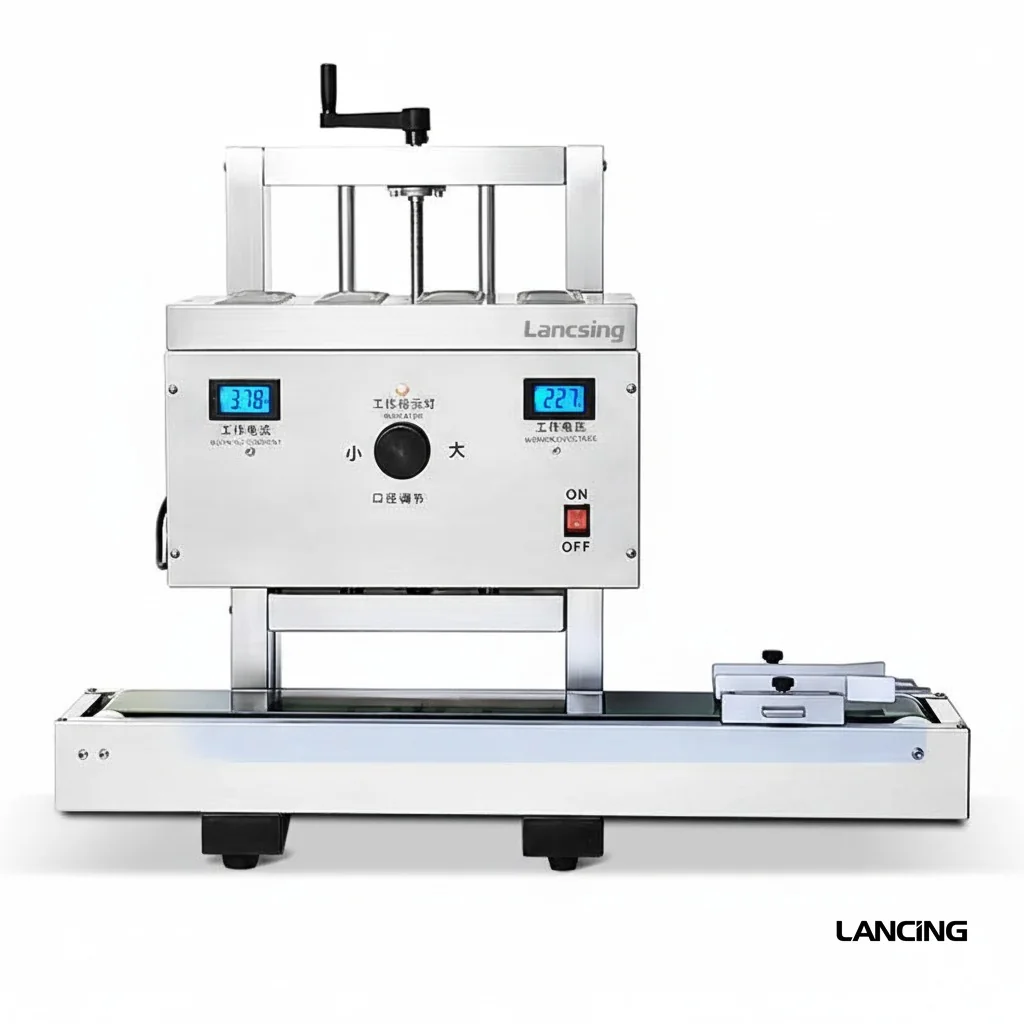
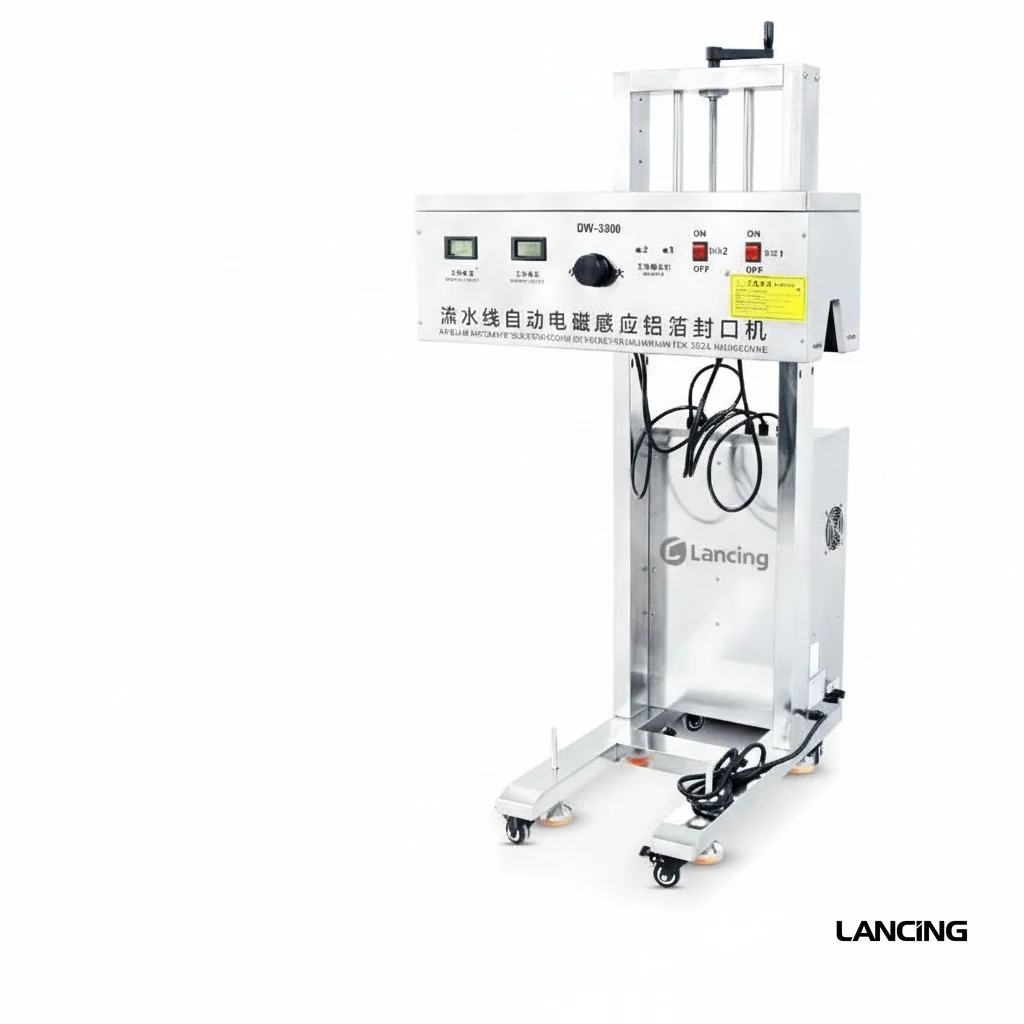
Induction sealing project notes
Container, cap and liner compatibility
Selection and compatibility guidance
Induction sealing depends on the container material, cap, foil liner, neck finish and filled product. The machine is only one part of the process: cap application, closure torque, liner quality and container flatness all influence seal consistency. For this reason, the capper and induction sealer should often be considered together.
Send the container, cap and liner combination that will be used in production, along with the filled product where possible. State whether the seal is for leak prevention, tamper evidence, product protection or another requirement, because this affects the acceptance check and whether additional inspection is needed.
Before requesting a quotation
Confirm the production environment, changeover frequency, cleaning method, operator access requirements and whether the machine will operate stand-alone or as part of a wider packaging line. Where the application is close to a machine limit, Lancing may need to review samples before confirming the best equipment route.
Useful samples
Send the product, container or pack, closure, label or film where relevant, plus photographs of the current process and details of available space and utilities.
Induction sealing application planning
Confirm the complete container, closure and liner combination with an accepted integrity check
Induction sealing depends on the container, closure, liner, product and operating condition as a complete system. Similar-looking caps or foils can have different constructions, so use production components.
The rim and liner area must remain clean after filling and capping. Use the jar and tub guide or bottle guide to include upstream contamination and closure seating.
Power or conveyor settings alone do not prove integrity. The customer should define the accepted visual, peel, leak or other test.
Induction-seal evidence
- Container material and neck finish
- Cap and liner construction
- Product and fill condition
- Closure seating before sealing
- Required integrity method
- Line speed and spacing
- Cooling and downstream handling