
Heat Tunnels
Browse heat tunnels machines.
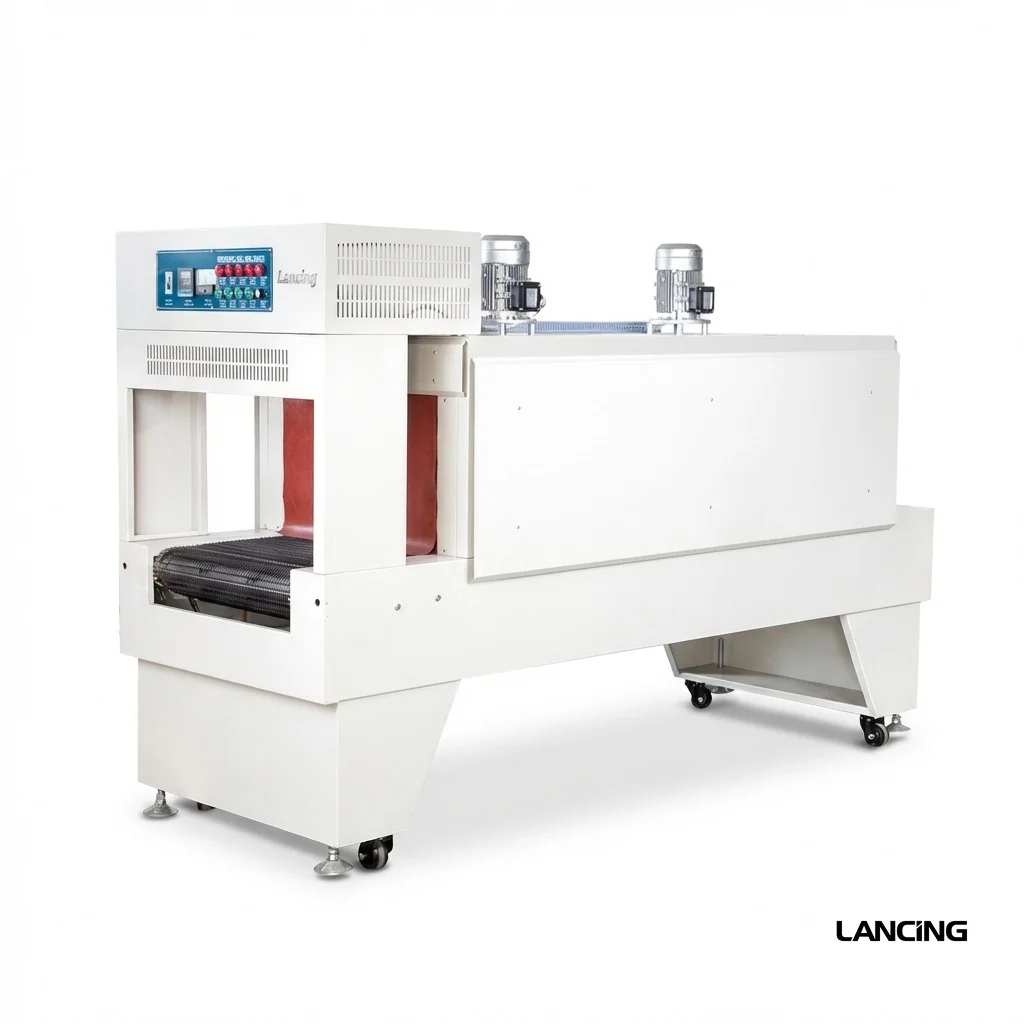
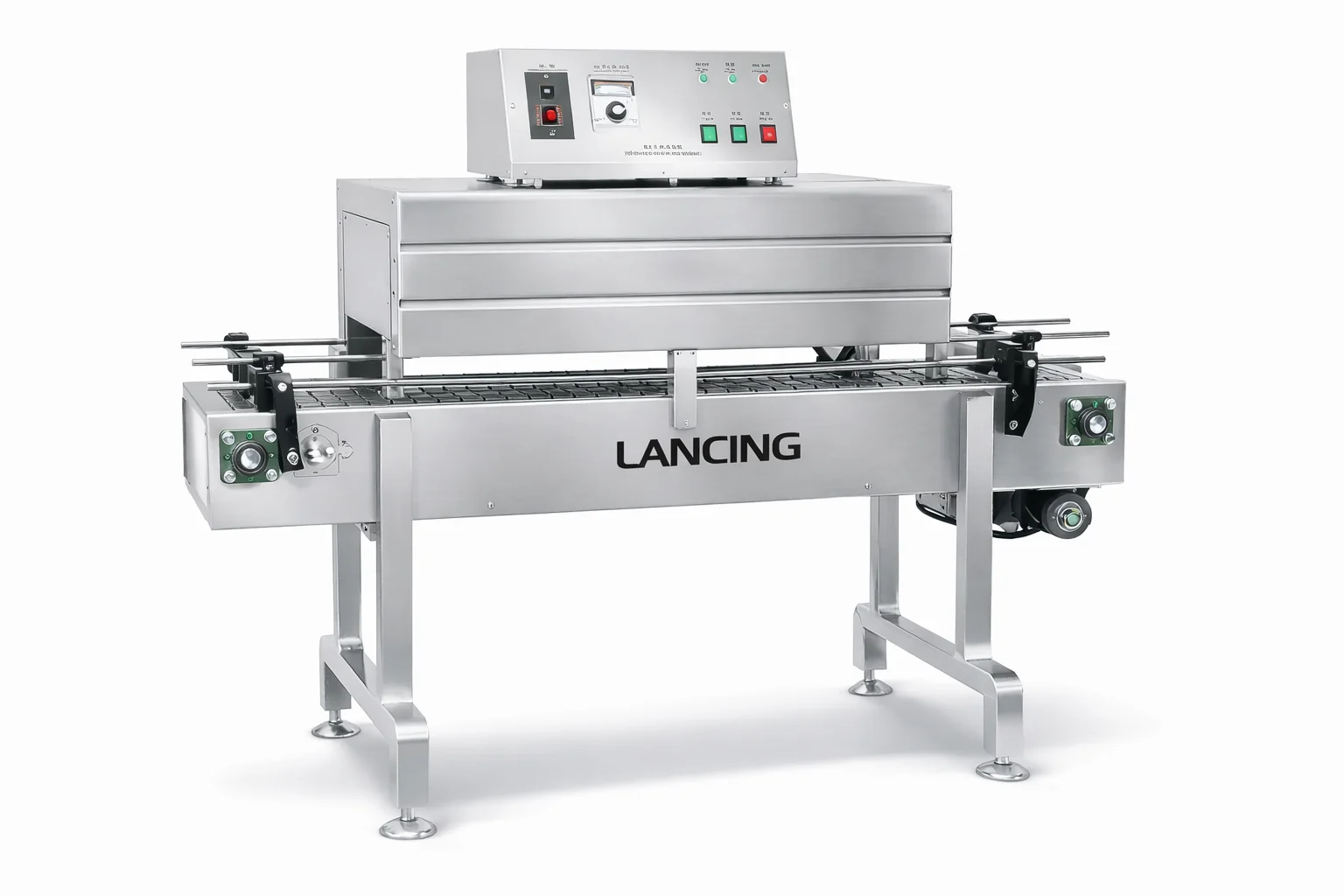
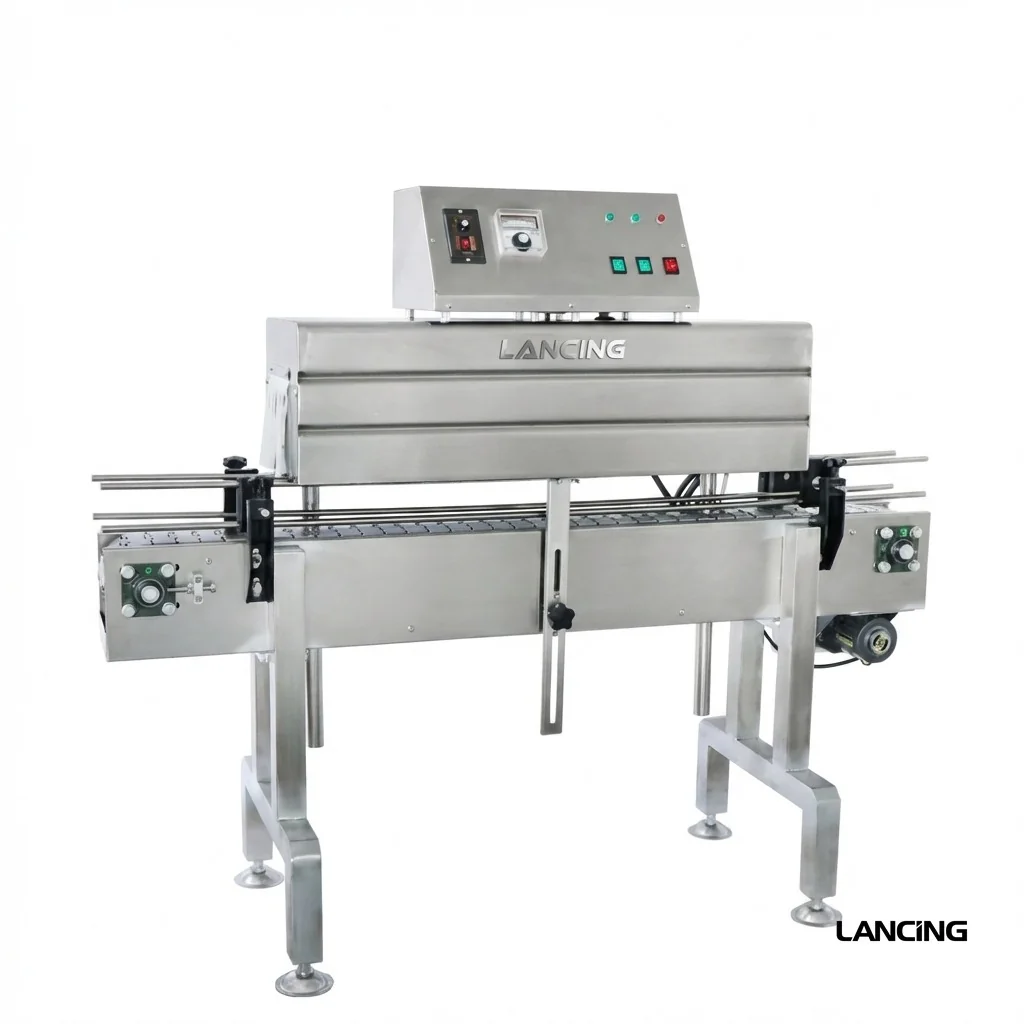
Heat tunnel project notes
Tunnel sizing, film shrink and pack handling
Selection and compatibility guidance
Heat tunnel selection should consider pack size, film type, product heat sensitivity, conveyor speed, finished appearance and outfeed handling. A tunnel that works for one pack format may not be suitable for a larger, heavier or less stable pack without adjustment to film, heat and conveyor settings.
Provide pack samples, film details, required finish, pack dimensions and any heat-sensitive components. If the tunnel follows an L-sealer, sleeve sealer or flow wrapper, the infeed spacing and seal quality should be checked before selecting the tunnel arrangement.
Before requesting a quotation
Confirm the production environment, changeover frequency, cleaning method, operator access requirements and whether the machine will operate stand-alone or as part of a wider packaging line. Where the application is close to a machine limit, Lancing may need to review samples before confirming the best equipment route.
Useful samples
Send the product, container or pack, closure, label or film where relevant, plus photographs of the current process and details of available space and utilities.
Heat tunnel trial and integration planning
Match film response, airflow, residence time, cooling and conveyor support to the pack
A heat tunnel should be evaluated with production film and pack because shrink response depends on film construction, orientation, pack geometry, airflow, residence time and cooling. The smallest, largest and least stable packs may need different support.
Tunnel setup should be assessed with the upstream seal or sleeve application and downstream cooling. Excessive heat, uneven air or insufficient cooling can affect labels, closures, product or appearance.
Use the site guide for electrical, ventilation and access information, and define accepted finished-pack appearance before trials.
Heat-tunnel evidence
- Production film specification
- Pack dimensions and weight
- Required shrink appearance
- Heat-sensitive product, label or closure
- Conveyor support and spacing
- Electrical and ventilation information
- Cooling and downstream handling