
Screw Capping
Browse screw capping machines.
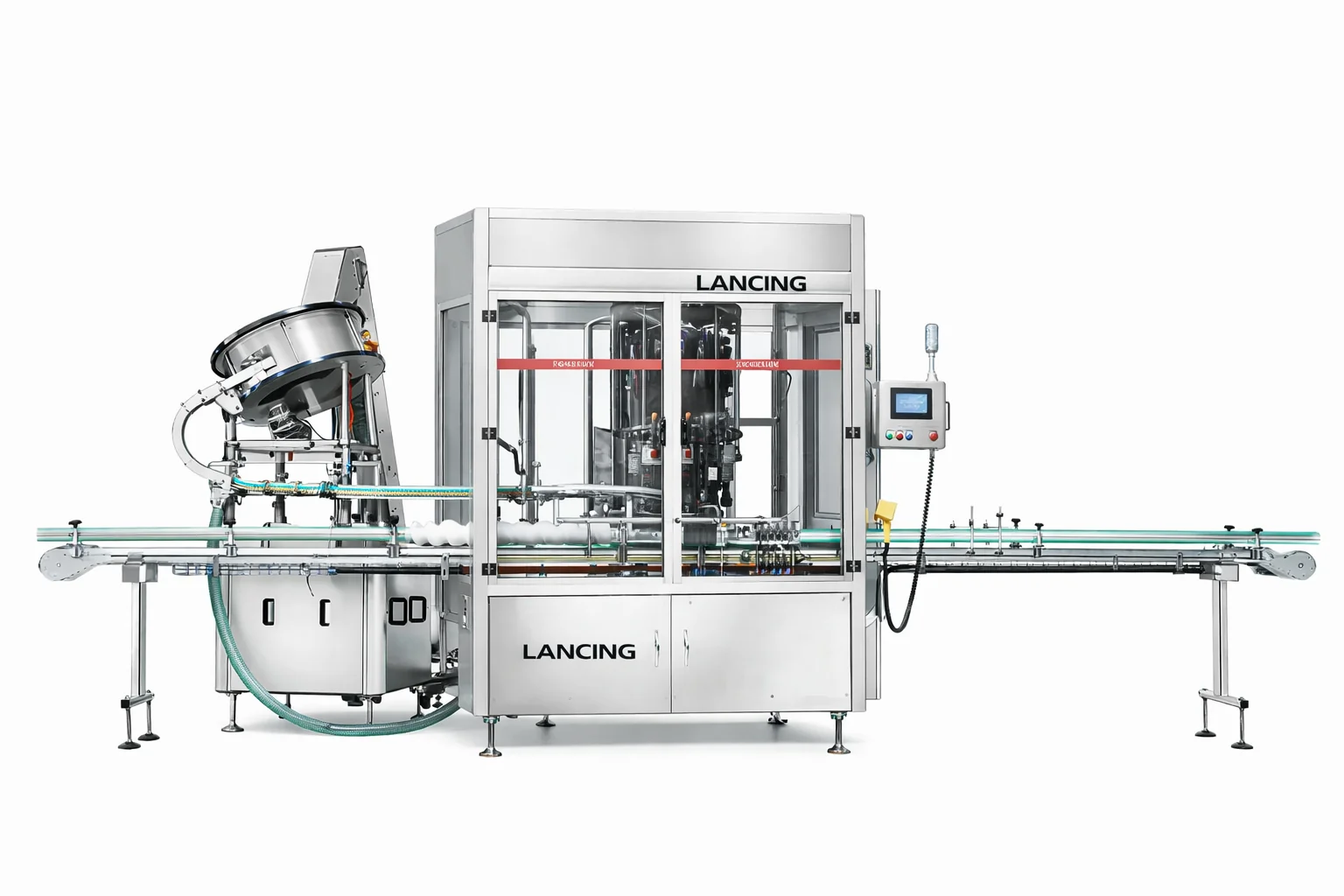
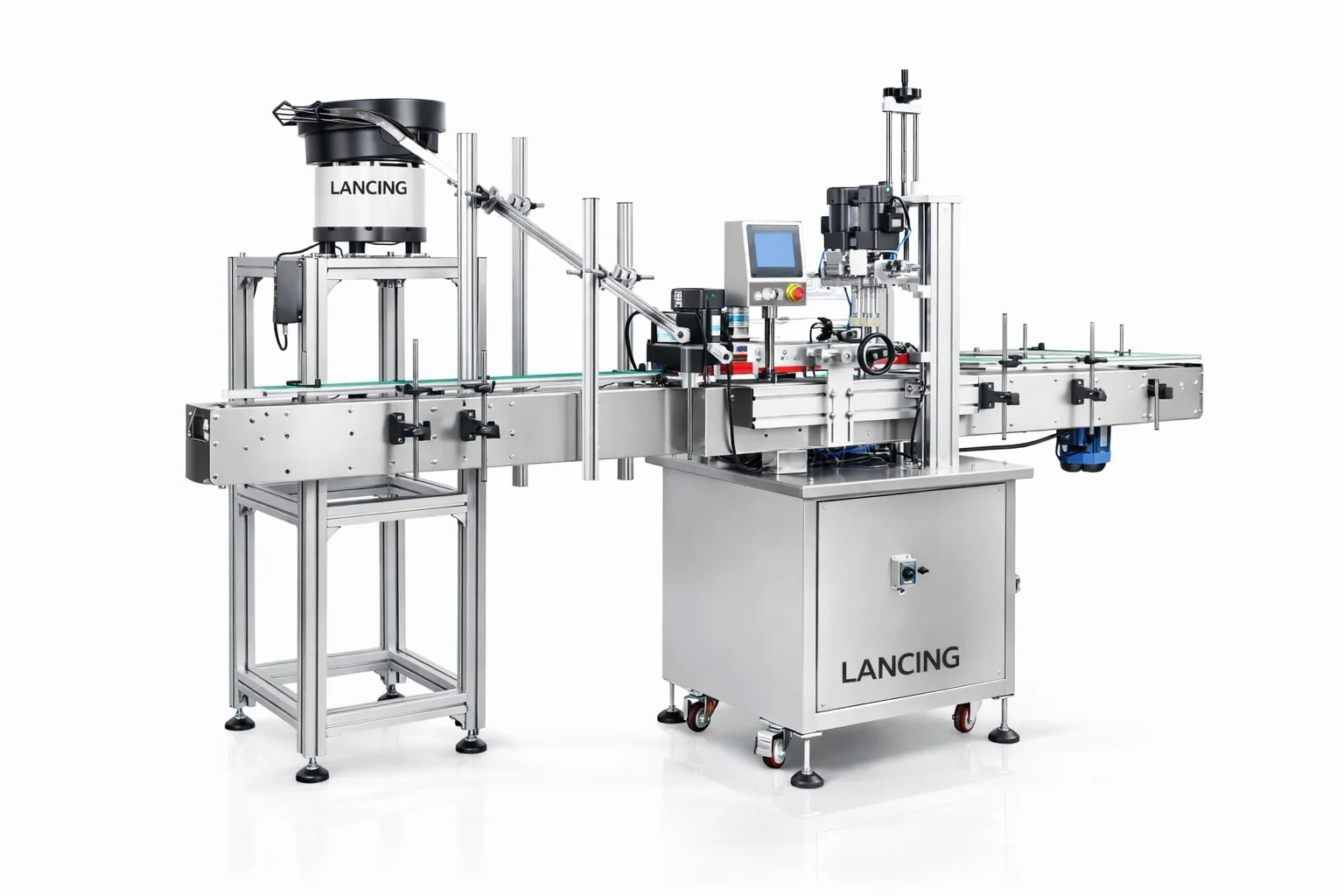
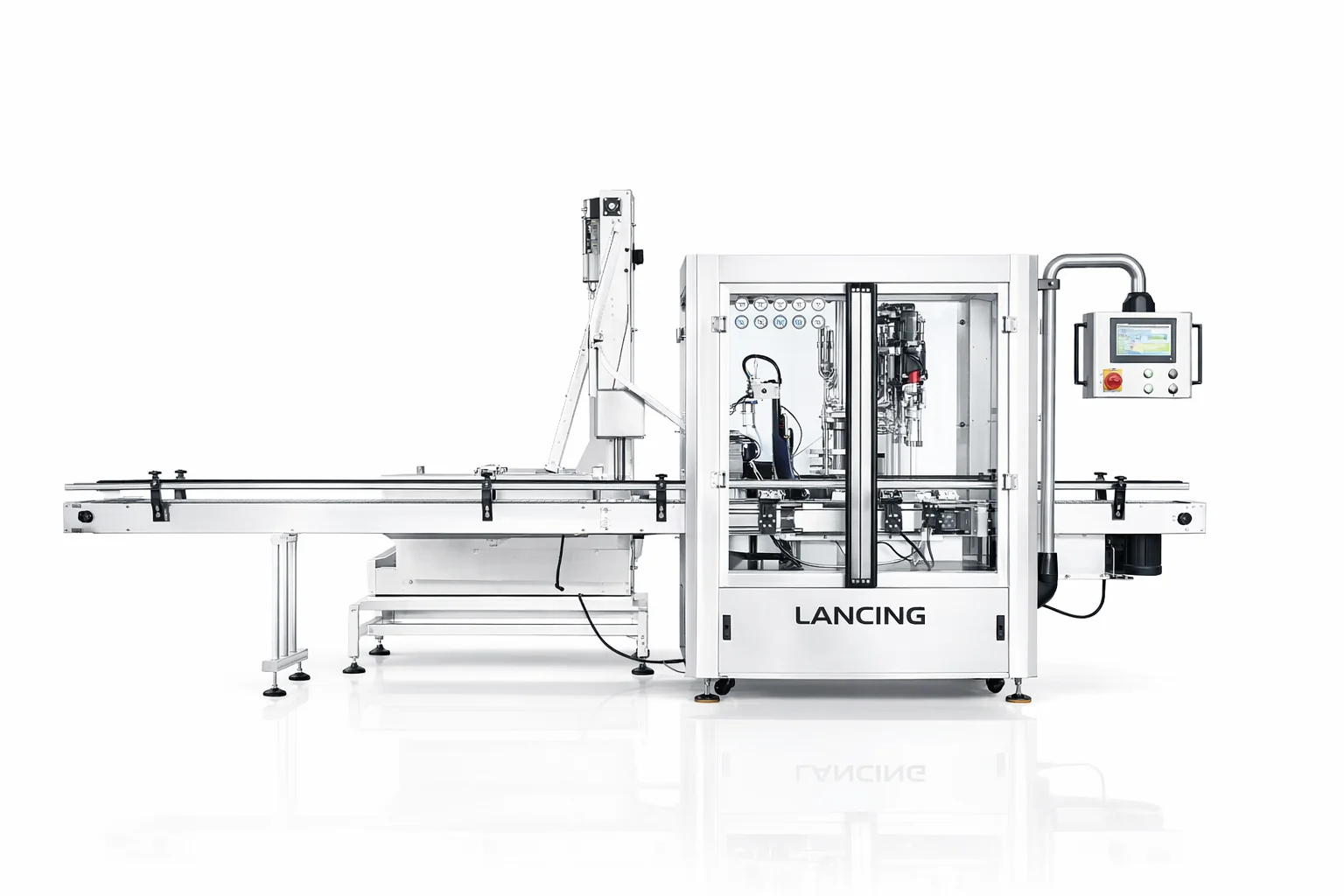
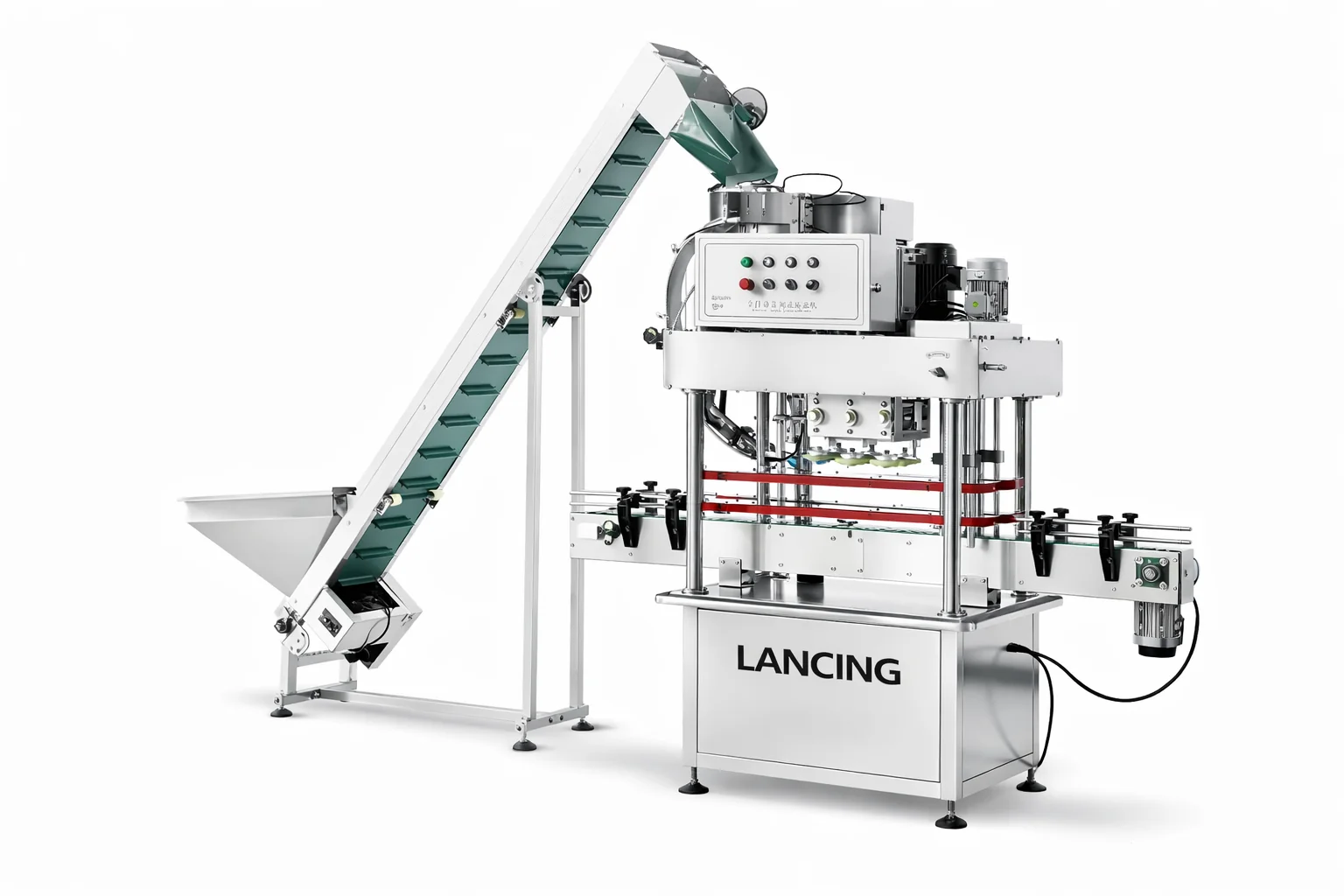
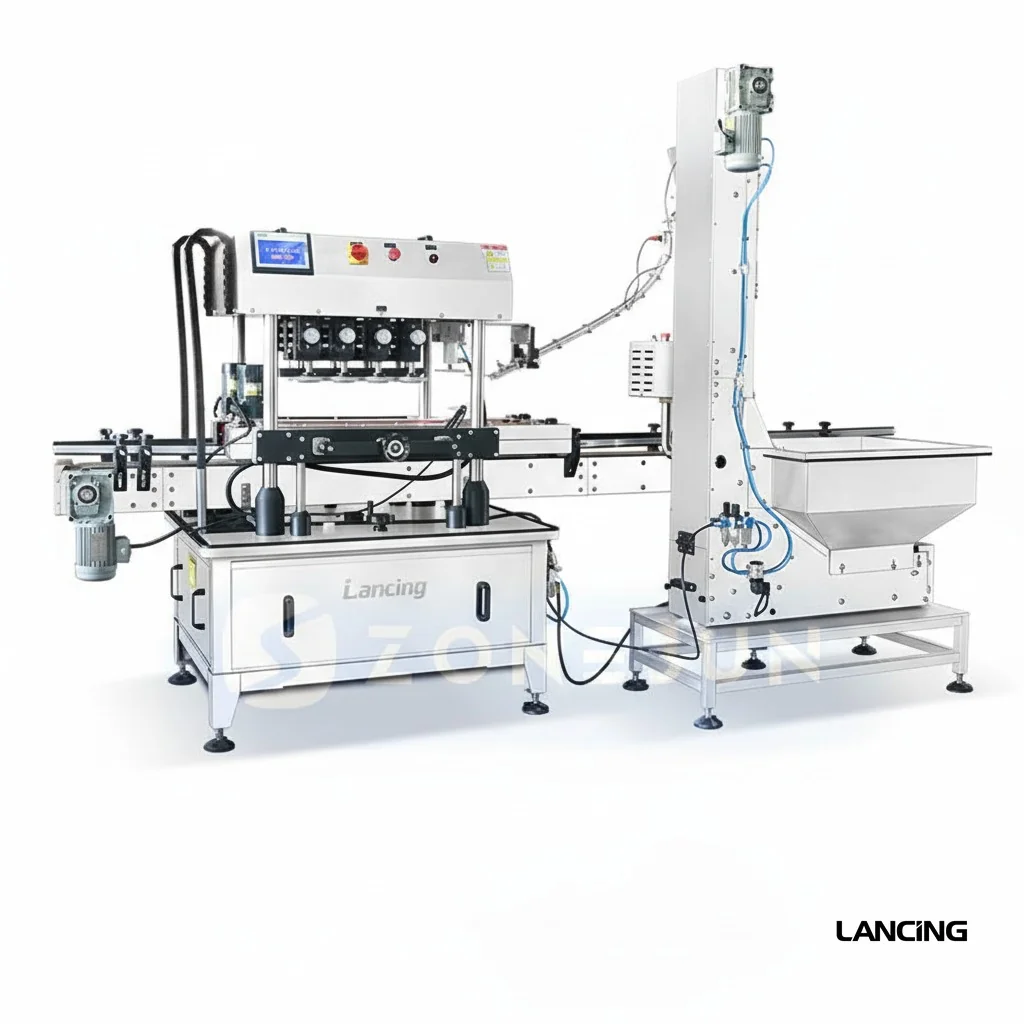
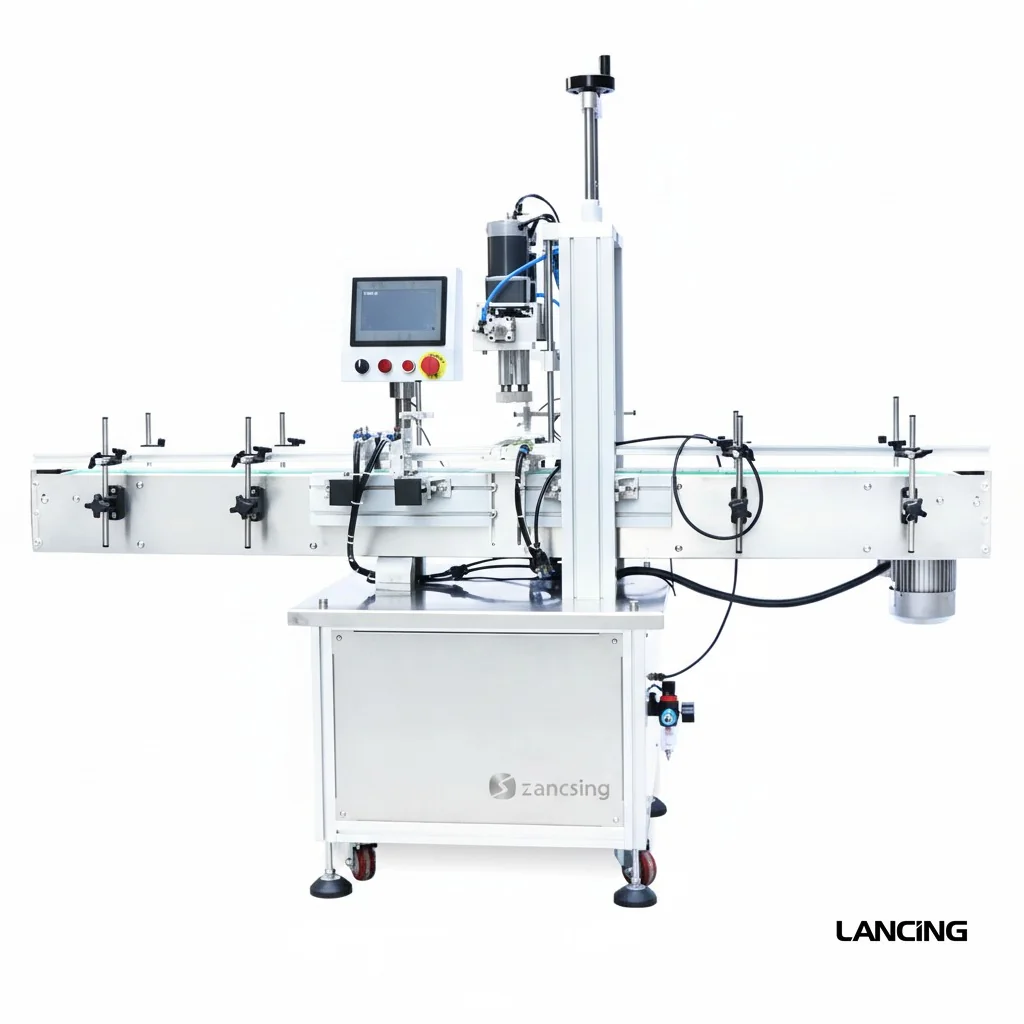
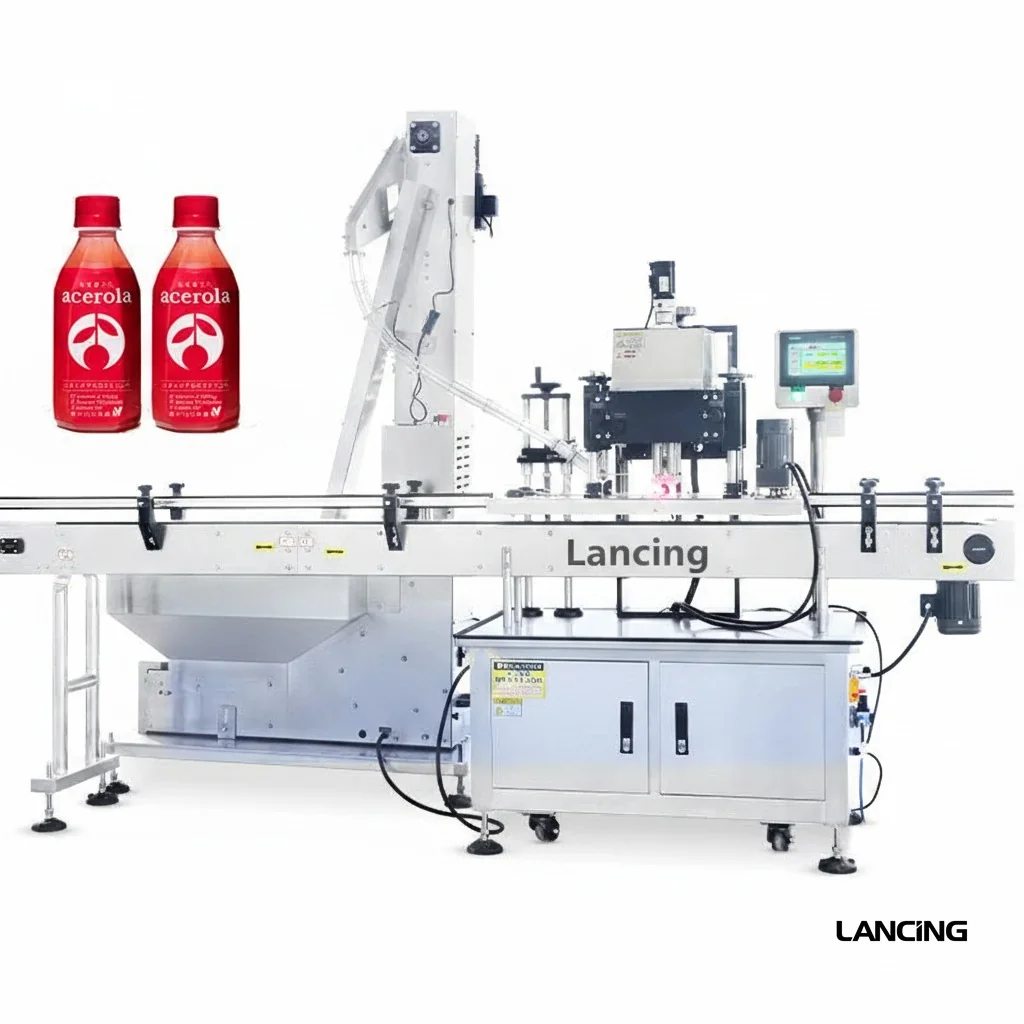
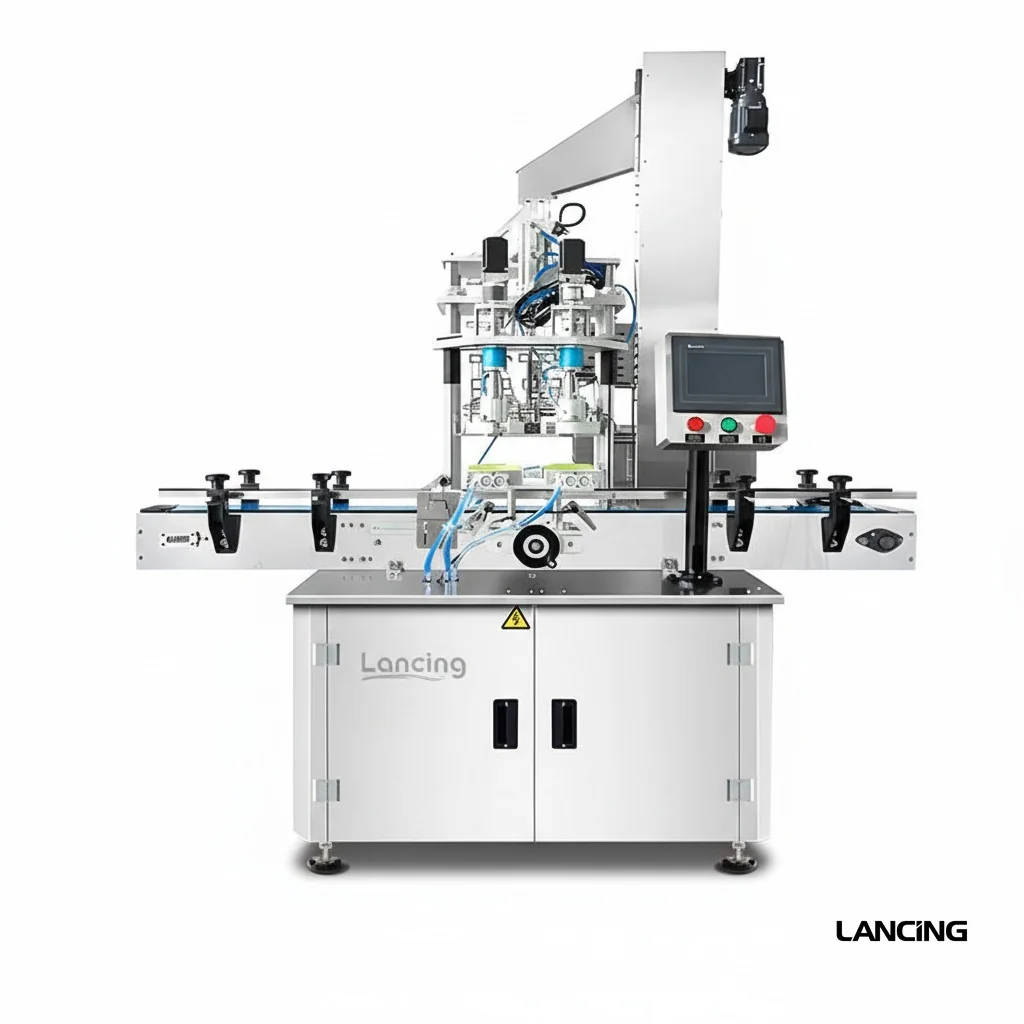
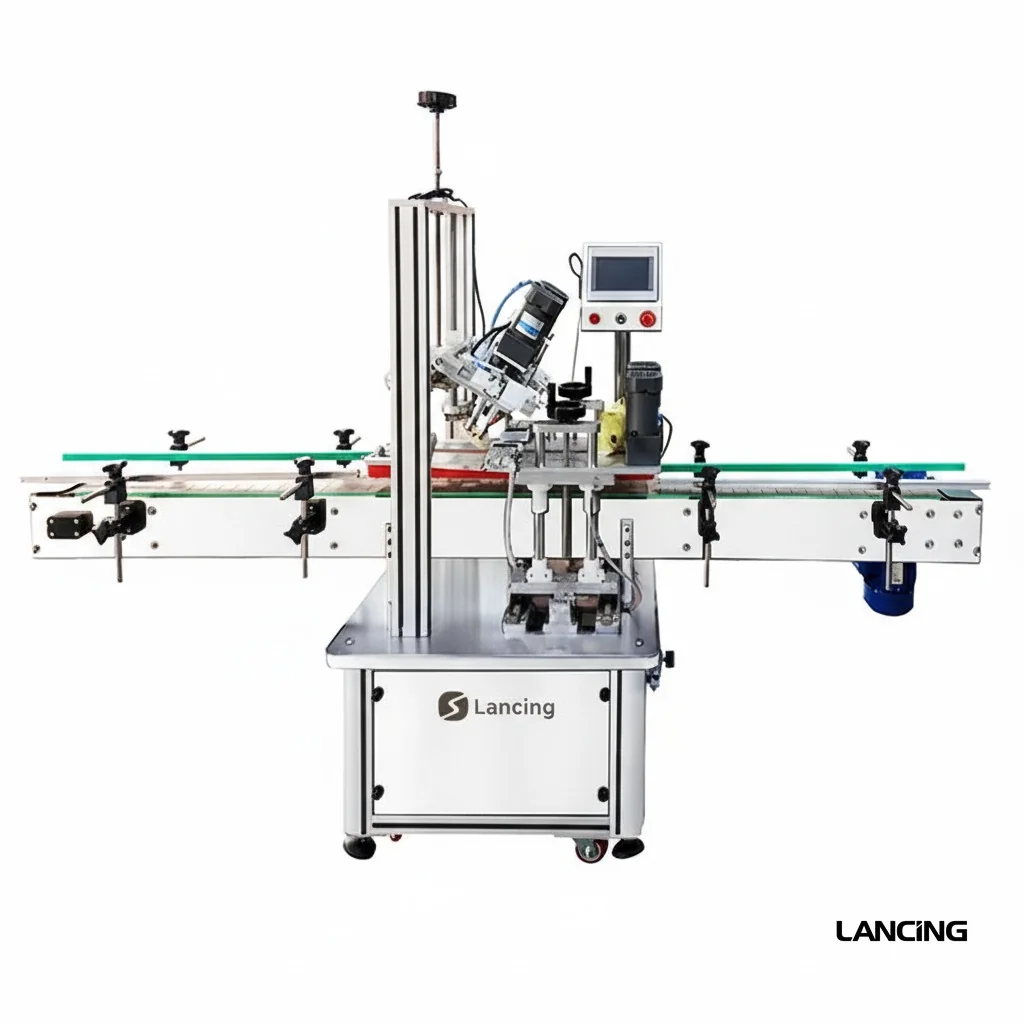
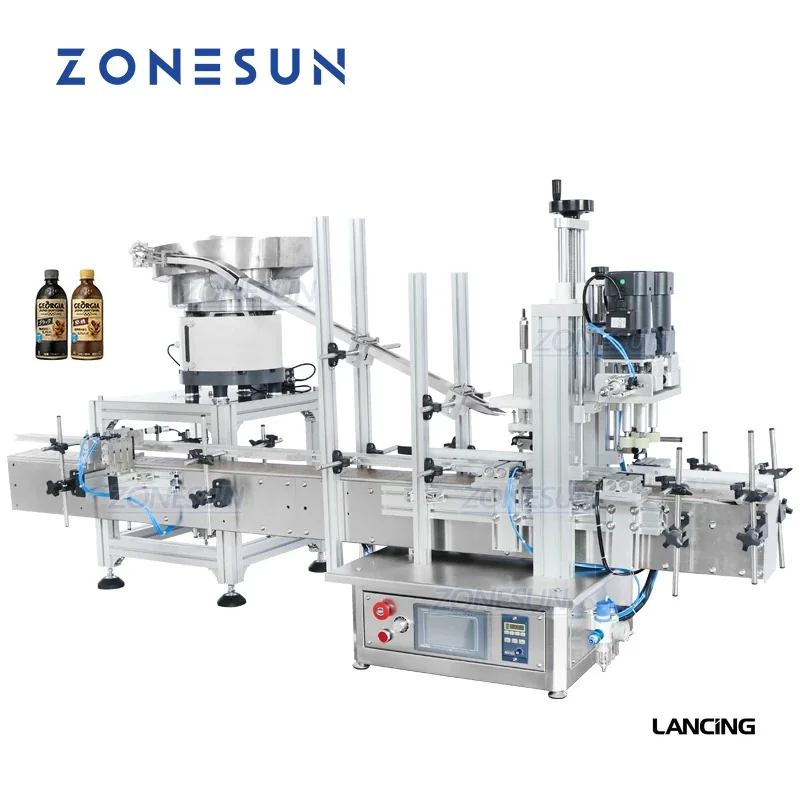
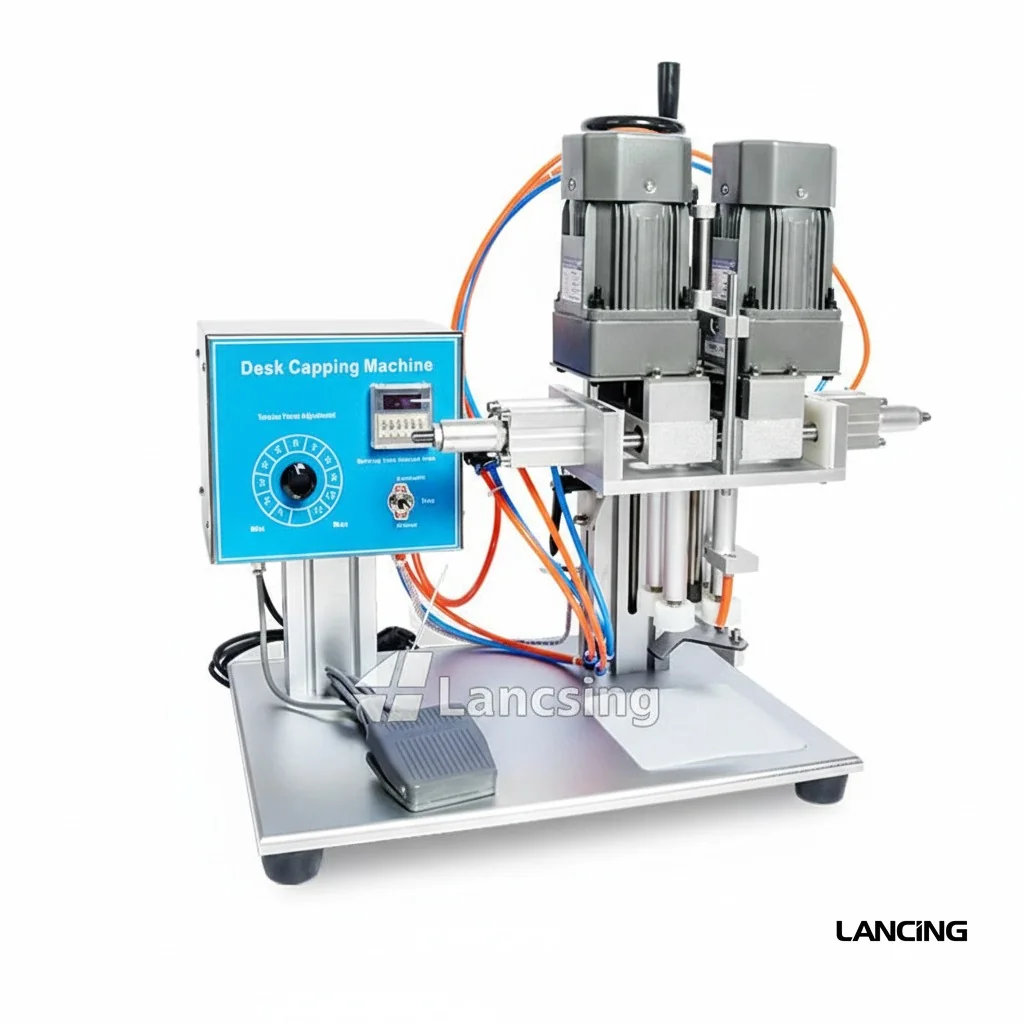
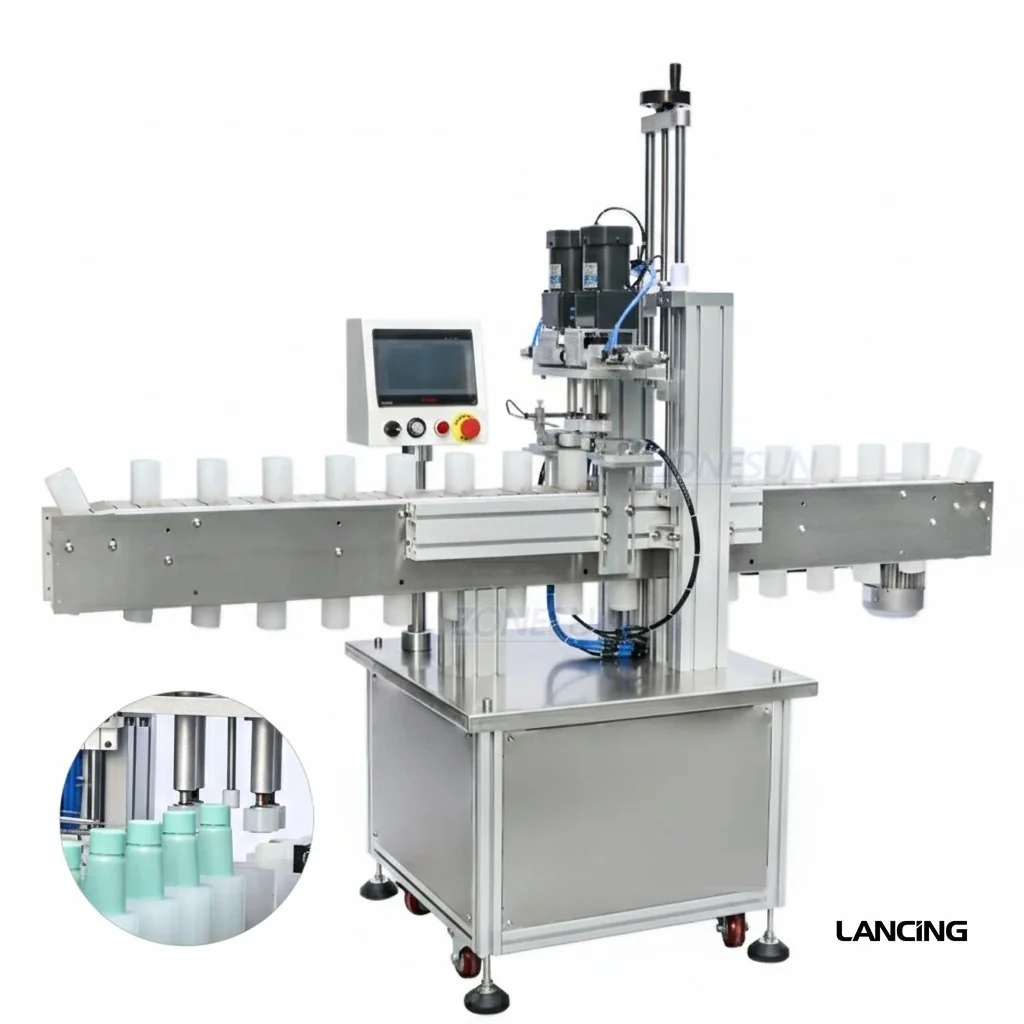
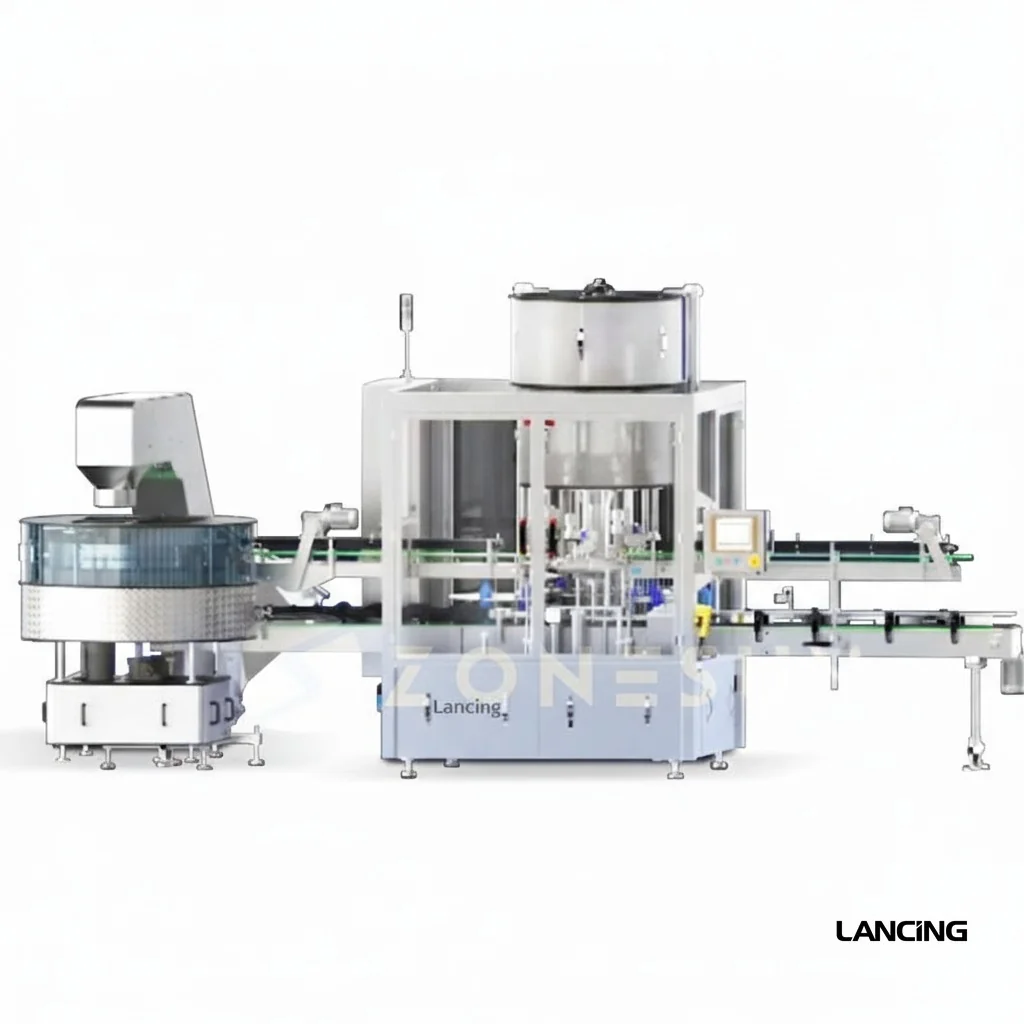
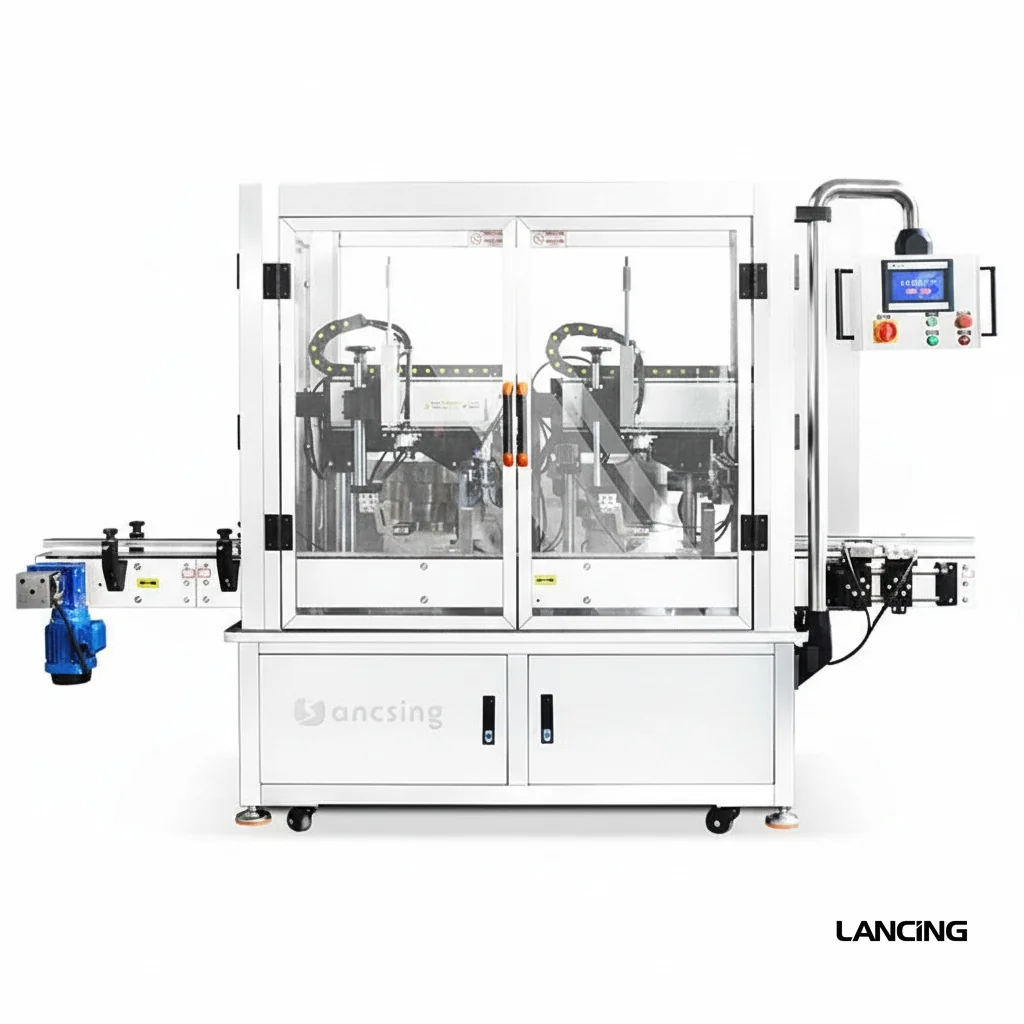
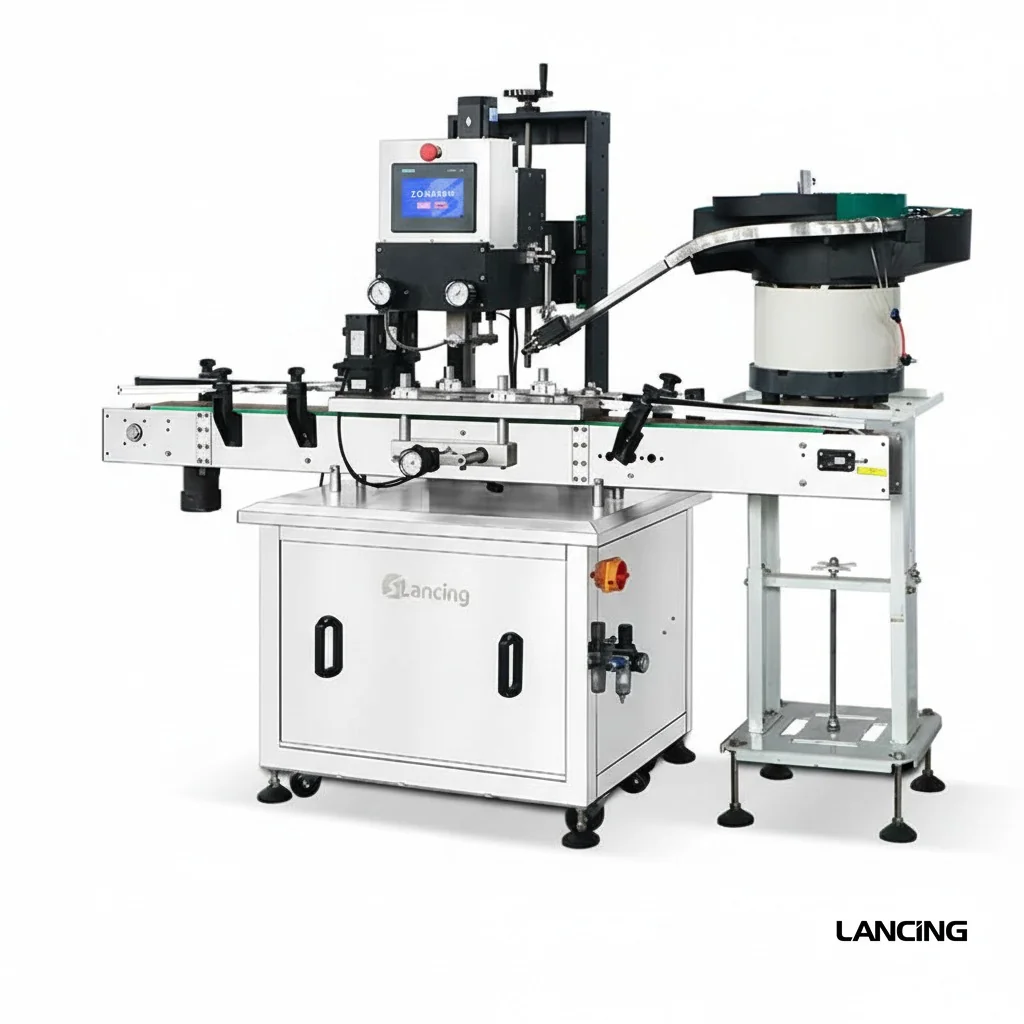
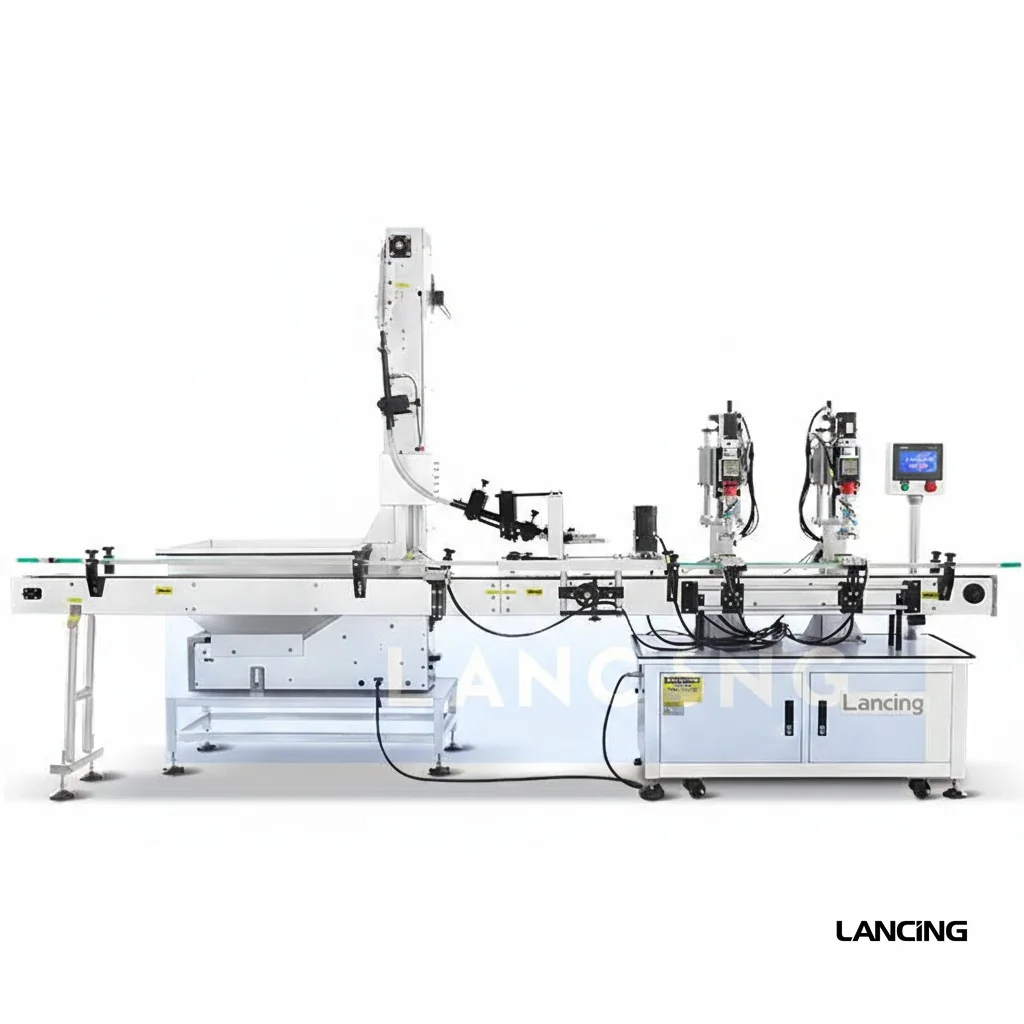
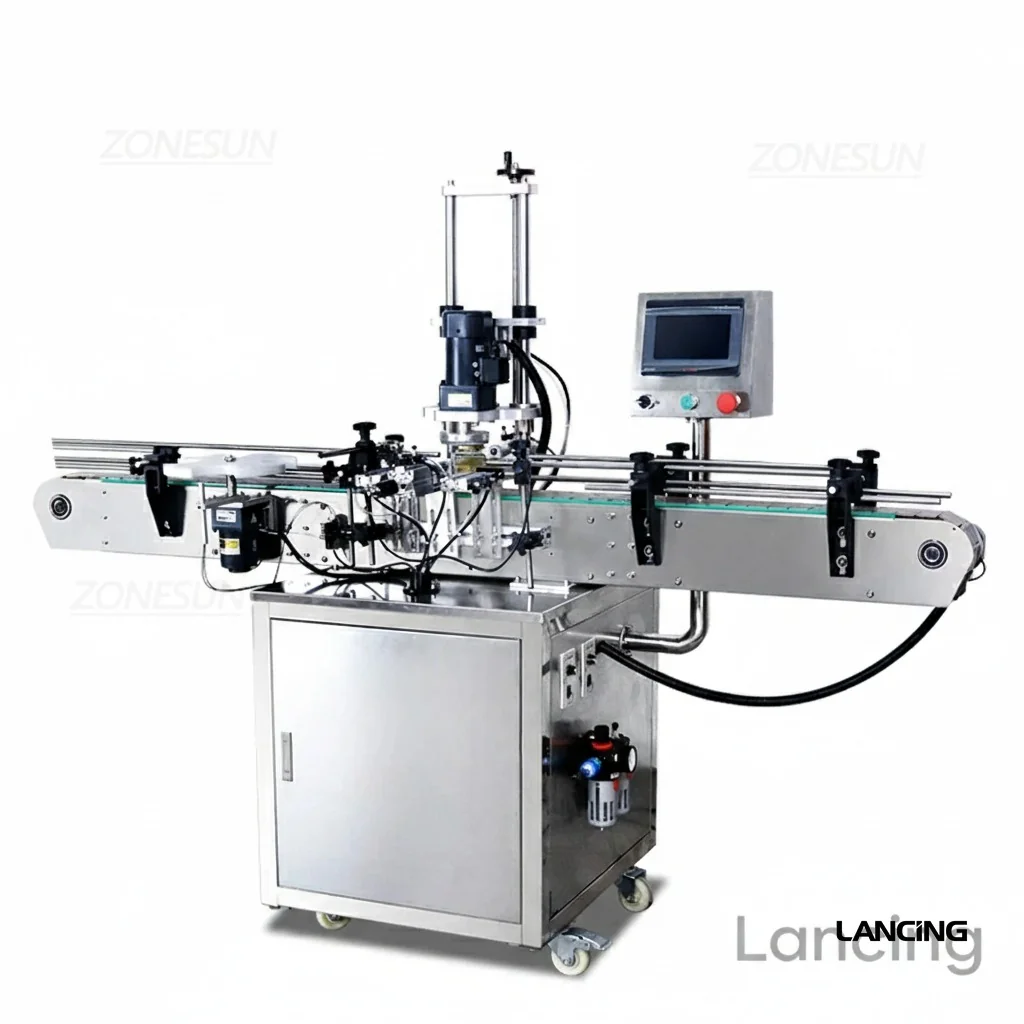
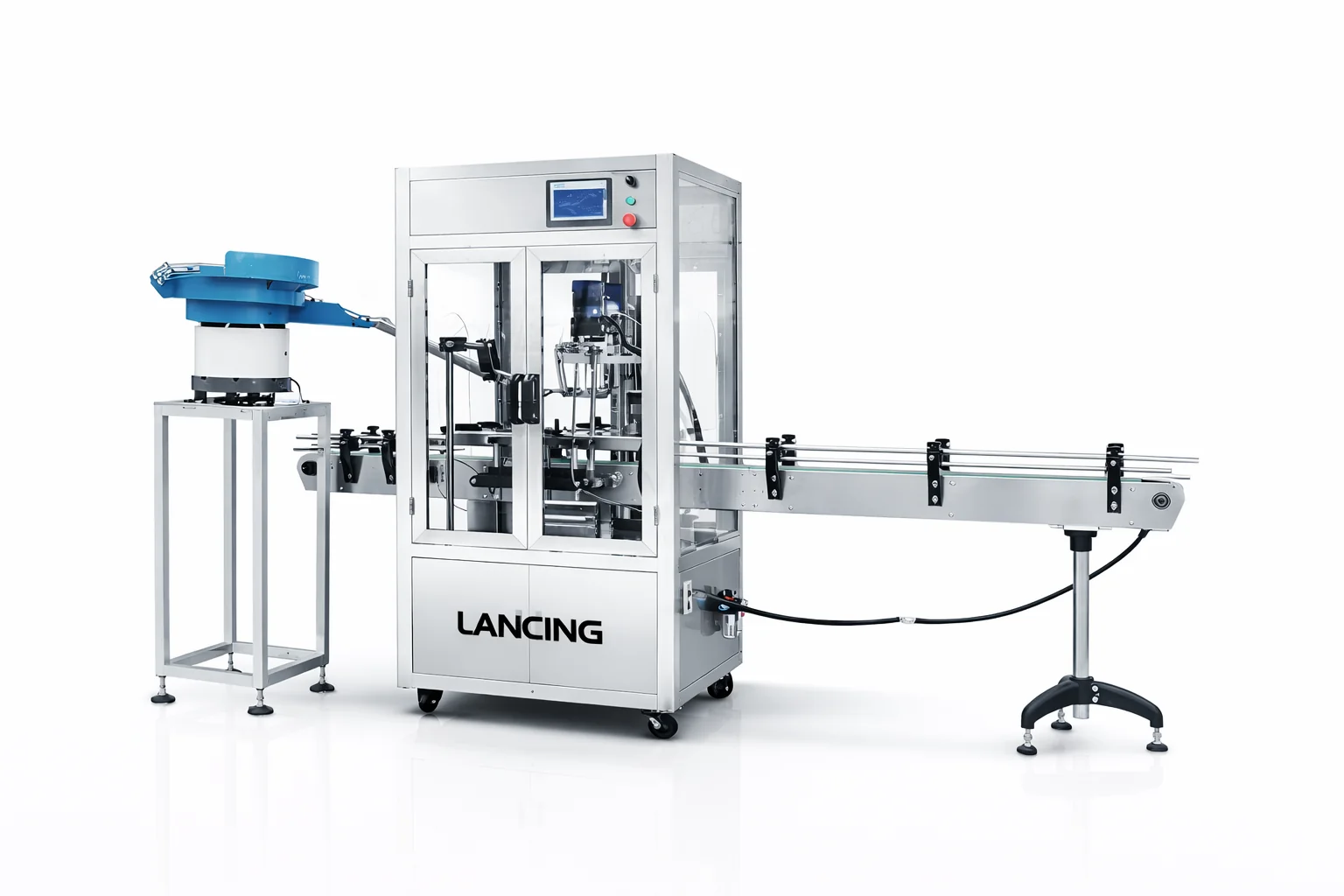
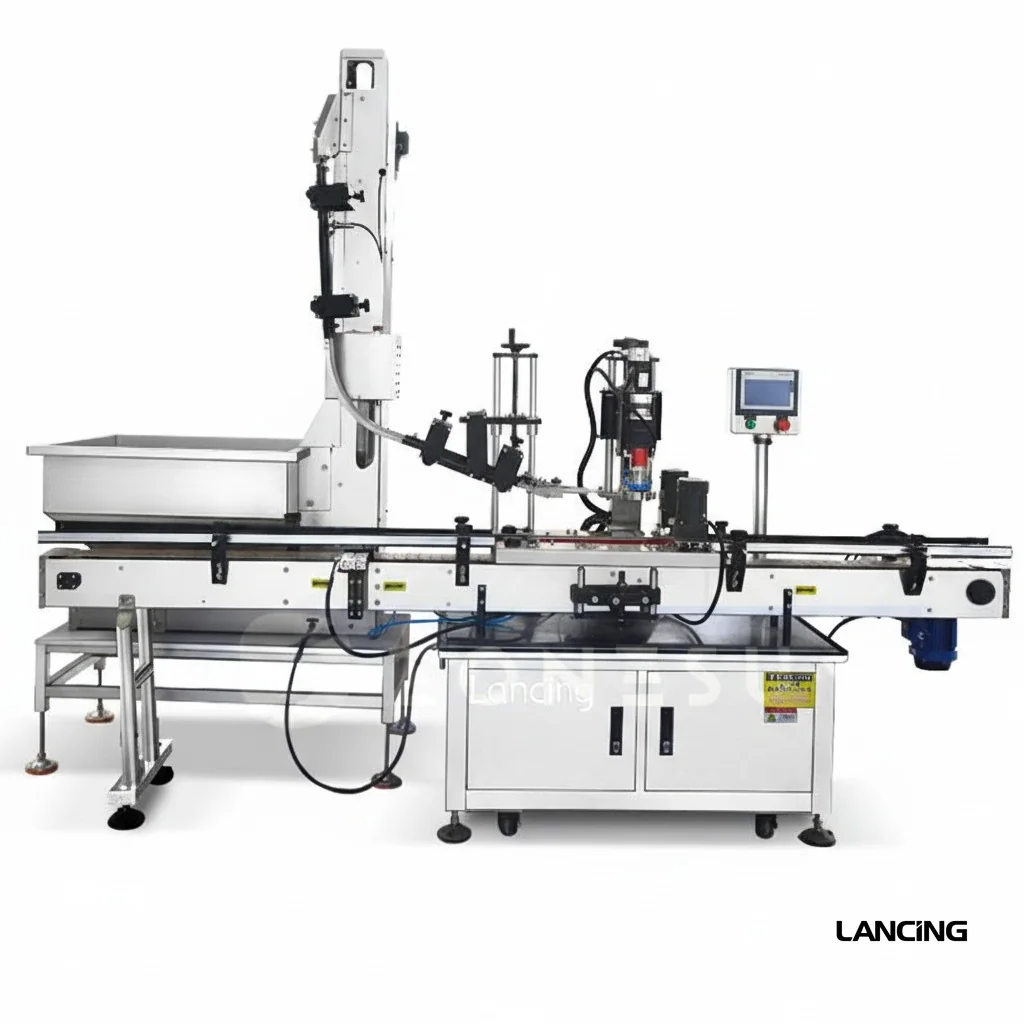
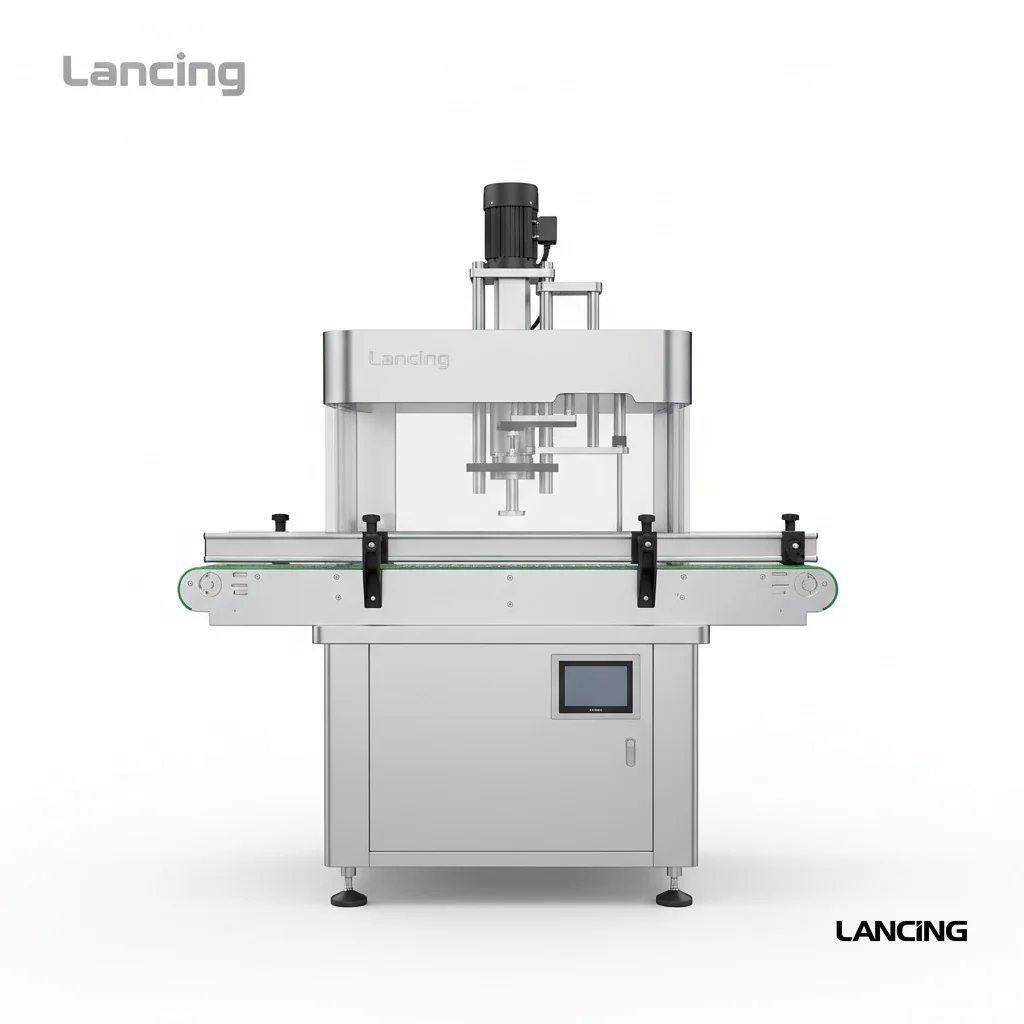
Screw capping project notes
Closure control, bottle stability and torque considerations
Selection and compatibility guidance
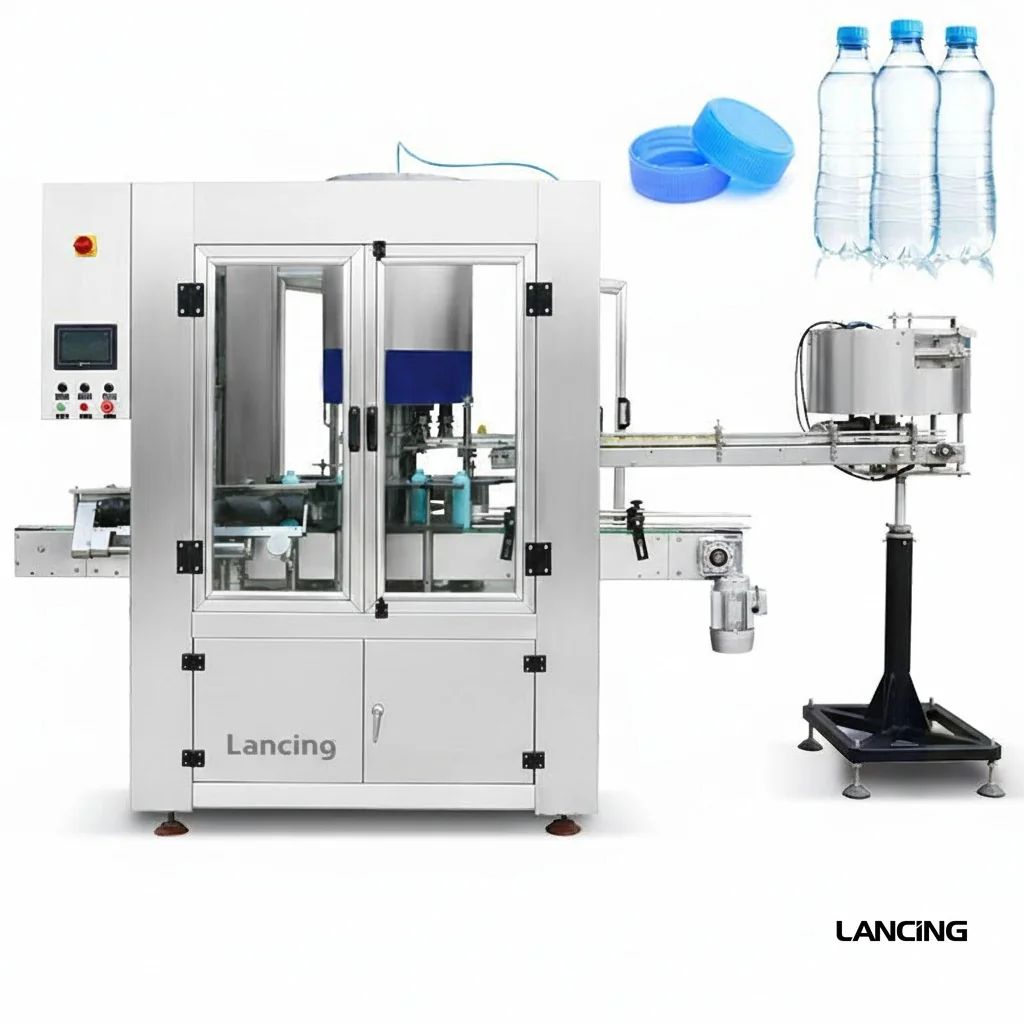
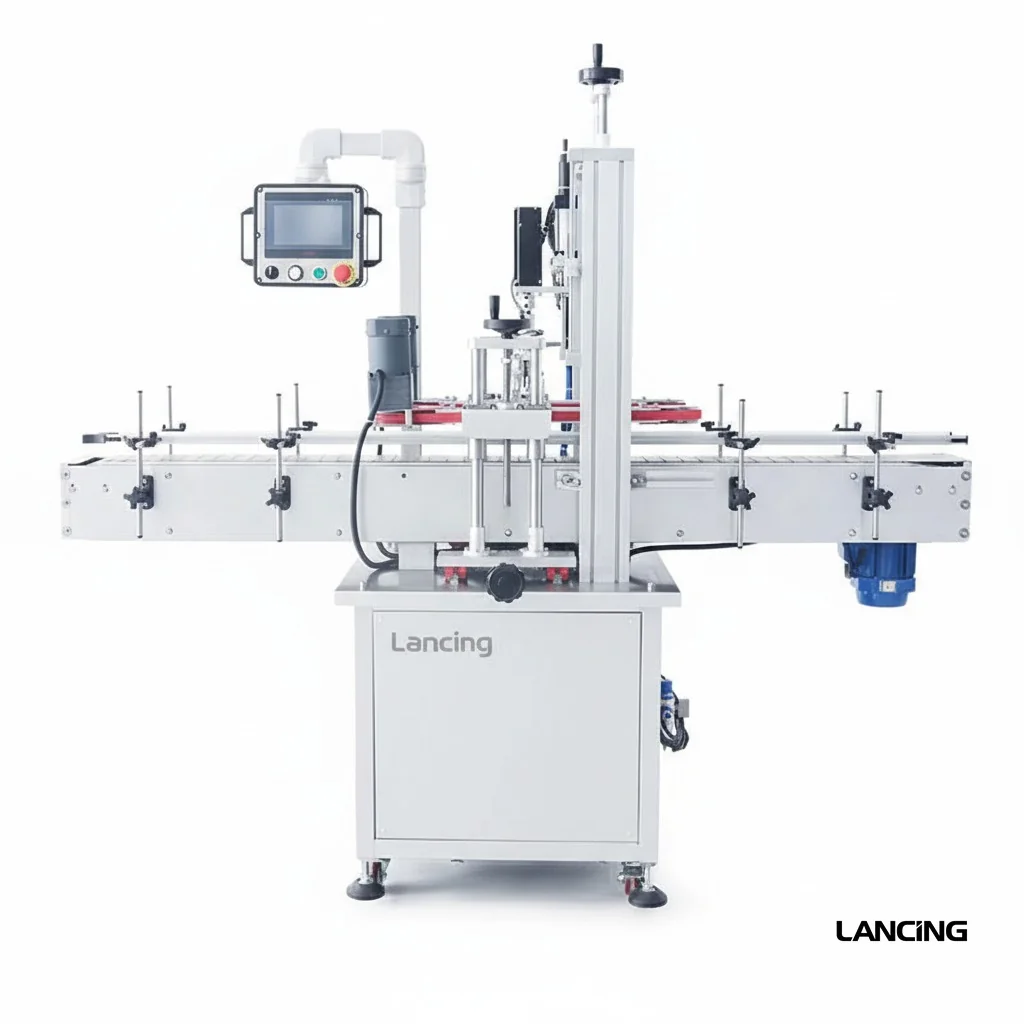
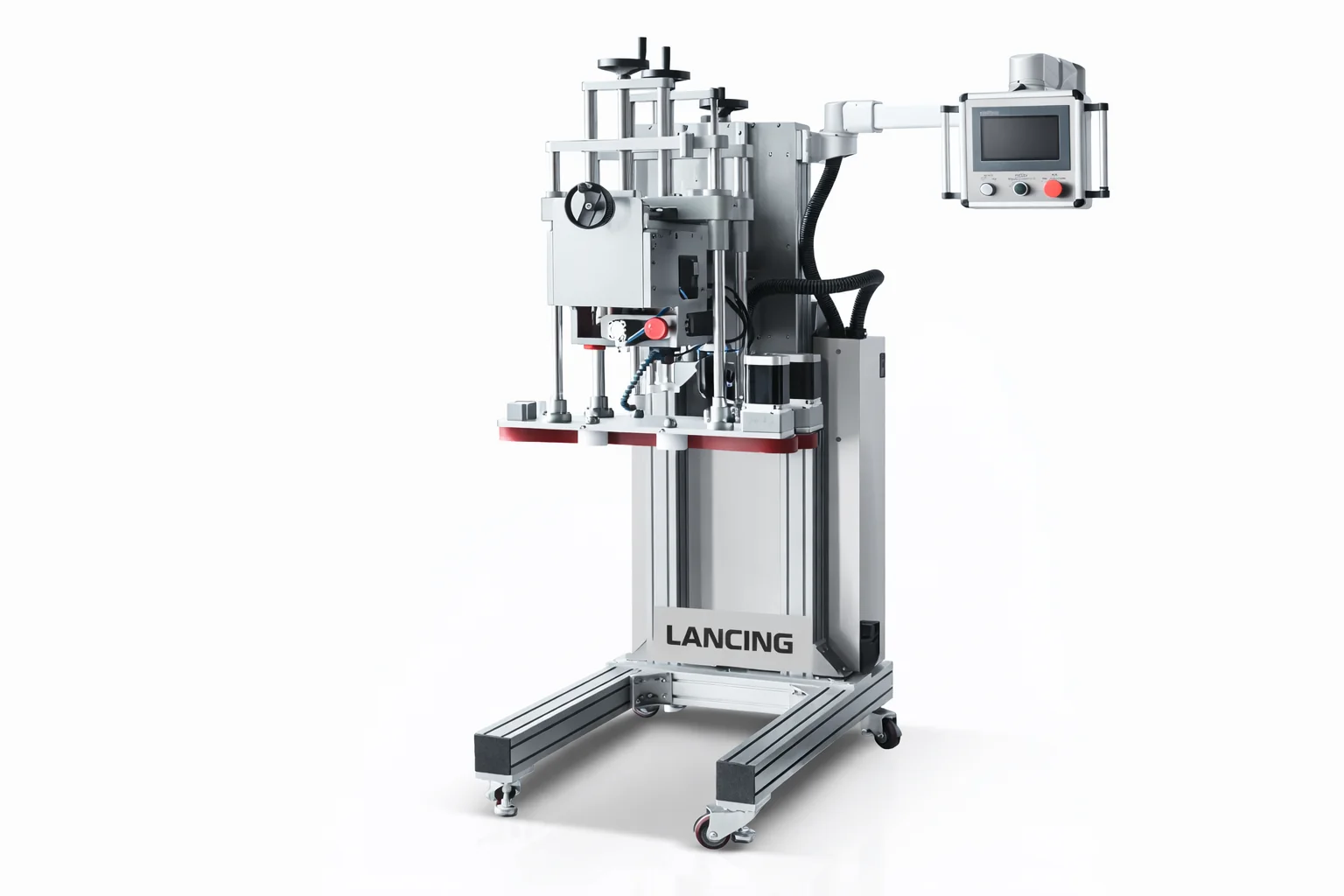
Screw capping machinery should be specified around the closure, thread, bottle shape and how the cap reaches the bottle. A stable round bottle with a simple screw cap is very different from an unstable shaped container or a closure that must be oriented before tightening. Product residue around the neck can also affect torque and cap seating.
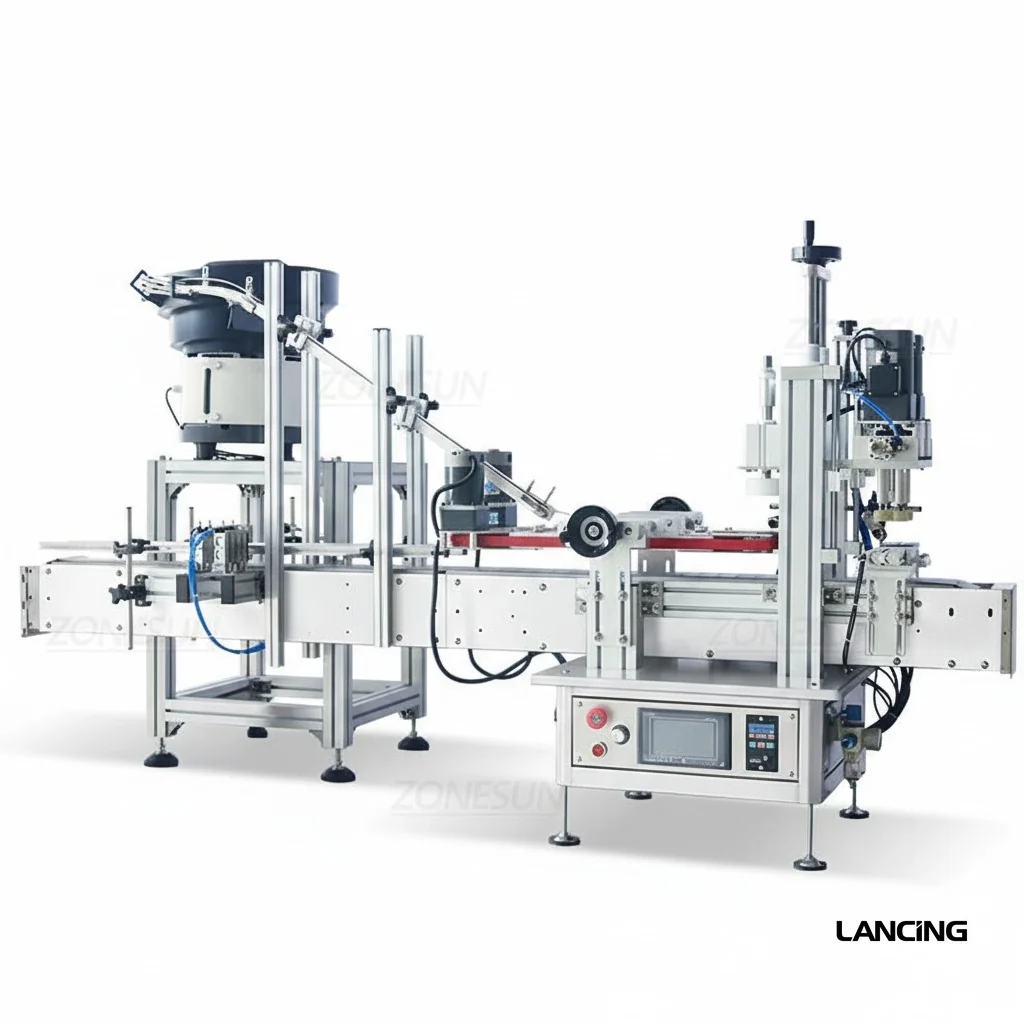
Send bottle and cap samples from normal production stock, including any known variation between batches. State whether caps will be placed by an operator or fed automatically, and whether the capper must link to an existing filler, conveyor or labeller. The best option may be semi-automatic for lower volumes or automatic where consistent feeding and line integration are required.
Before requesting a quotation
Confirm the production environment, changeover frequency, cleaning method, operator access requirements and whether the machine will operate stand-alone or as part of a wider packaging line. Where the application is close to a machine limit, Lancing may need to review samples before confirming the best equipment route.
Useful samples
Send the product, container or pack, closure, label or film where relevant, plus photographs of the current process and details of available space and utilities.
Screw capping selection by closure and container
Control cap presentation, thread engagement, bottle support and finished closure checks
A screw cap must arrive in the correct orientation, engage without cross-threading and be tightened while the bottle is supported. Cap geometry, thread start, liner, tamper band, neck and product on the thread affect the result.
Use the bottle guide to connect filling, capping and labelling, and the cap feeder page where automatic orientation is required.
The machine setting should be checked against the customer’s finished-closure method on representative caps and bottles.
Screw-cap evidence
- Cap and bottle samples
- Thread and tamper-band variation
- Manual placement or feeder
- Bottle support and stability
- Required closure or torque check
- Cap tooling and format changes
- Upstream neck cleanliness