
Liquid Filling
Browse liquid filling machines.
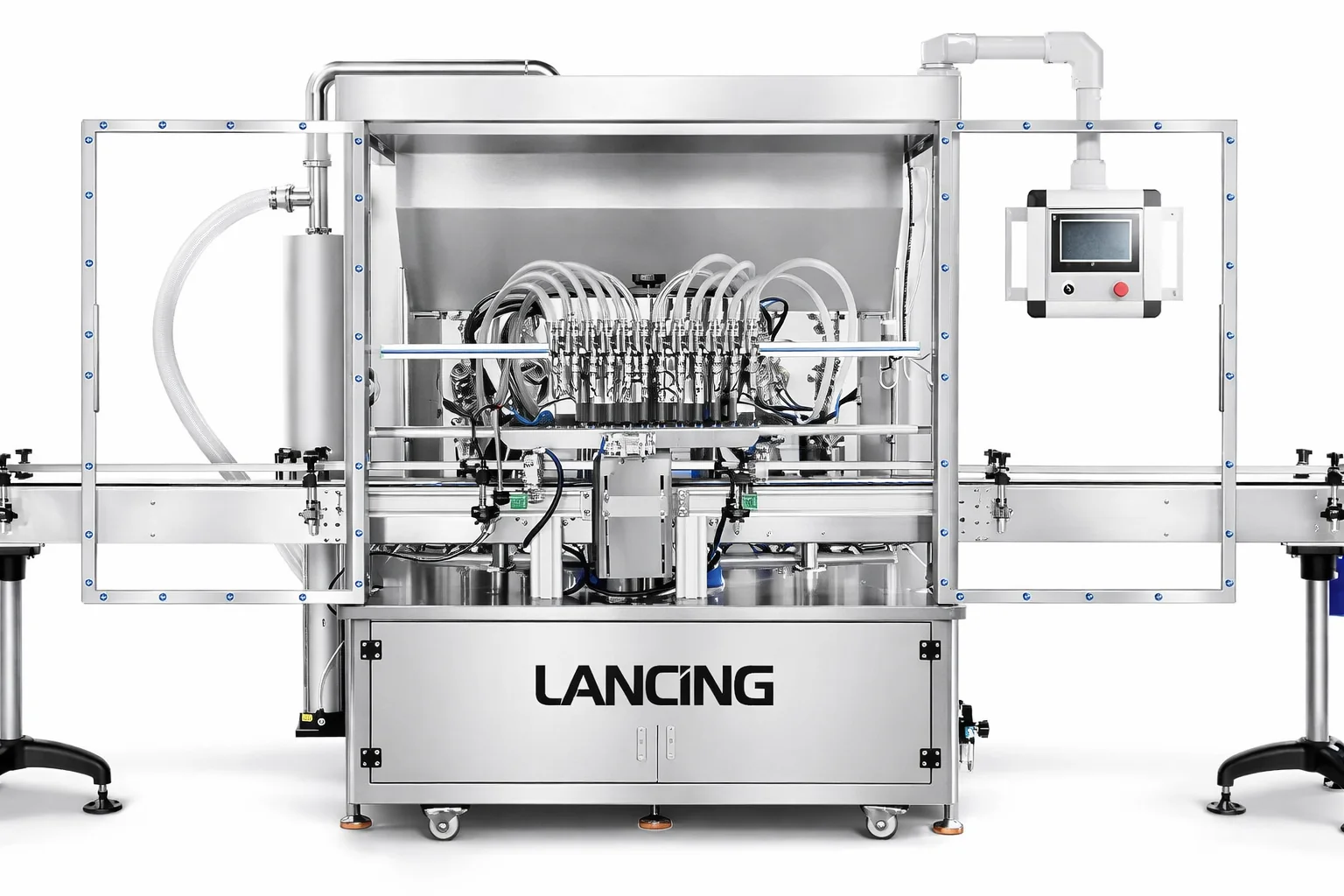
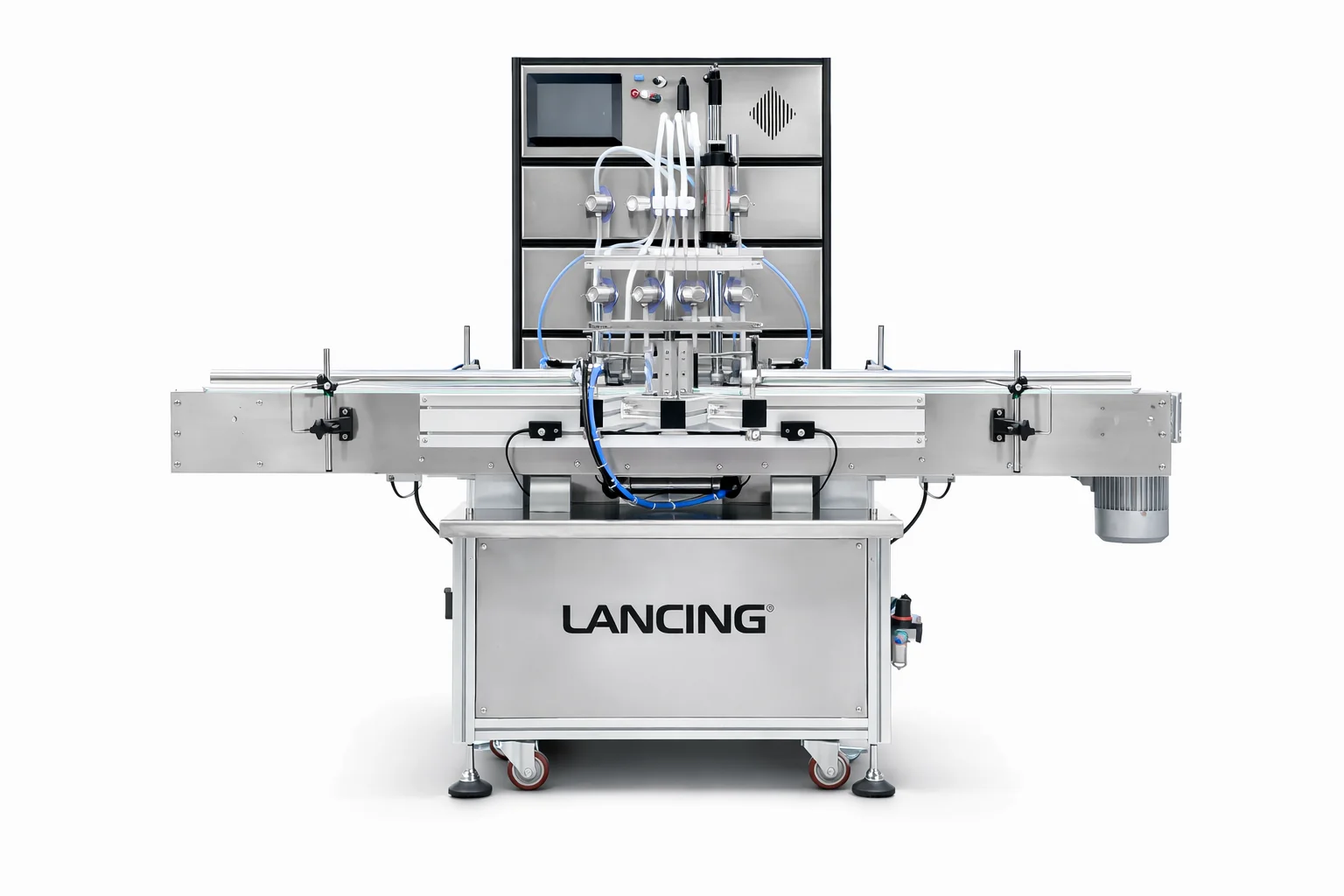
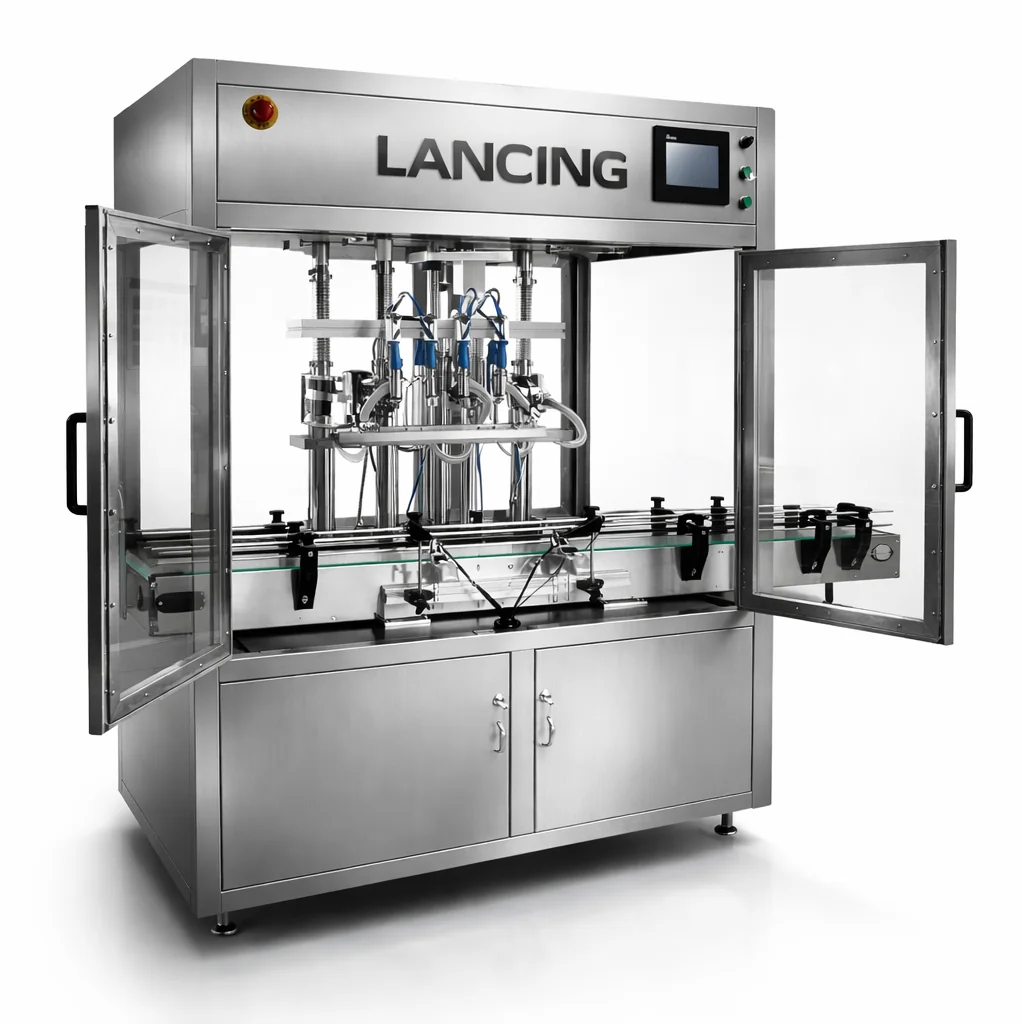
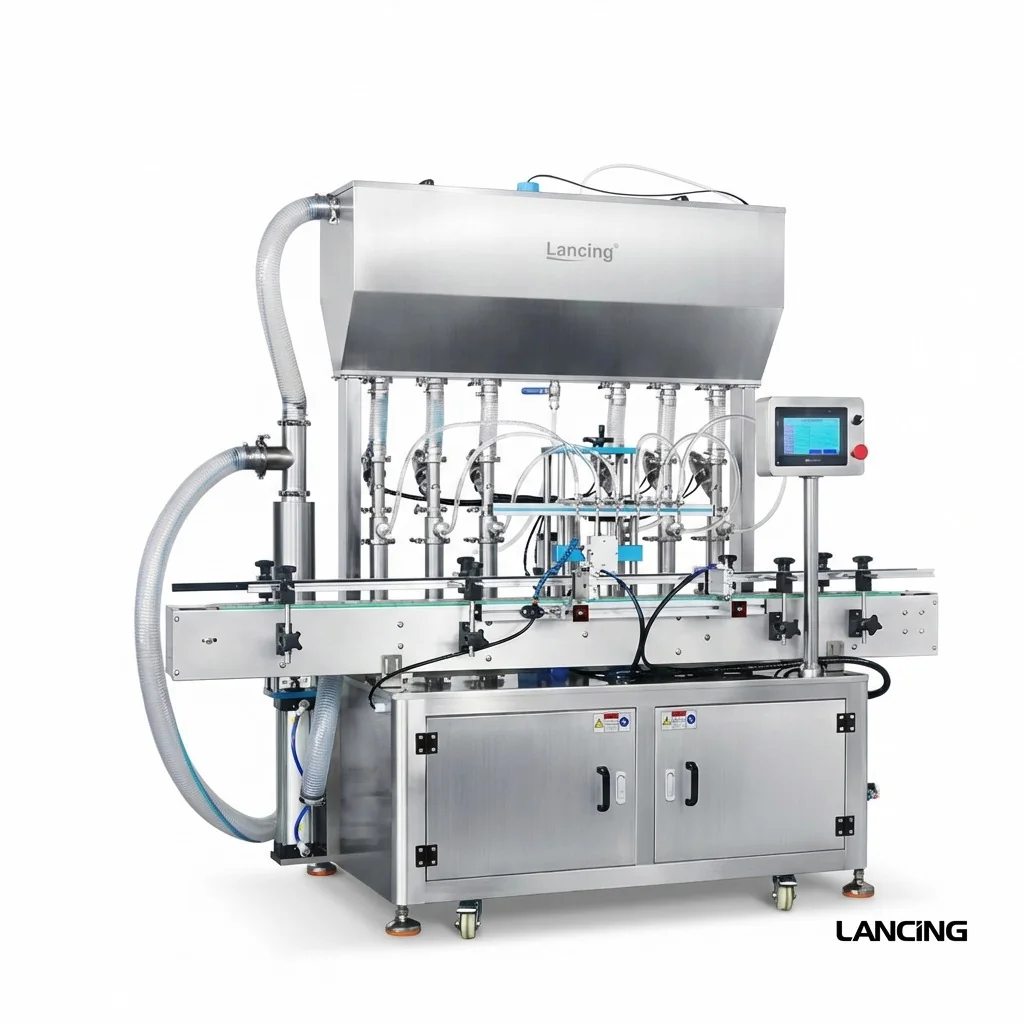
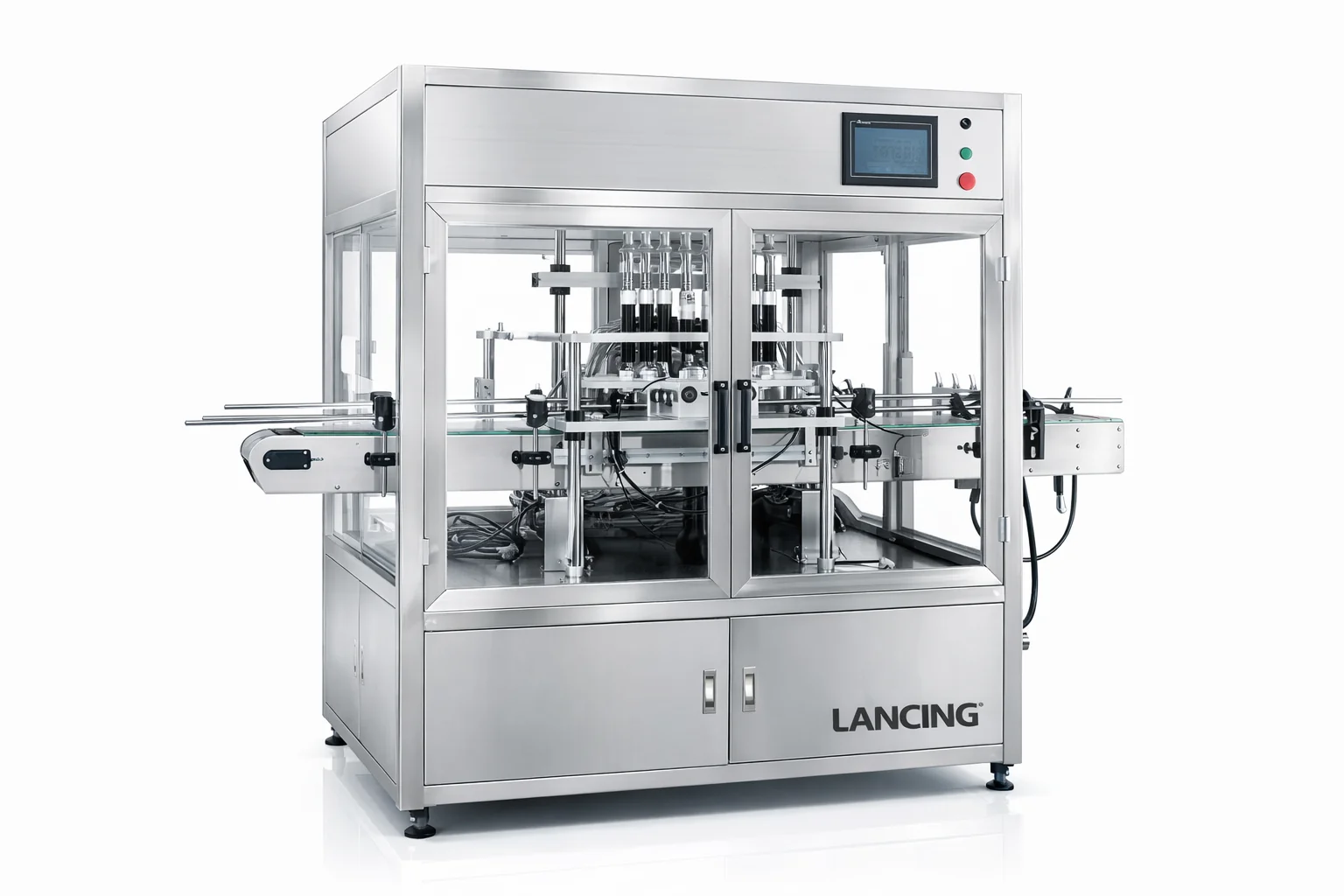
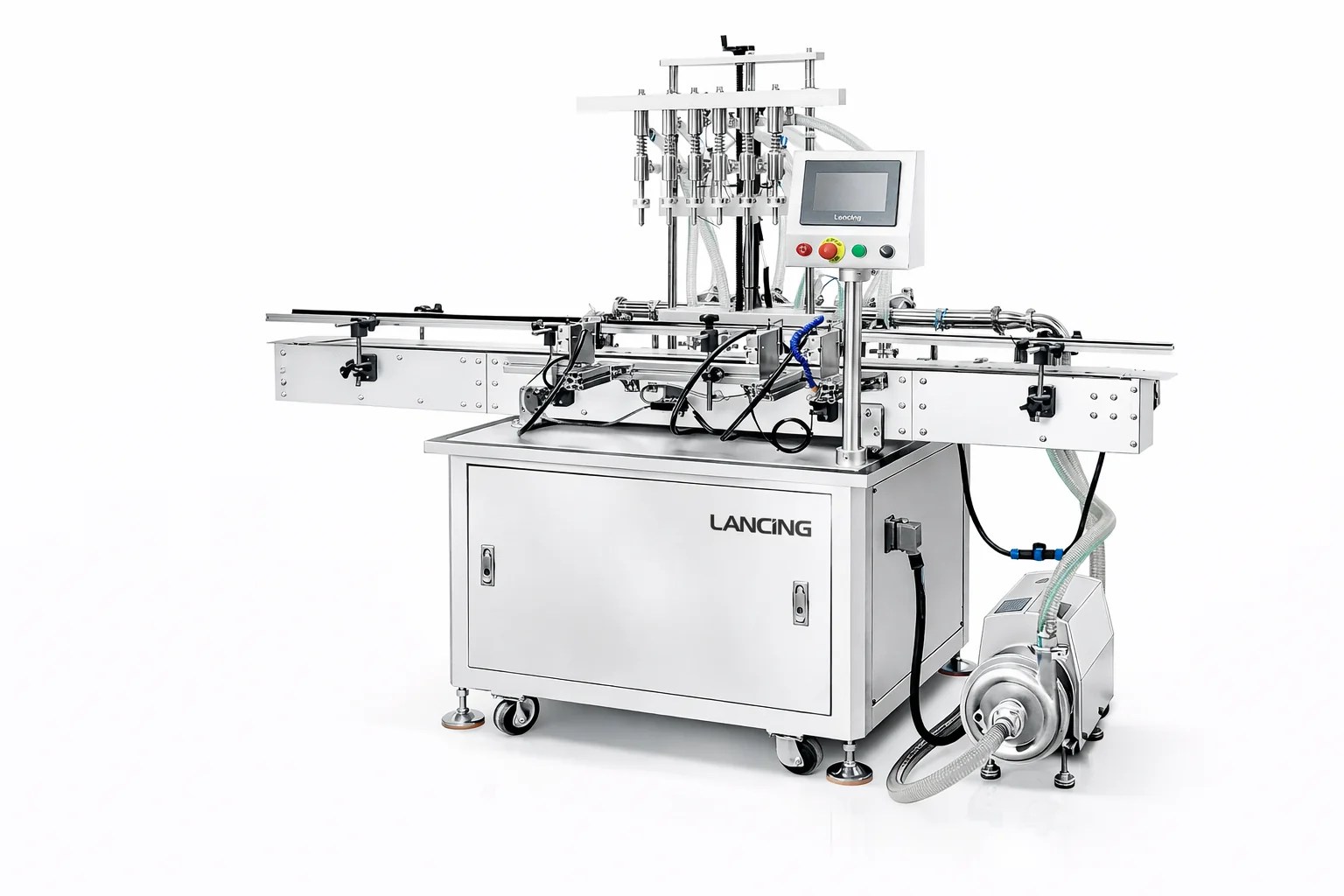
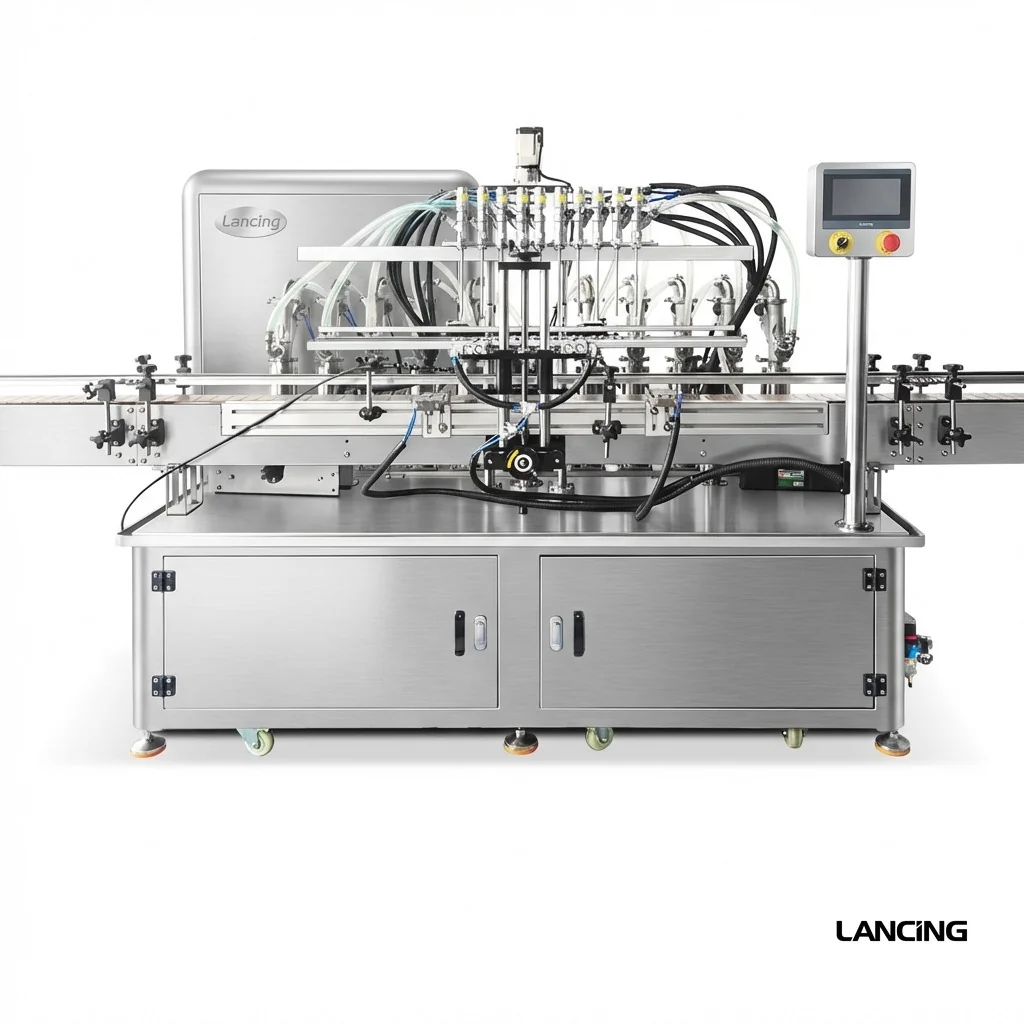
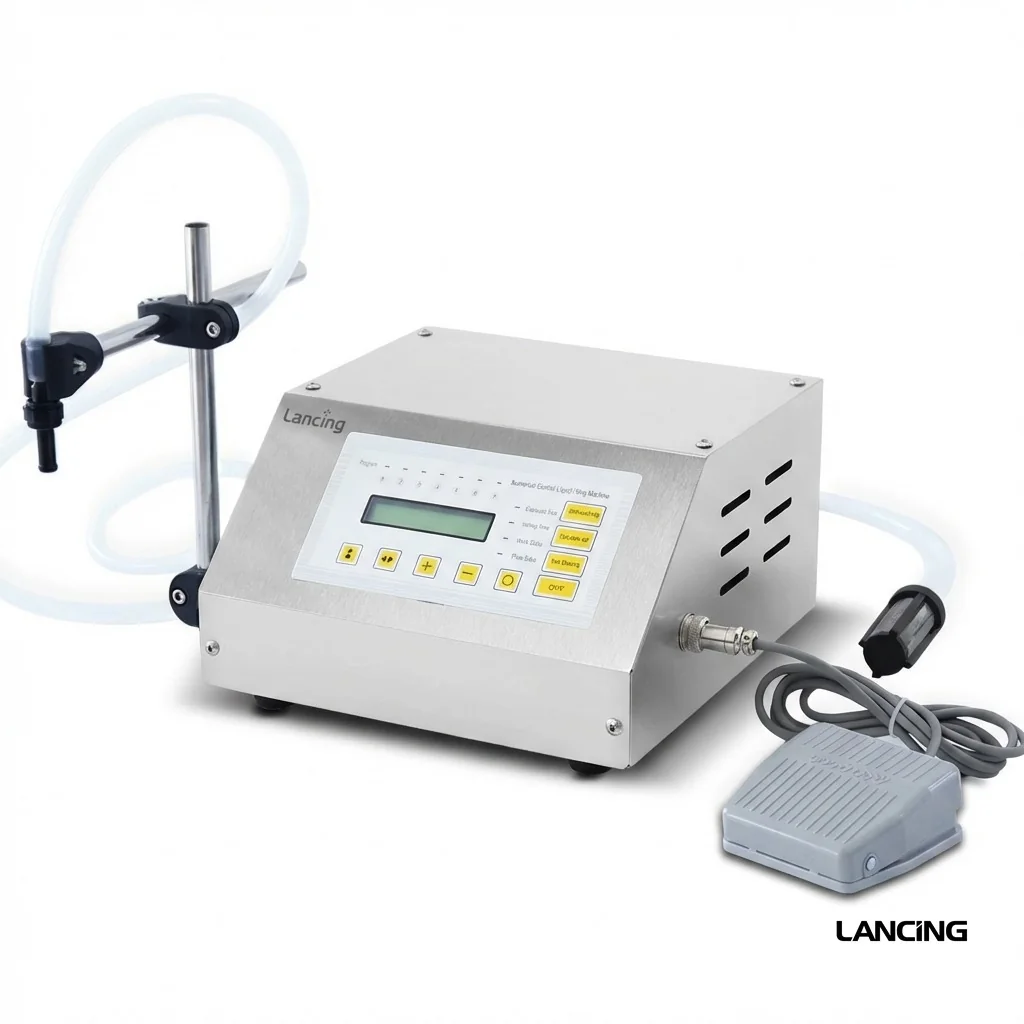
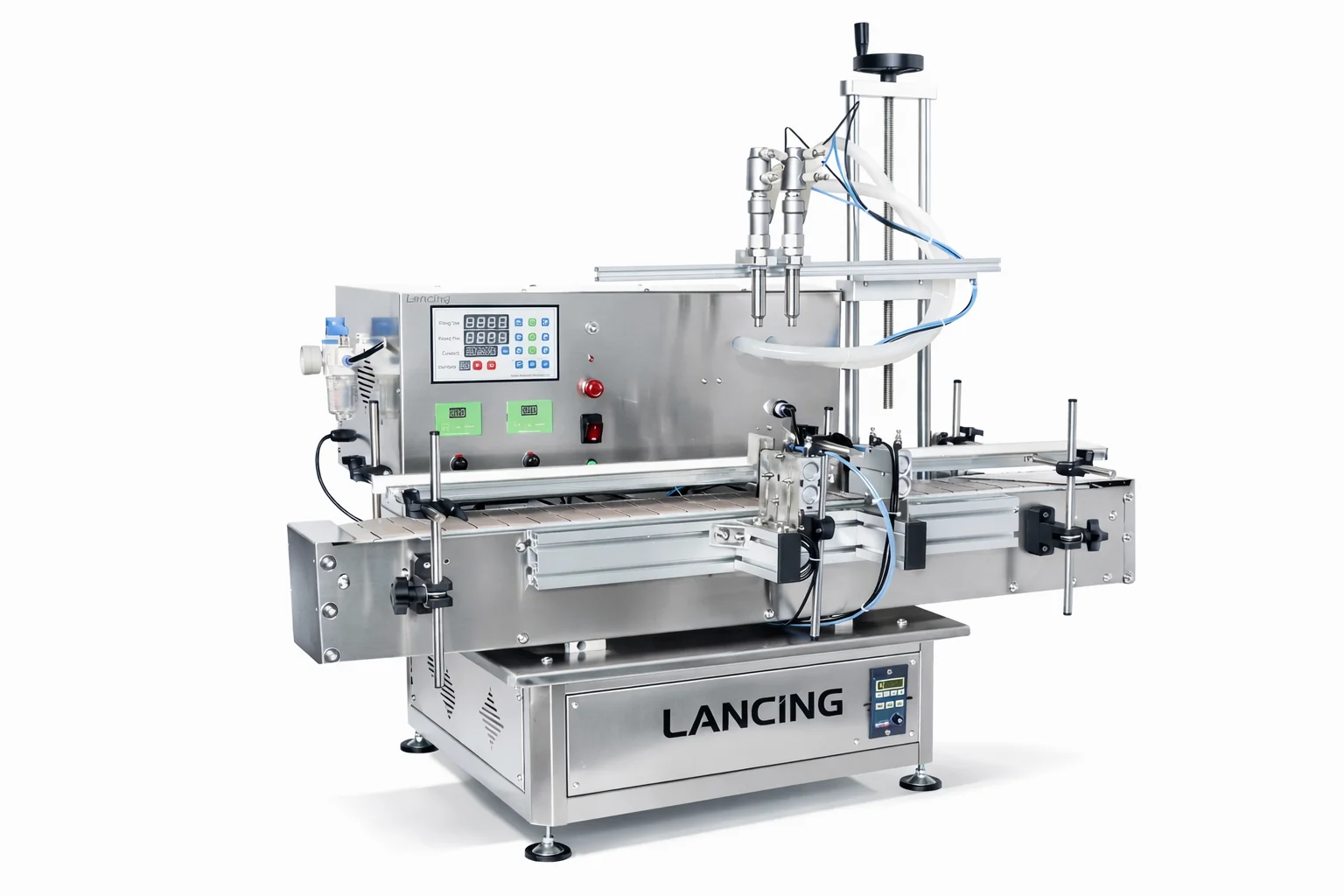
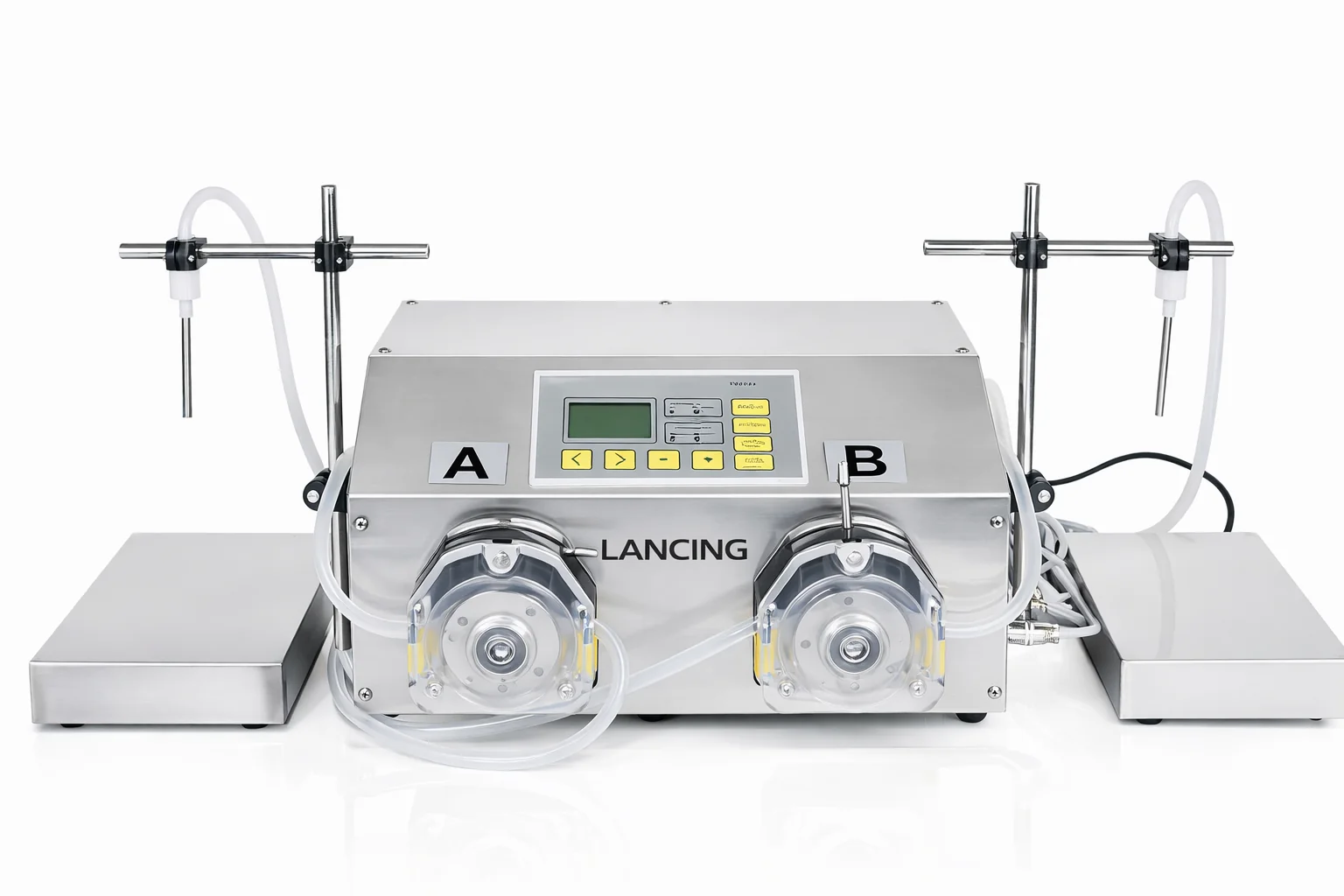
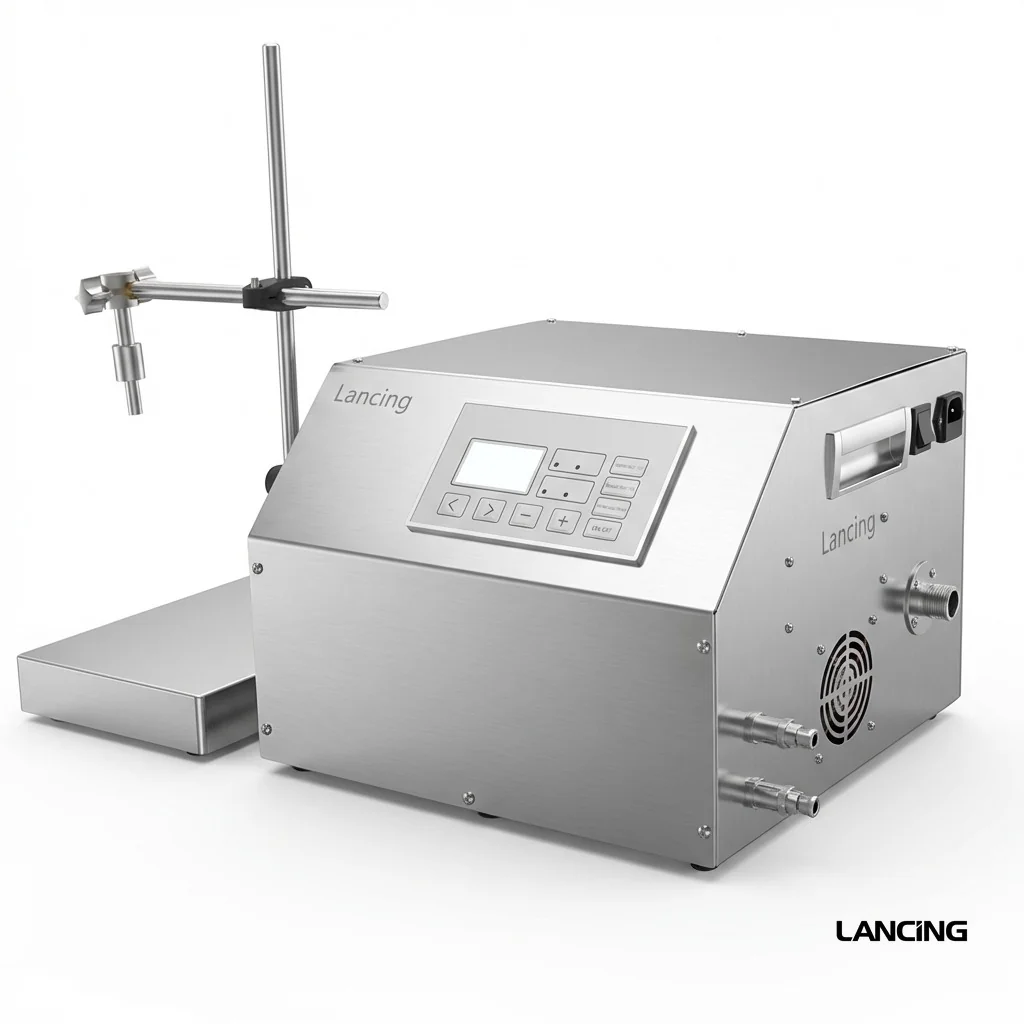
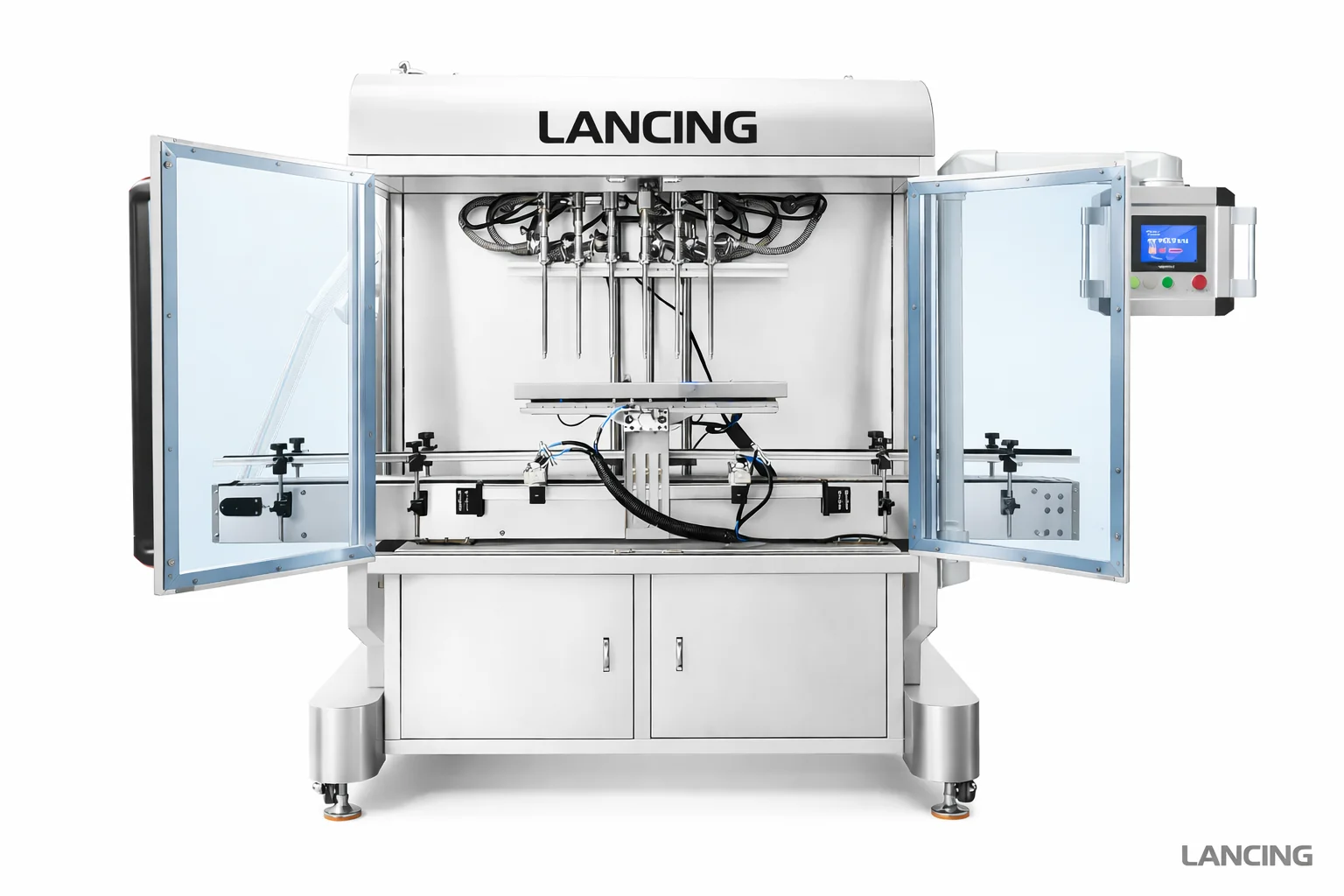
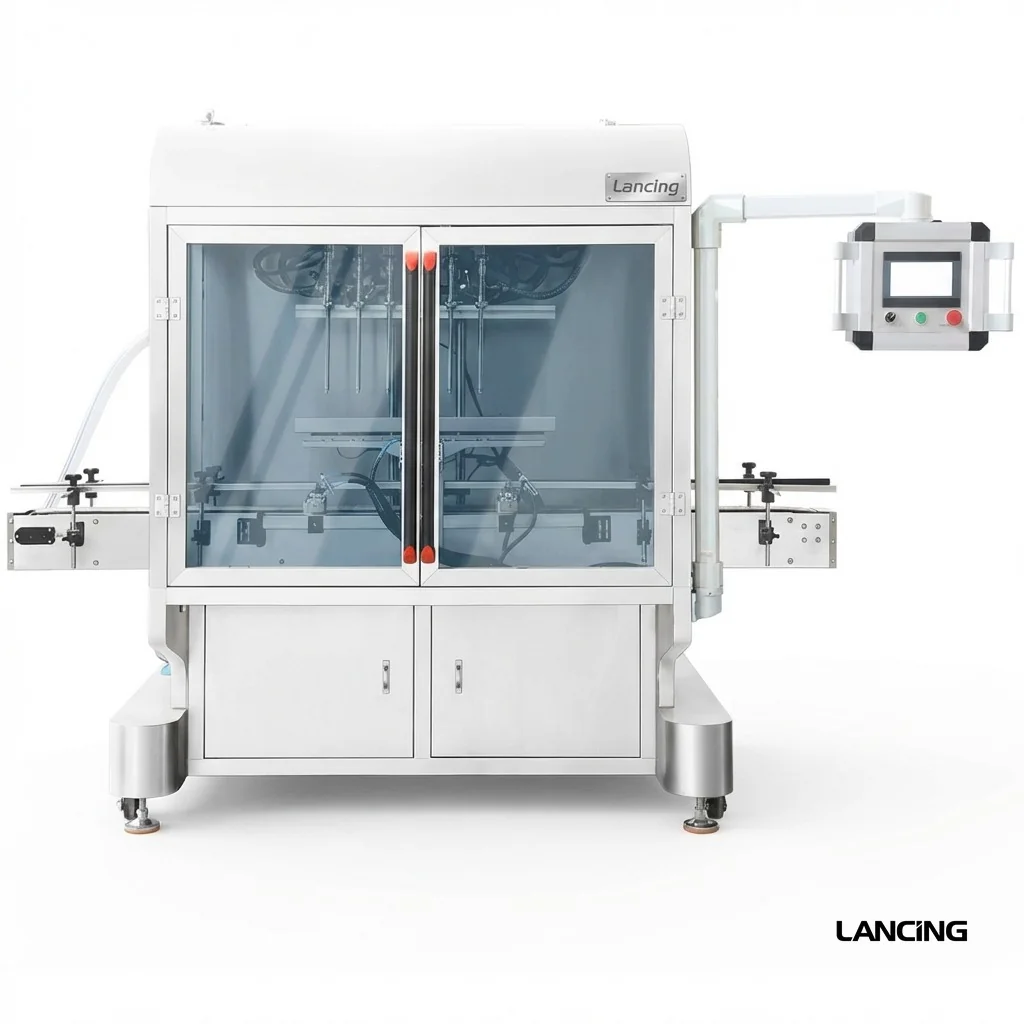
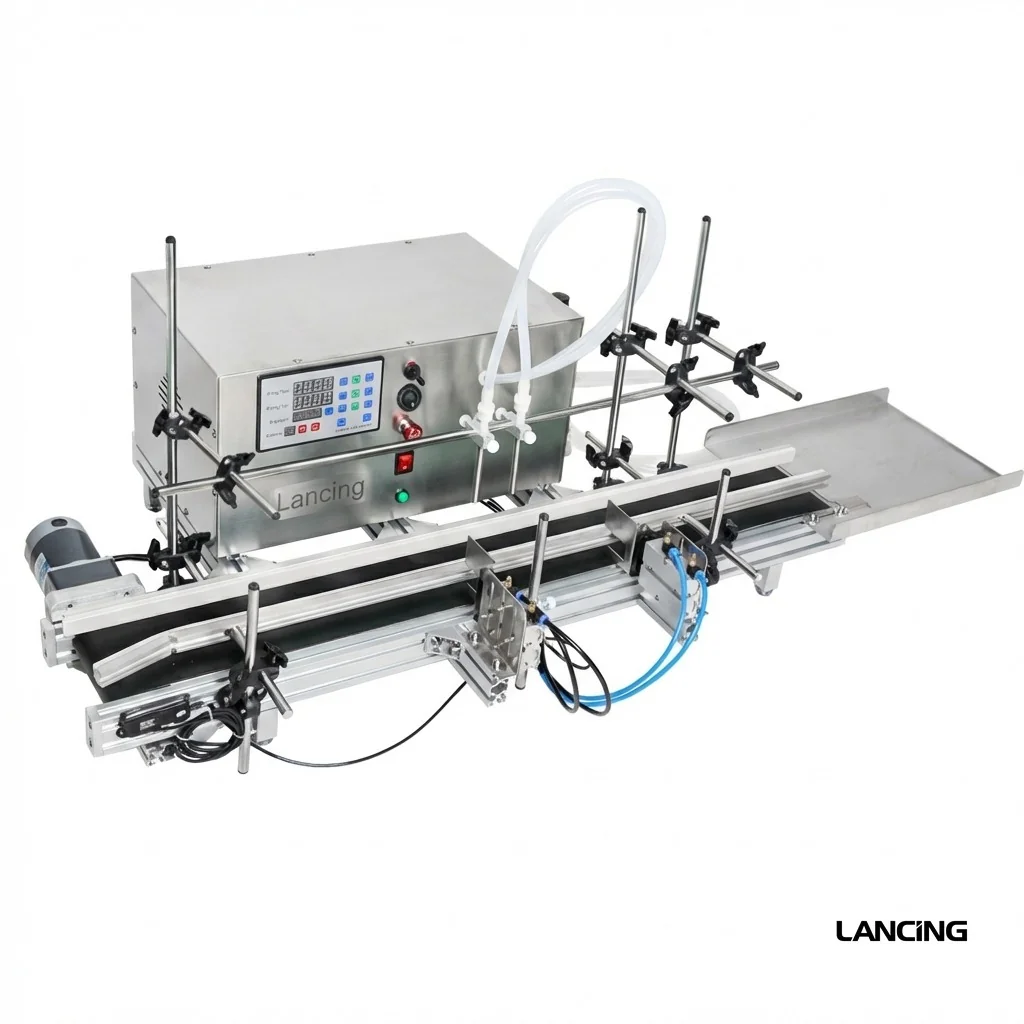
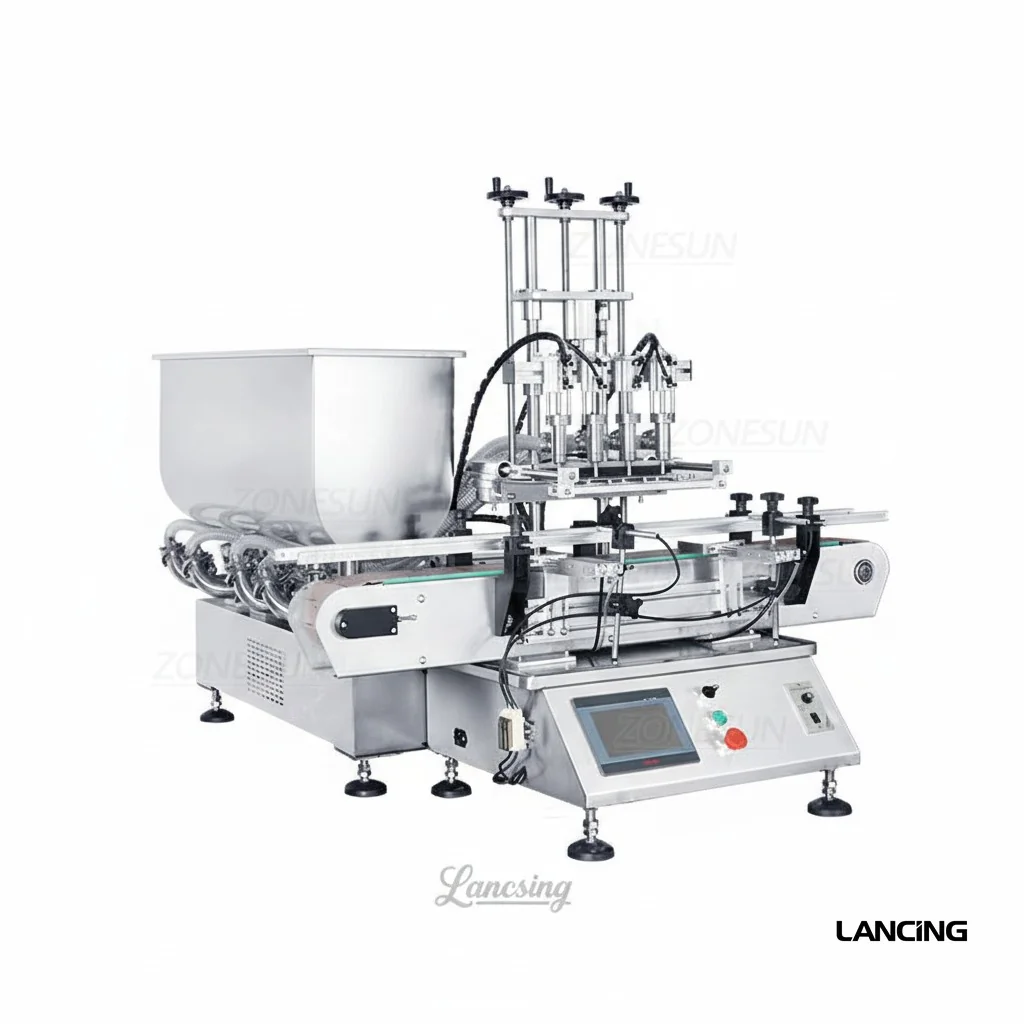
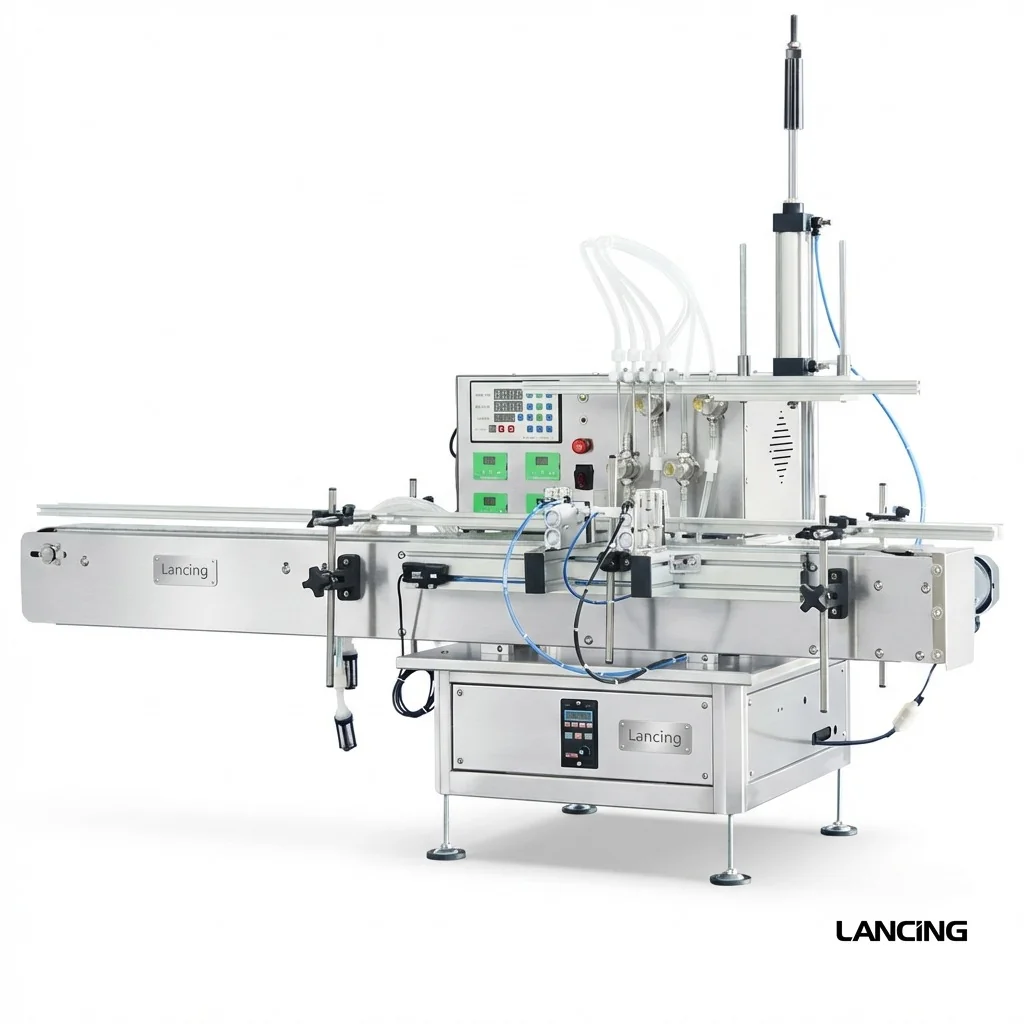
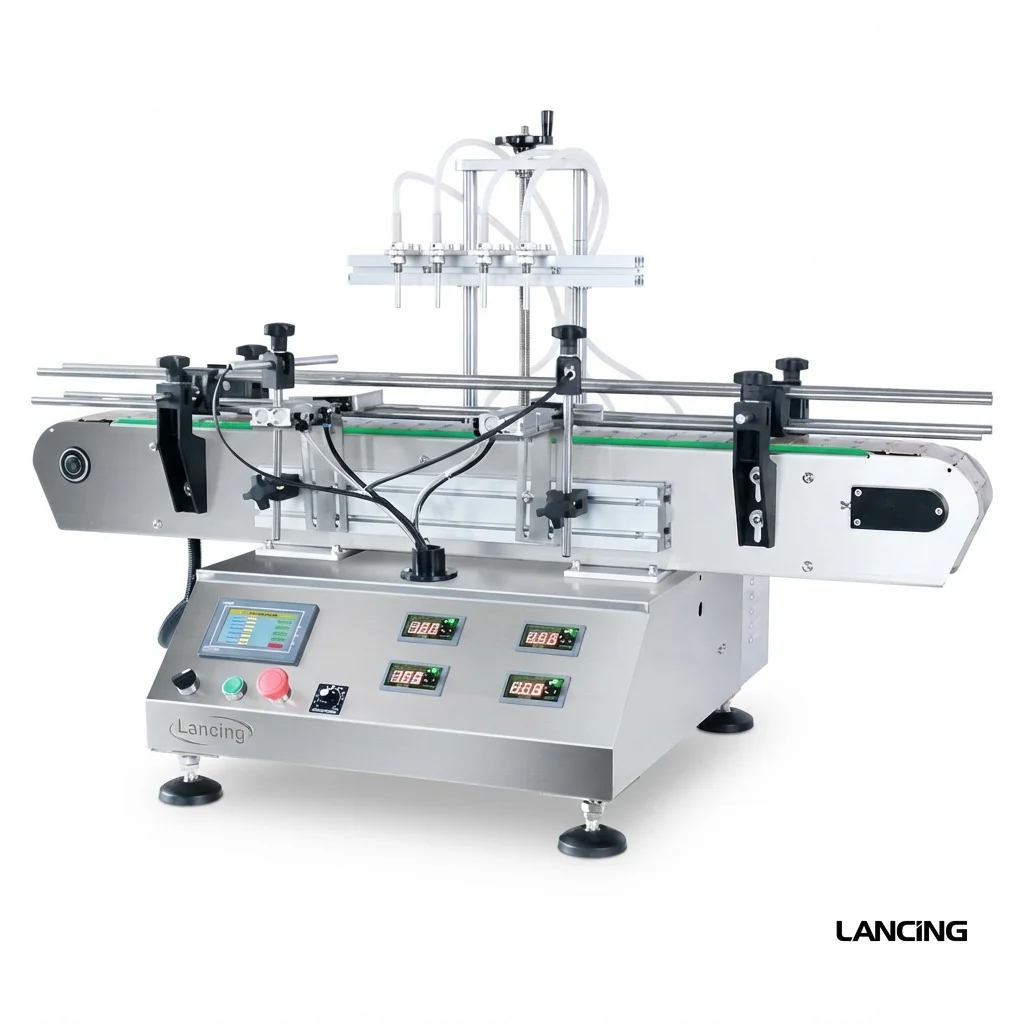
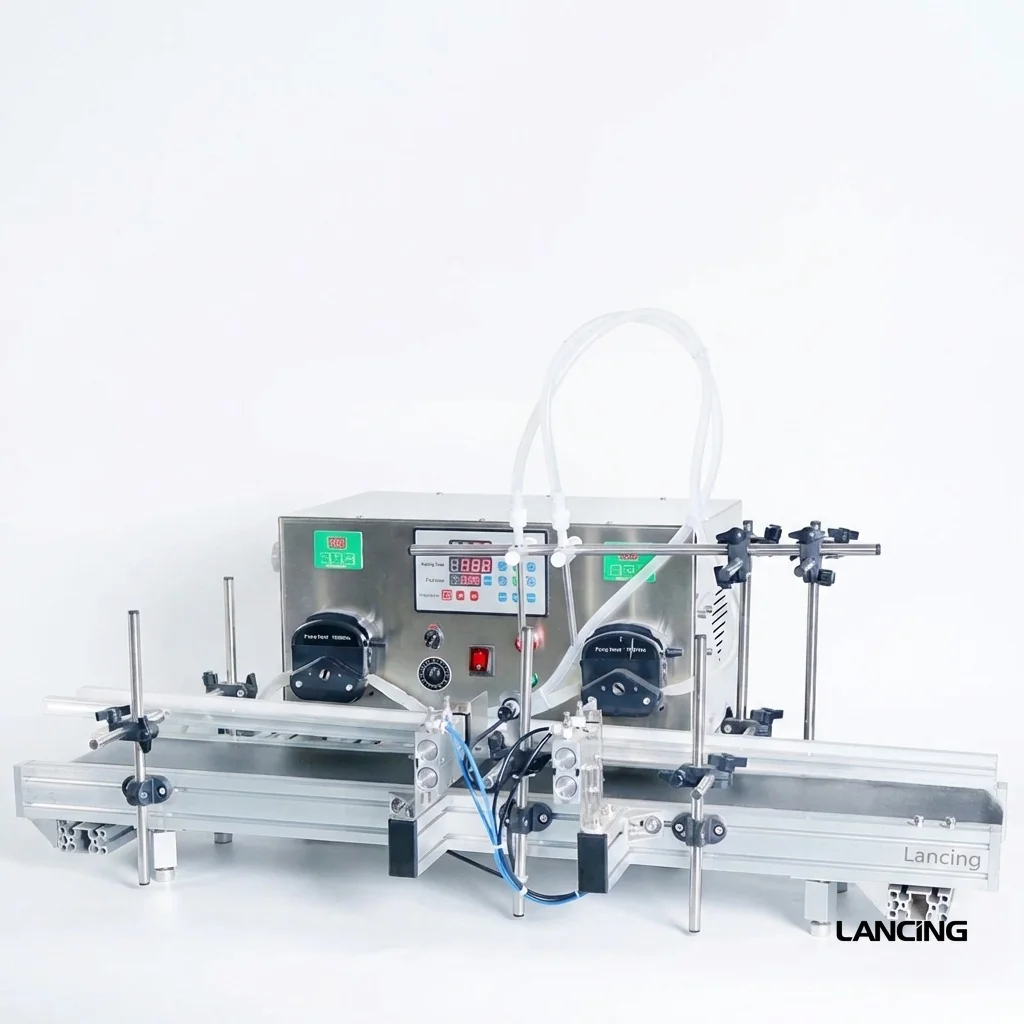
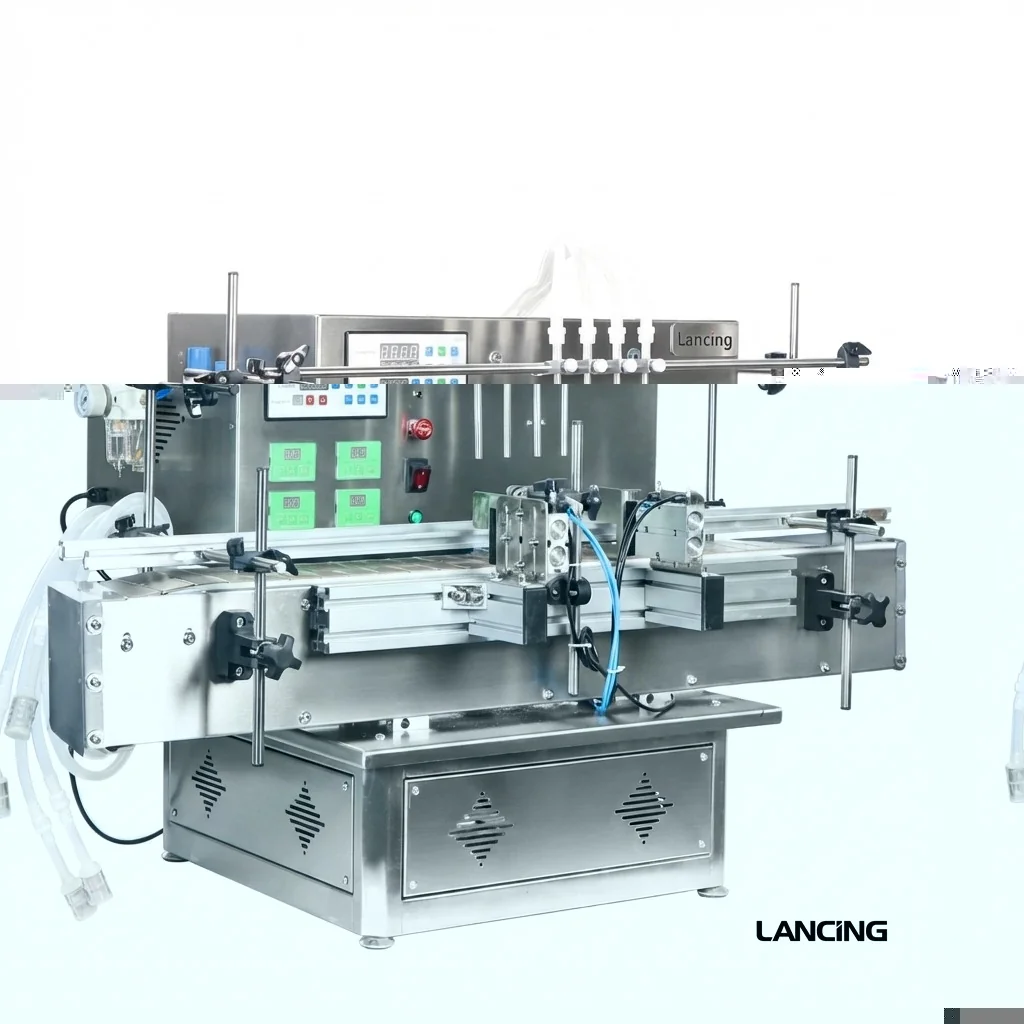
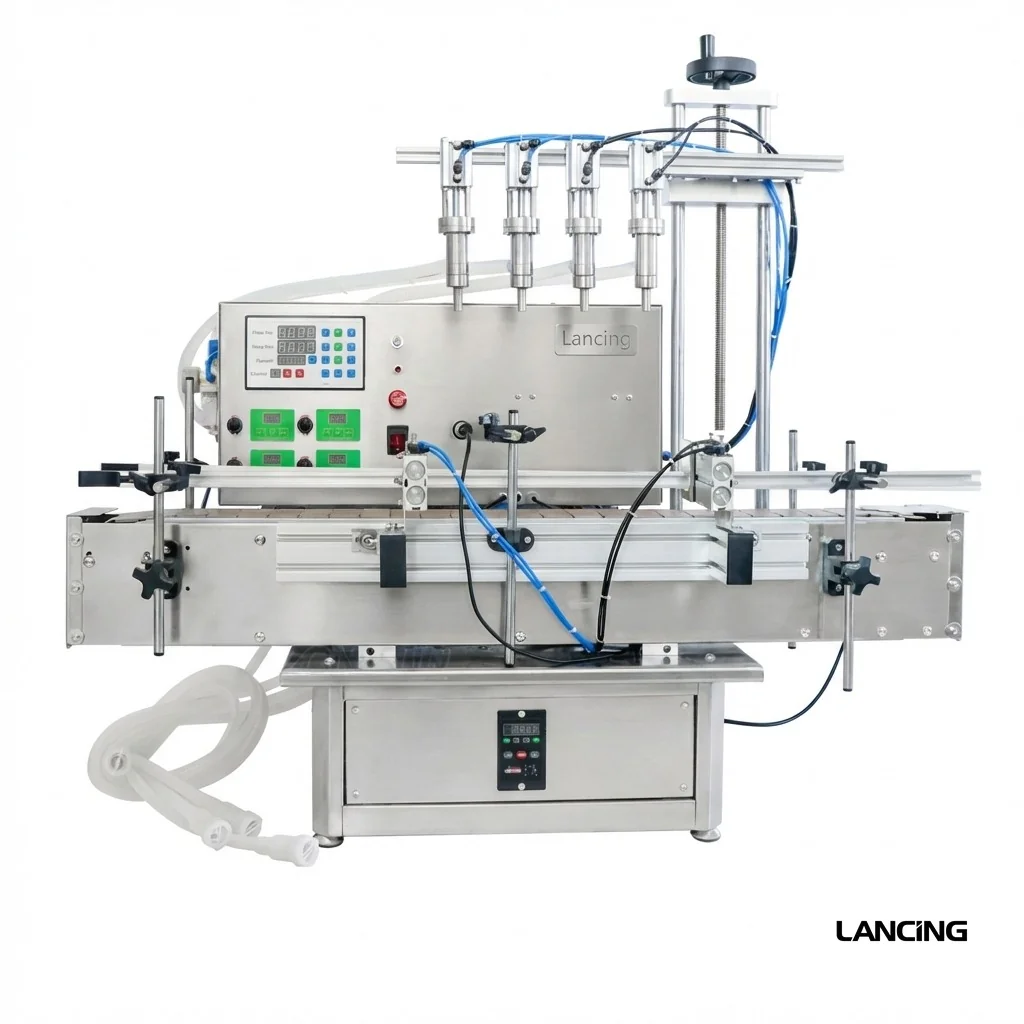
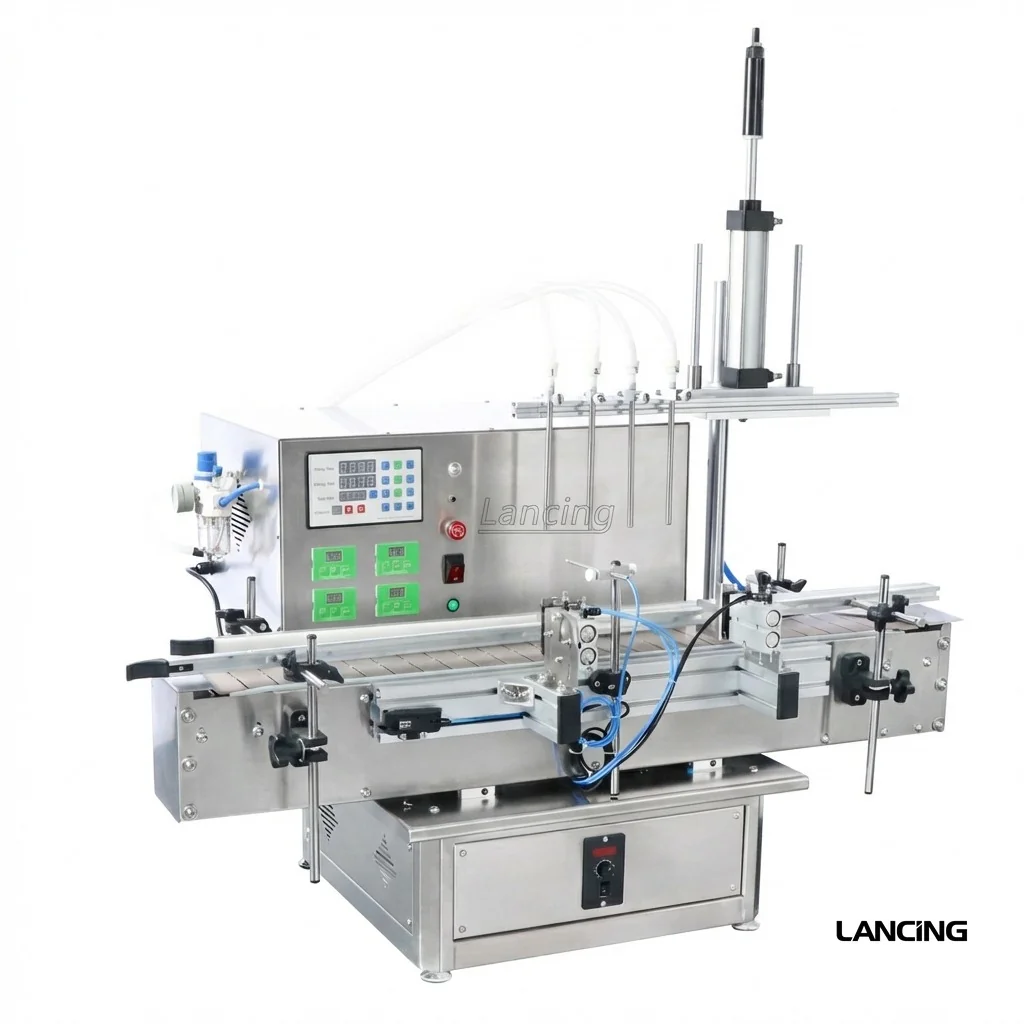
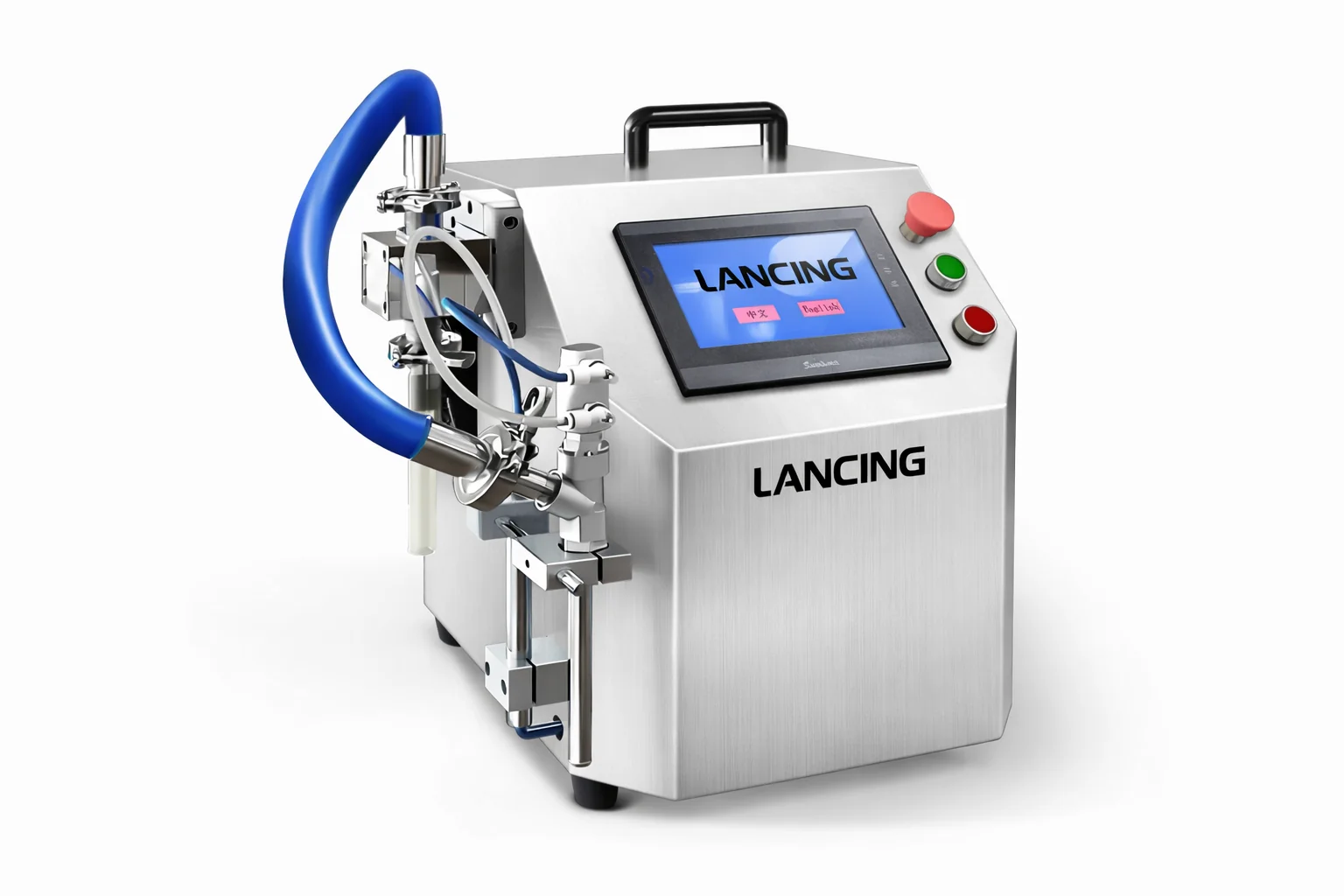
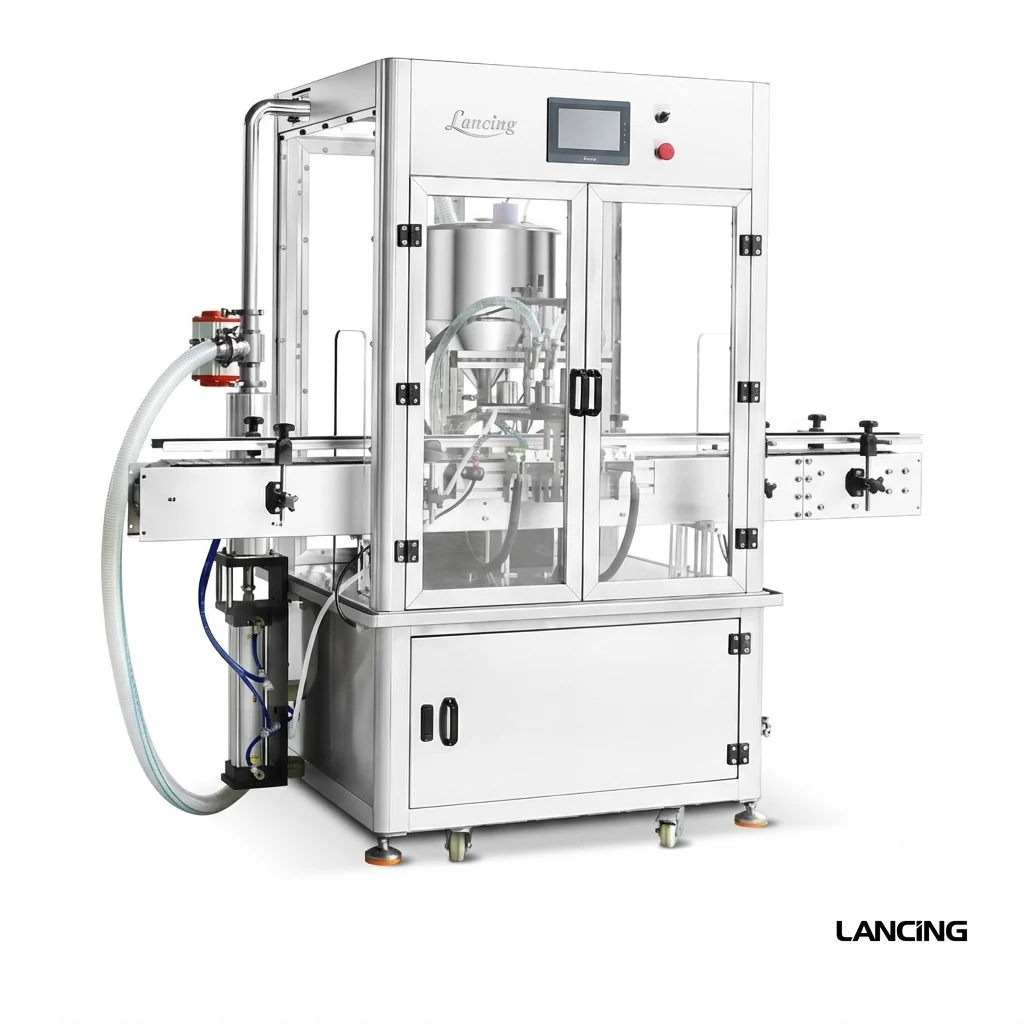
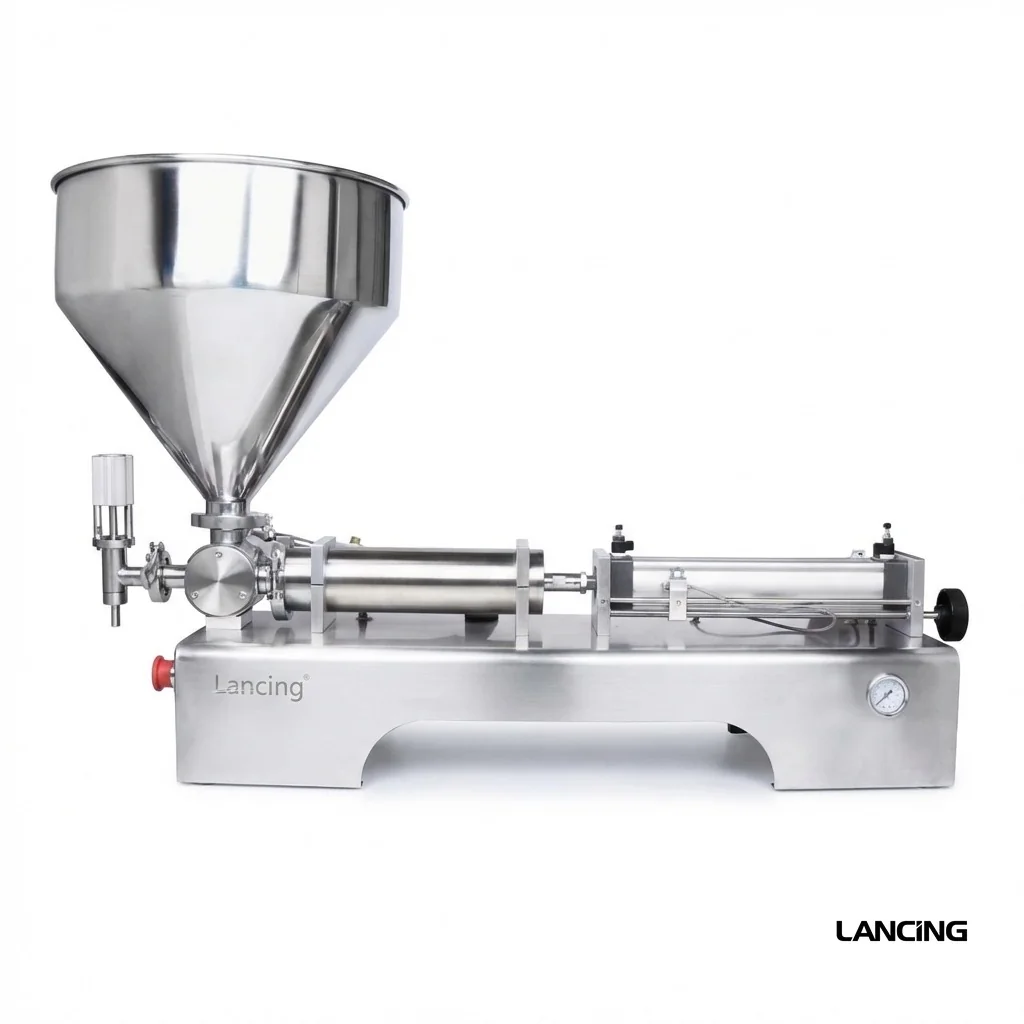
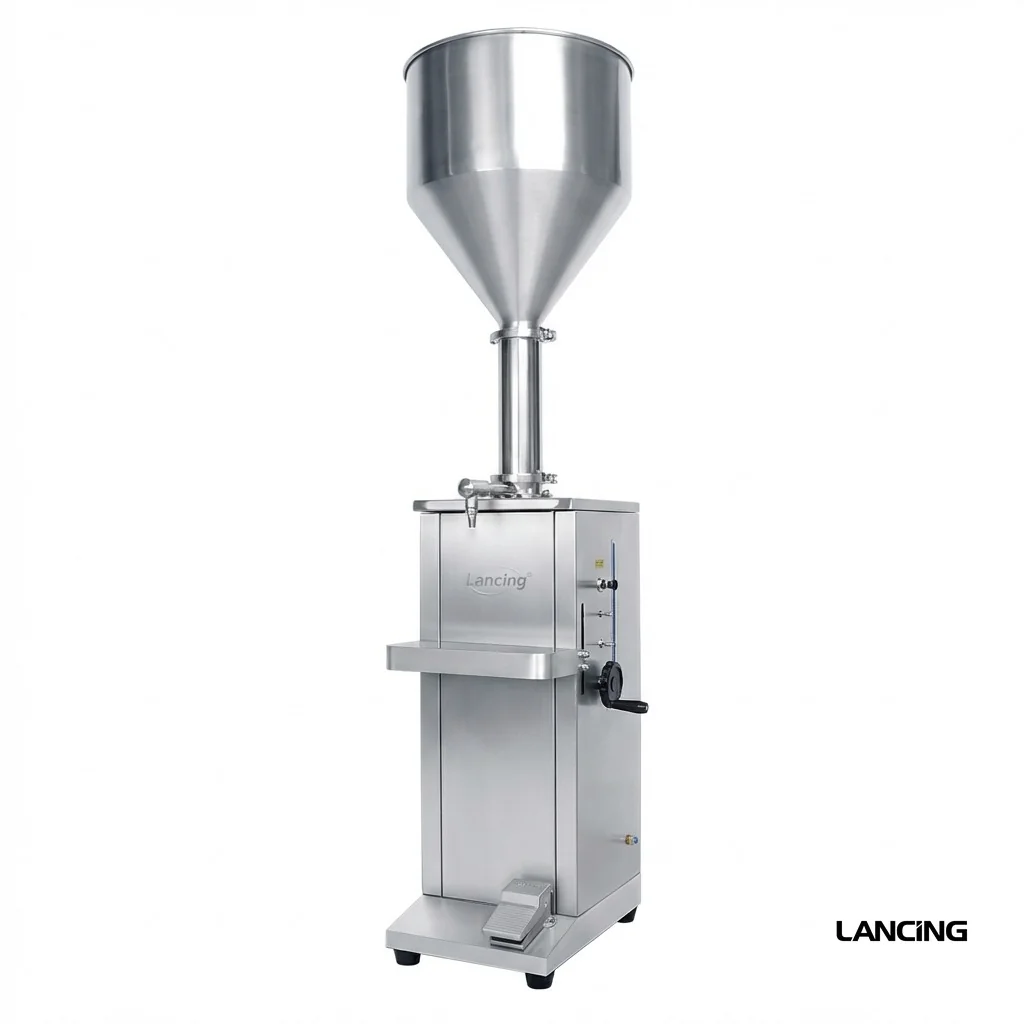
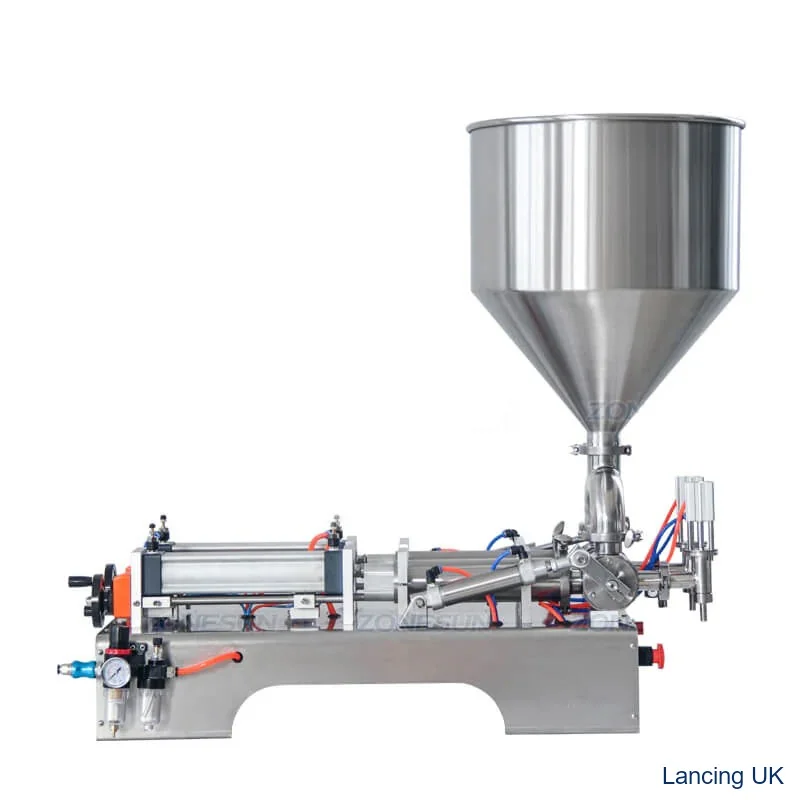
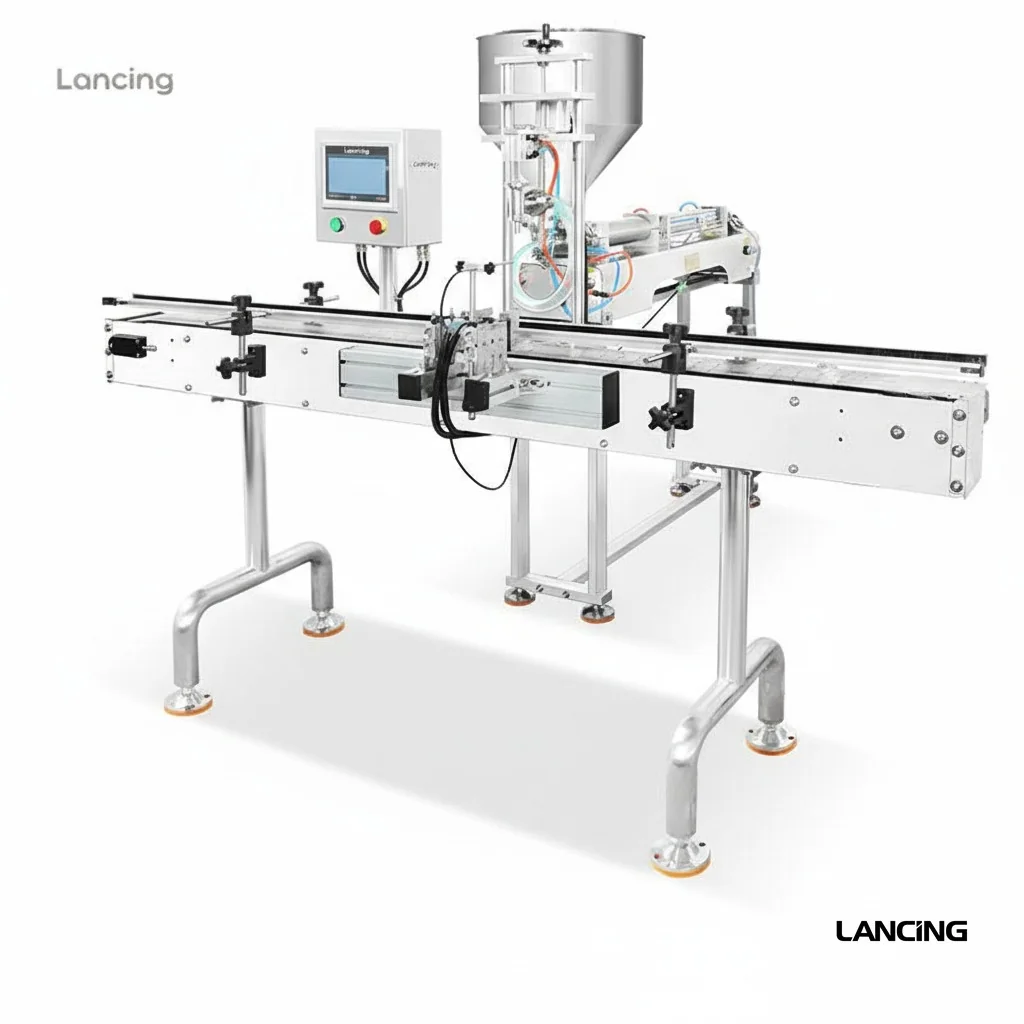
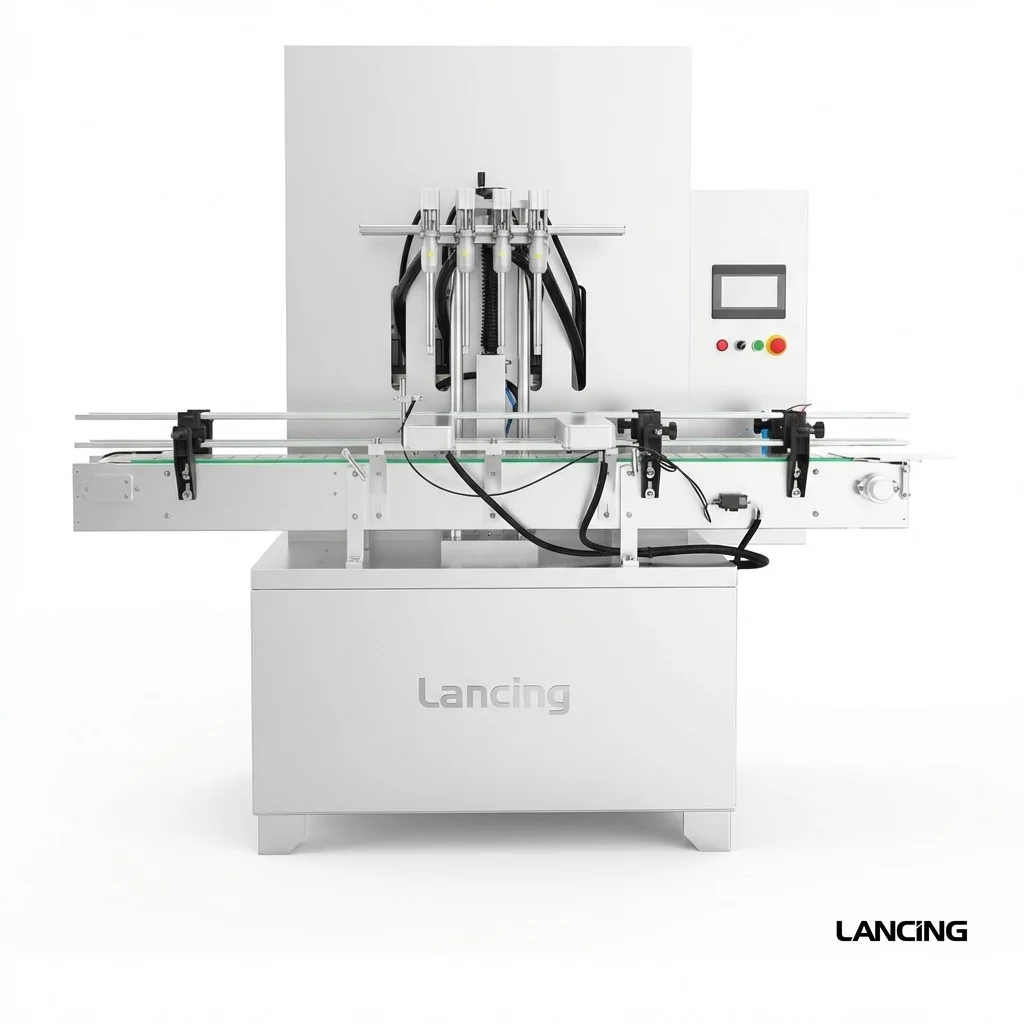
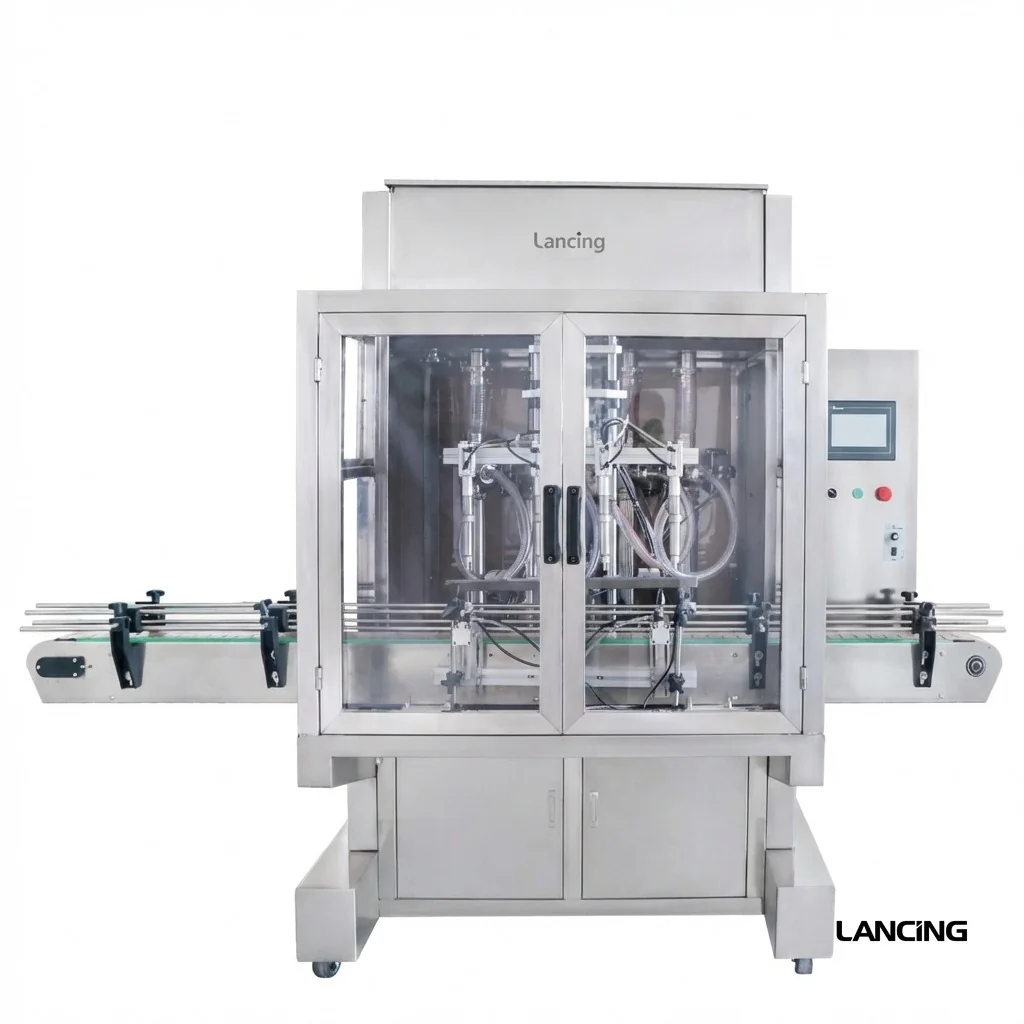
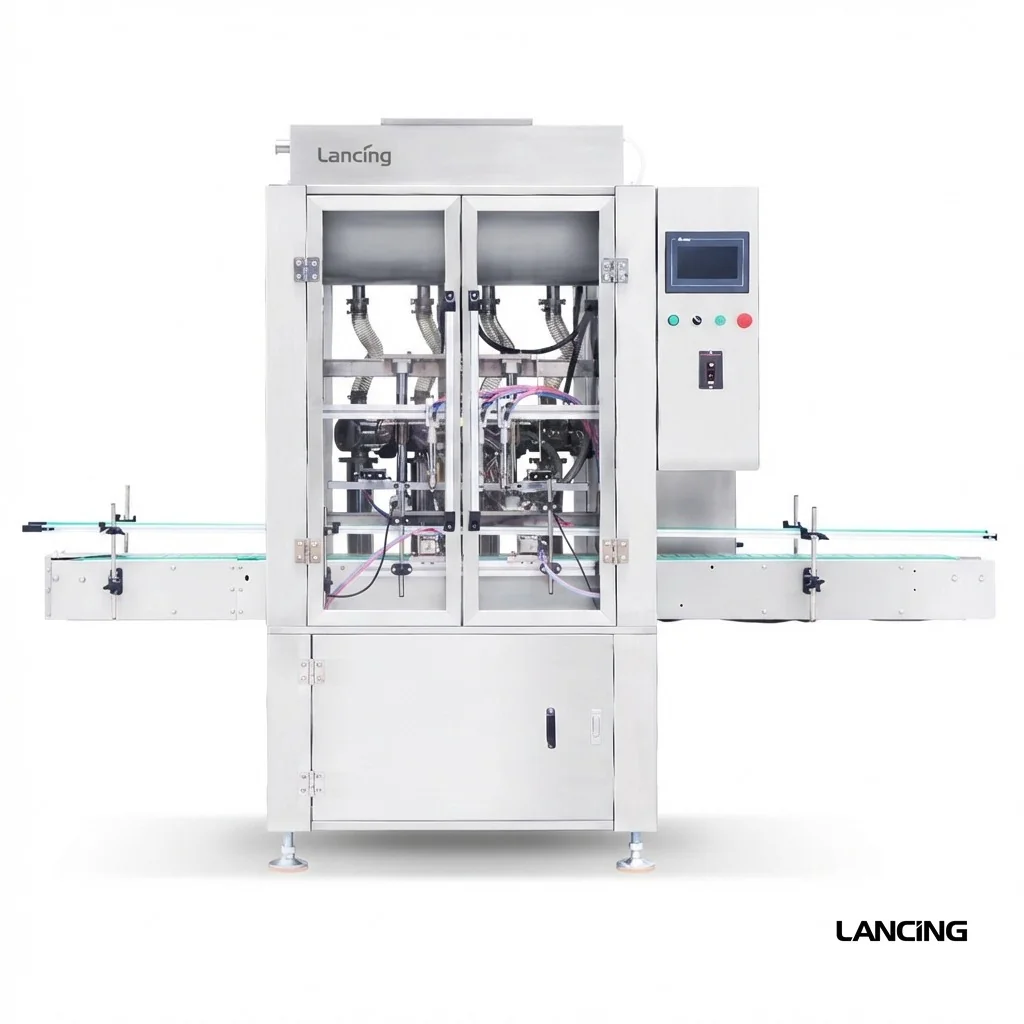
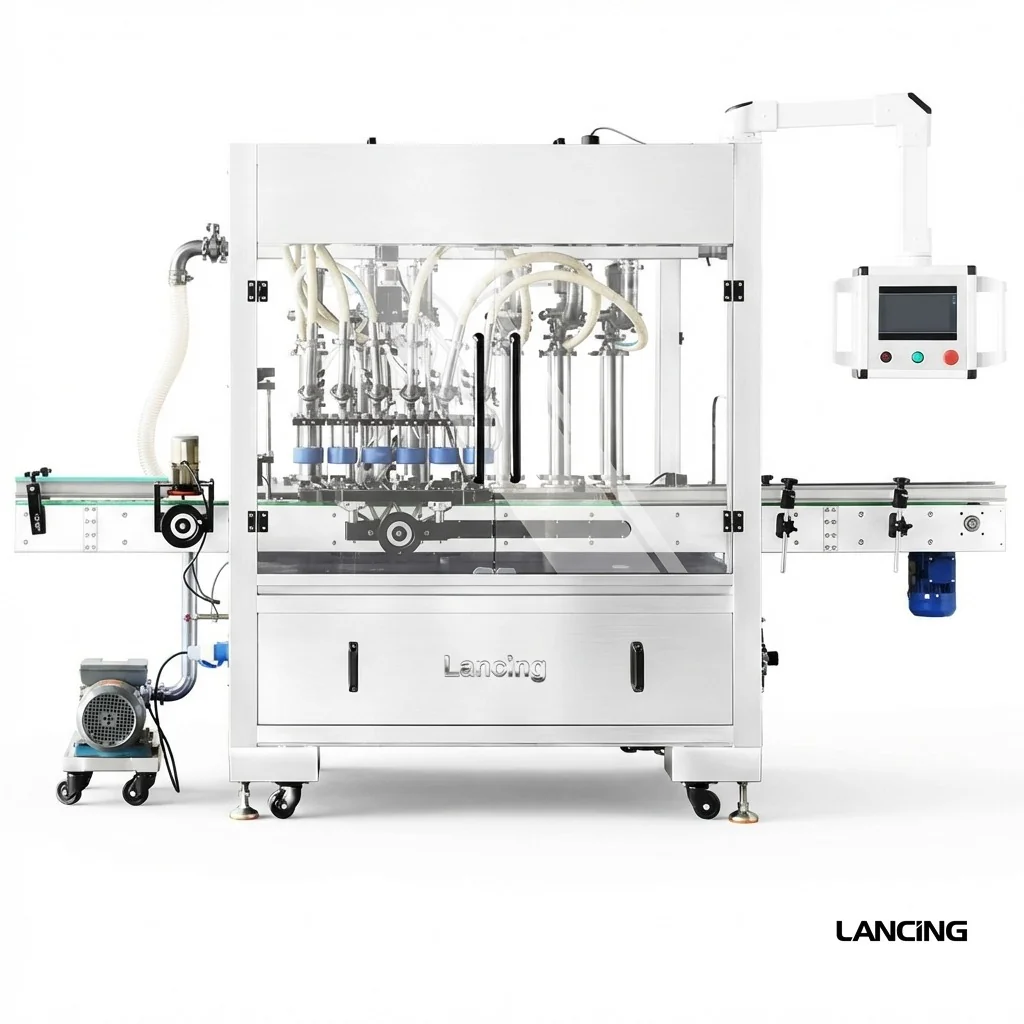
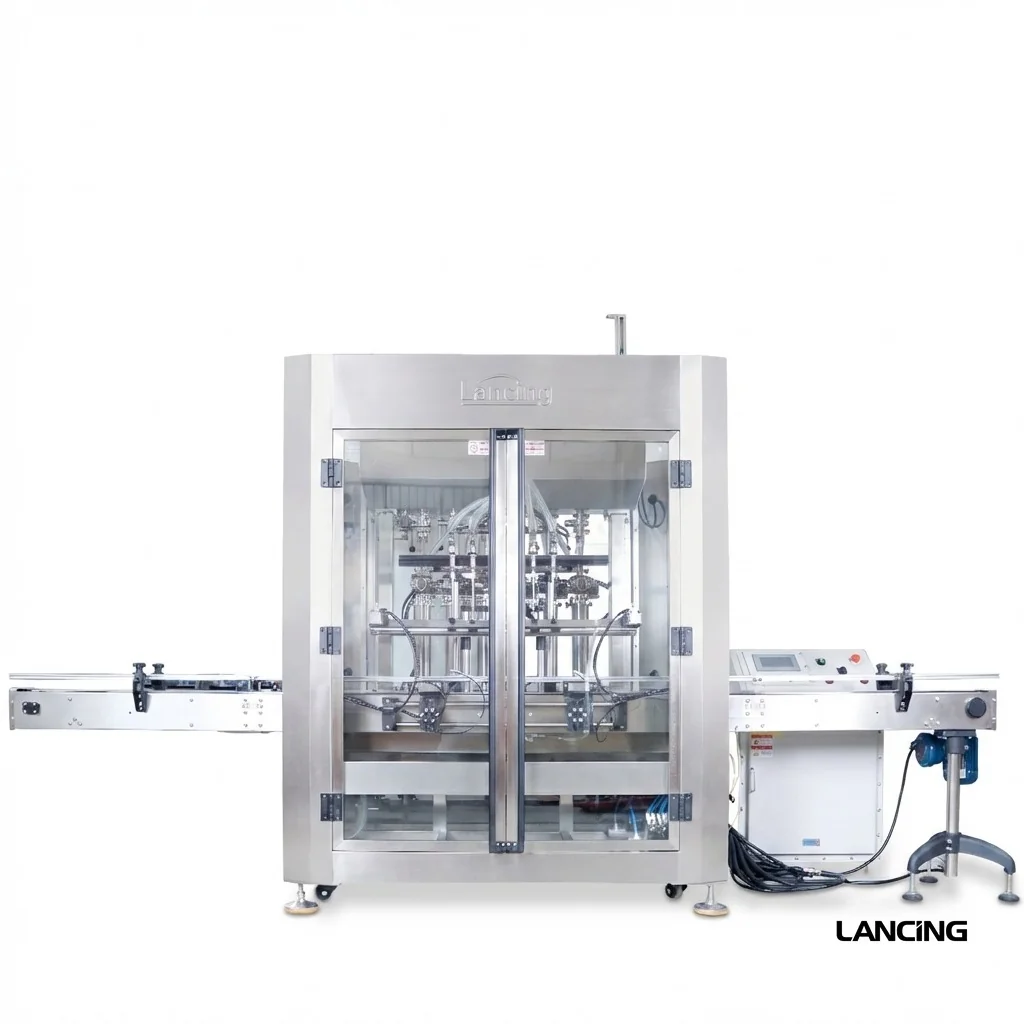
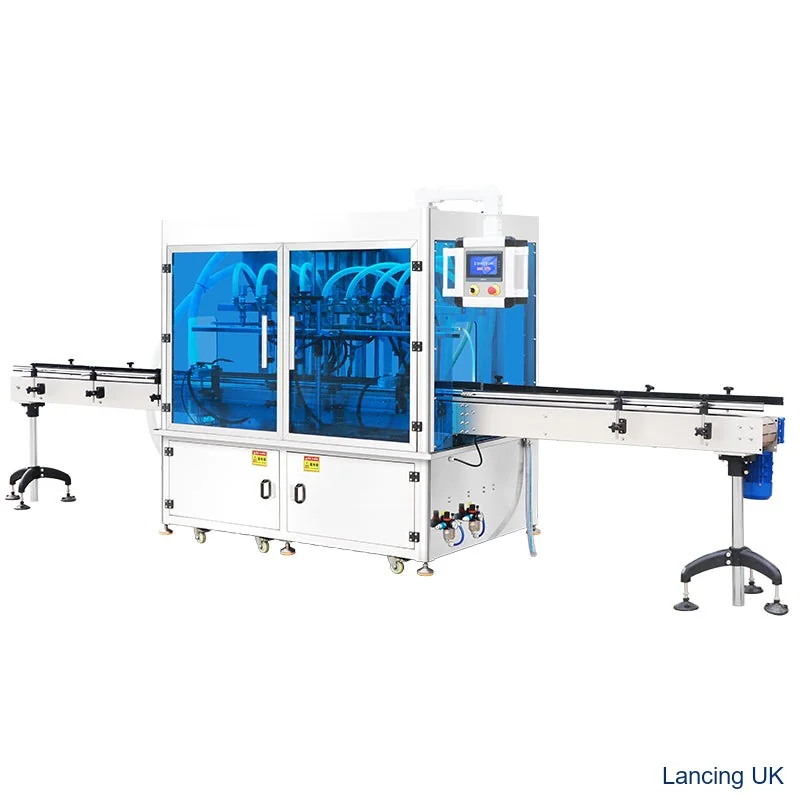
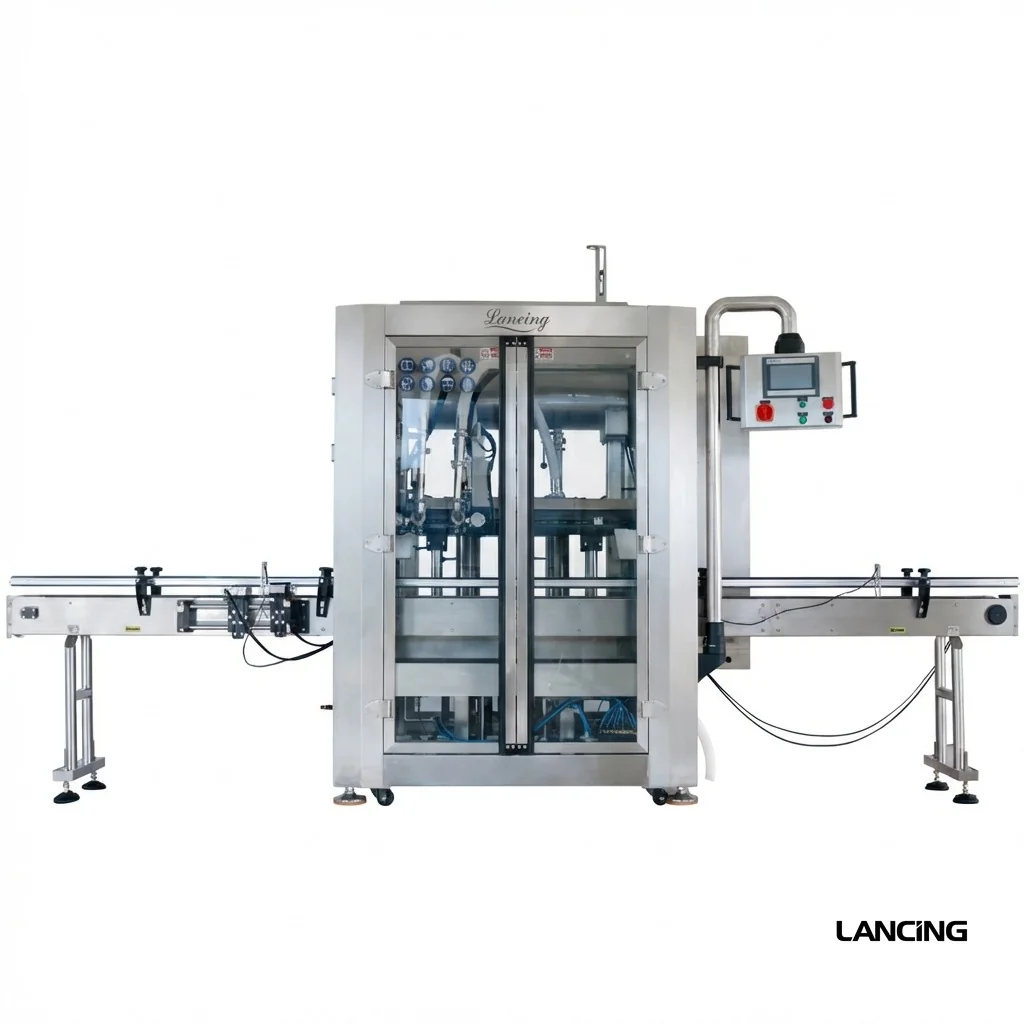
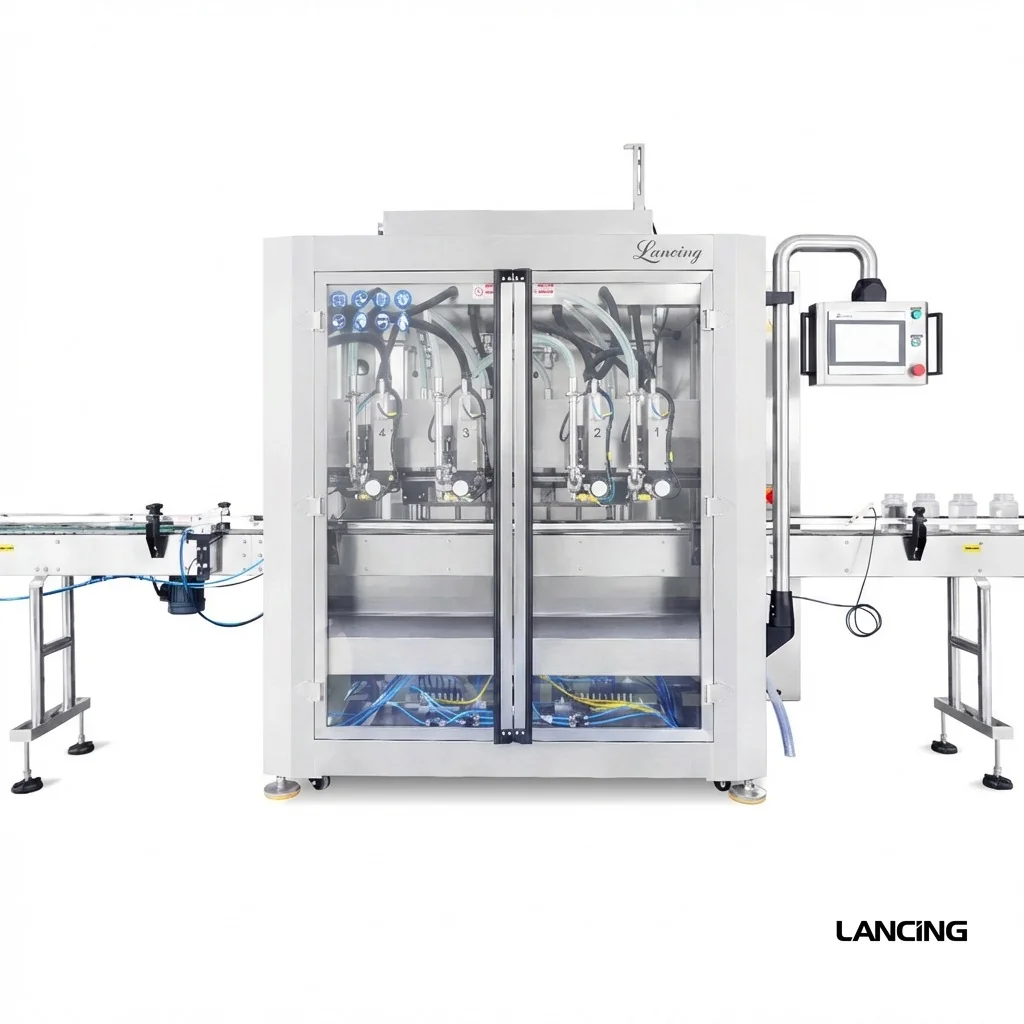
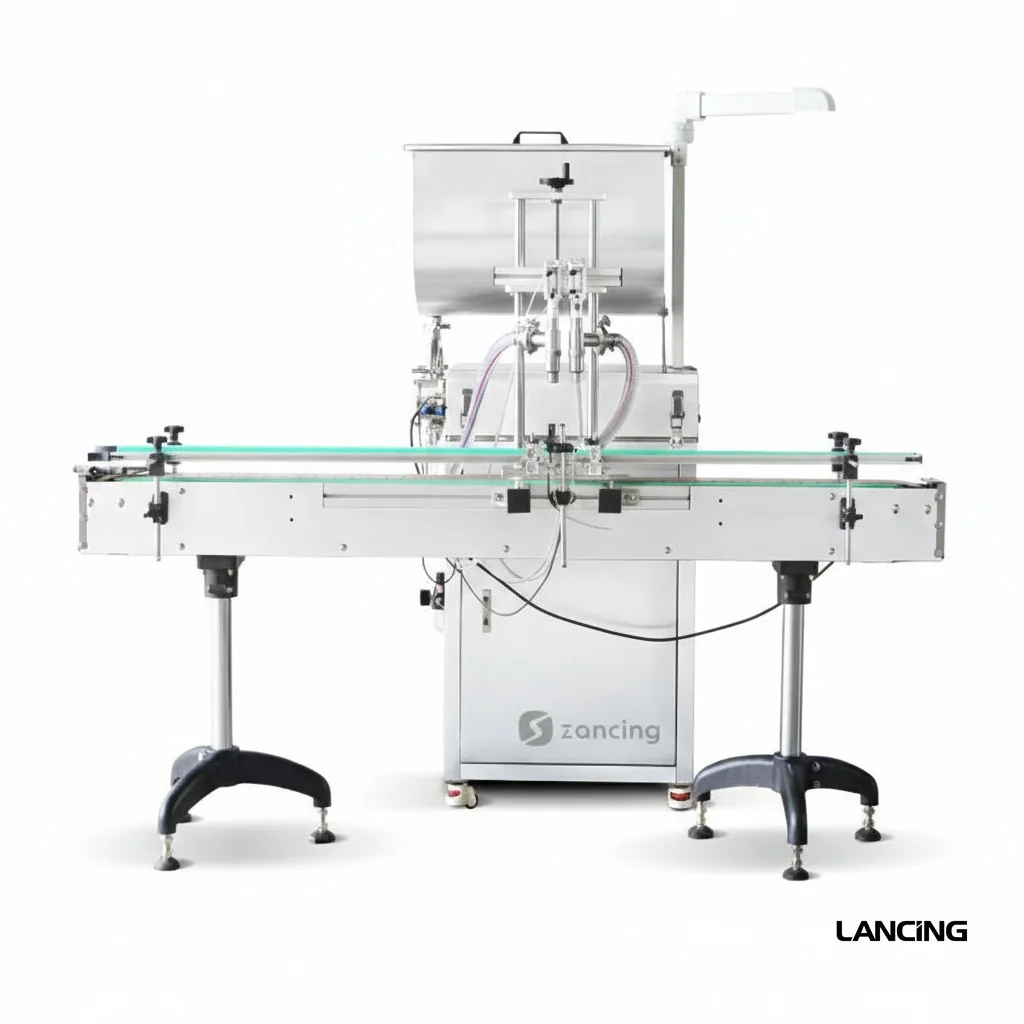
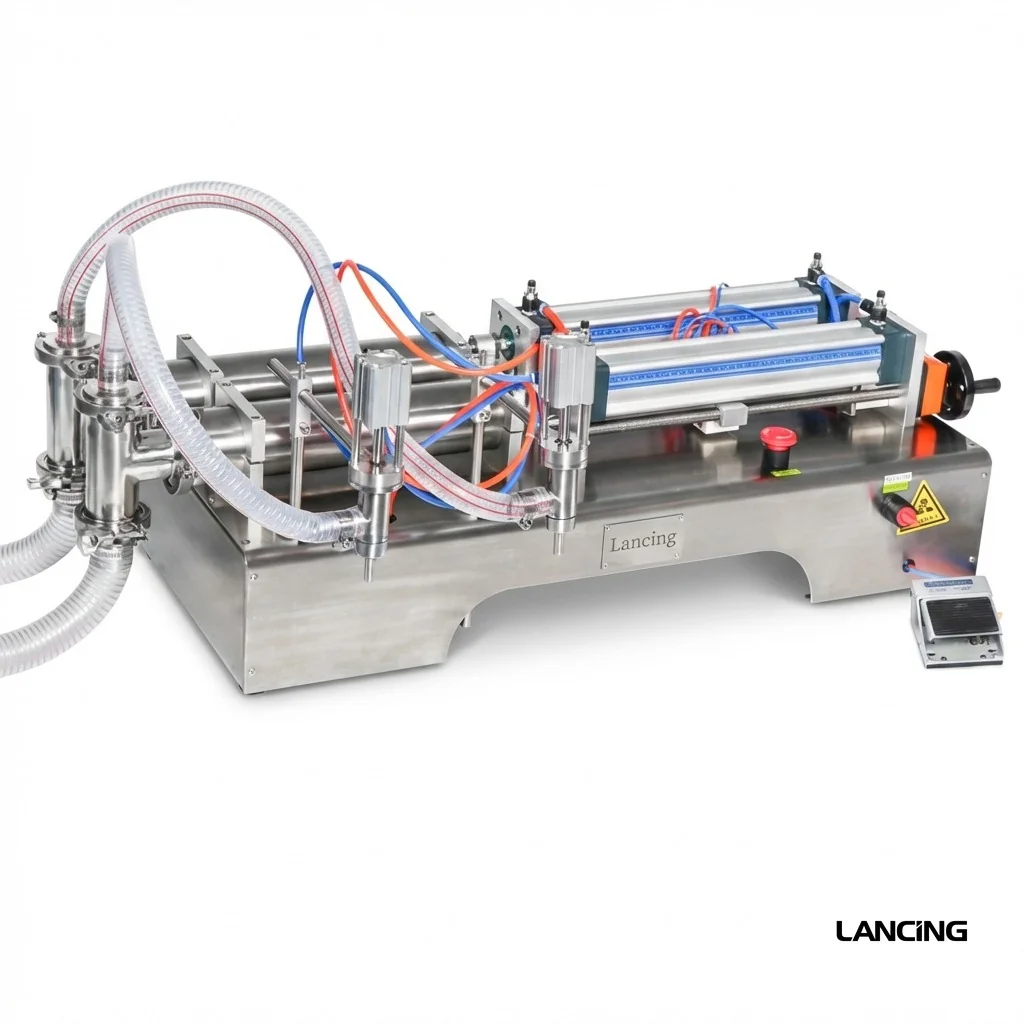
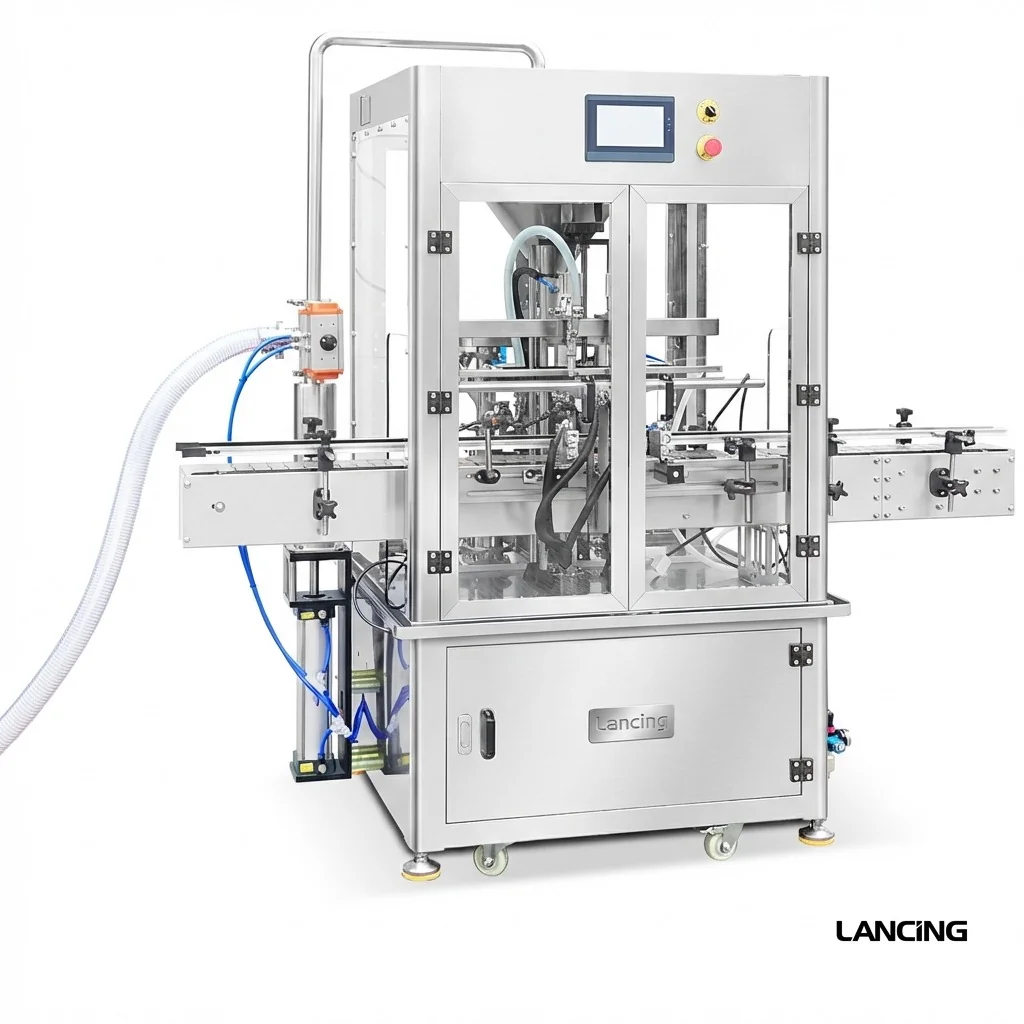
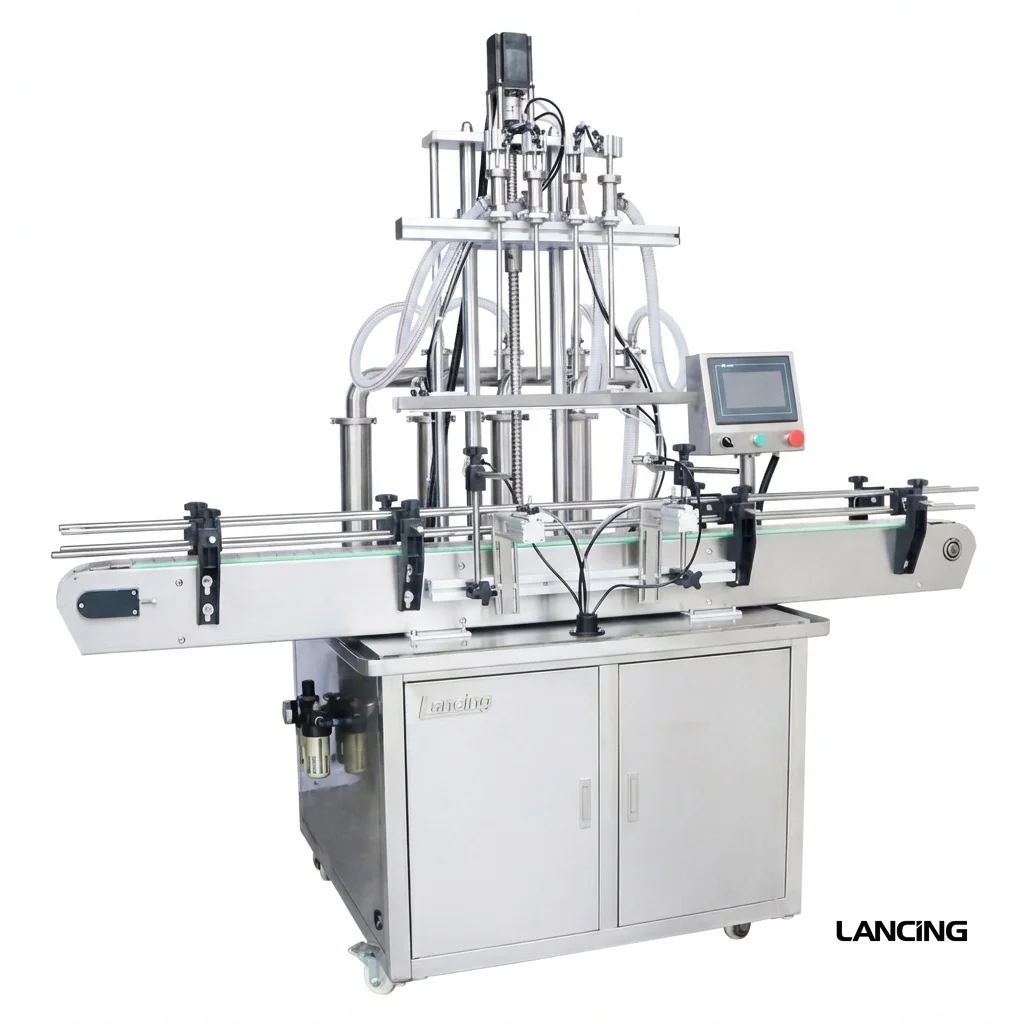
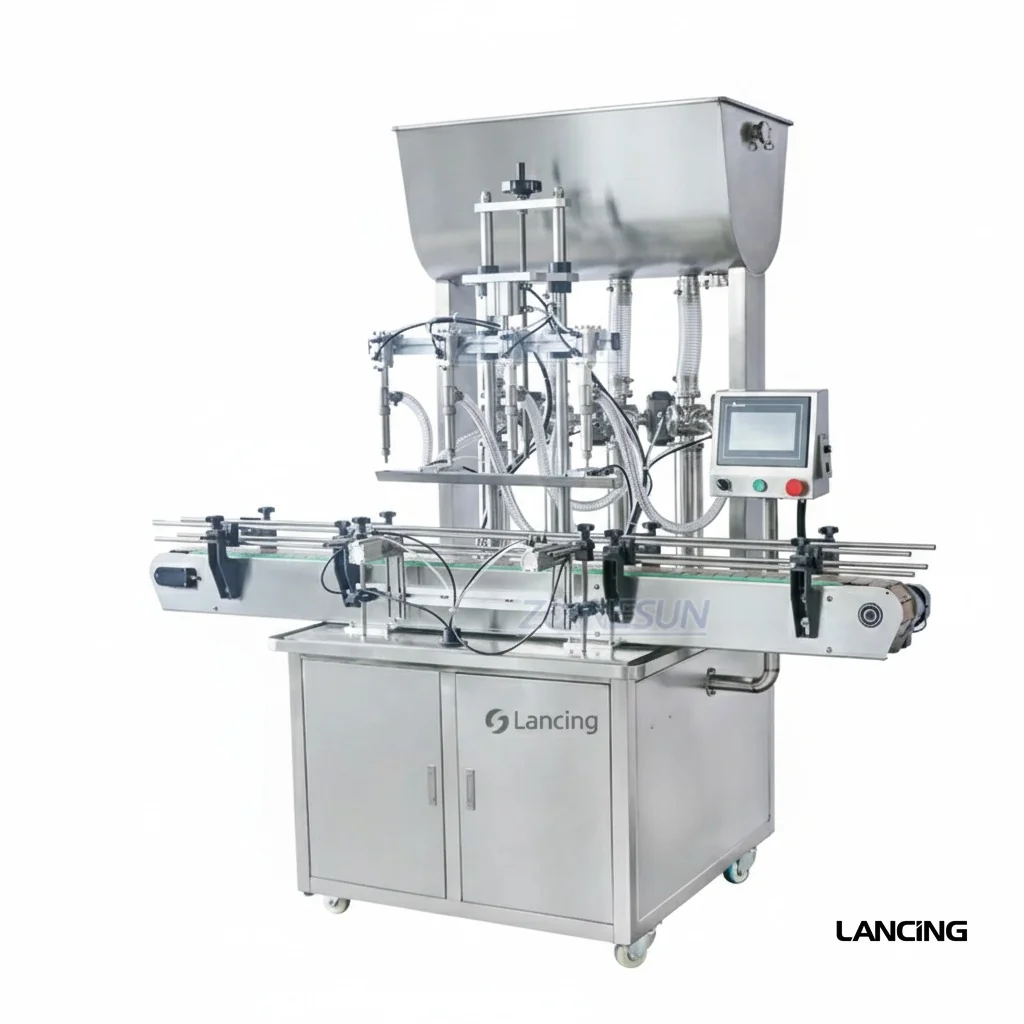
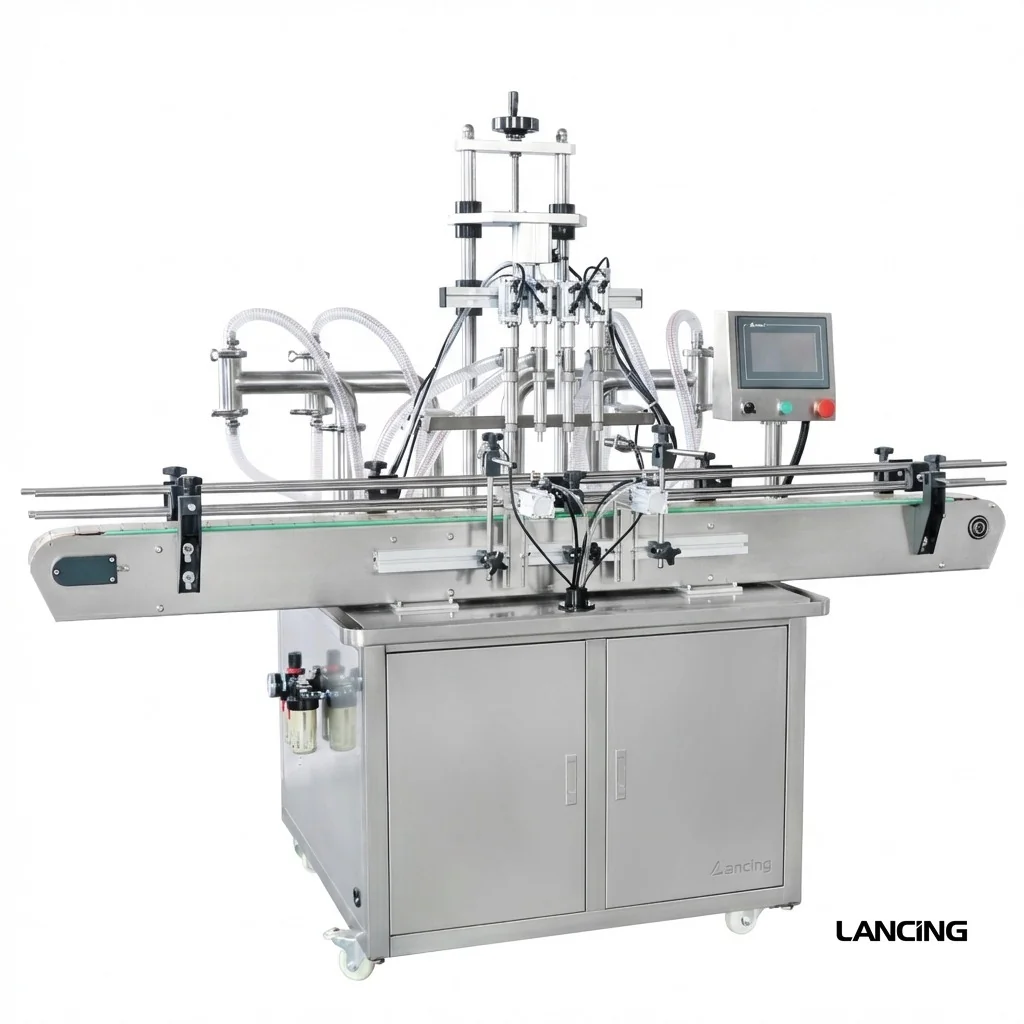
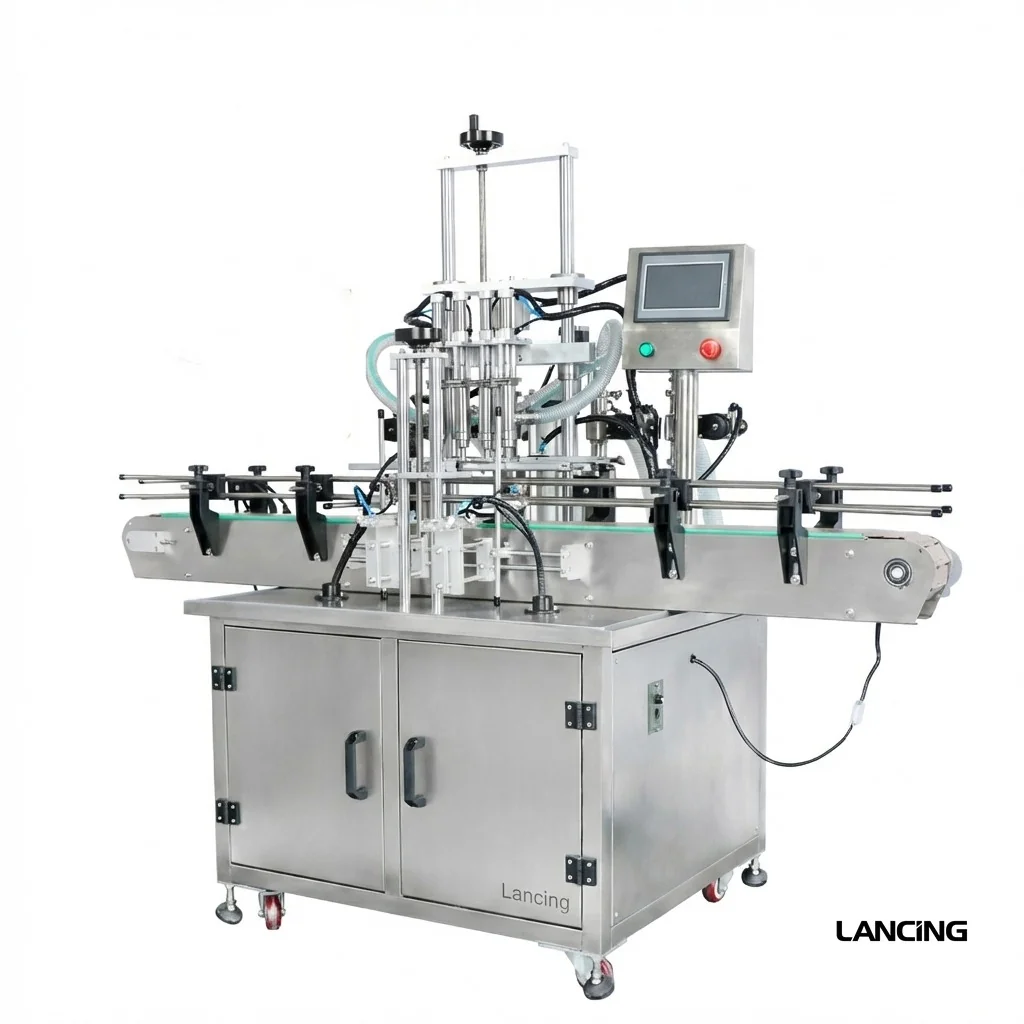
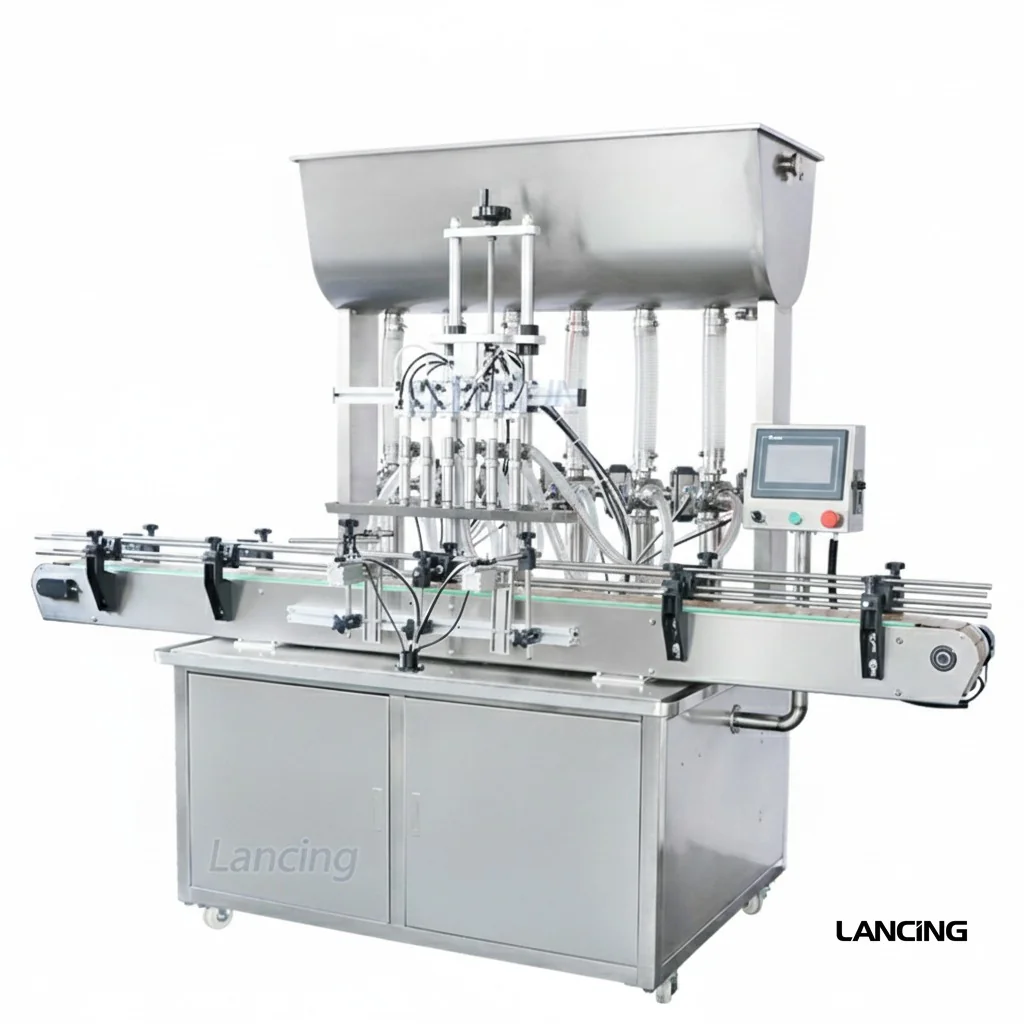
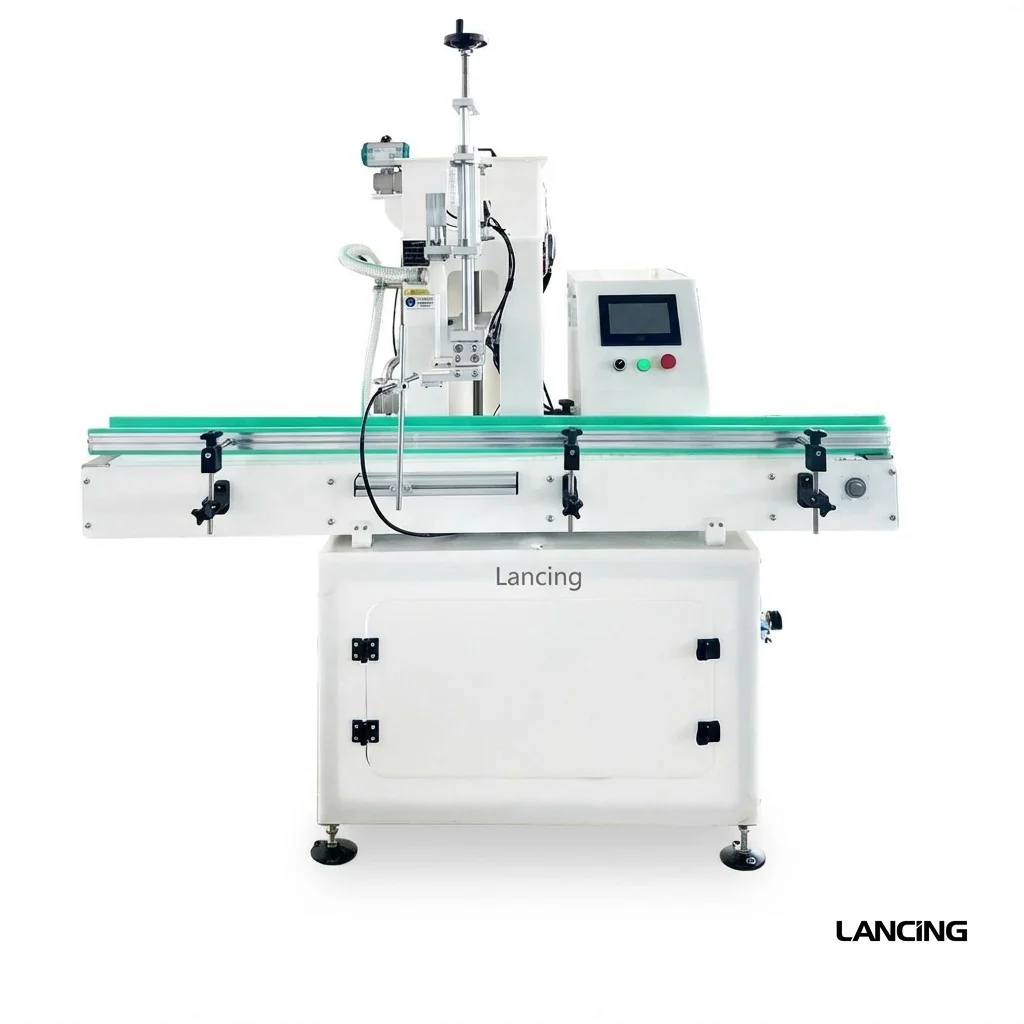
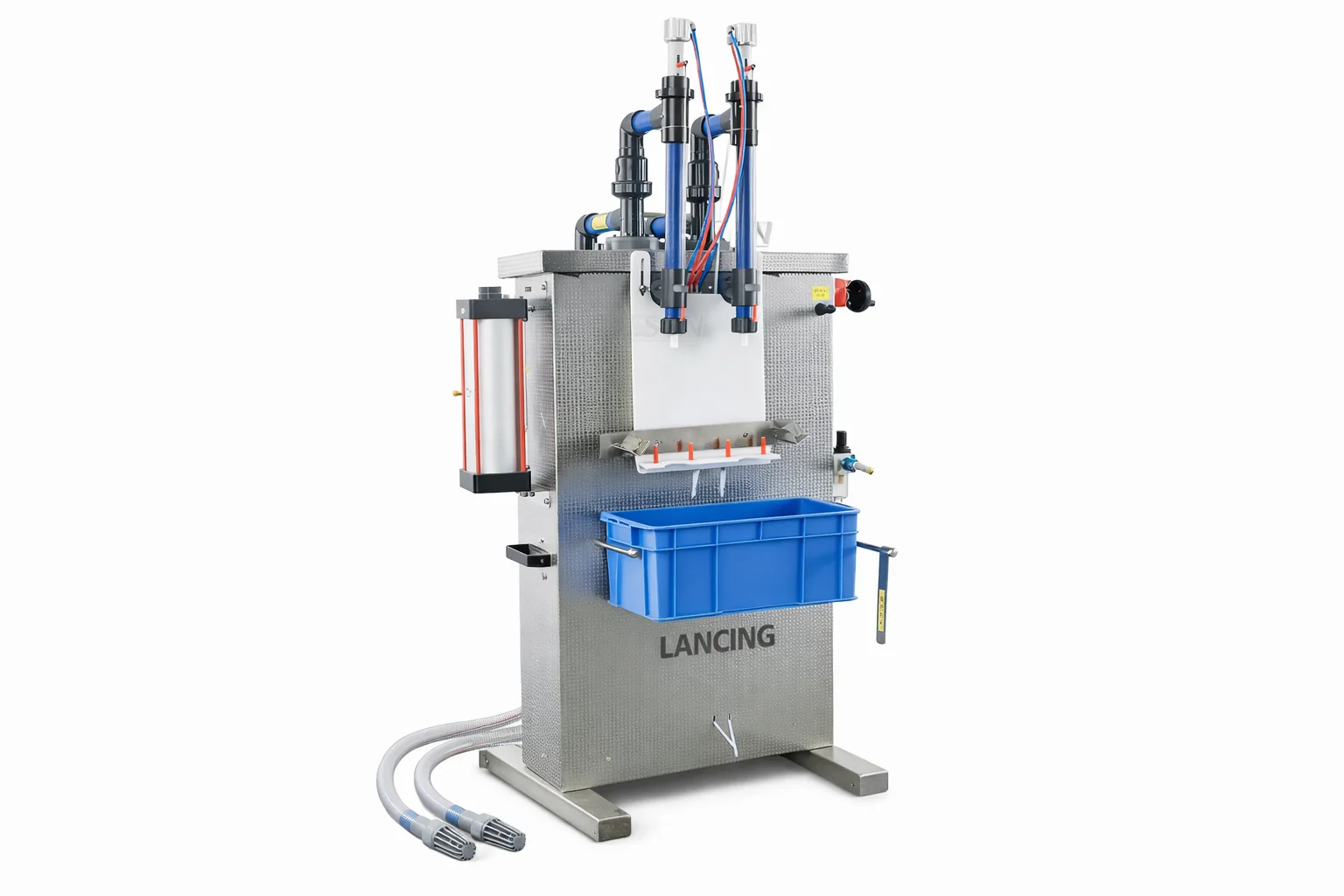
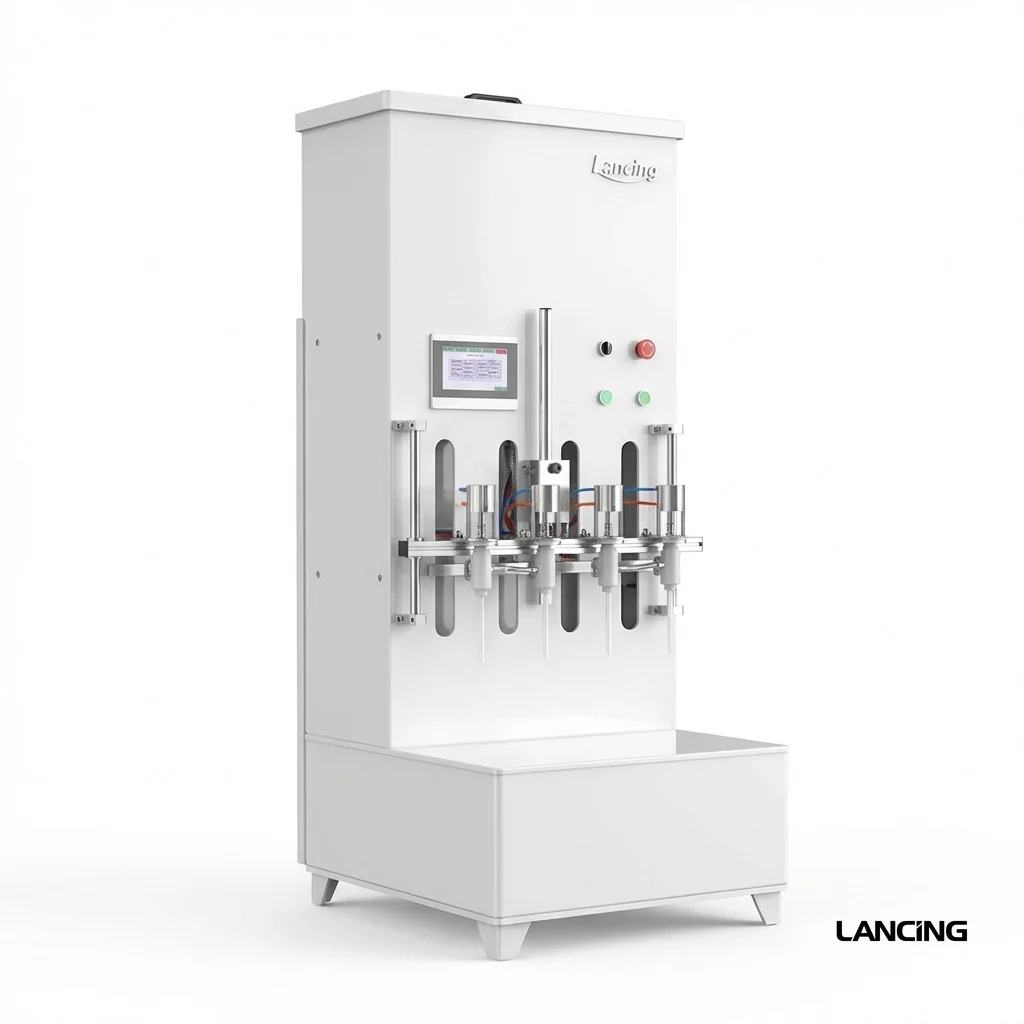
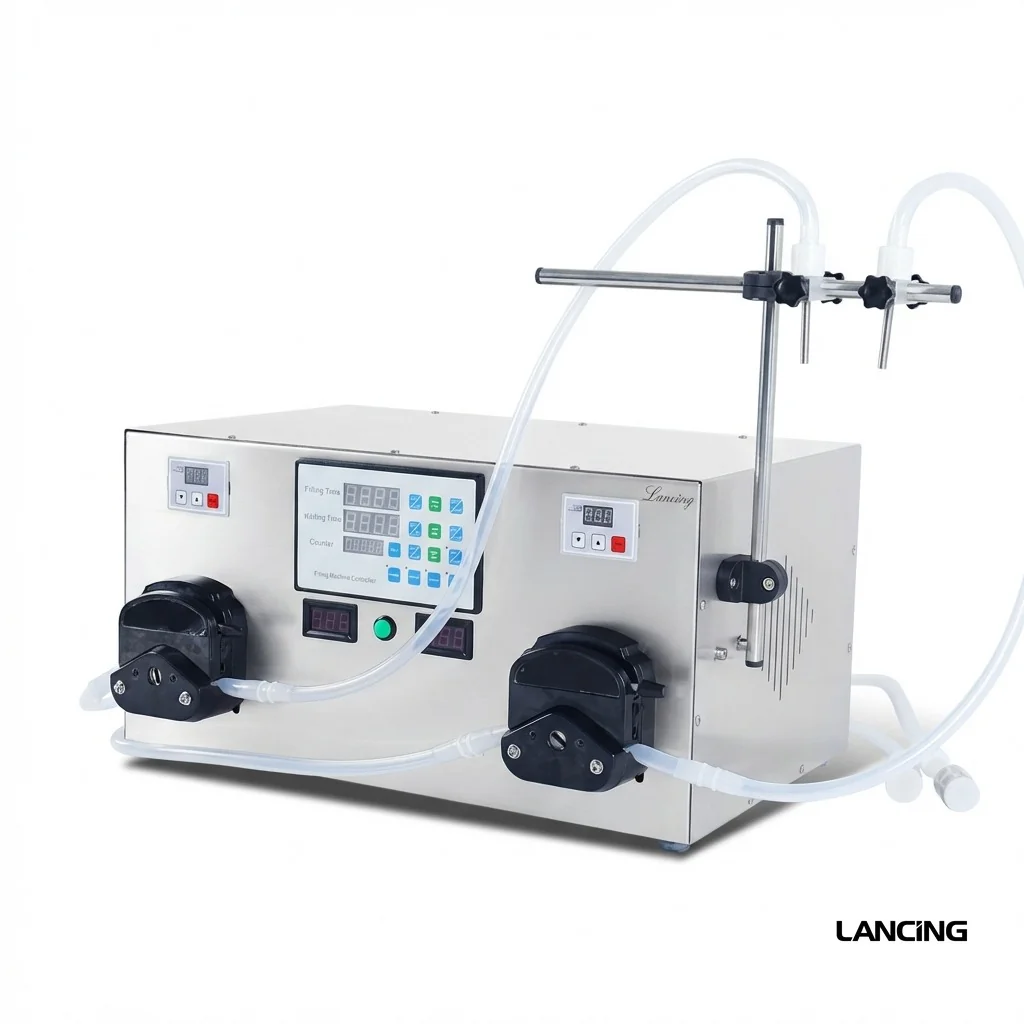
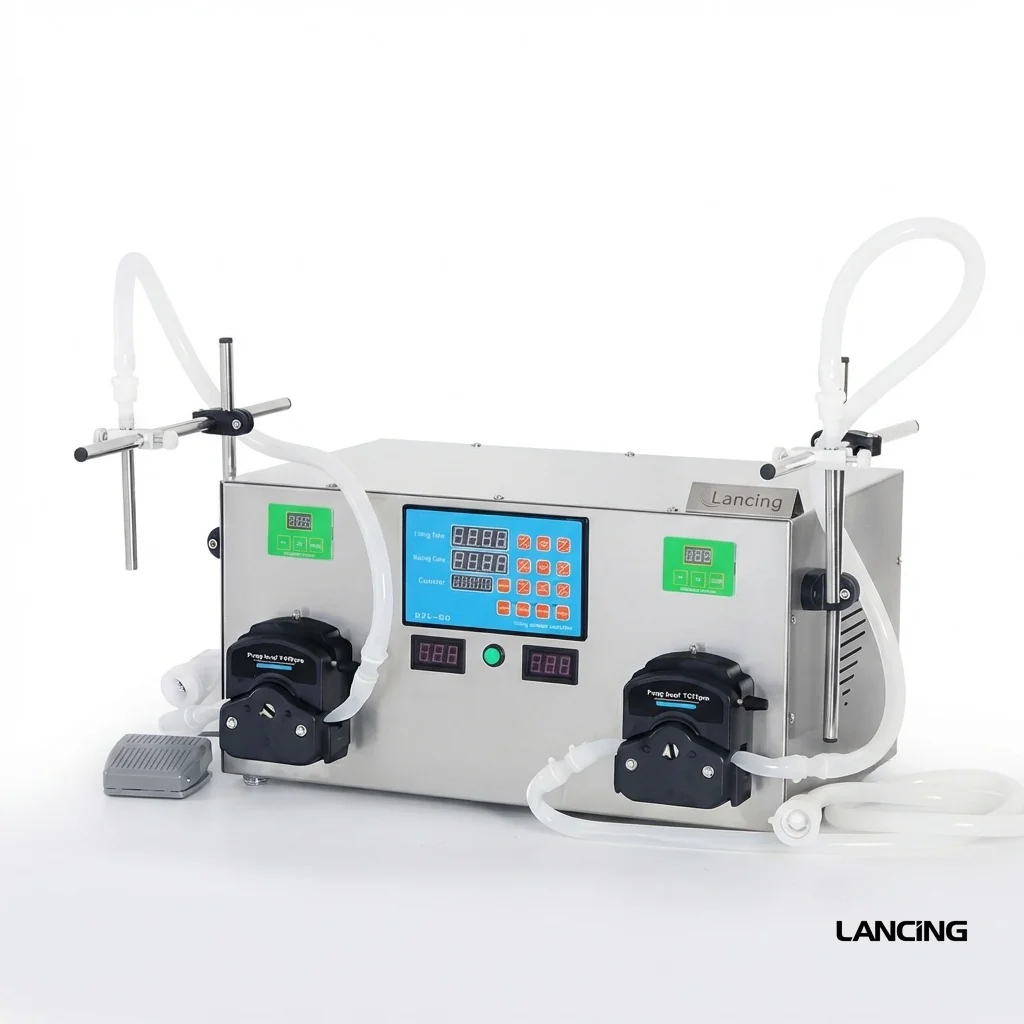
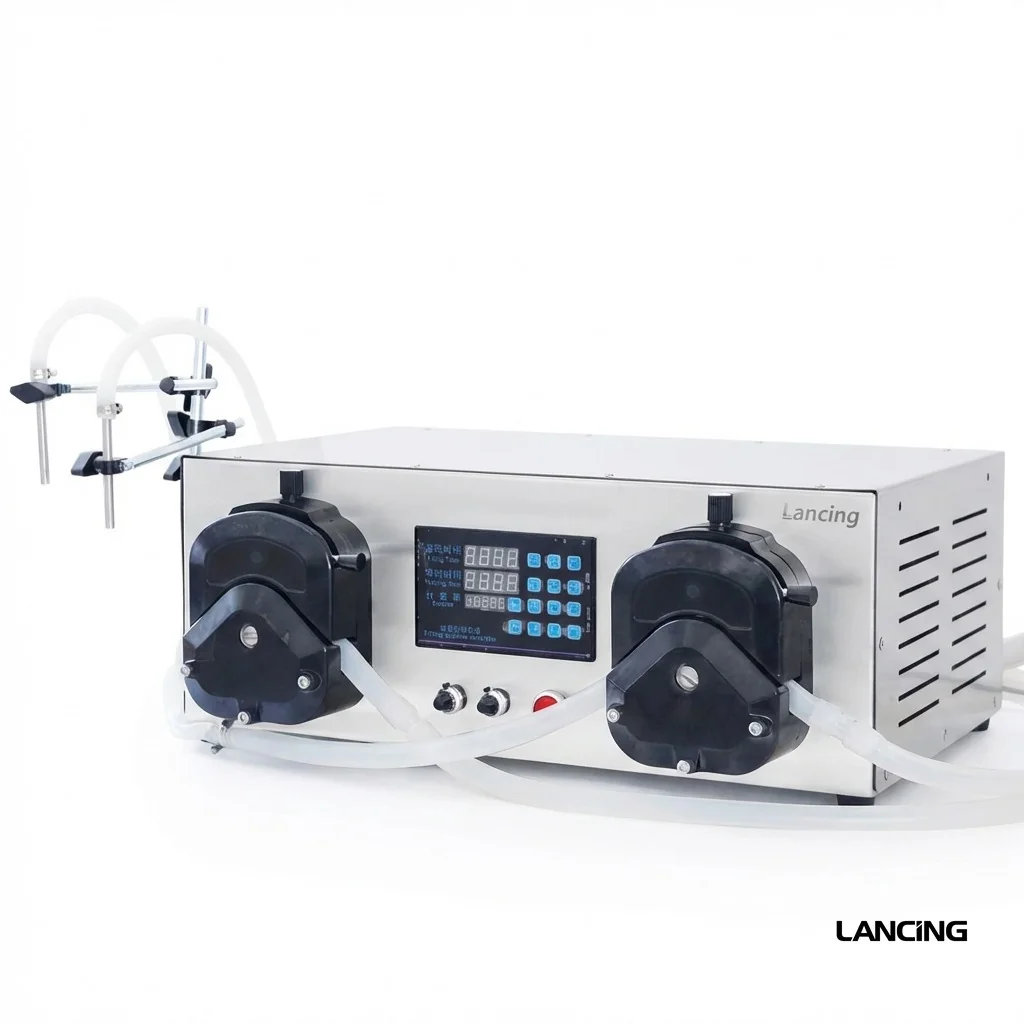
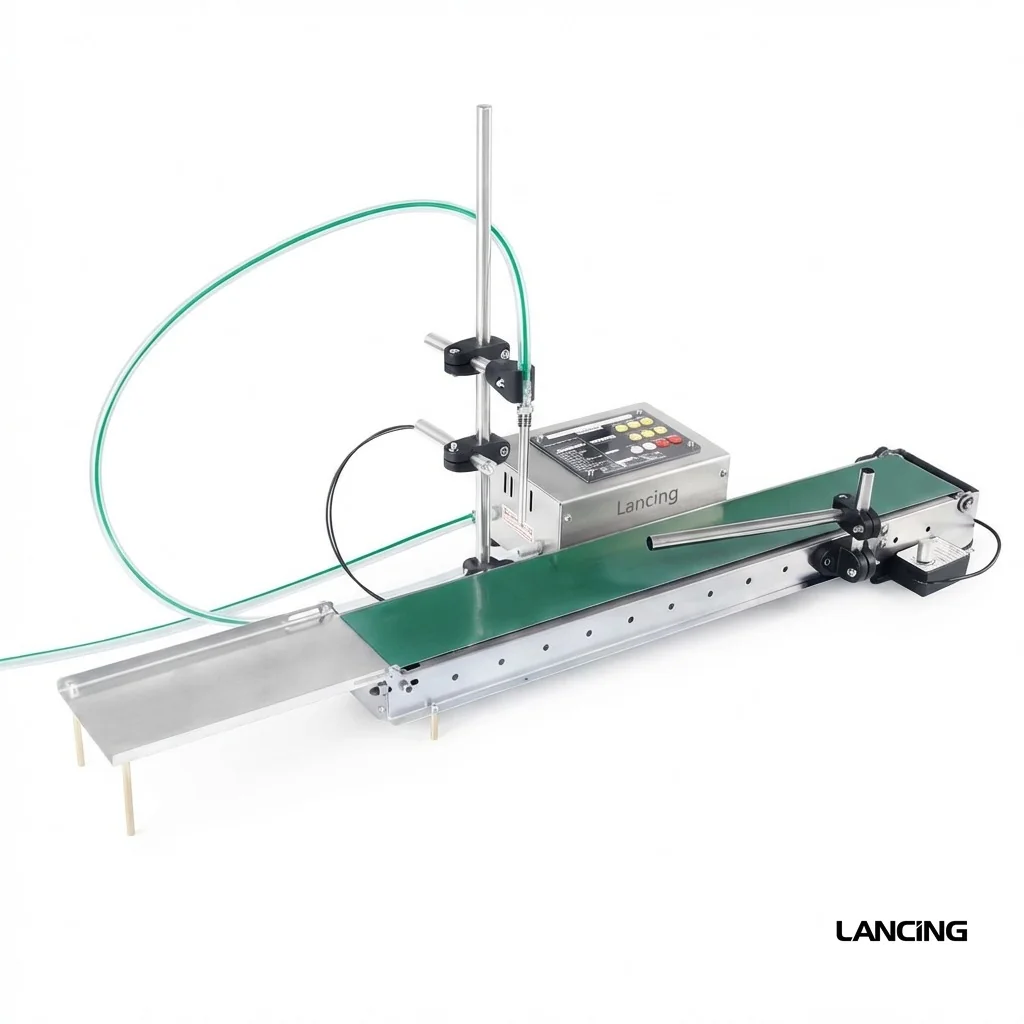
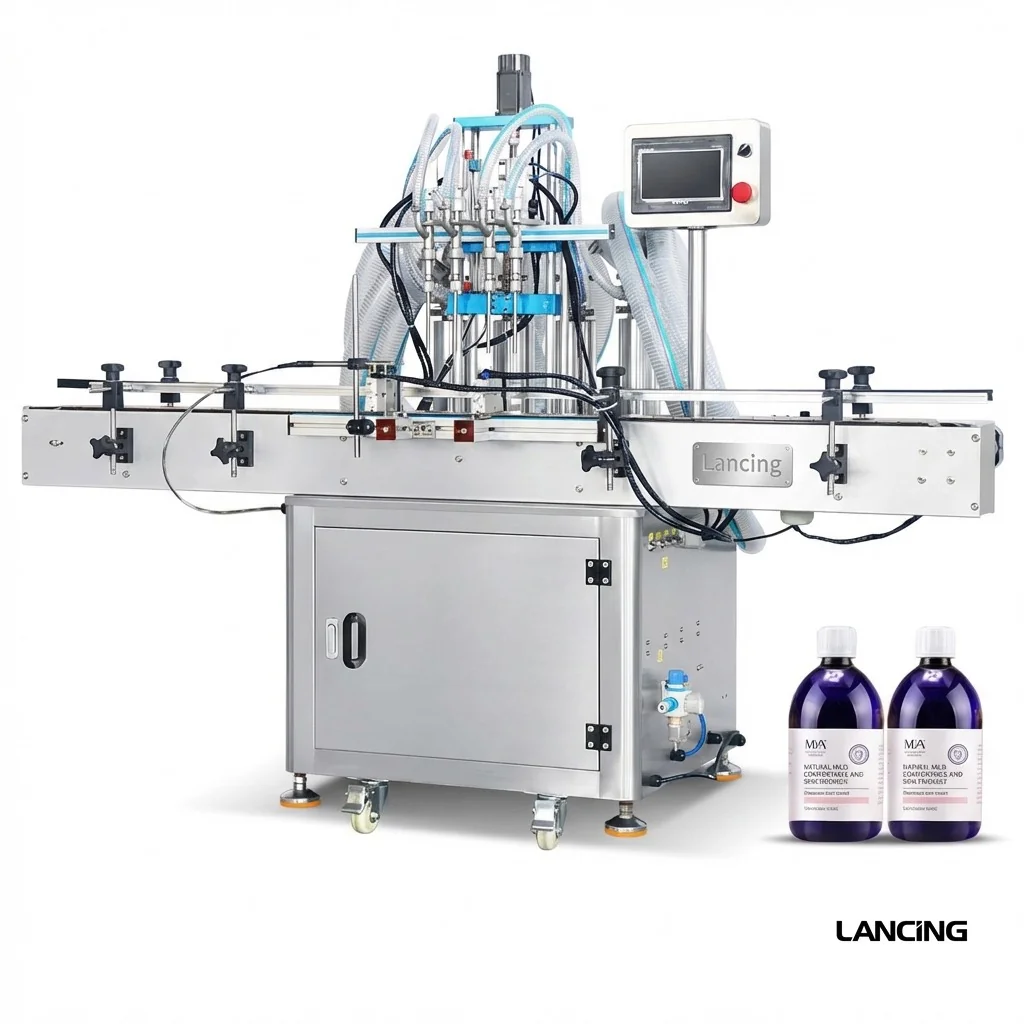
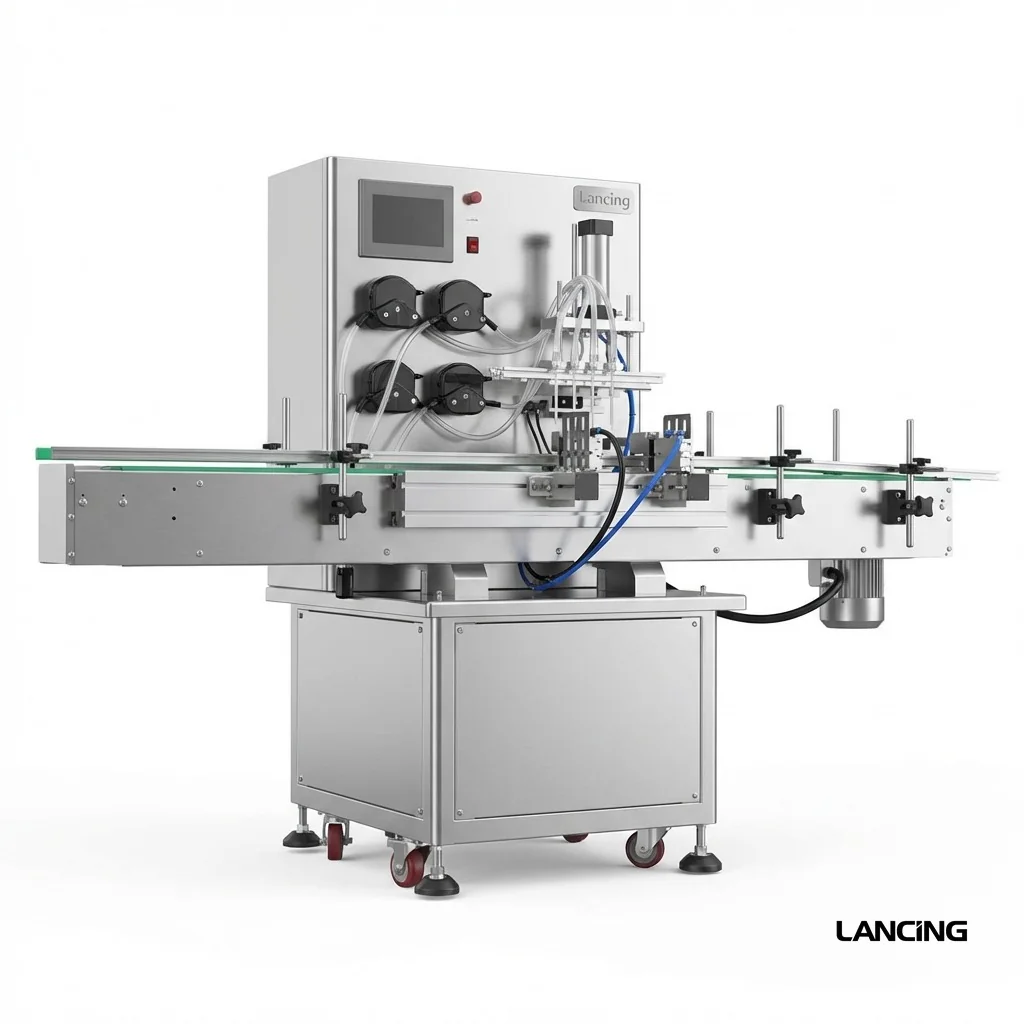
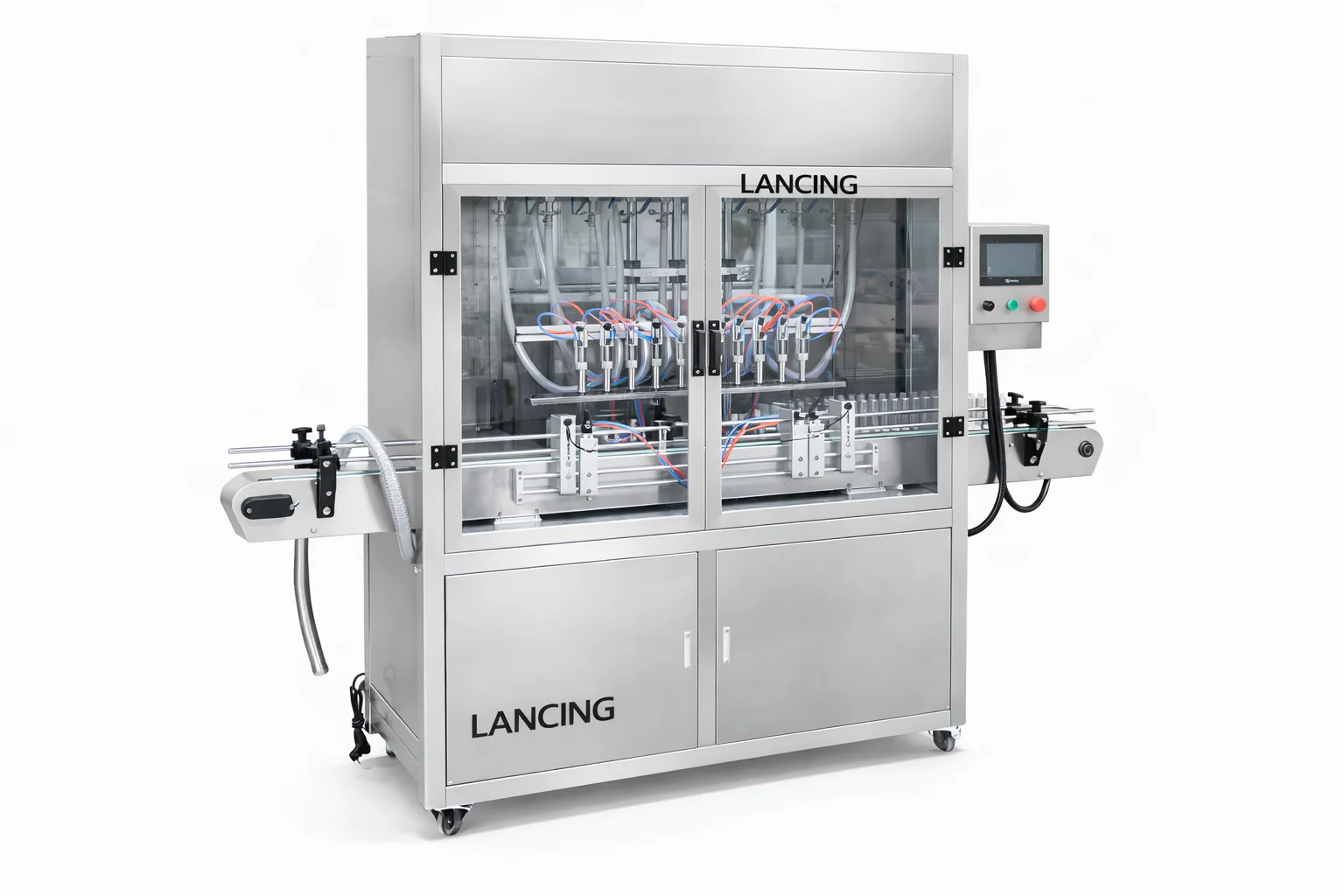
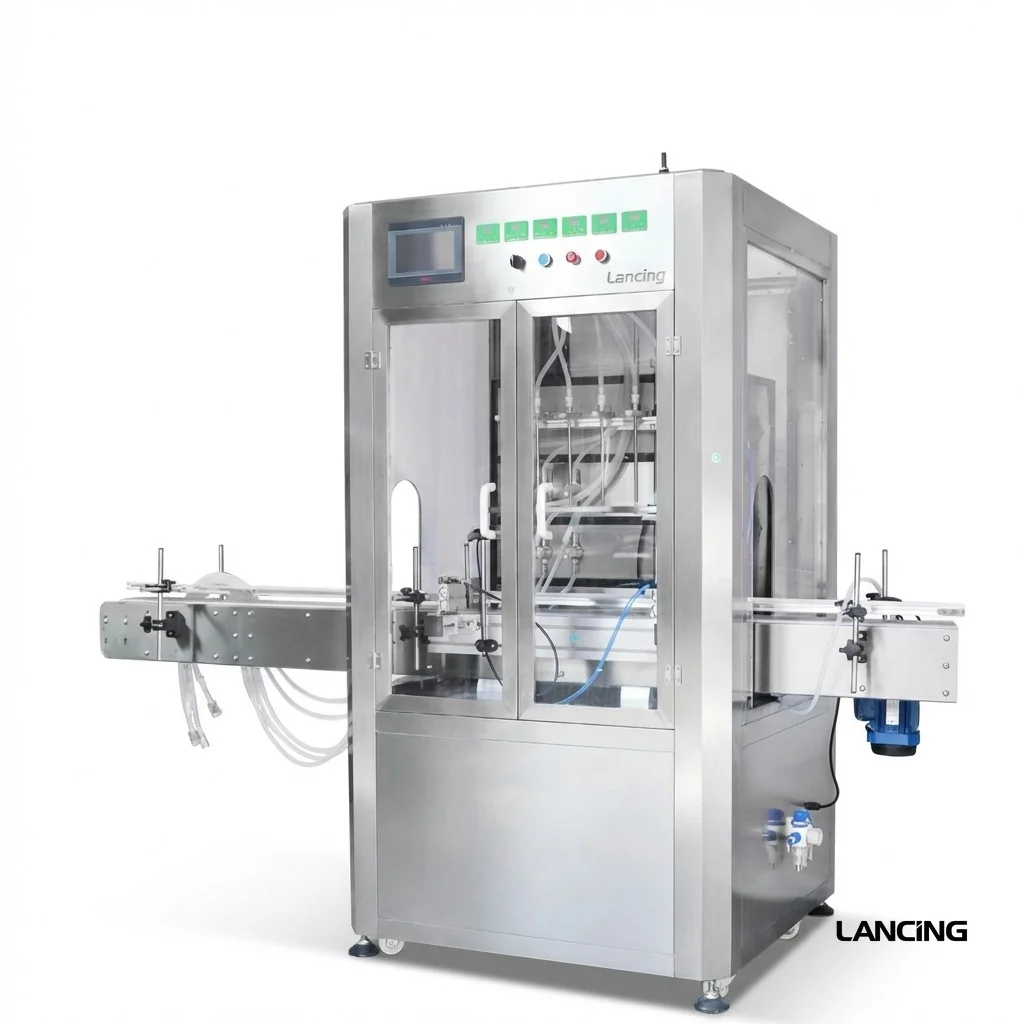
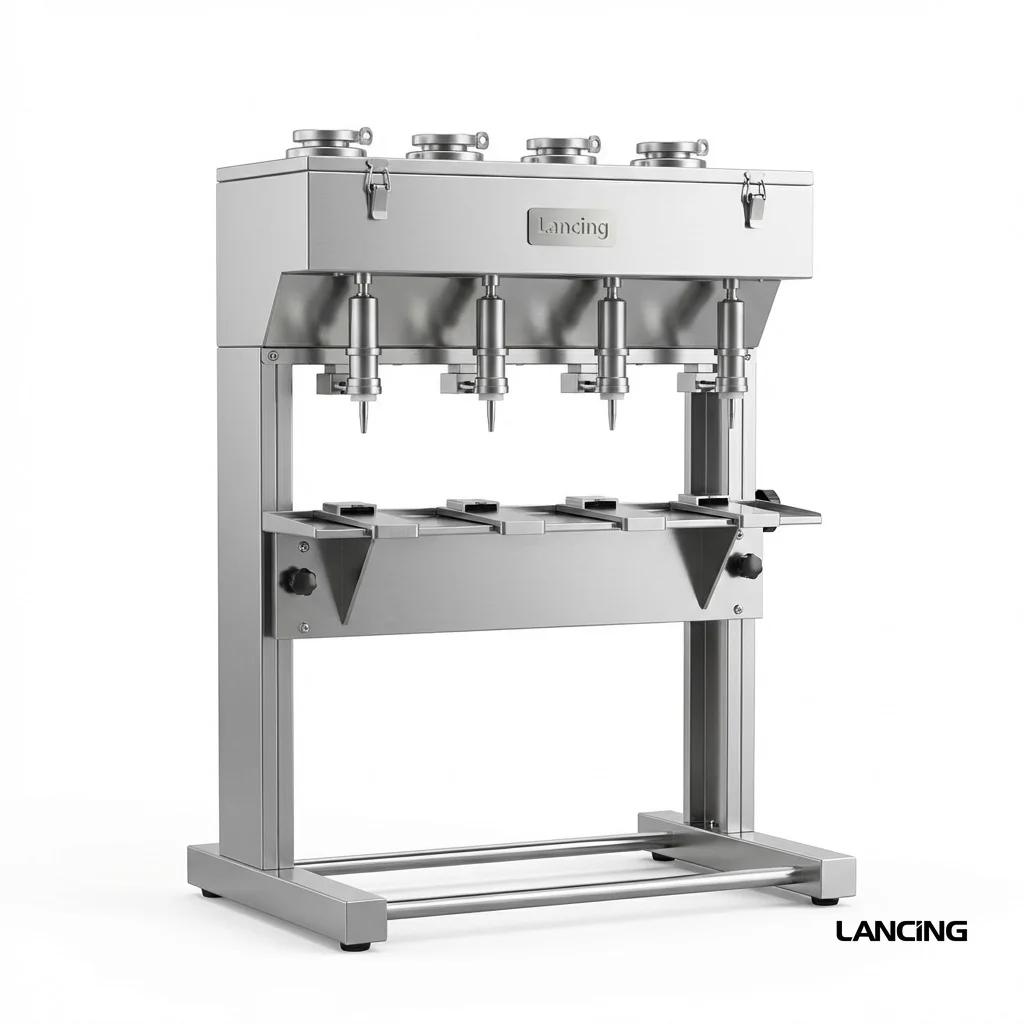
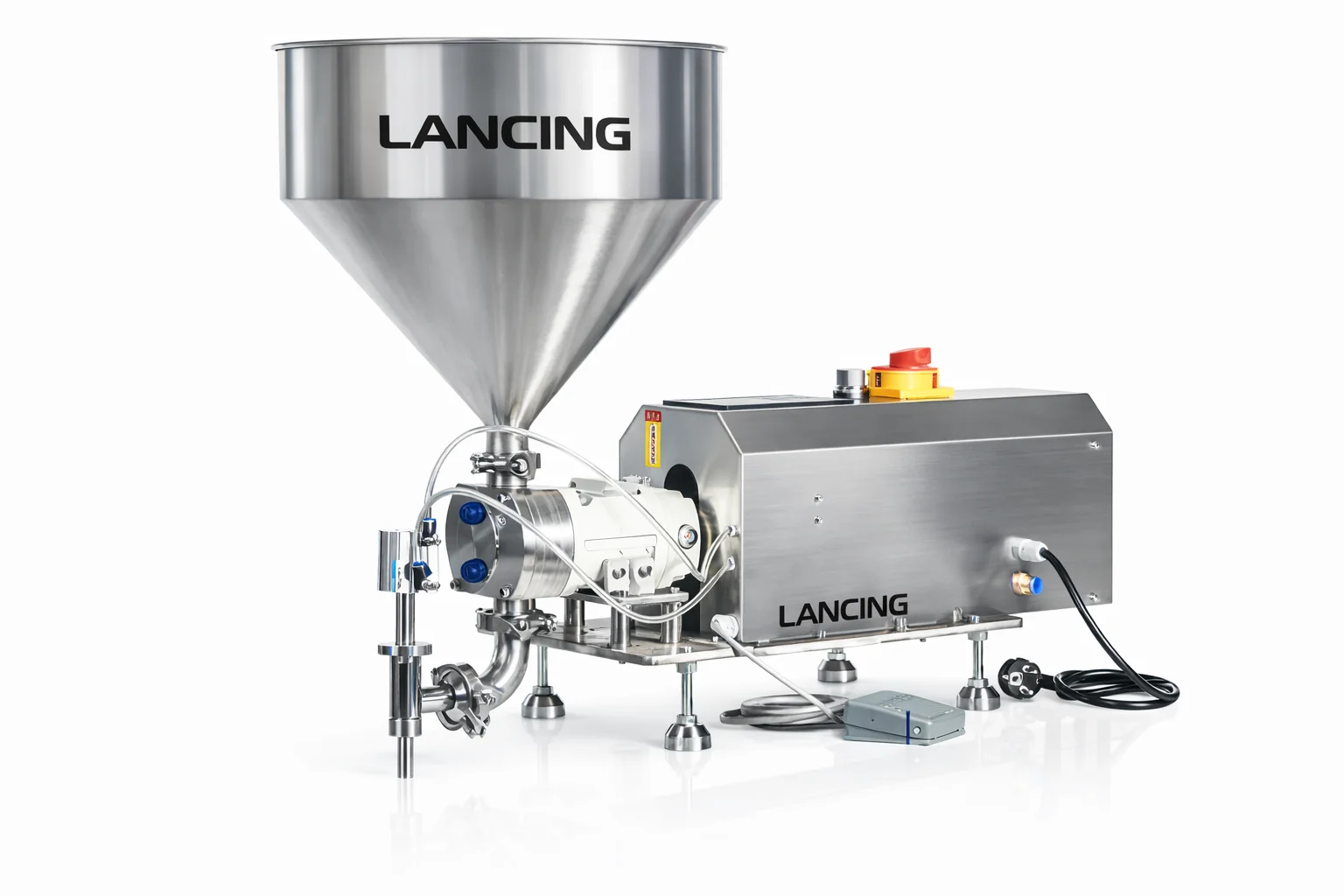
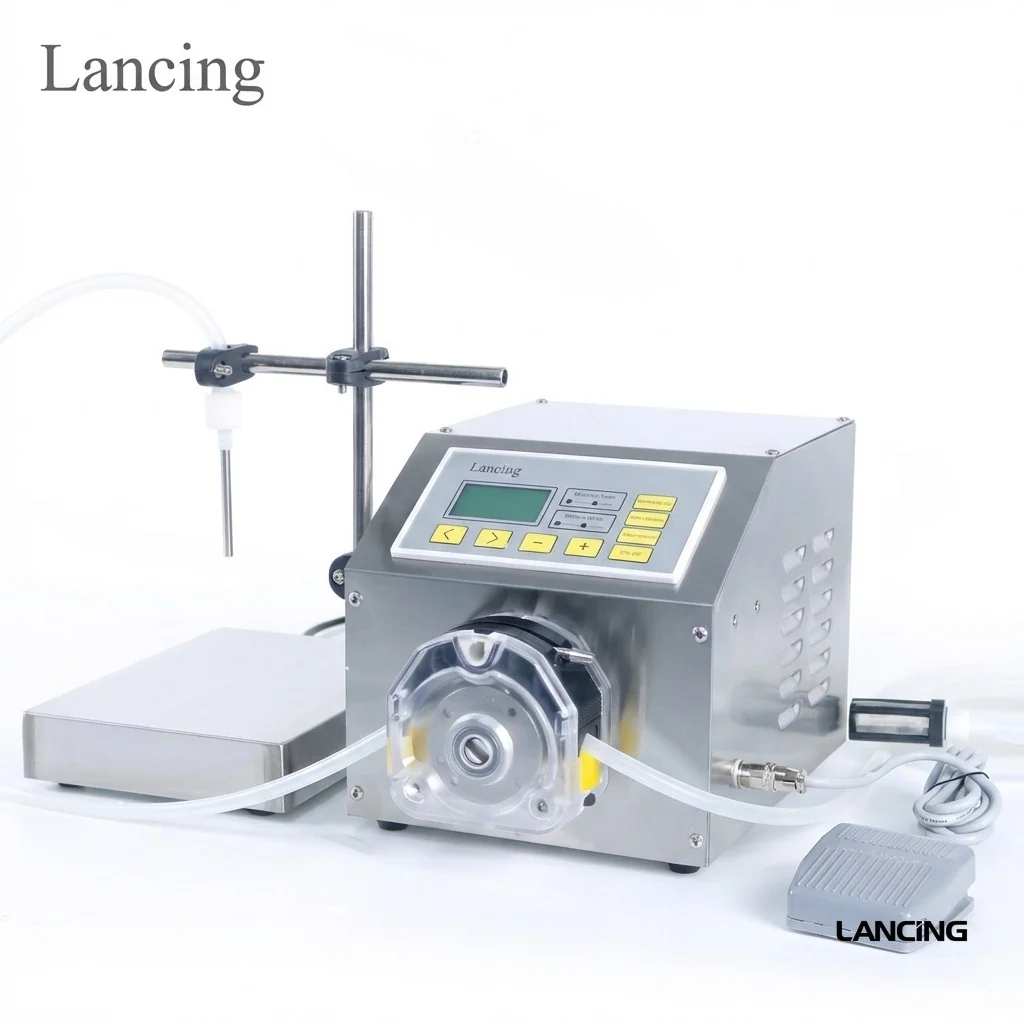
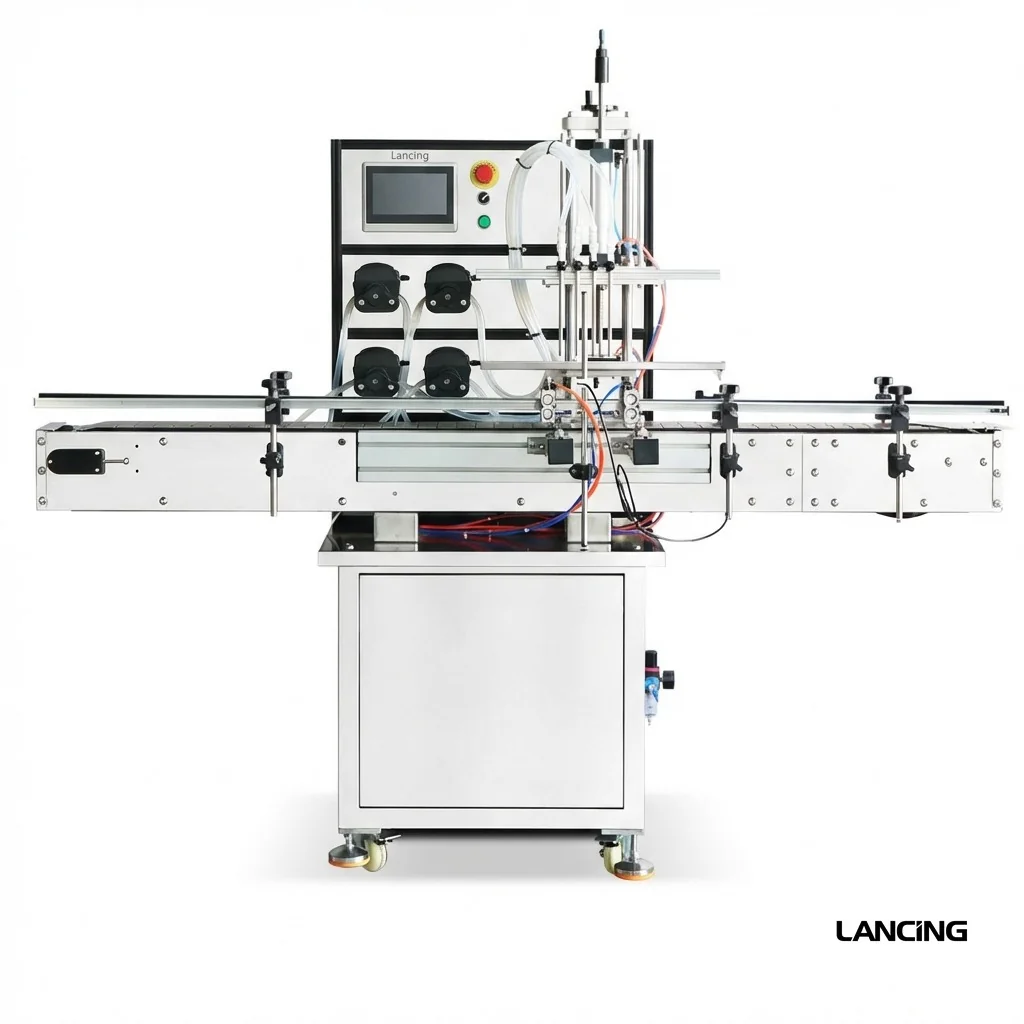
Liquid filling project notes
Selection variables for liquid filling machinery
Selection and compatibility guidance
Liquid filling projects should start with the product behaviour, not only the required volume. Viscosity, foaming, temperature, particulates, container neck size, desired headspace and cleaning requirements all influence whether a pump, piston, gravity, vacuum or other filling principle is appropriate. Lancing should also understand whether the product can drip, string, settle, separate or aerate during filling.
For a useful enquiry, provide product samples where possible, the smallest and largest containers, closure details, current fill method, changeover frequency and any requirement to connect with capping, labelling or conveyors. If the liquid foams or is hazardous, state this clearly so that filling speed, nozzle movement and guarding can be considered safely.
Before requesting a quotation
Confirm the production environment, changeover frequency, cleaning method, operator access requirements and whether the machine will operate stand-alone or as part of a wider packaging line. Where the application is close to a machine limit, Lancing may need to review samples before confirming the best equipment route.
Useful samples
Send the product, container or pack, closure, label or film where relevant, plus photographs of the current process and details of available space and utilities.
Liquid filling application routes
Connect pump selection, bottle handling and product trials
Free-flowing, foaming, corrosive, solvent-based, temperature-sensitive and small-volume liquids can require different product paths and controls. Use the bottle application guide to include neck cleanliness, closure and label interfaces.
The food and beverage, cosmetics and chemical and household pages show how the same liquid category can create different cleaning, safety and presentation requirements.
Provide the product at the expected condition and define the fill check so pump, piston, gravity, vacuum or other routes can be compared on representative evidence.
Liquid-filling evidence
- Viscosity and temperature range
- Foam, aeration, particulates or settling
- Product compatibility information
- Container opening and headspace
- Product-feed height and method
- Accepted fill measurement
- Cleaning and changeover