
Paste Filling
Browse paste filling machines.
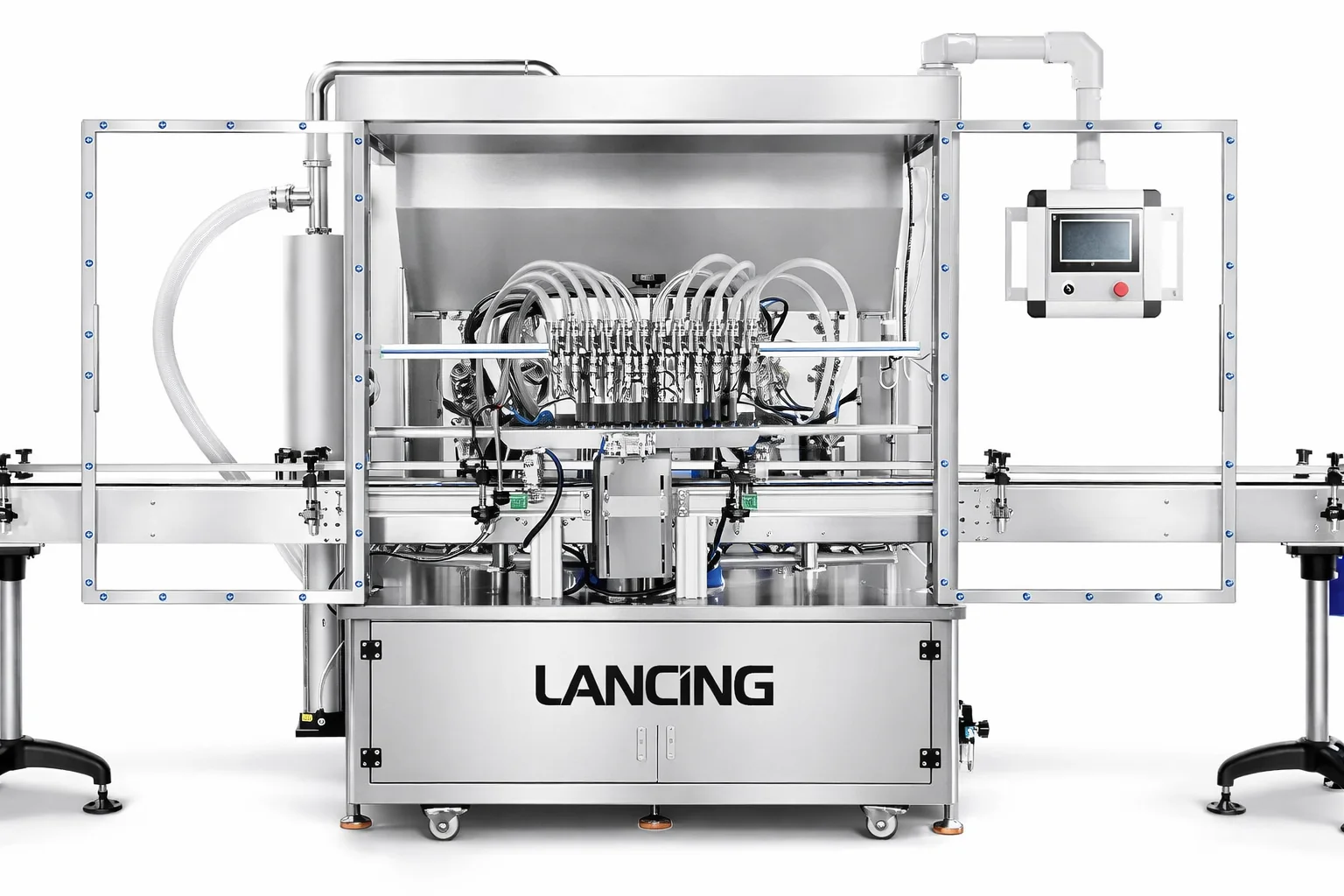
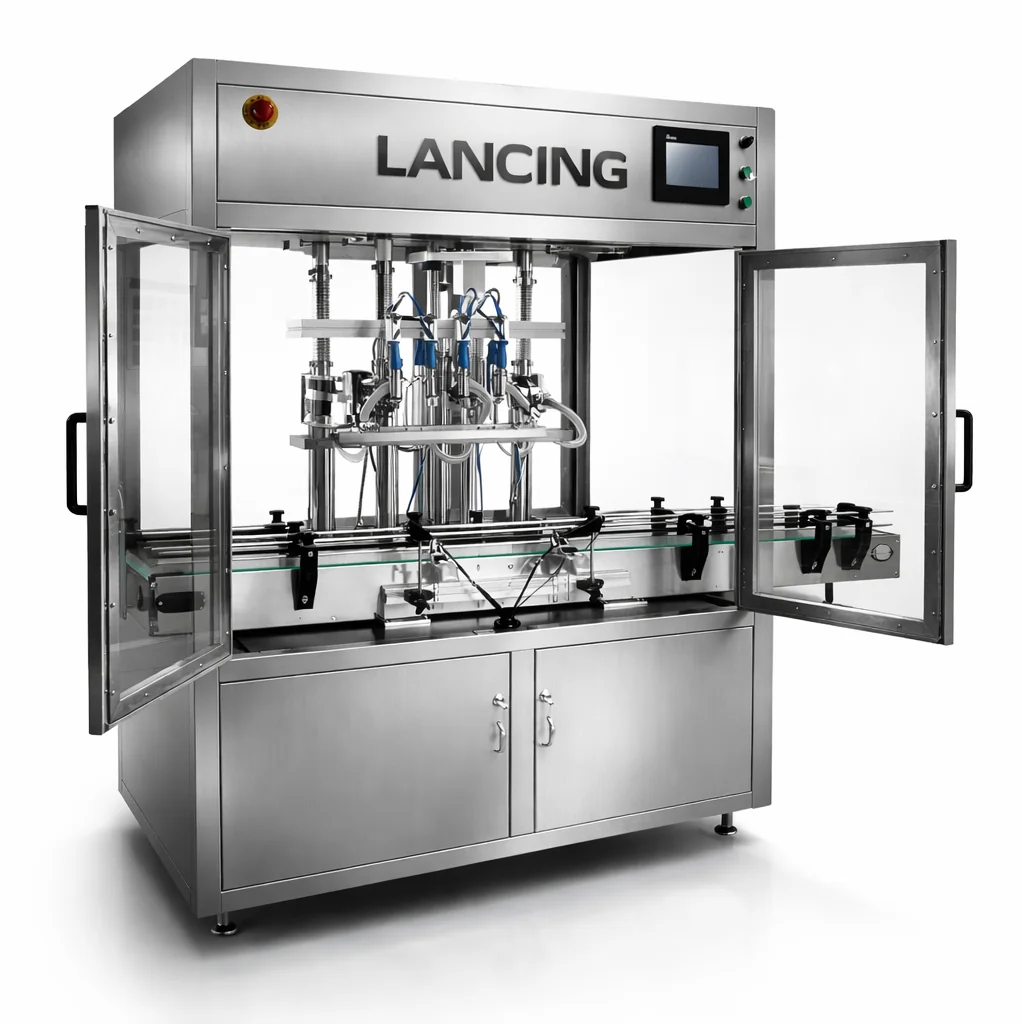
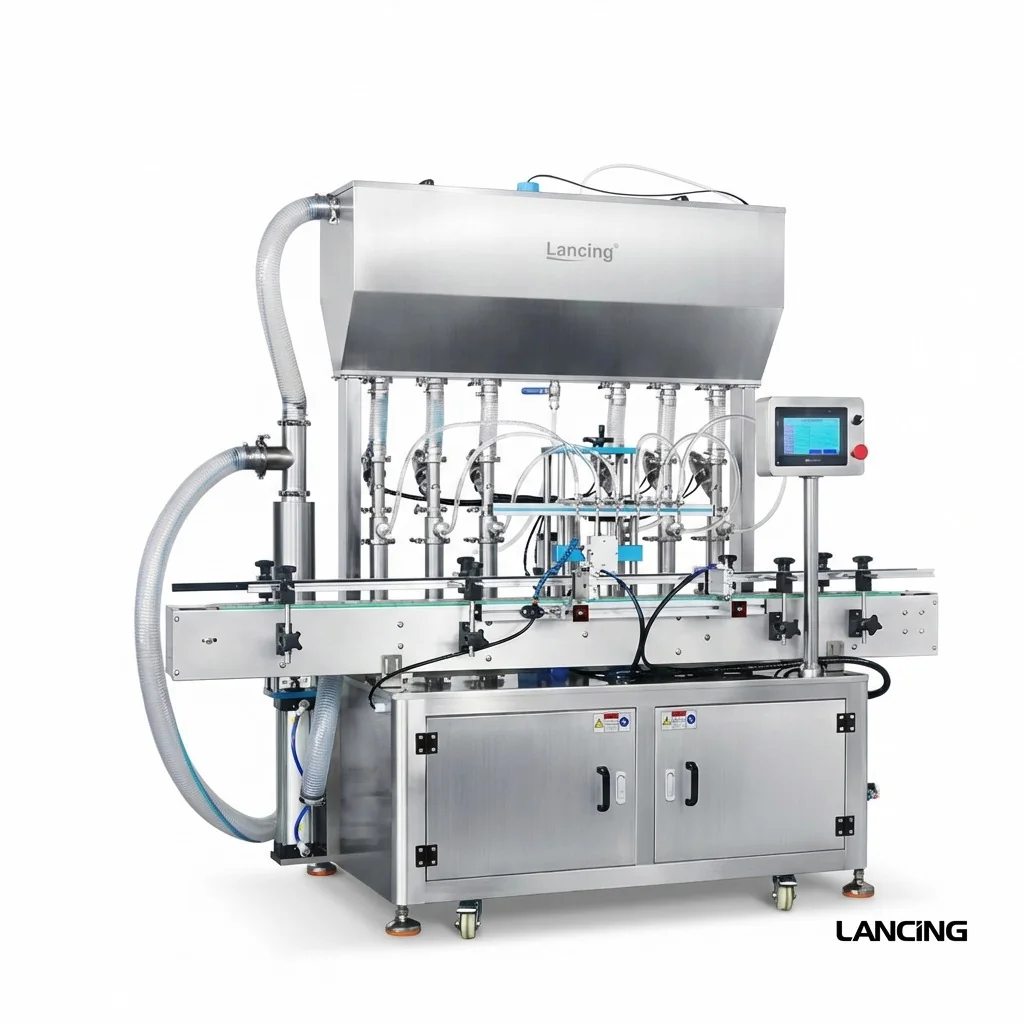
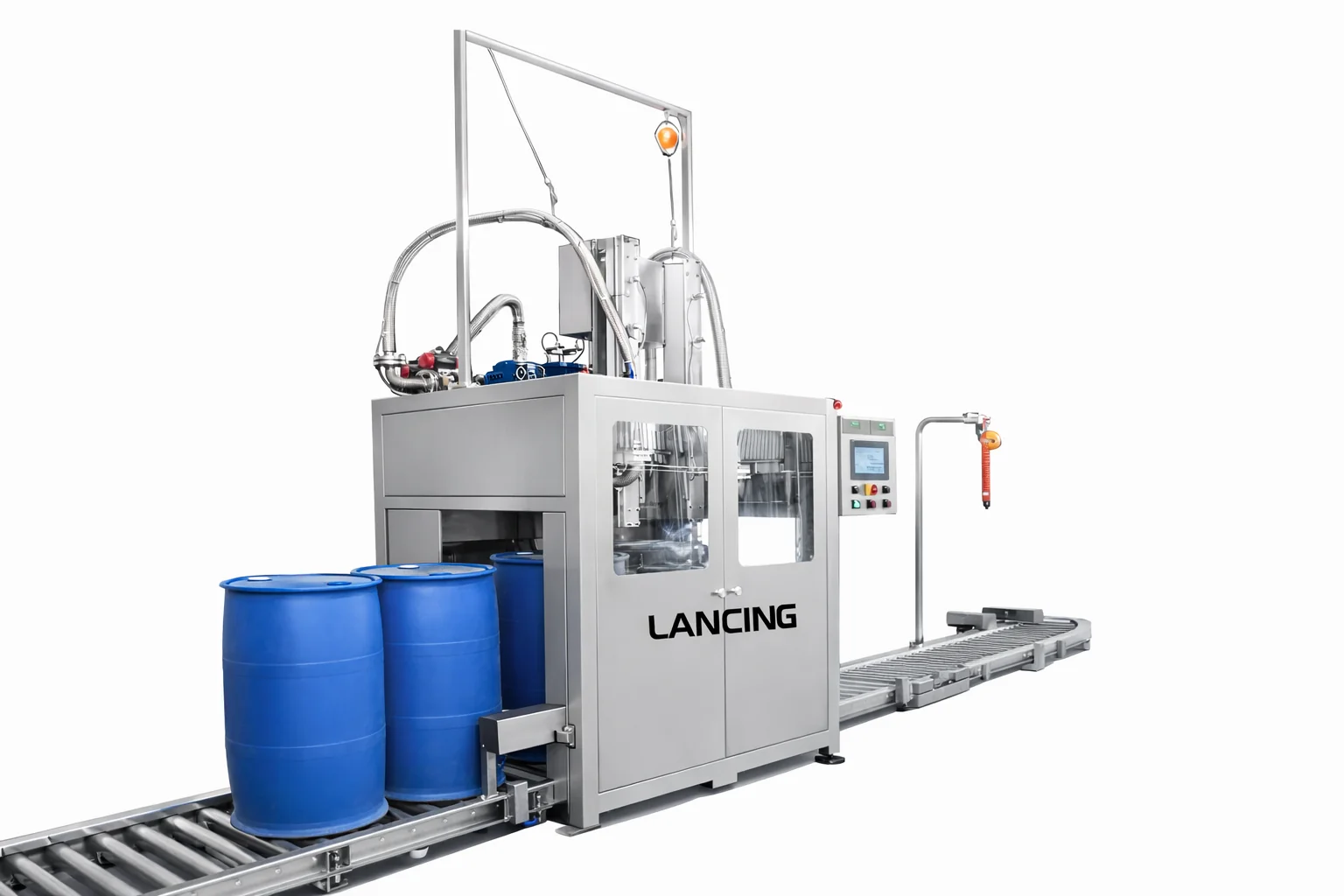
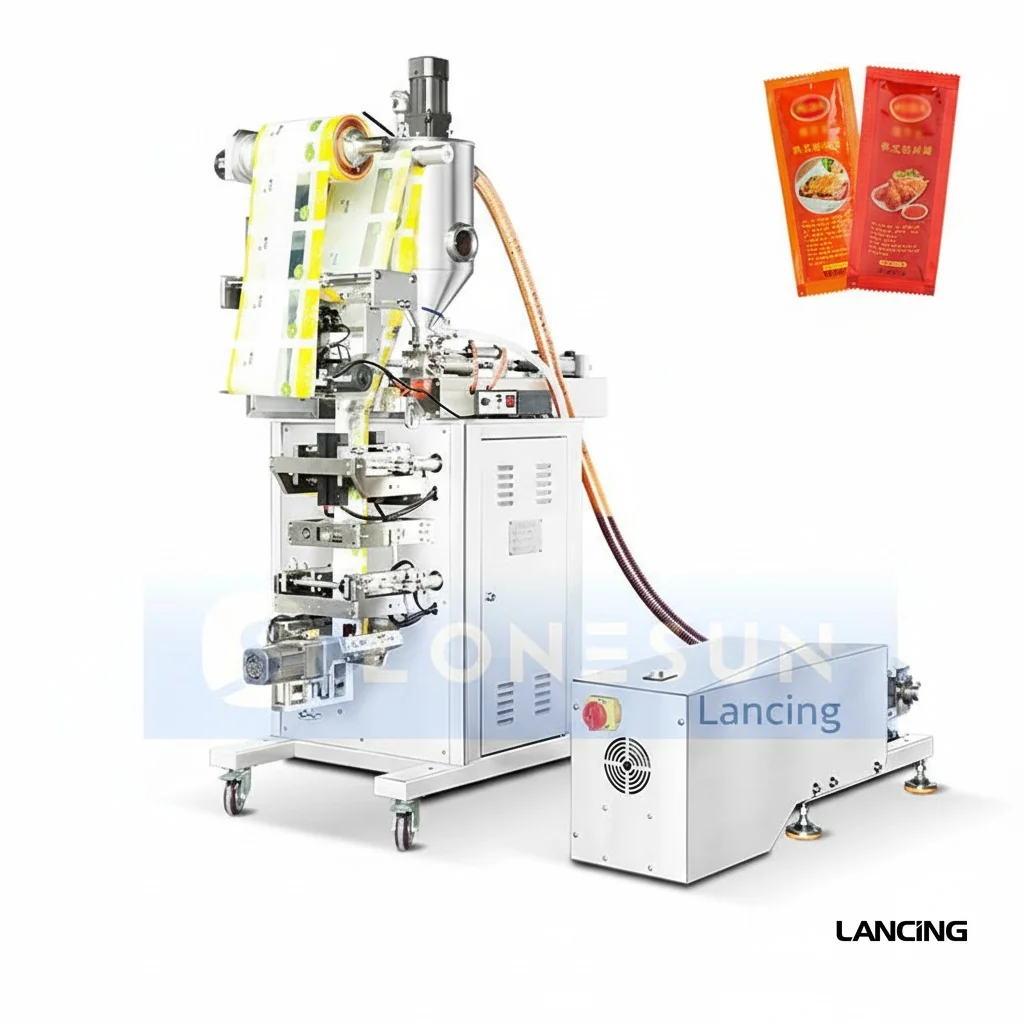
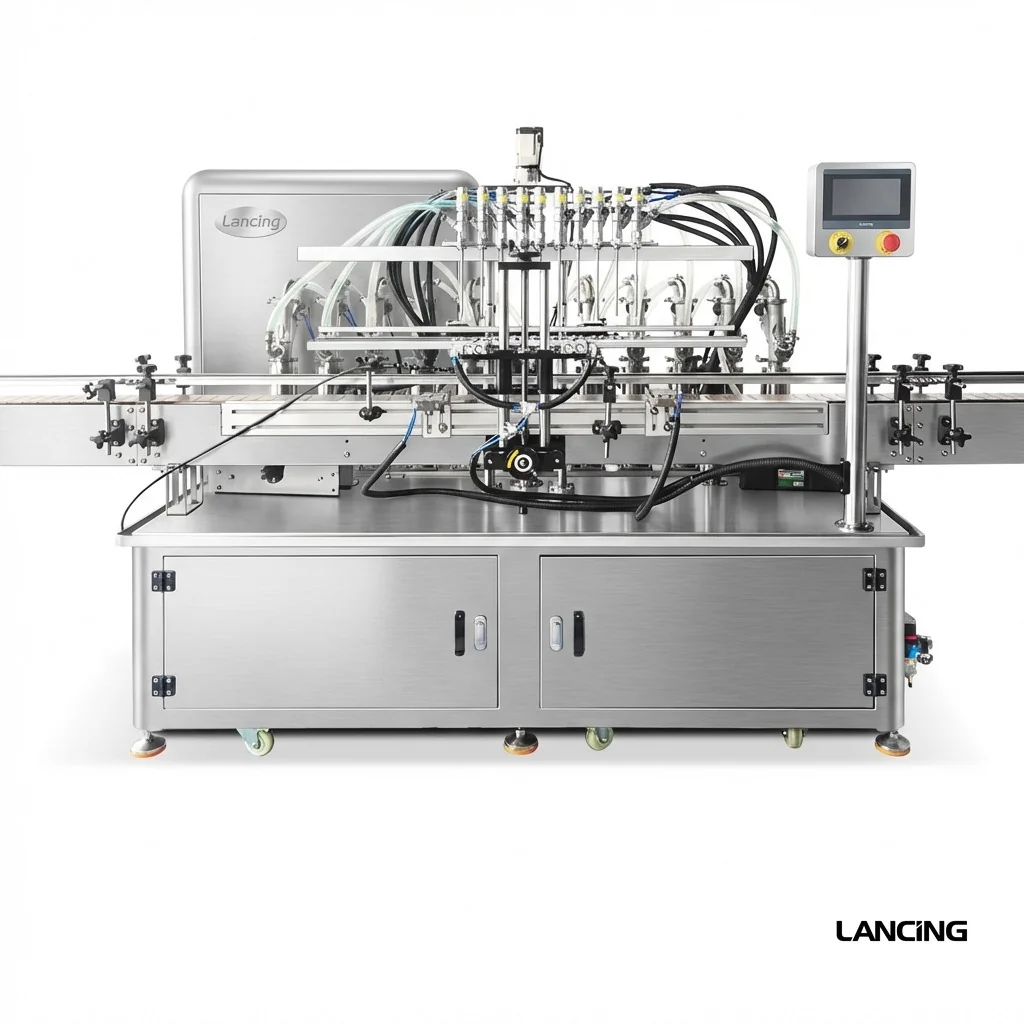
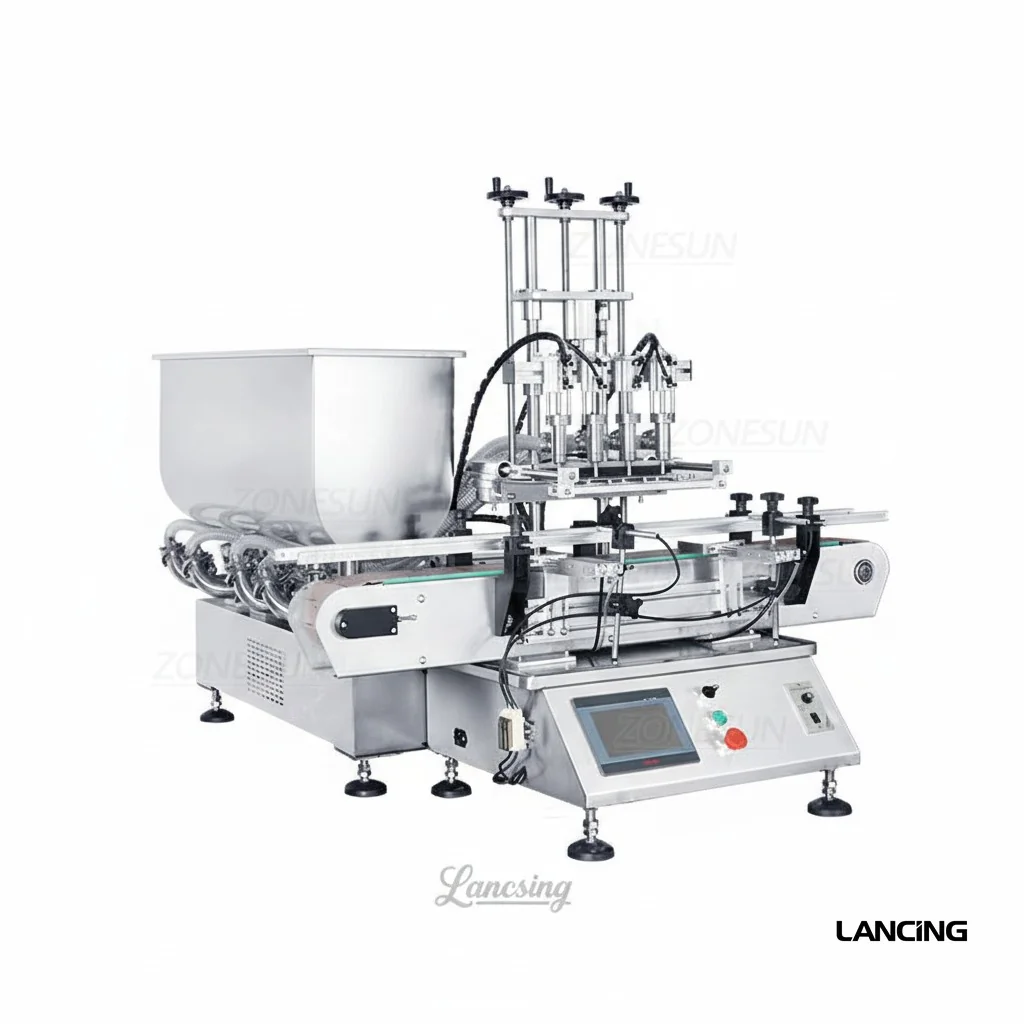
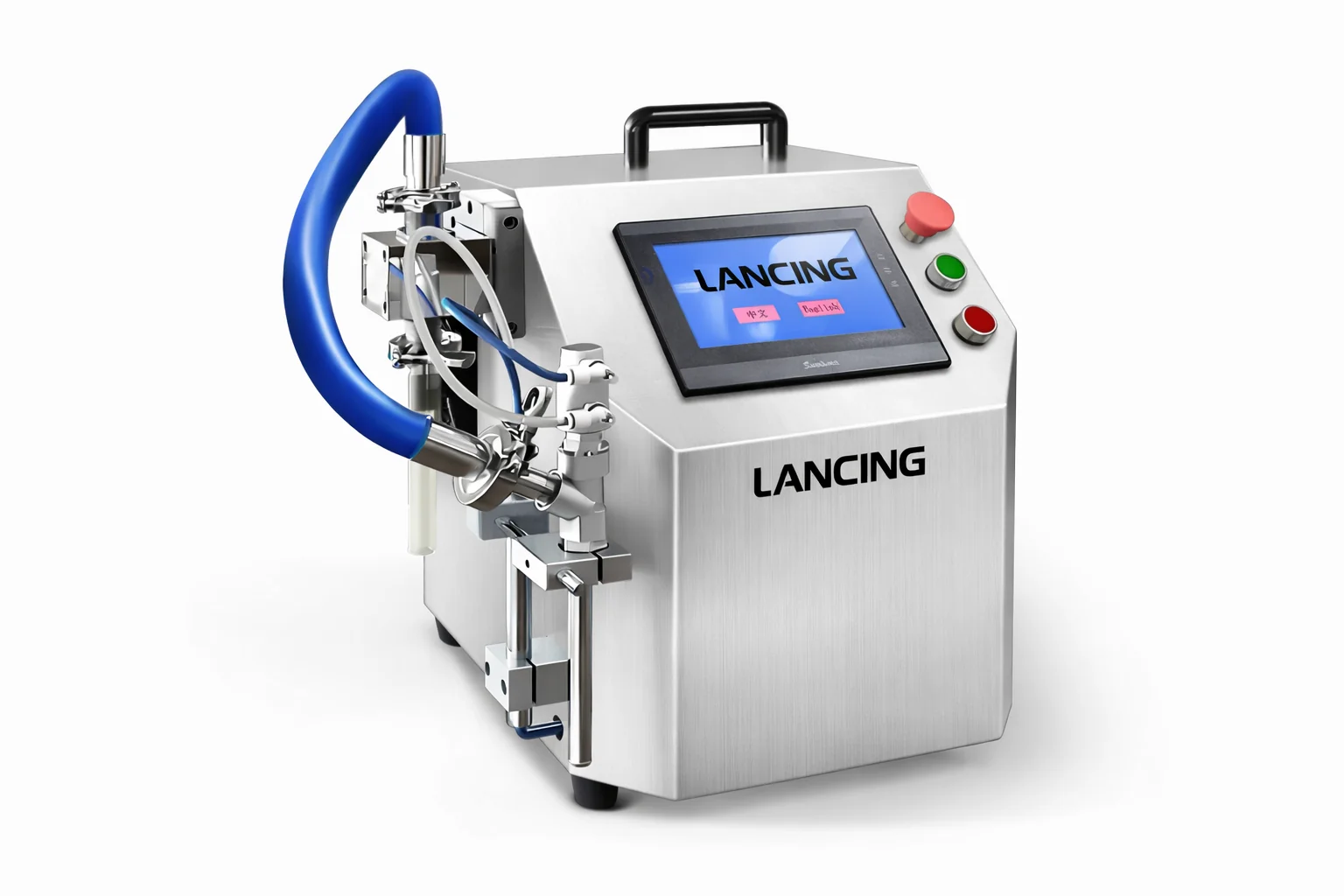
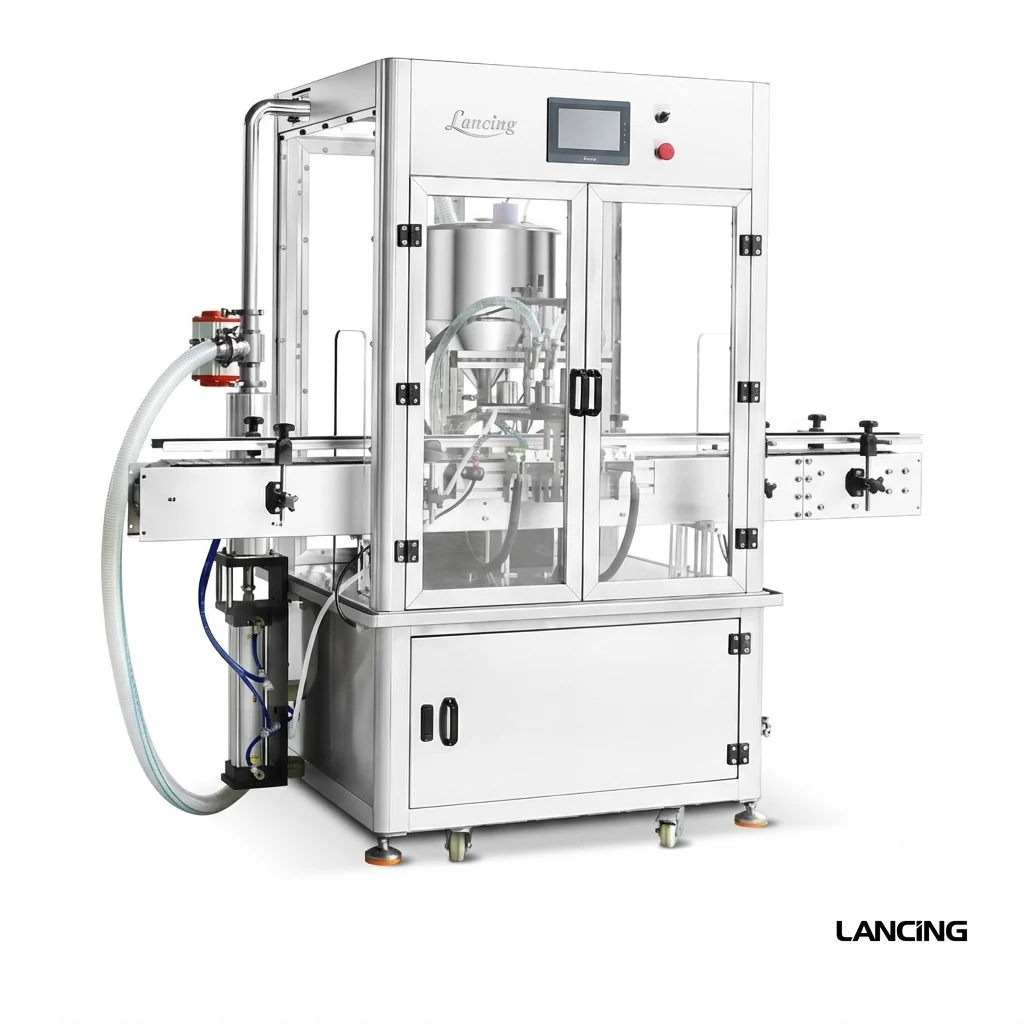
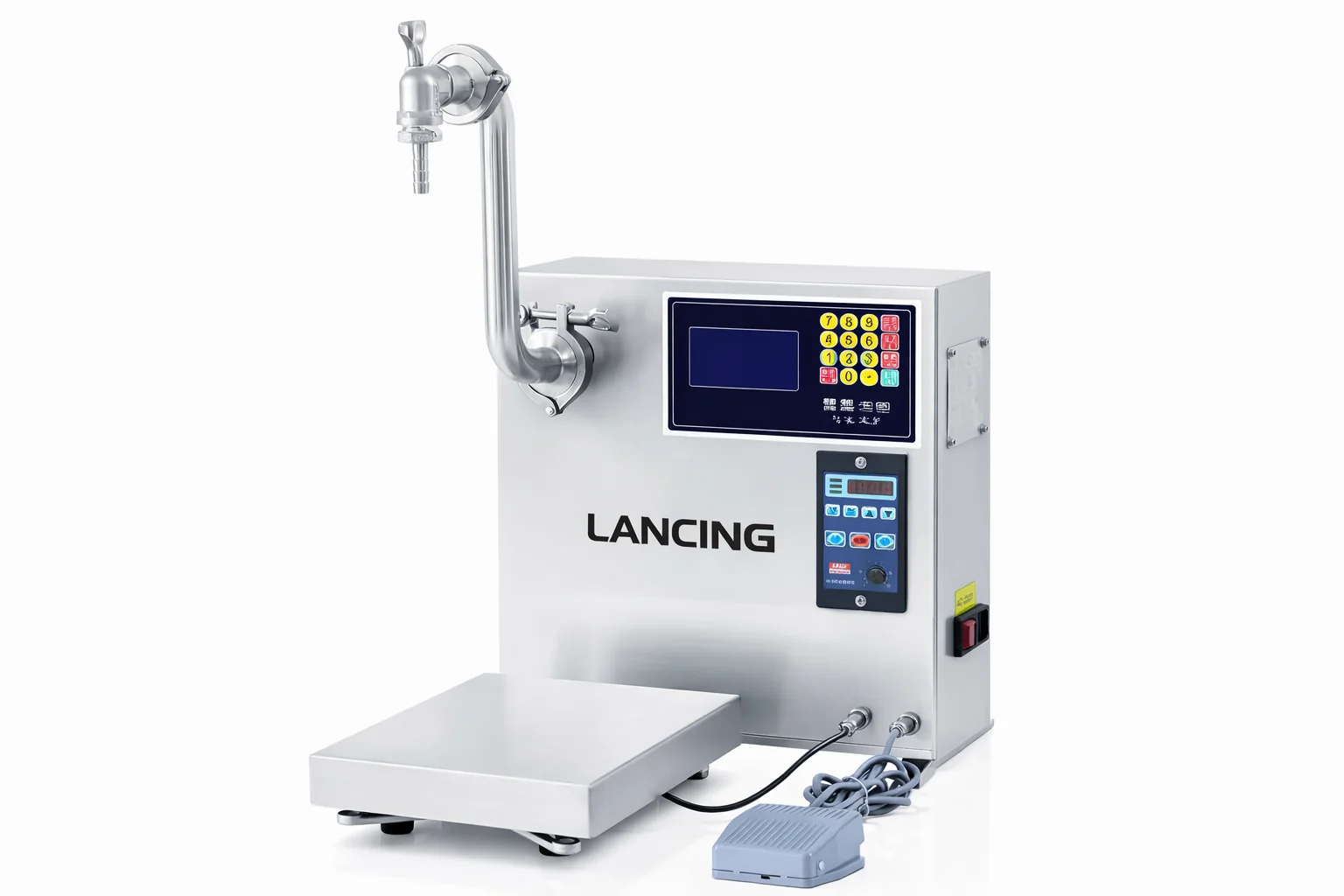
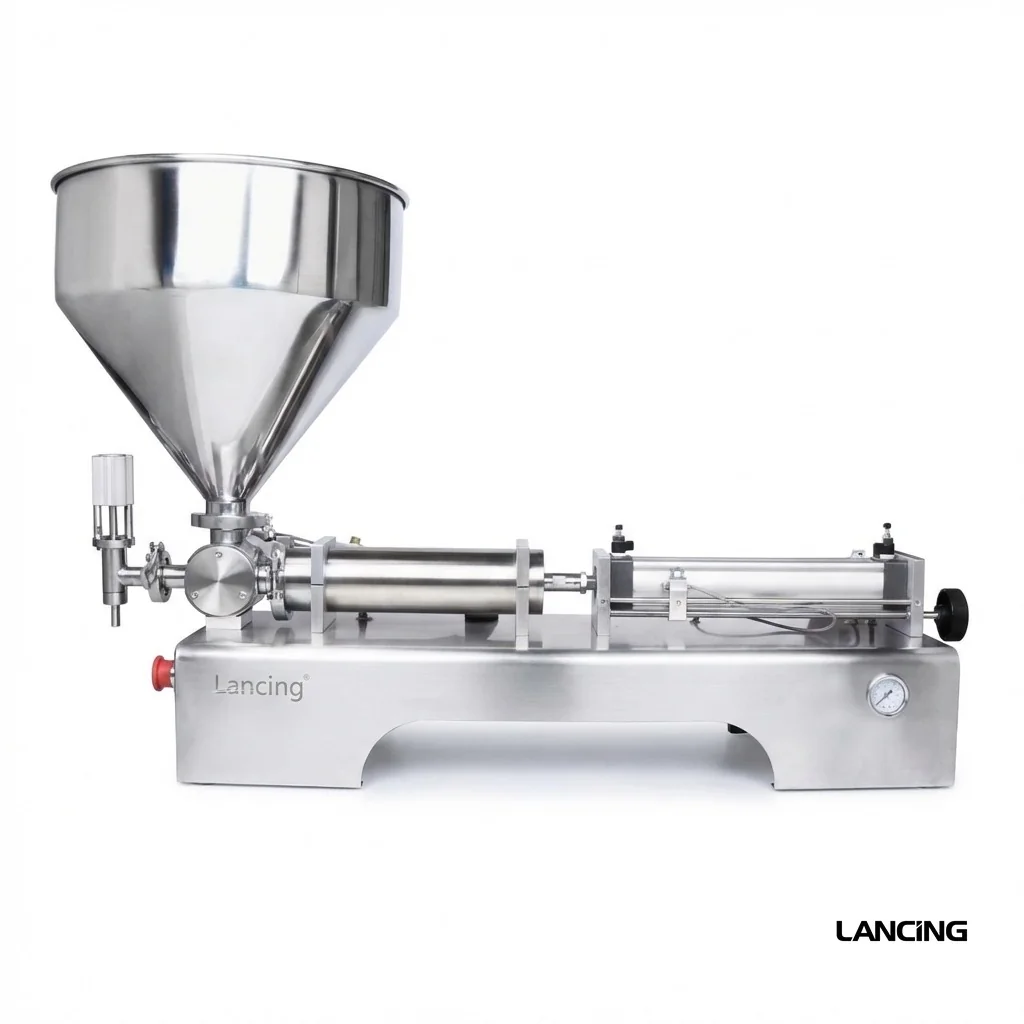
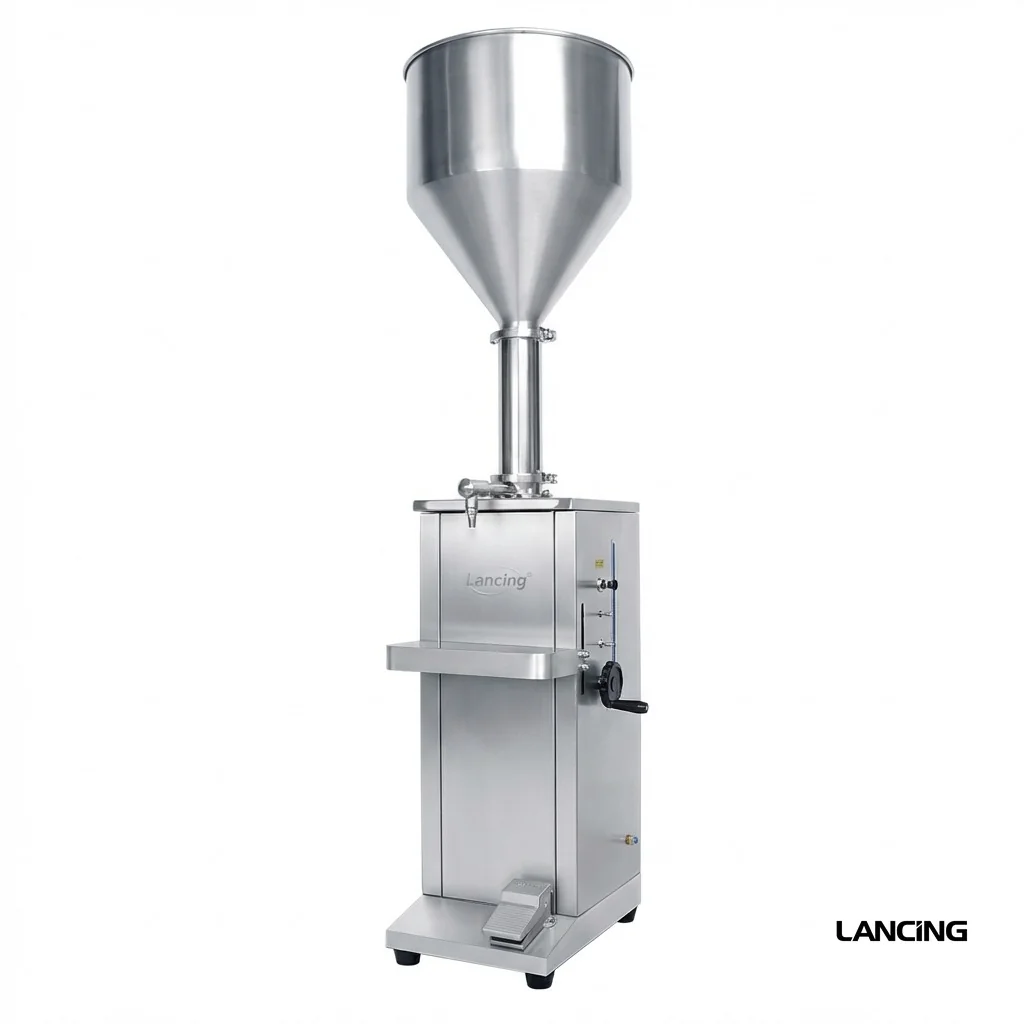
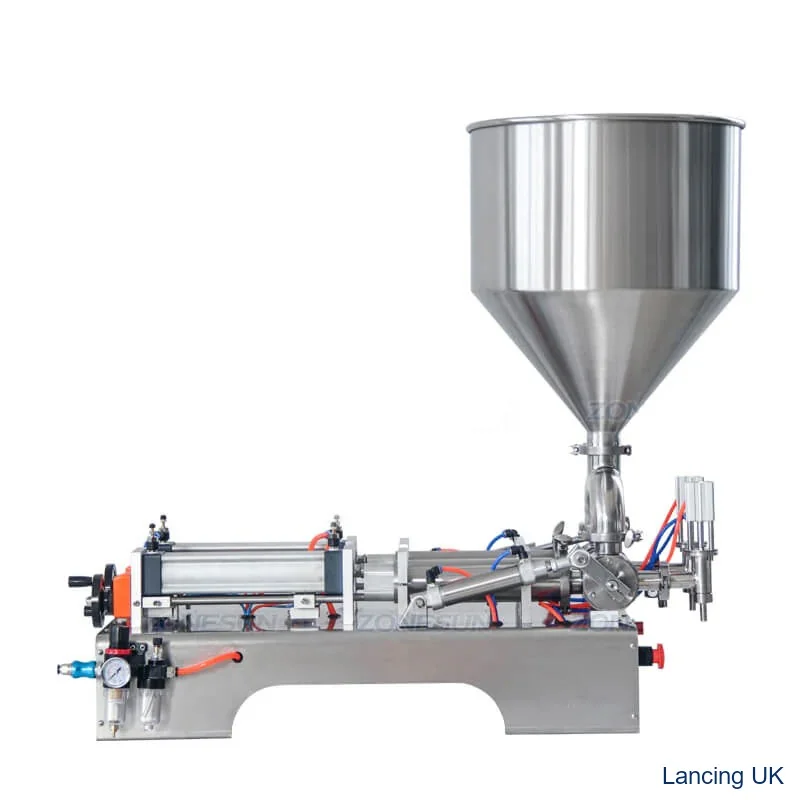
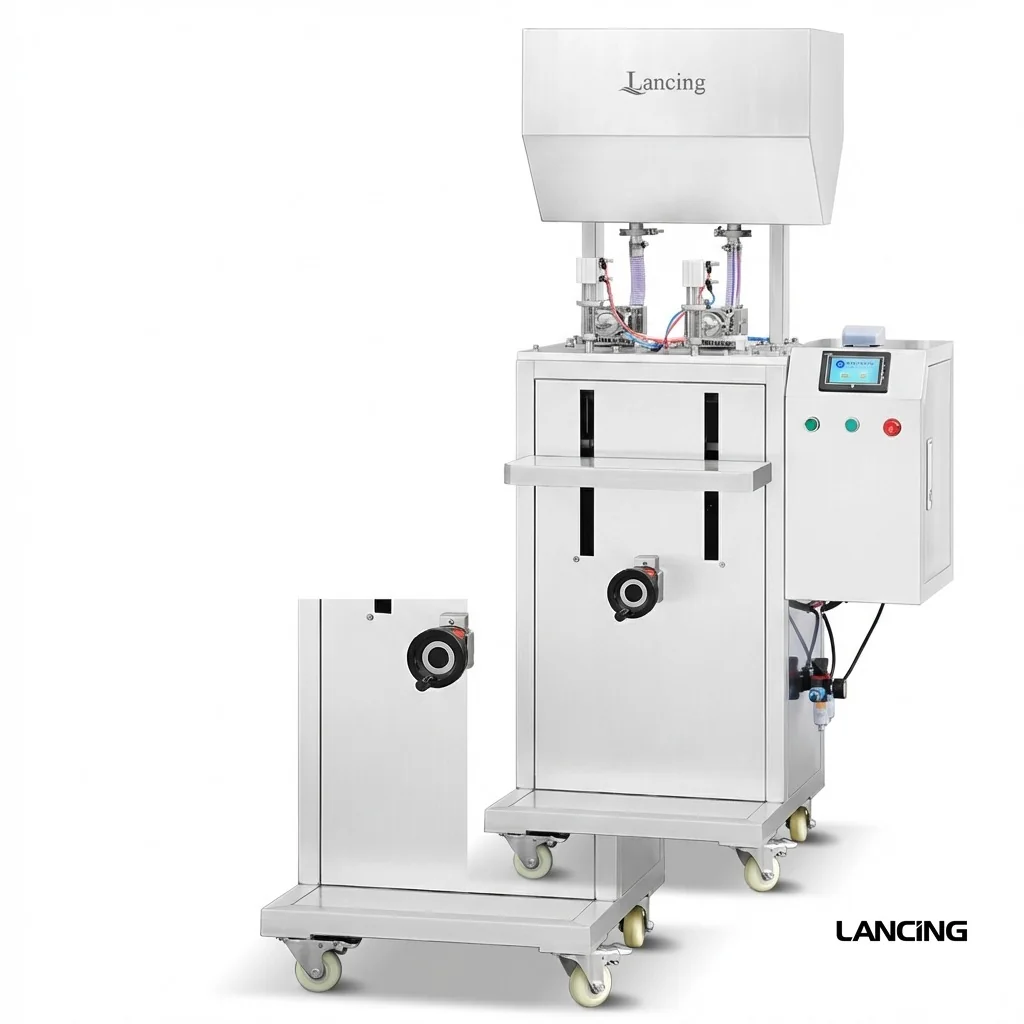
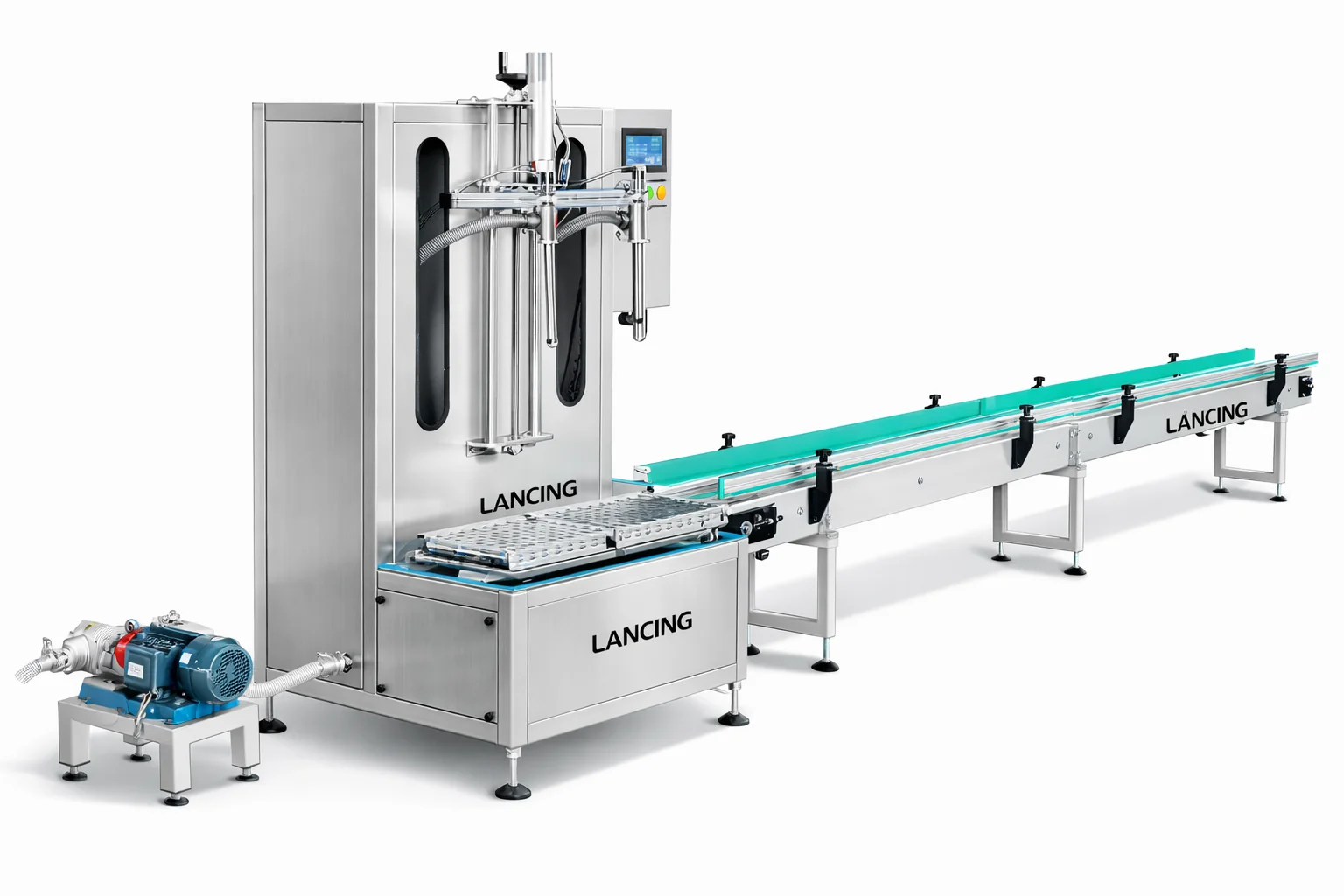
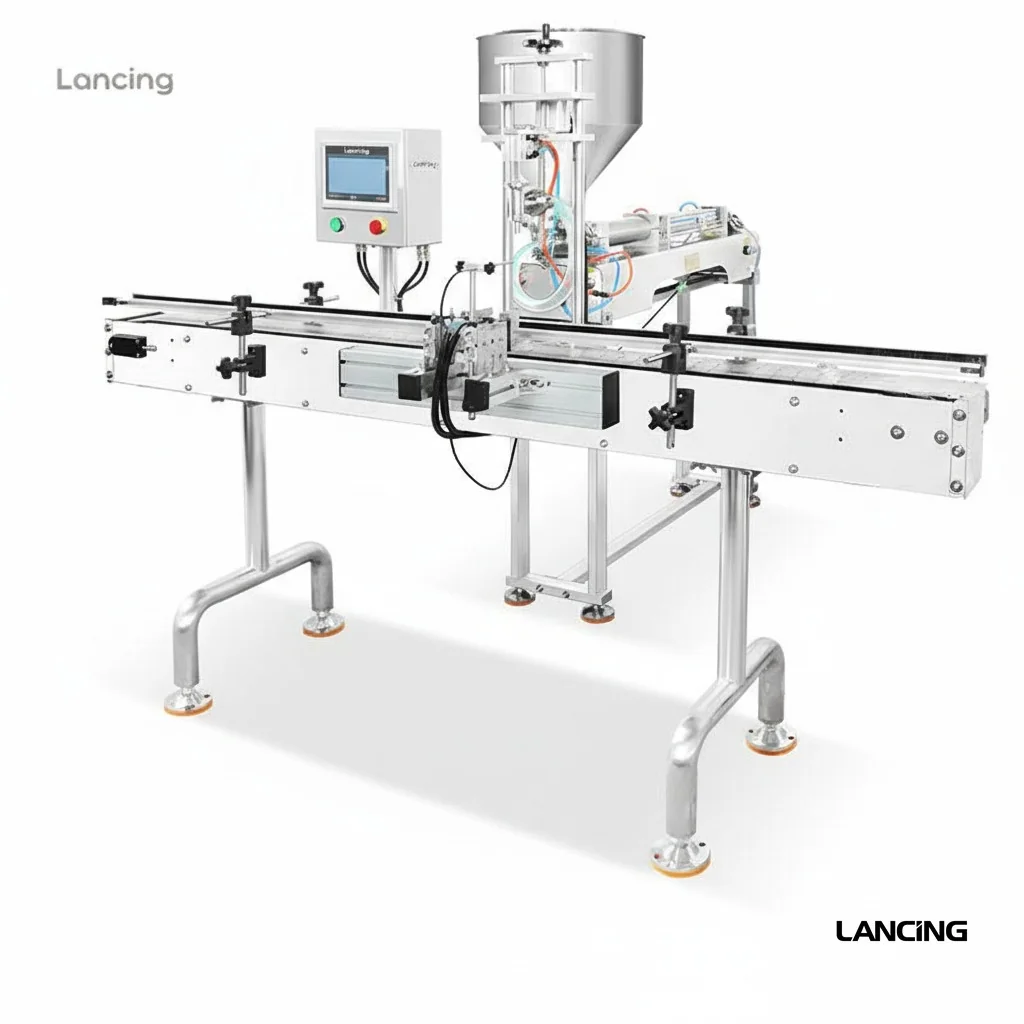
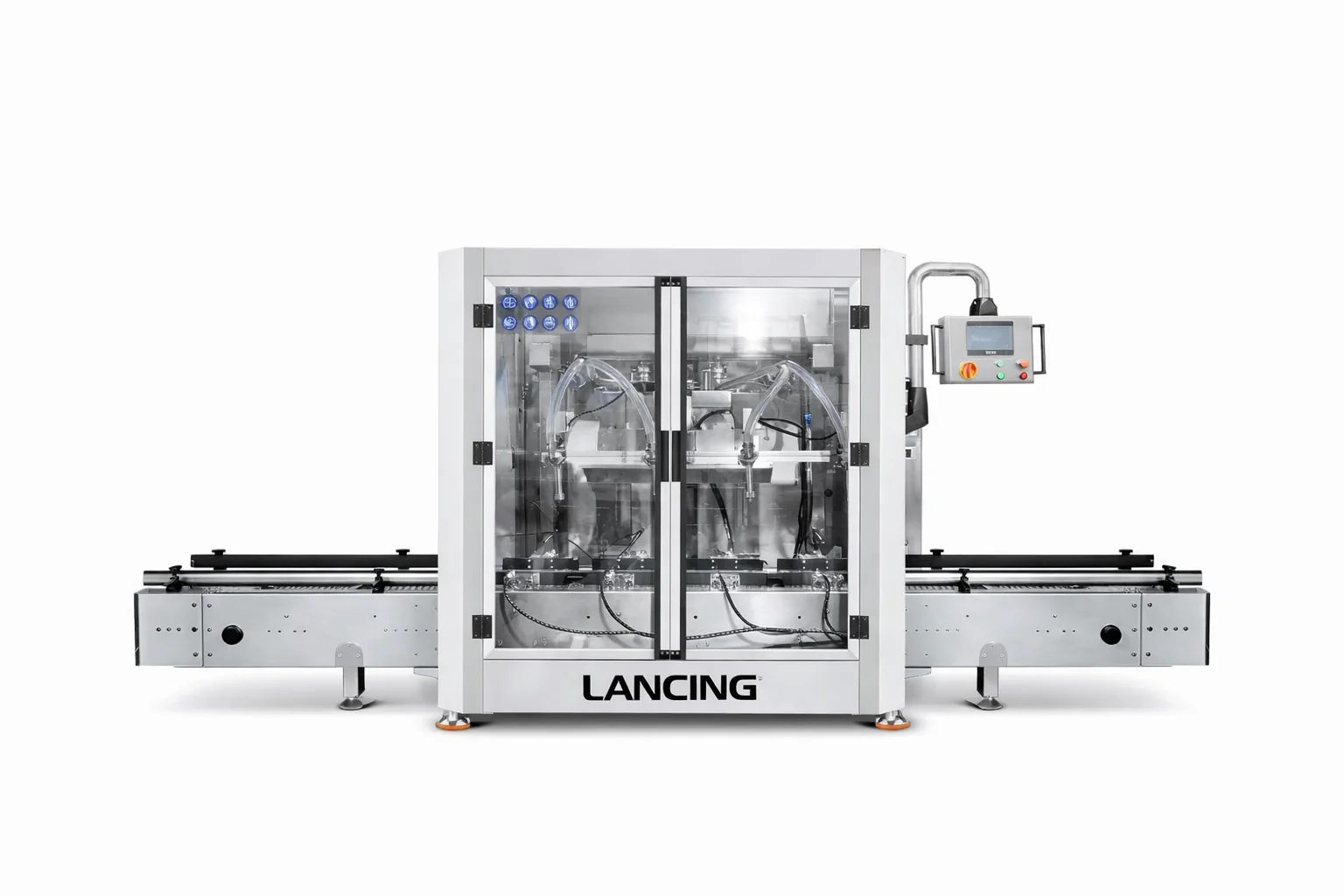
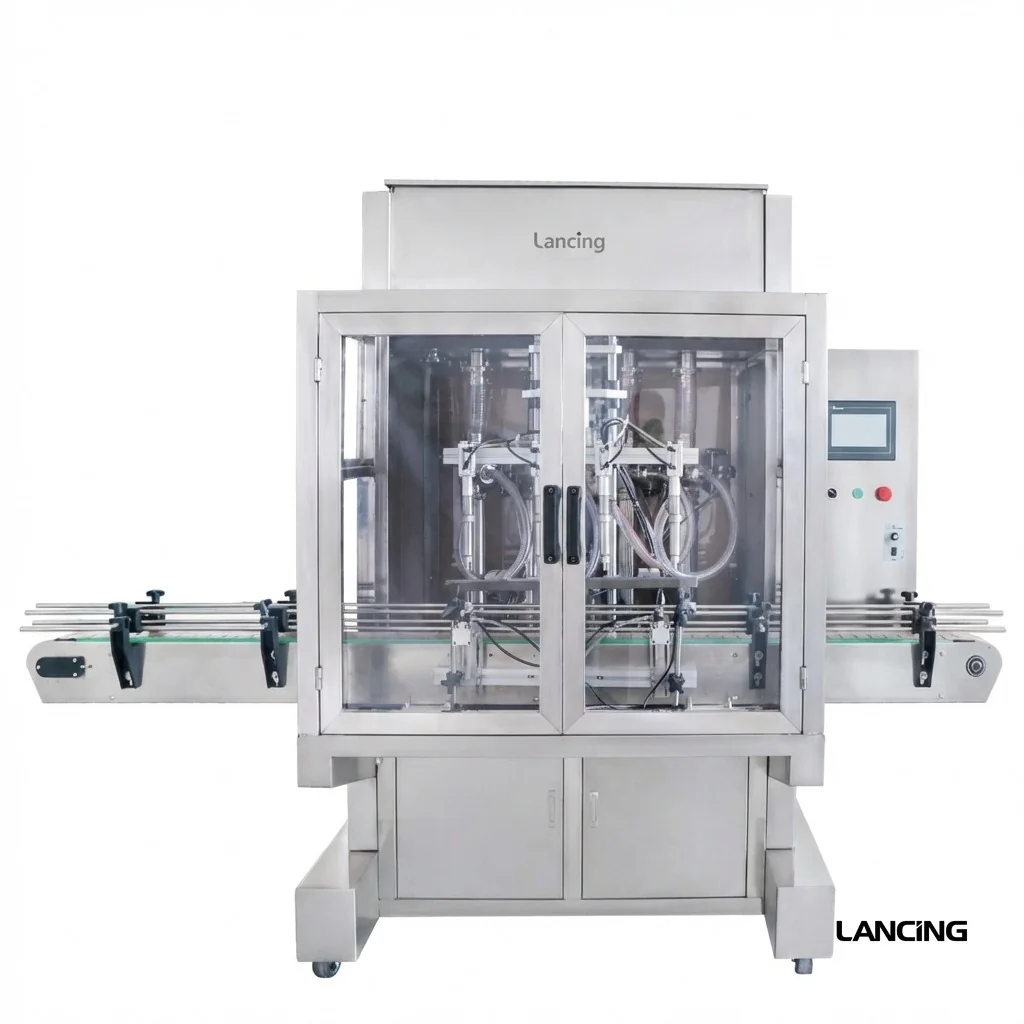
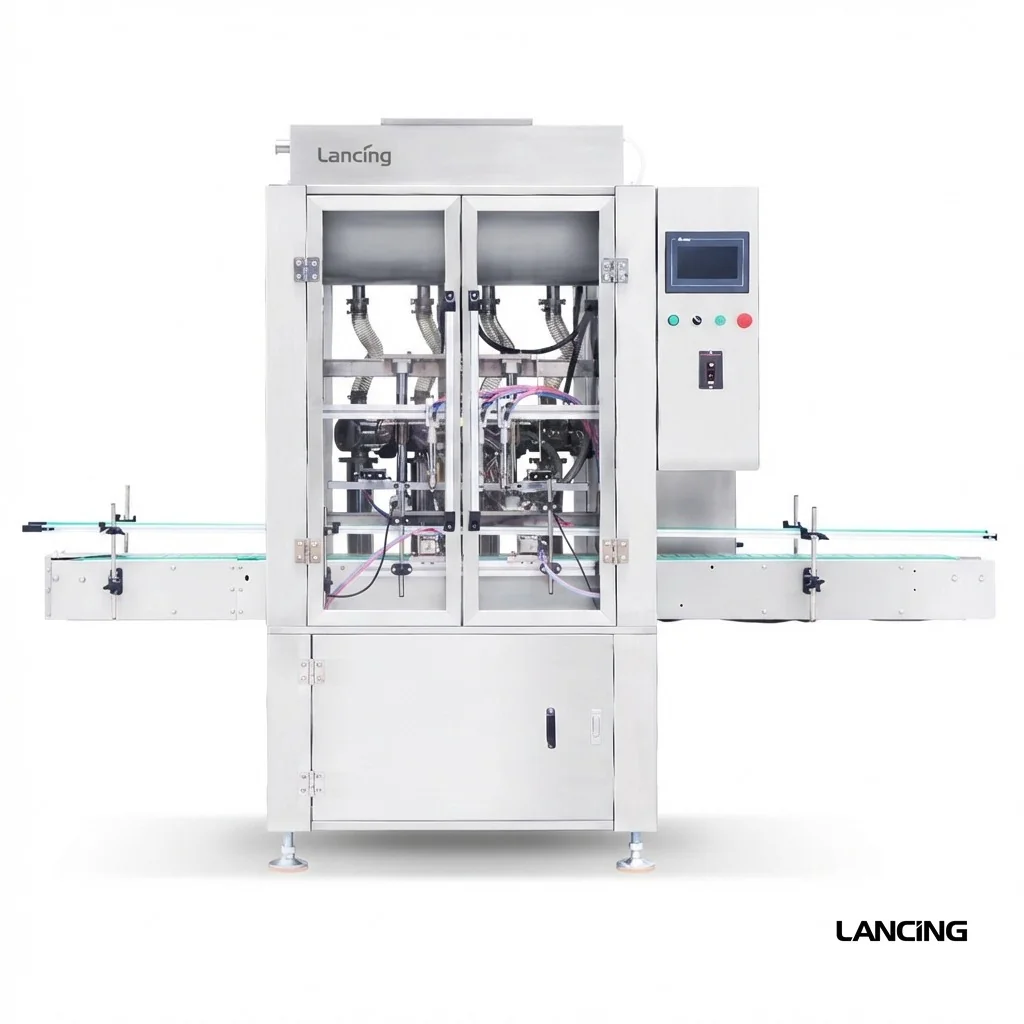
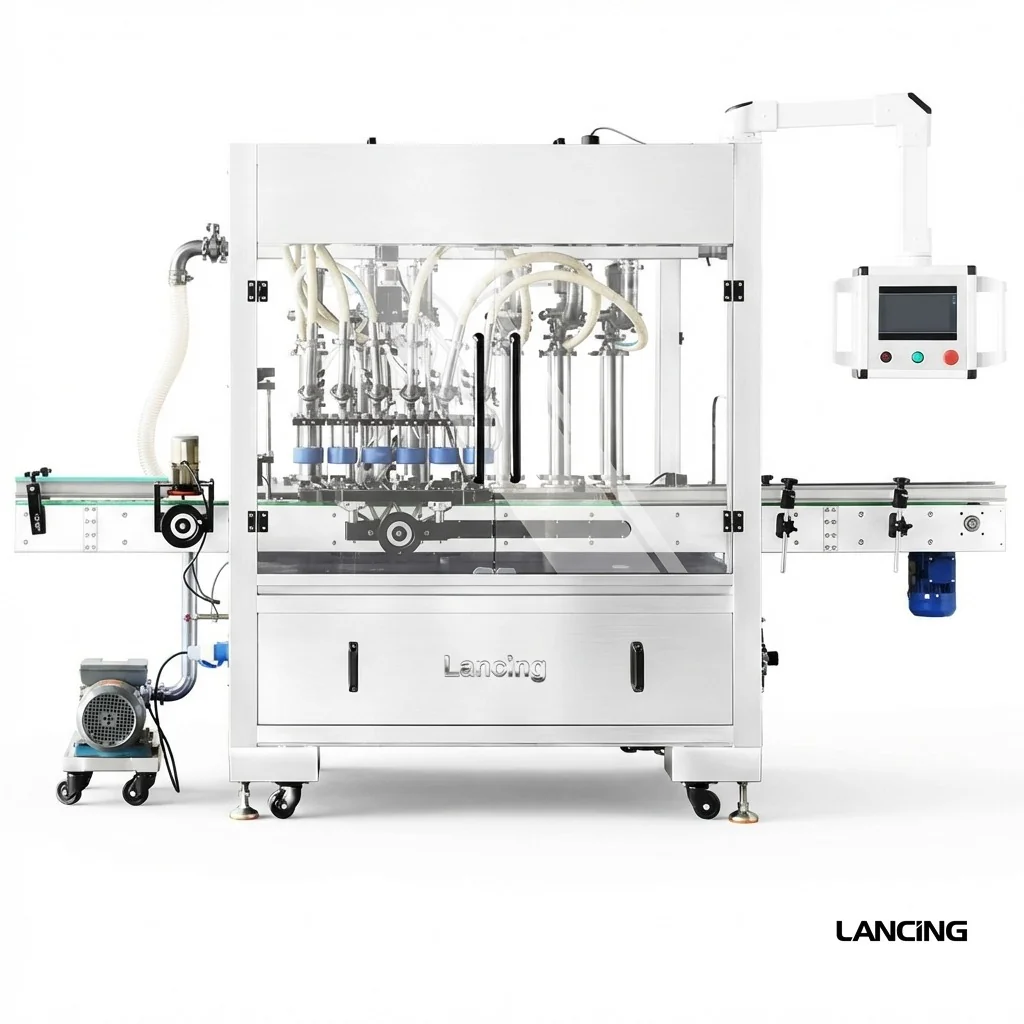
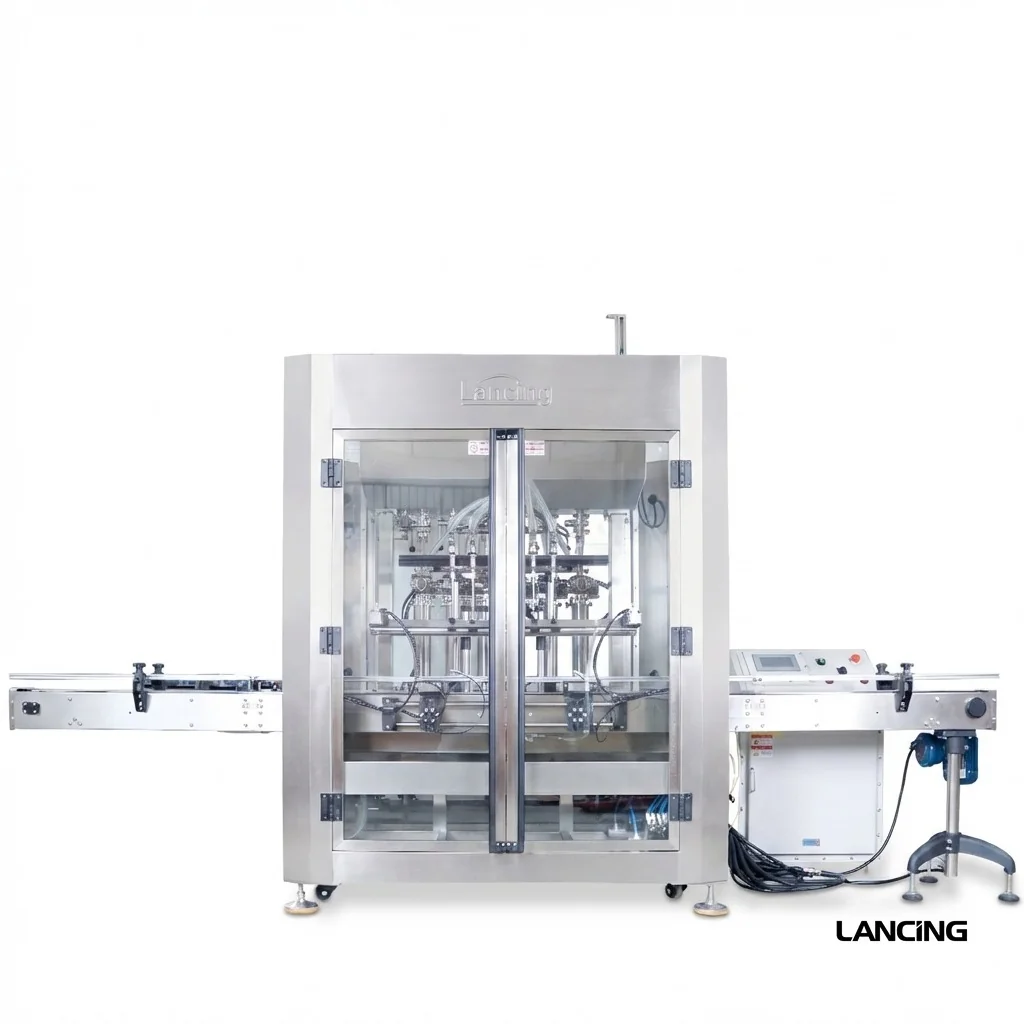
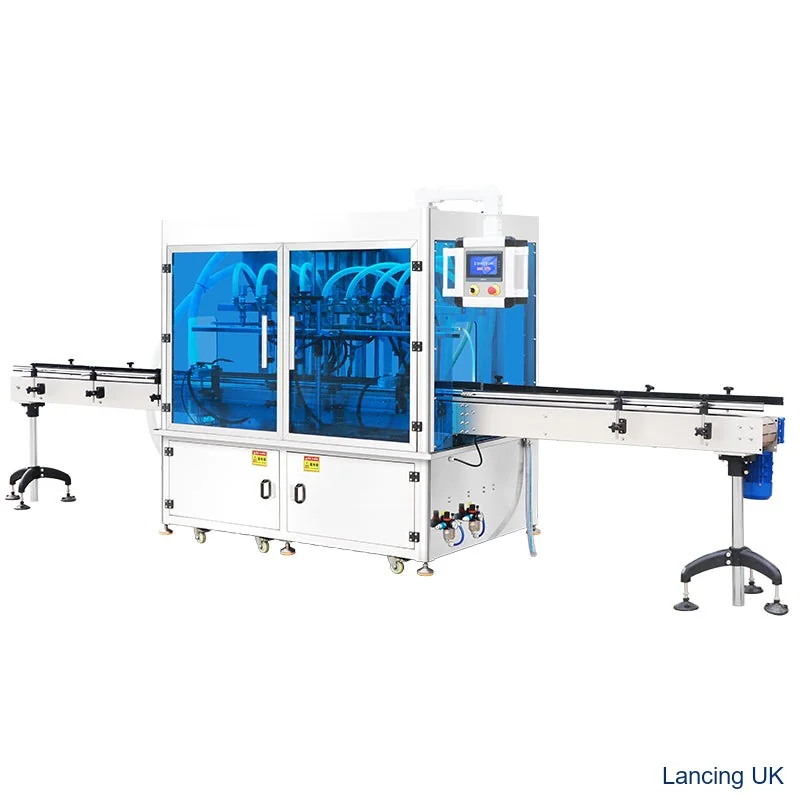
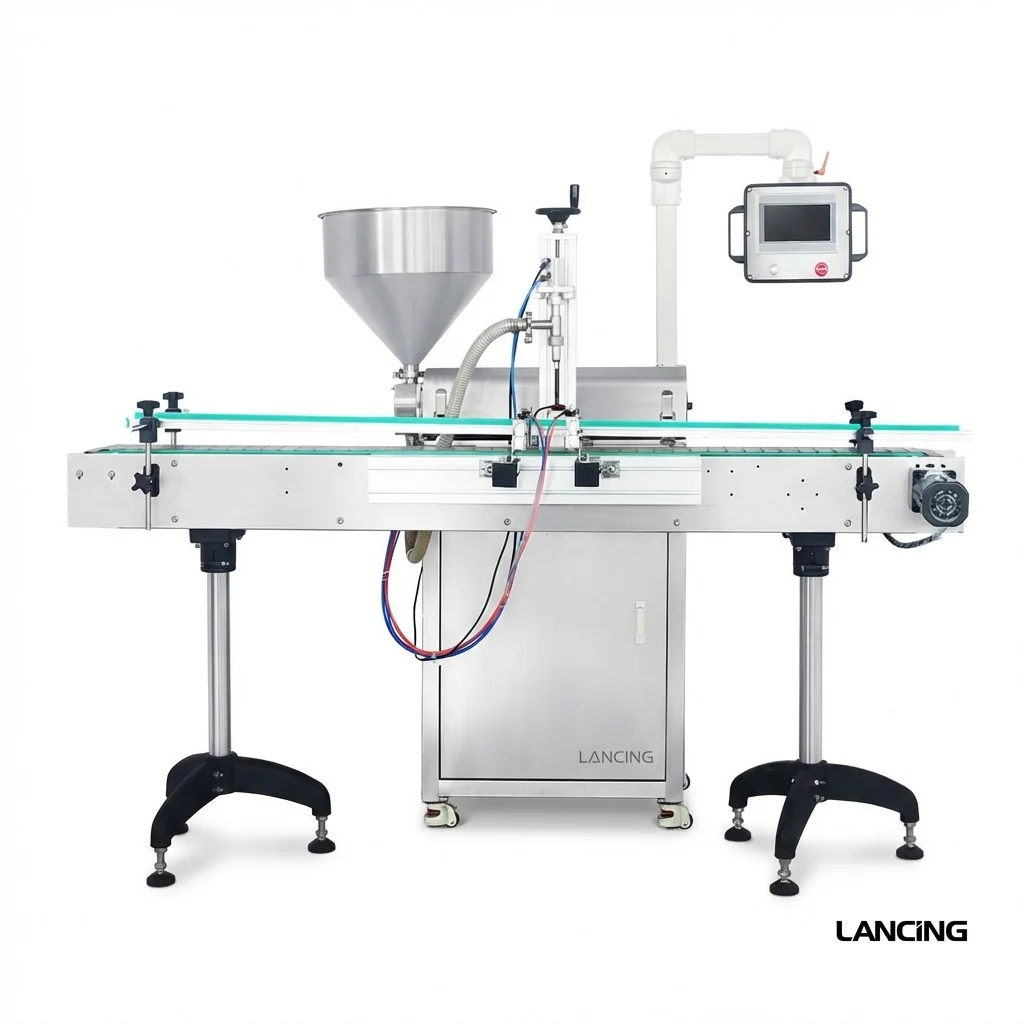
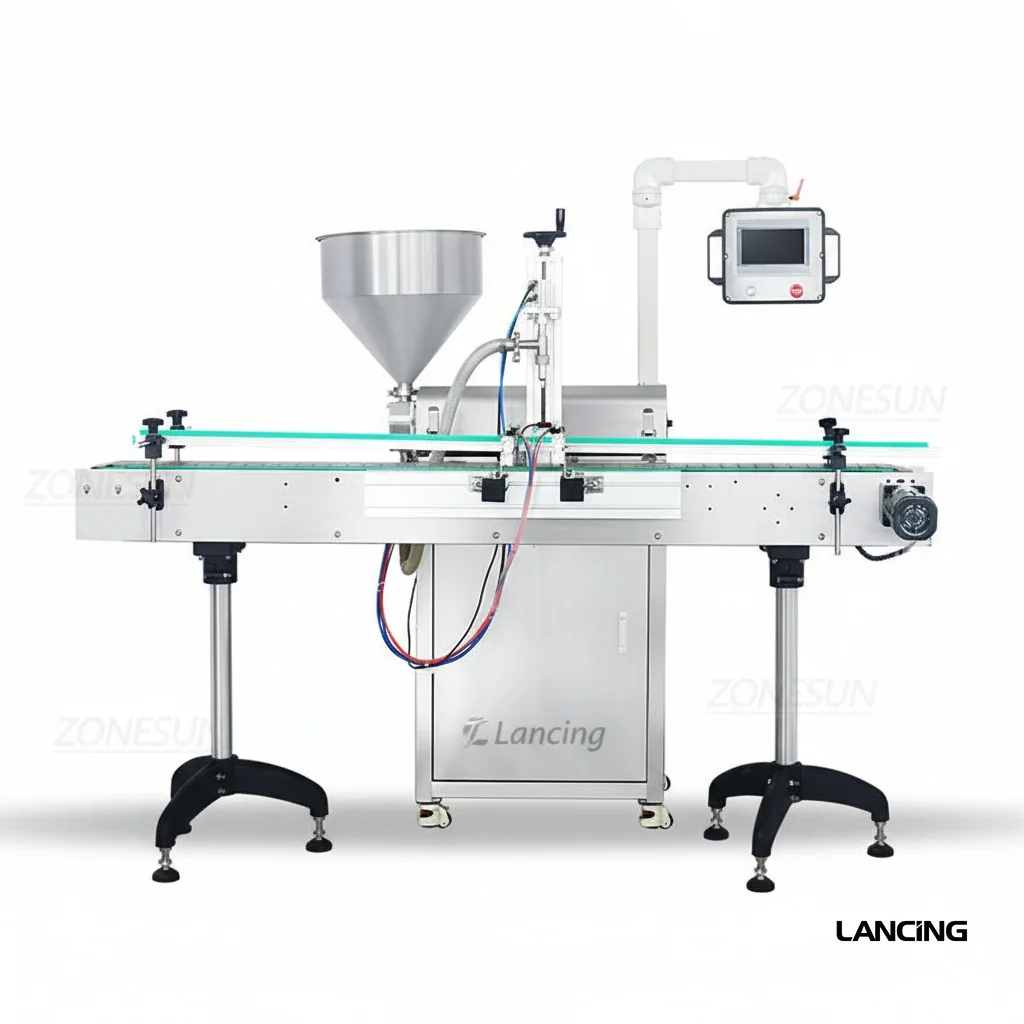
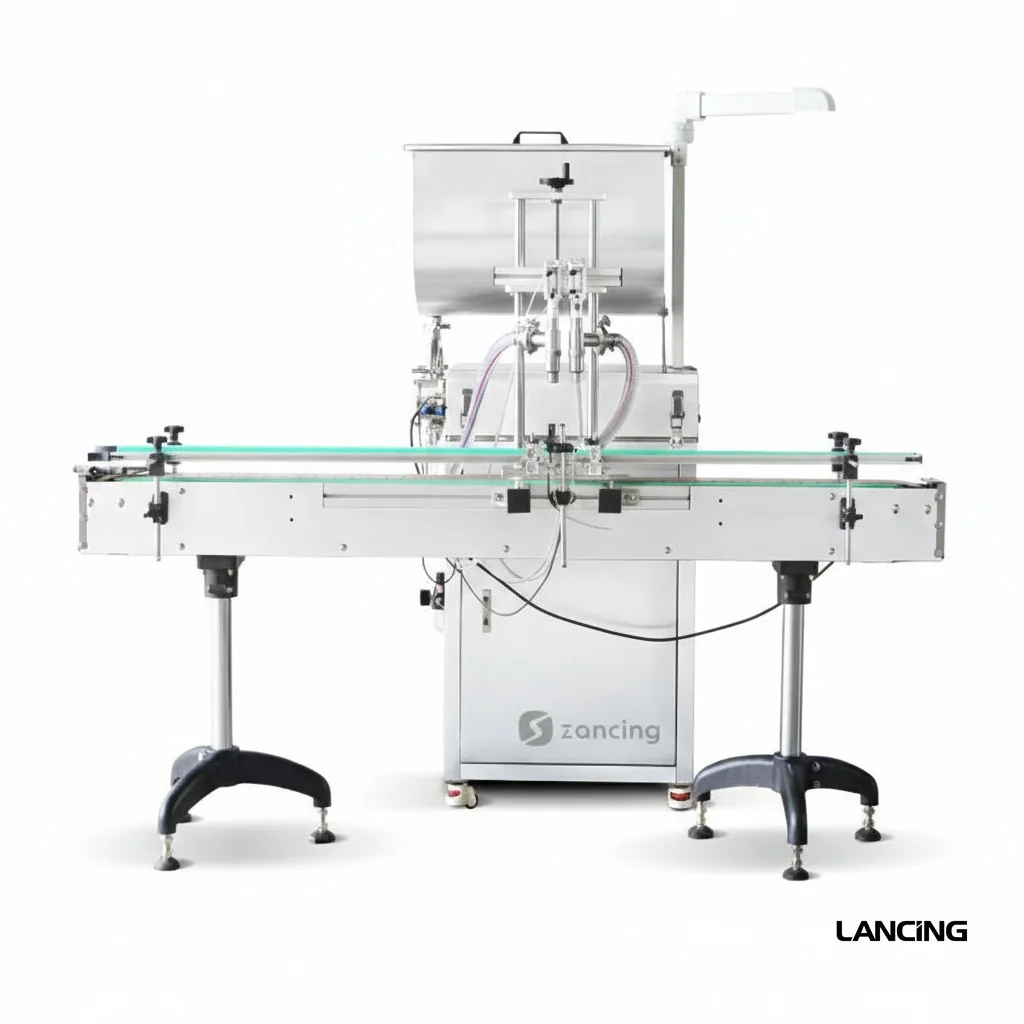
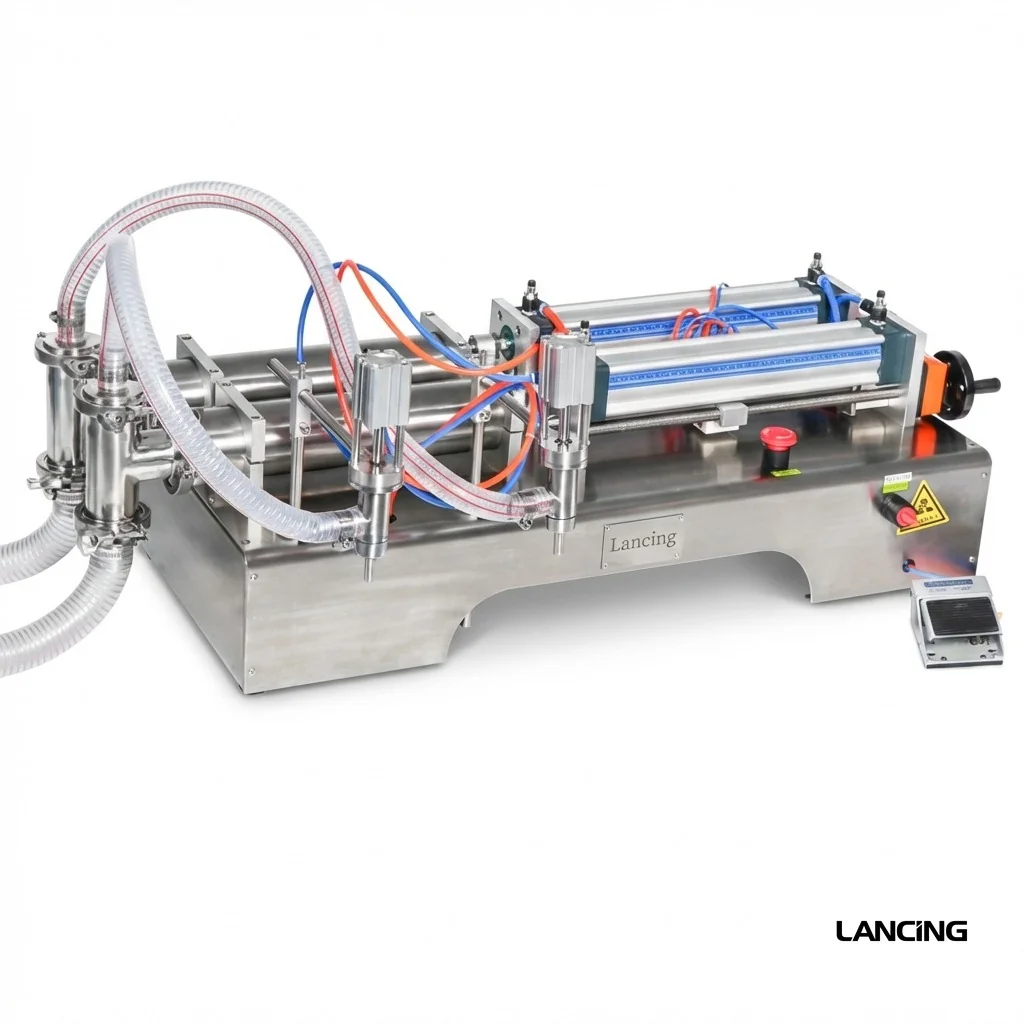
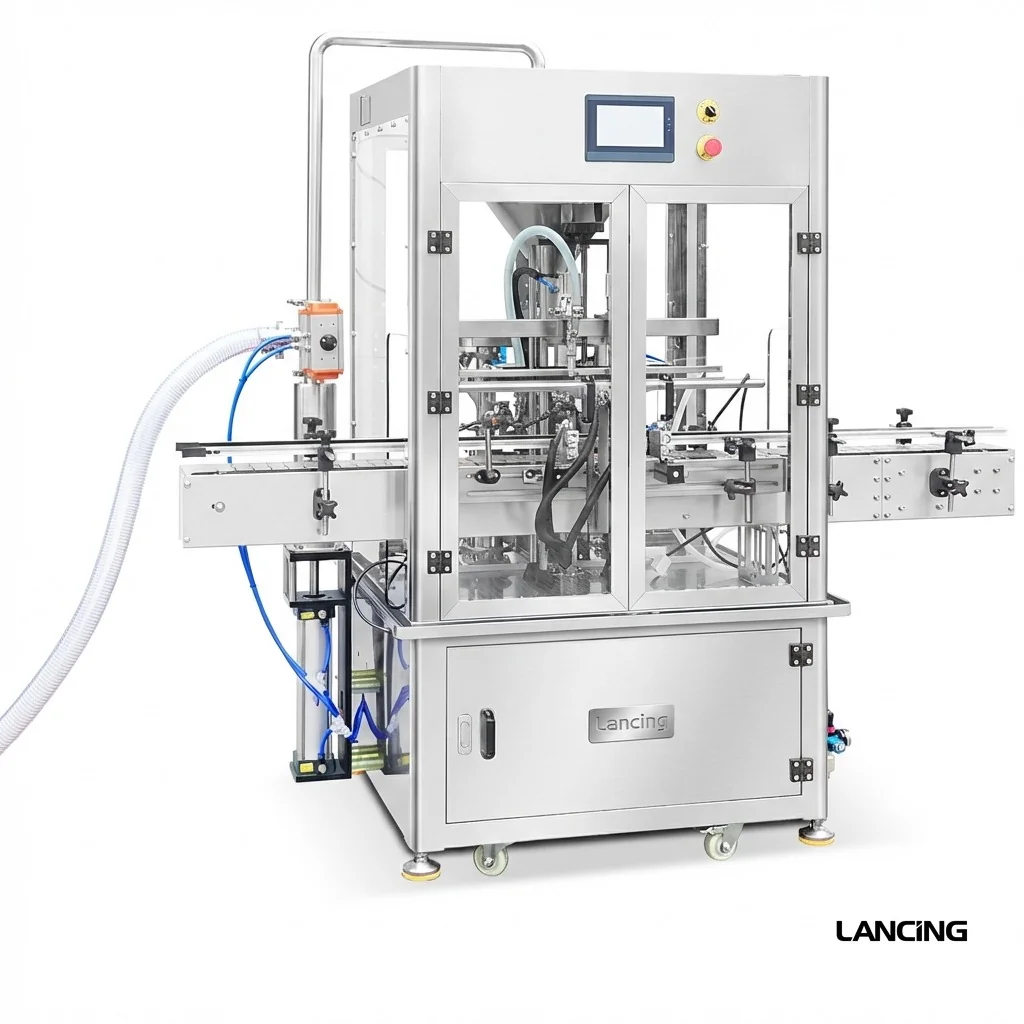
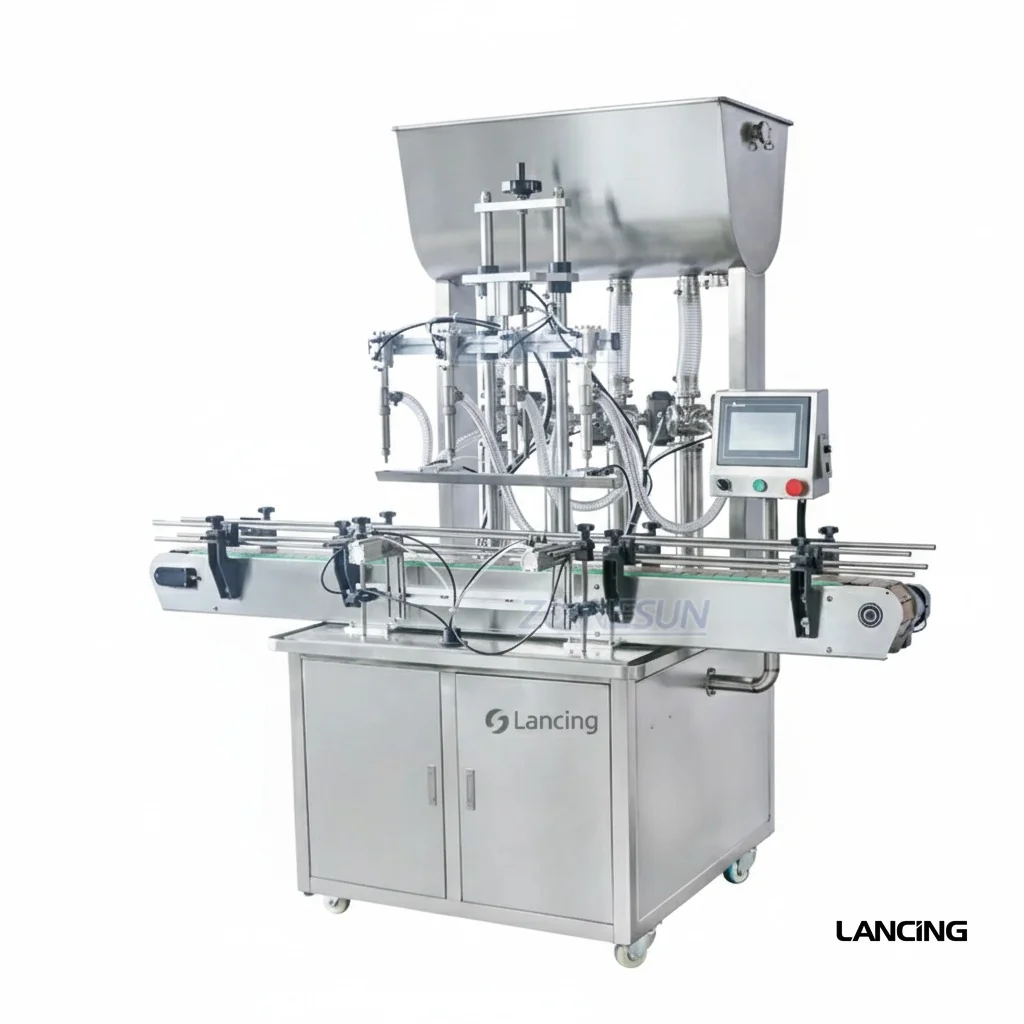
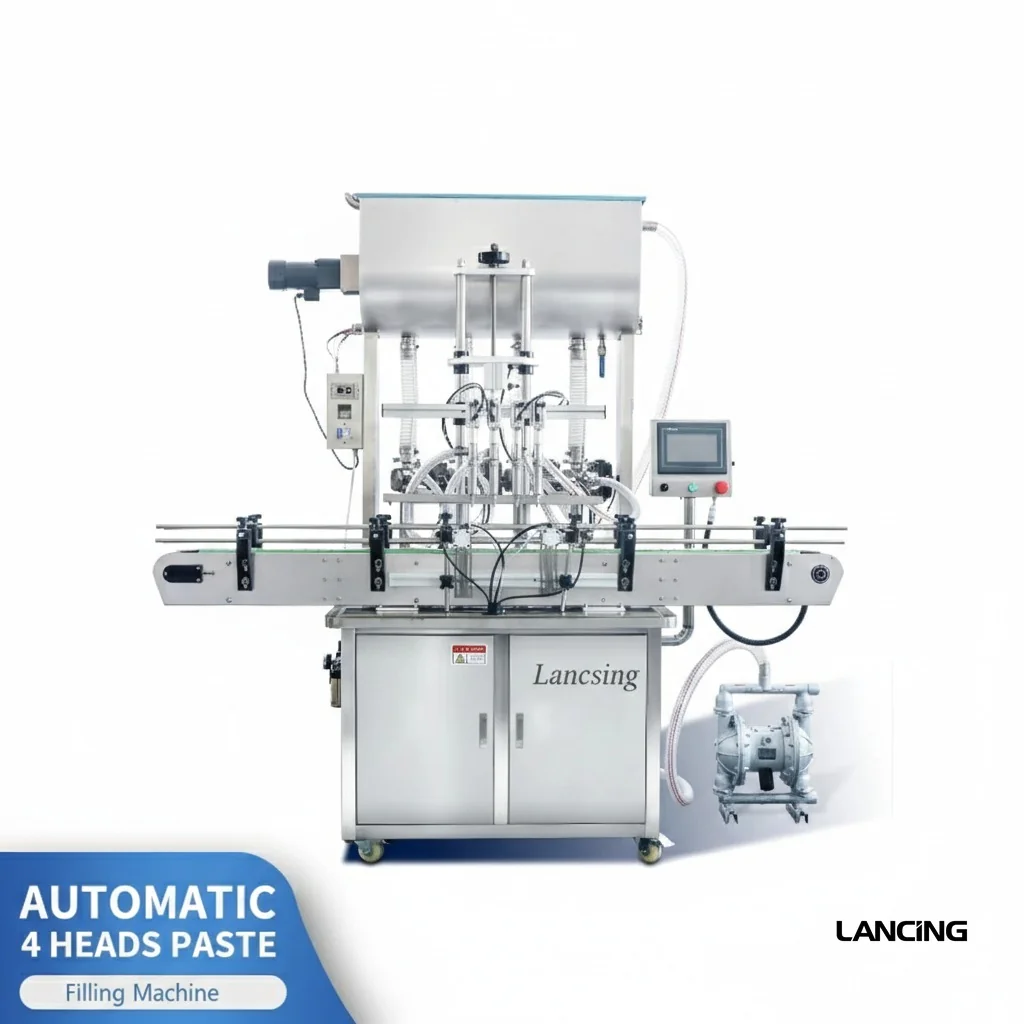
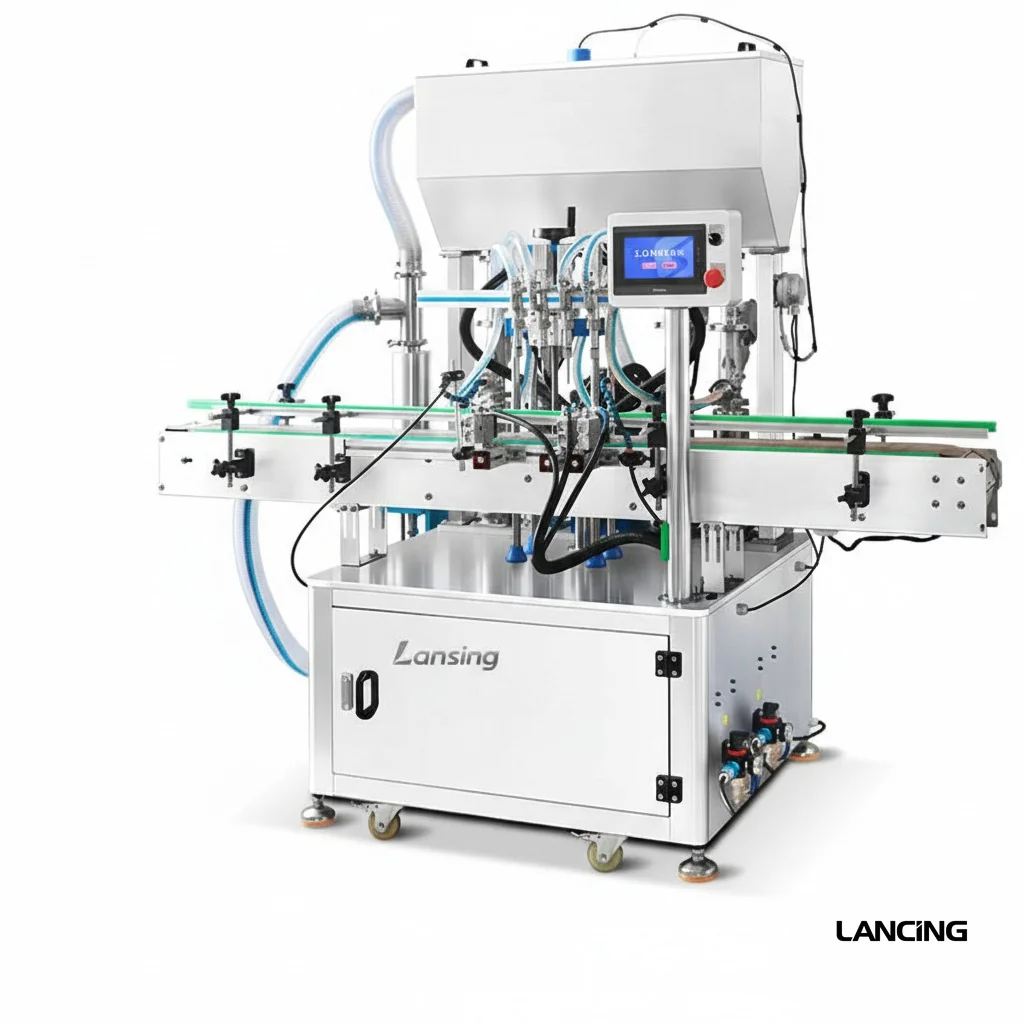
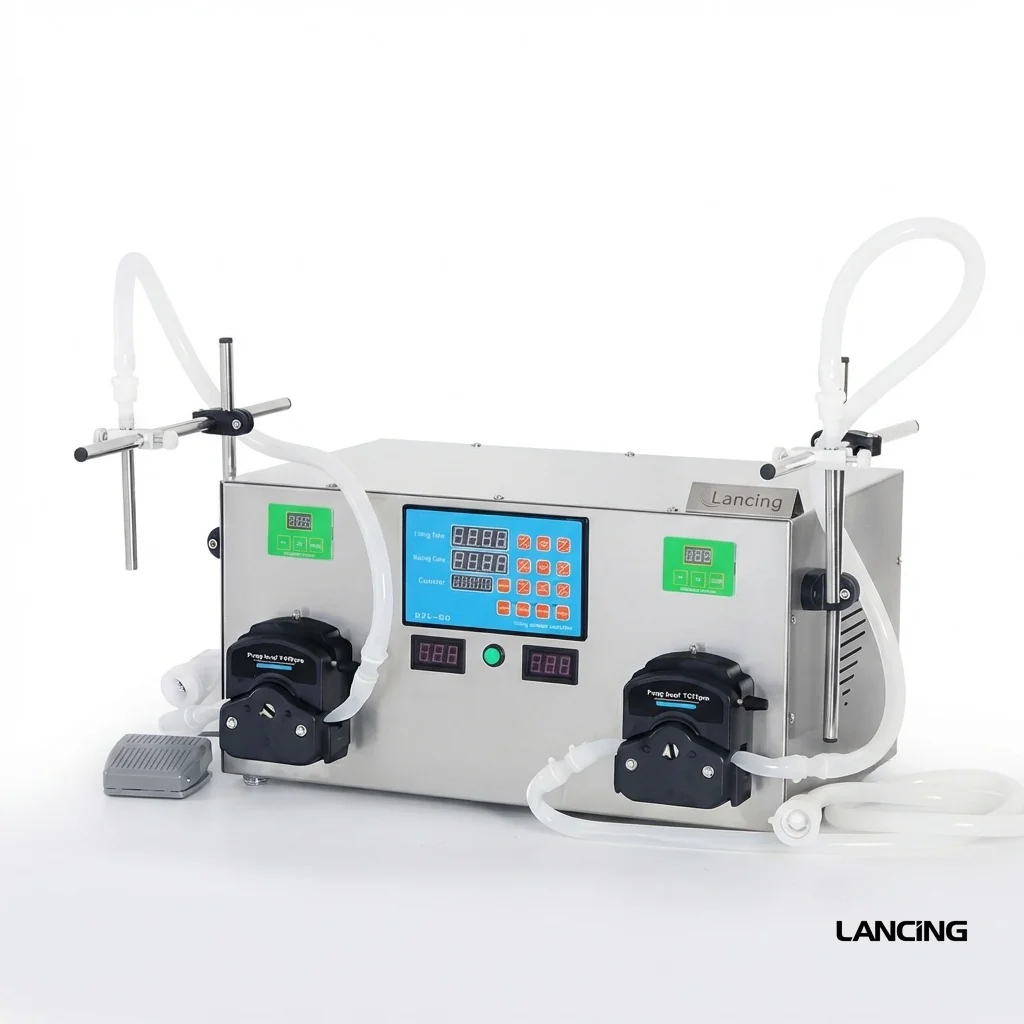
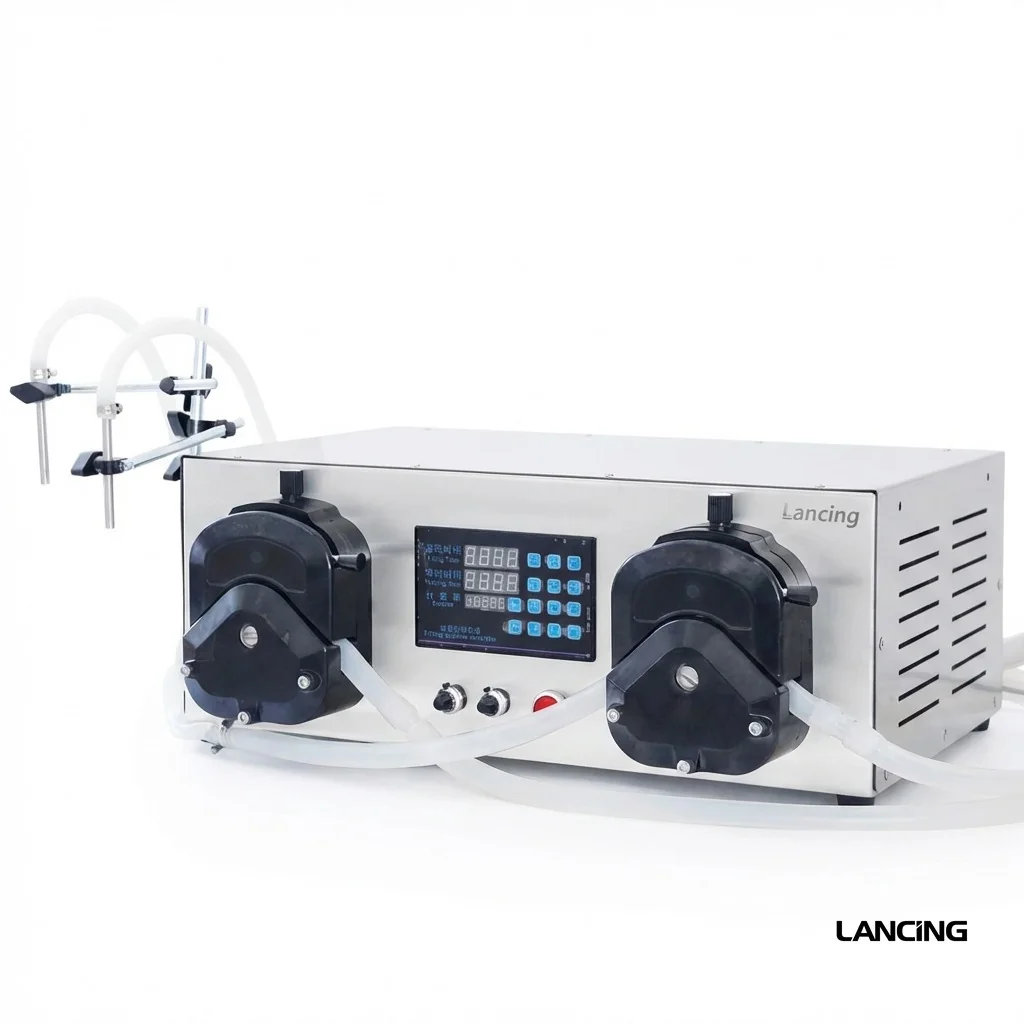
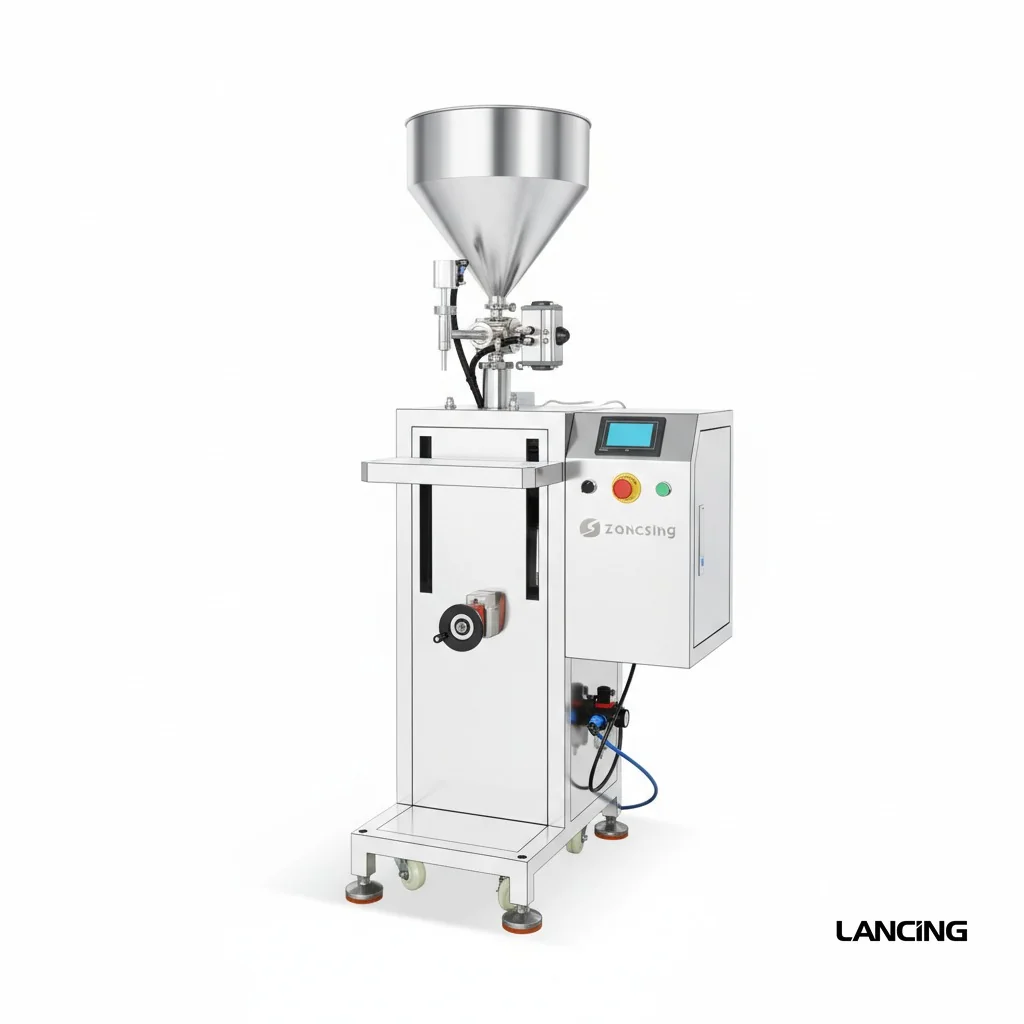
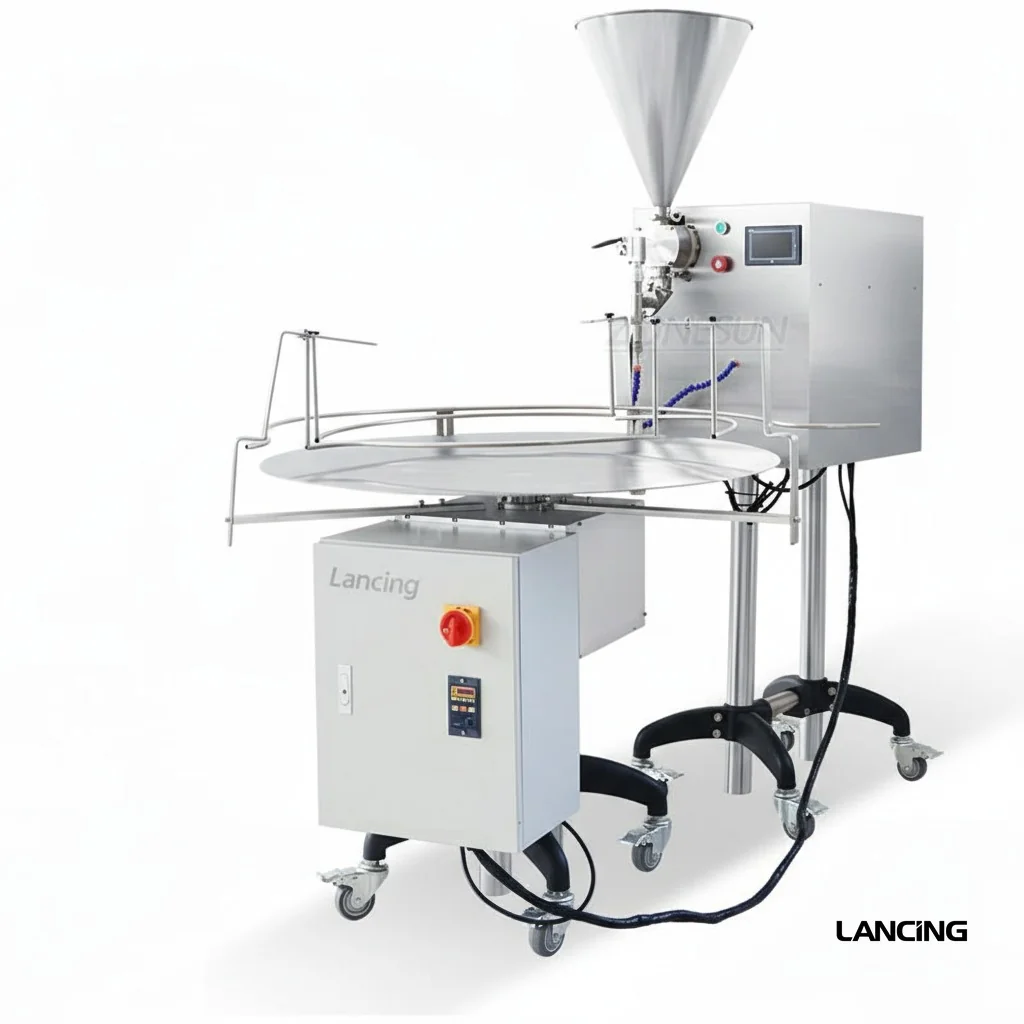
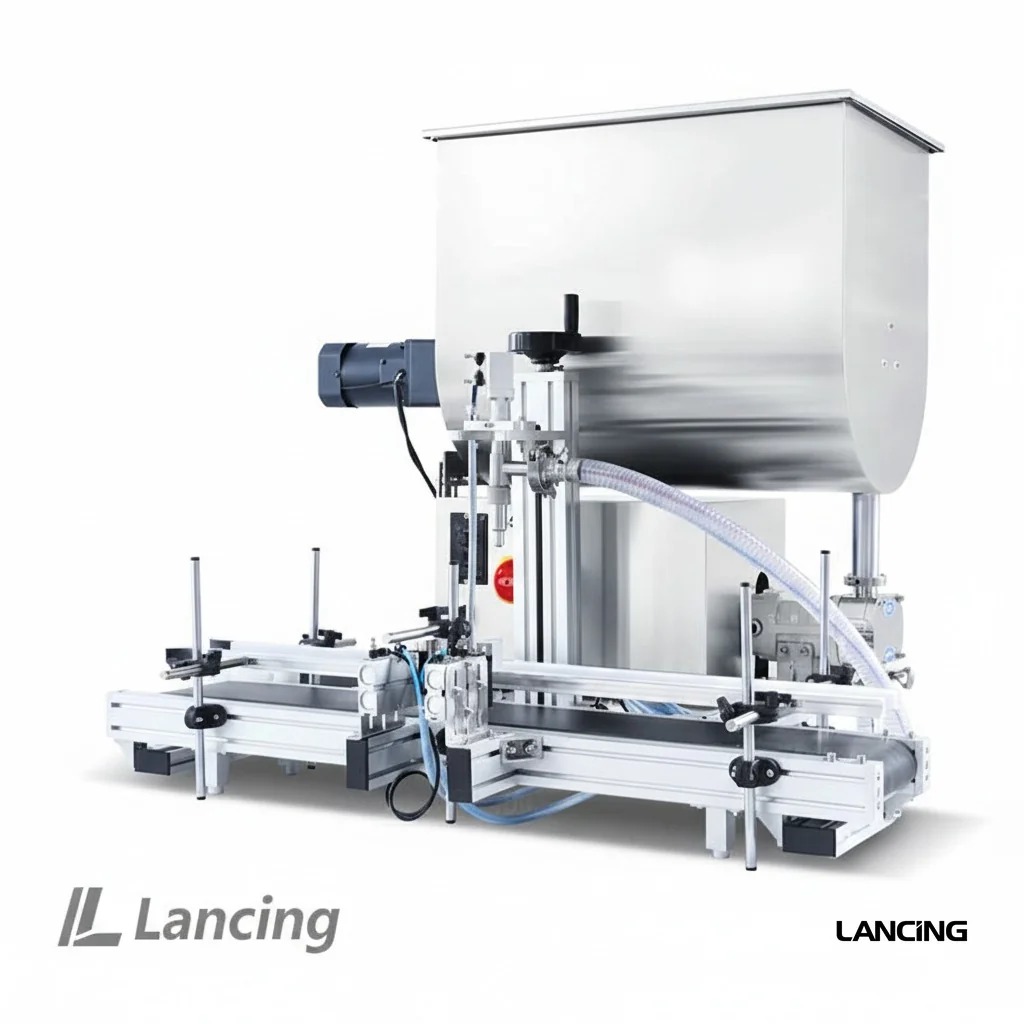
Paste filling project notes
Handling viscous, semi-solid and particulate products
Selection and compatibility guidance
Paste filling applications require attention to product flow, hopper design, transfer pipework, nozzle shut-off, cleaning access and any suspended solids. A product that looks stable in a sample pot can behave differently when warmed, pumped or left standing in a hopper. The machine choice should therefore account for texture, temperature, aeration, dripping and changeover routine.
Useful samples include the product, container, closure and the tools currently used in production. If the product contains particles, fibres or abrasive material, provide details before choosing the dosing system. For integrated lines, the paste filler should be checked with downstream capping, sealing and labelling because spills or residue can affect every later stage.
Before requesting a quotation
Confirm the production environment, changeover frequency, cleaning method, operator access requirements and whether the machine will operate stand-alone or as part of a wider packaging line. Where the application is close to a machine limit, Lancing may need to review samples before confirming the best equipment route.
Useful samples
Send the product, container or pack, closure, label or film where relevant, plus photographs of the current process and details of available space and utilities.
Paste filling planning by flow, feed and cut-off
Control viscous transfer, nozzle shut-off, product presentation and cleaning
Viscous products can bridge in hoppers, trap air, string at the nozzle or change behaviour with temperature. The cosmetics and food and beverage pages connect those properties to pack presentation and changeover.
Use the jar and tub application where rim cleanliness, lids or seals are part of acceptance. For bottles, consider the transfer between fill, cap and label stages.
A trial should include the production feed method, temperature, particulate condition, dose range, nozzle and accepted cleaning sequence.
Paste-filling evidence
- Viscosity and temperature at filling
- Particulates, fibres or shear sensitivity
- Hopper or vessel feed arrangement
- Nozzle cut-off and stringing
- Container opening and rim cleanliness
- Product-contact cleaning
- Accepted fill and appearance check